Betta fish should never be fed chocolate. The sugar, caffeine, and toxic compounds can cause serious health problems, even death. Stick to species‑specific foods and occasional treats that are proven safe.
Key Takeaways
- Chocolate is toxic: It contains theobromine and caffeine, which bettas cannot metabolize.
- Symptoms appear fast: Vomiting, loss of color, and erratic swimming can show within hours.
- Safe treats exist: Bloodworms, brine shrimp, and specially formulated betta pellets are ideal.
- Portion control matters: Over‑feeding any treat can lead to constipation and water quality issues.
- Observe water parameters: Poor water quality worsens toxin effects, so maintain clean water.
- Know emergency steps: If chocolate is ingested, perform a water change and contact a vet.
- Educate others: Share the risks so fellow hobbyists keep their bettas safe.
📑 Table of Contents
Introduction: Why the Question Pops Up
It’s easy to imagine sharing a tiny piece of chocolate with a colorful betta fish, especially when you’re watching a cute video of a fish nibbling on a treat. The bright colors of chocolate and the bright colors of a betta can look like a match made in Instagram heaven. But the reality is very different. Chocolate is a human indulgence, not a fish delicacy.
In this article we’ll break down exactly why chocolate is a bad idea for bettas, what happens inside their tiny bodies when they swallow it, and which safe foods you can offer instead. By the end you’ll feel confident that your betta’s diet stays healthy, vibrant, and stress‑free.
What’s Inside Chocolate That Harms Betta Fish?
Theobromine and Caffeine
The main culprits are theobromine and caffeine, both stimulants that belong to the methylxanthine family. Humans can process these chemicals fairly well, but fish lack the necessary liver enzymes. Even a small square of milk chocolate can deliver enough theobromine to cause heart arrhythmias in a betta.
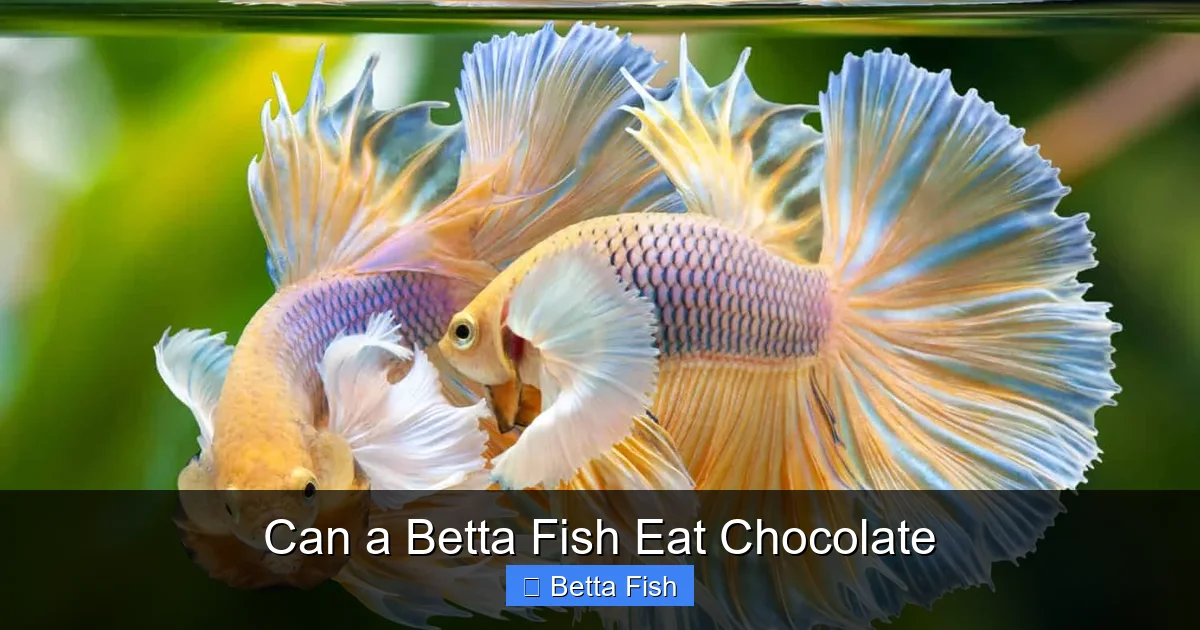
Visual guide about Can a Betta Fish Eat Chocolate
Image source: a-z-animals.com
Sugar Overload
Chocolate is loaded with simple sugars. Betta fish have a short digestive tract designed for protein‑rich foods, not carbohydrates. Excess sugar can cause rapid spikes in blood glucose, leading to organ stress and a weakened immune system.
Fat and Additives
Most chocolate contains added fats, emulsifiers, and sometimes dairy. These ingredients can cloud the water, promote bacterial growth, and create digestive blockages. A betta’s tiny stomach can’t handle the heavy load, resulting in constipation or even a life‑threatening blockage.
How Chocolate Affects a Betta’s Body
Immediate Physical Reactions
Within minutes to a few hours after ingestion, you may notice:
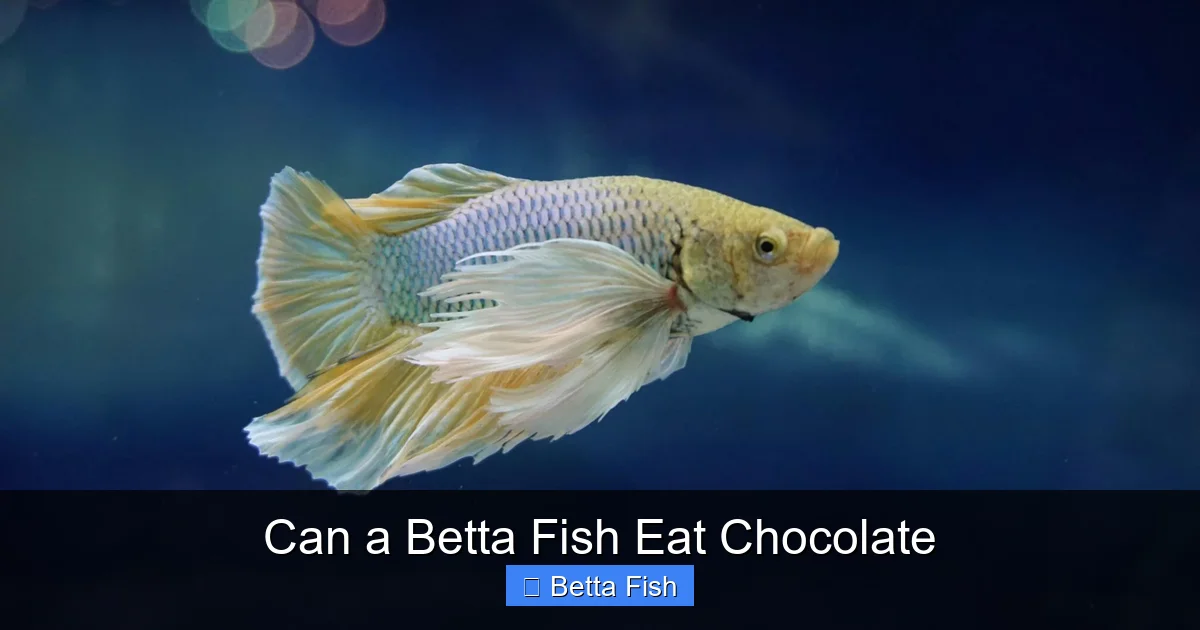
Visual guide about Can a Betta Fish Eat Chocolate
Image source: fishkeepingadvice.com
- Rapid, erratic swimming
- Loss of vibrant color (the fish looks pale)
- Gasping at the water surface
- Vomiting or regurgitation of food
Long‑Term Health Risks
If the toxin isn’t cleared quickly, the betta can develop:
- Heart arrhythmias and reduced cardiac output
- Liver damage due to metabolite buildup
- Weakened immune response, making the fish susceptible to infections
In severe cases, the result is death within 24‑48 hours.
Safe Alternatives: What You Can Actually Feed Your Betta
High‑Quality Betta Pellets
Commercial betta pellets are formulated with the right protein‑to‑fat ratio and contain essential vitamins. They dissolve slowly, encouraging natural foraging behavior.
Visual guide about Can a Betta Fish Eat Chocolate
Image source: bettasource.com
Live or Frozen Treats
Bloodworms, daphnia, and brine shrimp are favorite treats that mimic a betta’s natural diet. Offer them once or twice a week in small amounts.
Vegetable Snacks (Sparingly)
Some bettas enjoy finely chopped peas or boiled spinach. These should be given in tiny portions and only a few times a month.
Link to More Food Ideas
For a full list of safe foods, see our guide on What Can Betta Fish Eat.
How to Respond If Your Betta Eats Chocolate
Immediate Steps
1. **Remove the source** – Take the chocolate out of the tank right away.
2. **Perform a partial water change** (25‑30 %). This dilutes any remaining toxin.
3. **Increase aeration** – Add a gentle air stone to boost oxygen levels while the heart works harder.
When to Call a Vet
If you notice persistent gasping, loss of balance, or a faded coloration after 12 hours, seek a fish‑specialized veterinarian. Early intervention can make the difference between recovery and loss.
Preventing Accidental Feeding
Keep Human Snacks Out of Reach
Store chocolate and other sweets in sealed containers away from the aquarium area. Even a curious cat can drop a piece into the water.
Educate Household Members
Make sure everyone who visits the tank knows that chocolate is a no‑no. A quick reminder can stop a well‑meaning friend from sharing a “treat.”
Use Proper Feeding Tools
Designate a small feeding spoon or tweezers for betta food only. This reduces the chance of accidental cross‑contamination with human treats.
Conclusion: Keep Chocolate Off the Menu
Betta fish are beautiful, feisty, and deserve a diet that supports their health. Chocolate may look tempting, but its toxic components, high sugar, and unhealthy fats make it a dangerous choice. Stick to species‑appropriate pellets, occasional live or frozen treats, and you’ll see your betta thrive with bright colors and lively behavior.
Remember, a healthy betta is a happy betta. By avoiding chocolate and following the safe feeding practices outlined above, you’ll give your fish the best chance at a long, vibrant life.
Frequently Asked Questions
Can a betta fish eat a tiny piece of milk chocolate?
No. Even a small piece contains enough theobromine and caffeine to be toxic to a betta.
What are the first signs that chocolate has harmed my betta?
Look for rapid swimming, loss of color, gasping at the surface, or vomiting within a few hours.
Can I give my betta a chocolate‑flavored treat made for fish?
Only if the product is specifically formulated for bettas and lists safe ingredients. Most “chocolate‑flavored” fish foods still contain theobromine and should be avoided.
How often should I feed my betta live foods?
Live foods like bloodworms or brine shrimp are best given 1‑2 times per week in small amounts.
Is it safe to feed my betta a tiny piece of fruit?
Fruits are high in sugar and can cause digestive issues. It’s better to stick with protein‑rich foods and the occasional vegetable like peas.
Where can I find more information about betta nutrition?
Our comprehensive guide How Much Should A Betta Fish Eat covers portion sizes and feeding frequency.

