Why Do Betta Fish Hide Under Rocks

Betta fish often seek shelter under rocks to feel safe, regulate temperature, and reduce stress. Understanding this natural behavior helps you design a tank that meets their needs, keeping them healthy and happy.
Key Takeaways
- Natural instinct: Hiding mimics wild habitats where bettas use rocks and plants for protection.
- Stress reduction: A secure spot lowers cortisol levels and prevents aggression.
- Water quality: Poor parameters can drive a betta to hide; maintain clean, stable water.
- Tank setup: Provide smooth rocks, caves, and plants to satisfy their hiding needs.
- Health indicator: Sudden changes in hiding behavior may signal illness or temperature issues.
- Temperature & lighting: Proper heat and gentle light keep bettas comfortable and active.
- Observation matters: Watching where and when your betta hides helps you spot problems early.
📑 Table of Contents
Introduction: The Mystery of the Hidden Betta
If you’ve ever watched a betta fish dart around the surface one moment and then disappear beneath a rock the next, you’ve probably wondered, “why do betta fish hide under rocks?” The answer is a blend of instinct, comfort, and sometimes warning signs about the tank’s environment. Betta fish, also known as Siamese fighting fish, are native to the shallow, vegetated waters of Thailand. In the wild they spend a lot of time near roots, leaves, and stones that offer both camouflage and safety.
In a home aquarium, those same instincts surface. A rock isn’t just a decorative piece; it becomes a refuge, a place to rest, and even a temperature regulator. By learning what drives this behavior, you can turn a simple hiding spot into a vital part of a thriving betta’s life.
1. The Evolutionary Roots of Hiding
1.1. Natural habitat and survival
In the rice paddies and slow‑moving streams of Southeast Asia, bettas coexist with predators such as larger fish and birds. Rocks, tangled roots, and dense vegetation provide the only places they can hide. This instinct has been hard‑wired into their DNA, so even in a crystal‑clear tank a betta will seek out any structure that resembles a shelter.
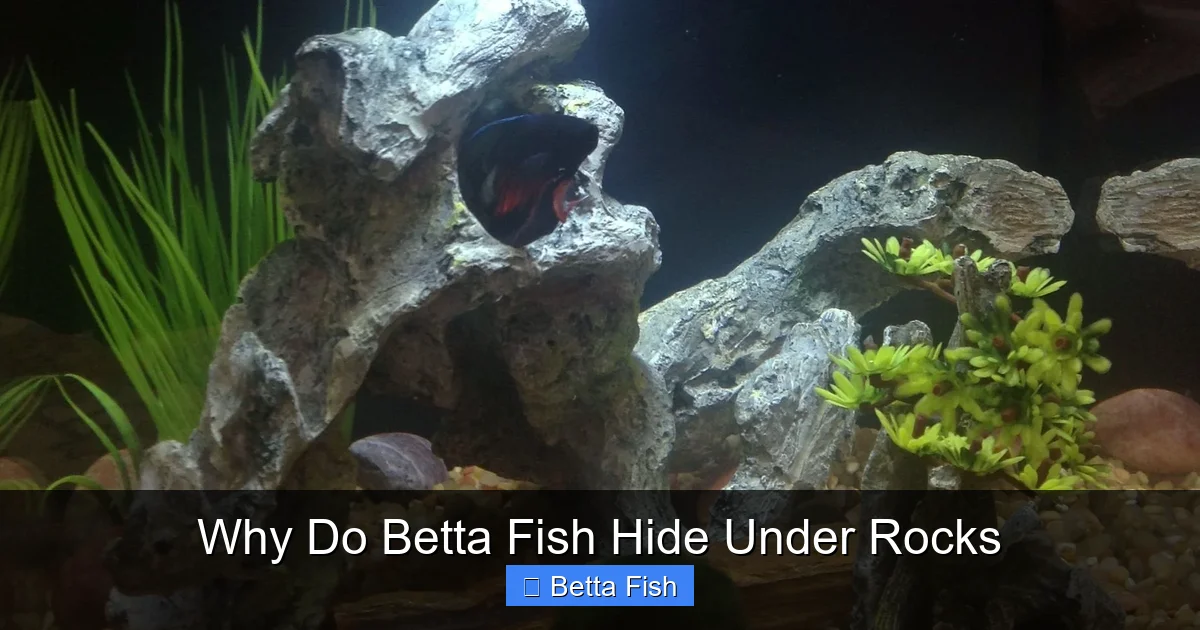
Visual guide about Why Do Betta Fish Hide Under Rocks
Image source: i.pinimg.com
1.2. Territorial behavior
Male bettas are famously territorial. When a new object is added to the tank, they often claim it as their own. A rock can become a personal “fort” where the fish feels it can defend its space from imagined intruders. This is closely related to why bettas flare their fins—they’re advertising ownership of a territory.
2. Stress Relief and Comfort
2.1. Reducing cortisol
Stress triggers the release of cortisol, a hormone that can suppress the immune system. When a betta finds a snug spot under a rock, it experiences a sense of security, which helps keep cortisol levels low. A calm betta is less likely to develop fin rot or become prone to disease.

Visual guide about Why Do Betta Fish Hide Under Rocks
Image source: theaquaadvisor.com
2.2. Temperature regulation
Rocks can retain heat from the aquarium heater, creating a slightly warmer micro‑environment. In cooler rooms, this can be a lifesaver for a tropical fish that prefers water around 78‑80°F (25‑27°C). Conversely, in an overheated tank a rock may feel cooler, offering a place to escape excess warmth.
3. When Hiding Signals a Problem
3.1. Poor water quality
Ammonia spikes, high nitrite, or low dissolved oxygen can make a betta feel unsafe. If you notice your fish spending most of its time under rocks, test the water. A sudden change often precedes a health issue. Learn how to detect early signs in How Do You Know If Your Betta Fish Is Dying.
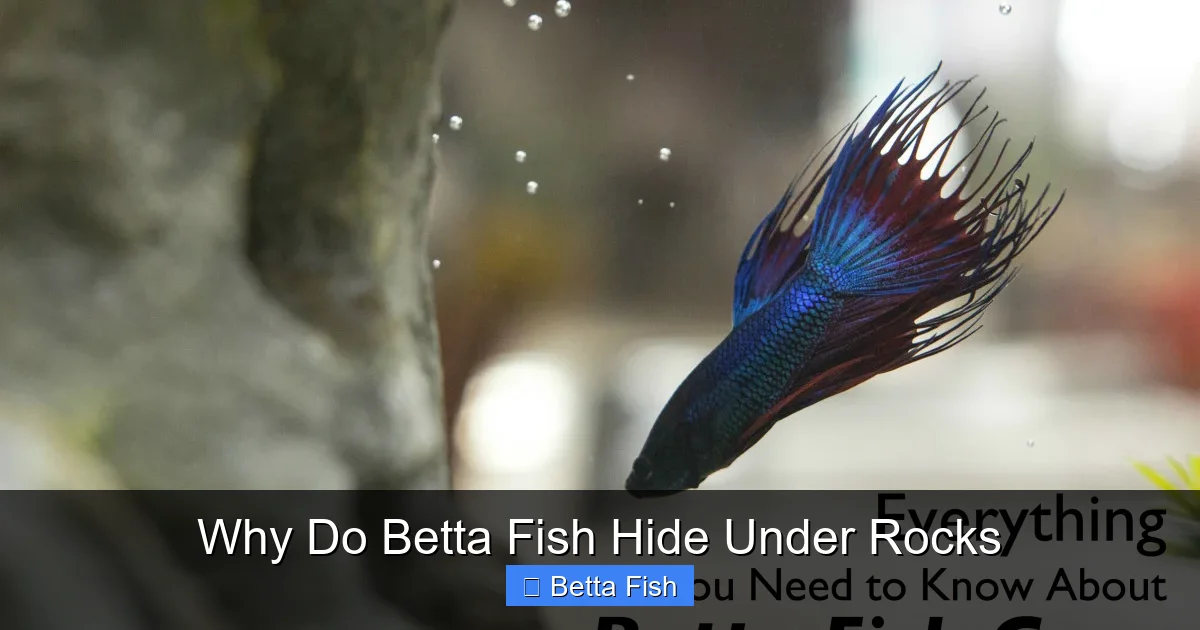
Visual guide about Why Do Betta Fish Hide Under Rocks
Image source: usercontent1.hubstatic.com
3.2. Illness or injury
Fish that are sick may hide more than usual. Look for additional symptoms: faded colors, frayed fins, or erratic swimming. If your betta’s colors are turning white or pale, read about Why Is My Betta Fish Turning White for possible causes.
3.3. Inadequate lighting
Bright, direct light can be stressful. Betta fish prefer dimmer areas with gentle illumination. If your tank’s light is too intense, the fish may retreat under a rock to escape glare.
4. Designing the Perfect Hiding Spot
4.1. Choosing the right rock
Not all rocks are created equal. Opt for smooth, aquarium‑safe stones that won’t chip or leach harmful substances. Slate, river rock, and polished lava rock are popular choices. Avoid sharp edges that could damage delicate fins.
4.2. Placement and arrangement
Place rocks near the bottom but not completely covering the substrate. A natural‑looking arrangement with a small “cave” opening works best. Leave enough space for water flow; stagnant corners can become breeding grounds for bacteria.
4.3. Adding plants and décor
Live plants such as Anubias or Java fern provide additional cover and improve water quality. They also create a more authentic environment, encouraging natural foraging behavior. Combine plants with rocks for a layered habitat that satisfies both hiding and exploring needs.
5. Feeding and Behavior While Hiding
5.1. Feeding near the rock
When you drop food into the tank, bettas often swim up to the surface to eat. However, a shy betta may stay under its rock. Use a small feeding cup or place food directly near the hiding spot to encourage eating. If your fish consistently refuses food, see Why Did My Betta Fish Stop Eating for troubleshooting tips.
5.2. Bubble nests and rocks
Male bettas build bubble nests at the water surface, but they may also use a rock as a base. If you notice a bubble cluster forming near a stone, it’s a sign the fish feels secure enough to start breeding behaviors. Learn more about bubble nests in Why Do Betta Fish Make Bubble Nests.
6. Monitoring and Adjusting Over Time
6.1. Regular observation
Spend a few minutes each day watching where your betta spends most of its time. A balanced schedule—some surface swimming, some hiding—indicates a happy fish. Sudden shifts may require water changes, temperature adjustments, or décor rearrangement.
6.2. Seasonal changes
During cooler months, bettas may hide more to conserve heat. Consider adding a small aquarium heater or insulating the tank’s sides. In summer, ensure the room isn’t too warm; a fan or a slightly cooler water temperature can prevent the fish from seeking the coolest rock corner all the time.
Conclusion: Embrace the Hide‑And‑Seek
Understanding why do betta fish hide under rocks unlocks a deeper connection with your aquatic companion. By providing safe, smooth rocks, maintaining pristine water, and observing subtle behavior changes, you create an environment where your betta can thrive. Remember, a hiding spot isn’t a problem—it’s a natural expression of instinct. Use it as a guide to fine‑tune your tank, and you’ll enjoy a vibrant, confident betta that flares its fins proudly instead of disappearing beneath the décor.
Frequently Asked Questions
Why does my betta only come out at night?
Betta fish are crepuscular, meaning they are most active during dawn and dusk. Low light levels at night can make them feel safer to explore.
Can too many rocks stress my betta?
Yes. Overcrowding the tank with rocks can restrict swimming space and reduce water flow, leading to stress and poor water quality.
Is it normal for a betta to hide after a tank cleaning?
Absolutely. The disturbance of cleaning can be stressful, so the fish often seeks a familiar hiding place until it feels settled again.
What type of rock should I avoid?
Avoid limestone or any rock that can alter pH dramatically. Sharp, porous stones can also harbor harmful bacteria.
How often should I rearrange décor?
Only when needed. Frequent changes can cause stress; aim for stability, moving items only if the betta shows signs of chronic hiding.
My betta hides and looks pale—what should I do?
Test the water for ammonia, nitrite, and pH. If parameters are off, perform a partial water change and monitor for improvement. If the pale color persists, consult a vet for possible disease.