How to Treat Betta Fish Ich
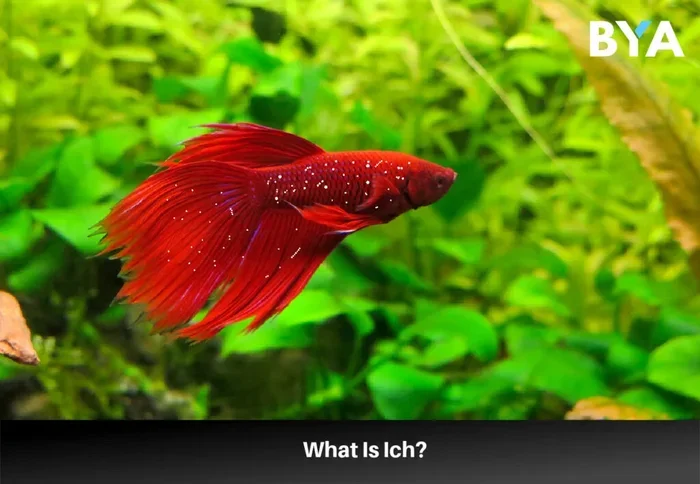
Betta fish ich is a common parasitic disease that causes white spots on your fish’s body and fins. Treating ich early with aquarium salt, raised water temperature, and proper medication can fully cure your betta within days. This guide covers every step from identifying symptoms to preventing future outbreaks.
Betta fish ich is one of the most common diseases freshwater fish owners face. If you have ever noticed tiny white spots on your betta’s fins or body, you have probably encountered this annoying parasite. The good news is that how to treat betta fish ich is straightforward once you know what you are dealing with. In this guide, we walk you through every step of identifying, treating, and preventing ich in your betta tank. You will learn proven methods that real fish keepers use every day to bring their bettas back to full health.
Whether you are a beginner or a seasoned aquarist, ich can sneak up on anyone. The white spot disease spreads fast in warm water and crowded tanks. But here is the thing, with the right approach, you can completely eliminate ich and keep your betta happy. We will cover symptoms, causes, treatment options, and prevention tips in detail. By the end of this article, you will feel confident handling an ich outbreak like a pro.
Key Takeaways
- White spots are the #1 sign: Ich shows up as tiny white dots on the body, fins, and gills of your betta.
- Raise the temperature: Warming the water to 78-80°F speeds up the ich life cycle and makes treatment more effective.
- Aquarium salt works wonders: A proper salt bath helps heal infected bettas without harming healthy fish.
- Act fast: The earlier you treat ich, the better the chance of a full recovery for your betta.
- Prevention is key: Quarantine new fish and maintain clean water to stop ich from ever returning.
- Stress makes ich worse: A stressed betta has a weaker immune system and catches ich more easily.
📑 Table of Contents
What Is Betta Fish Ich?
Ich, also known as white spot disease, is caused by a tiny parasite called Ichthyophthirius multifiliis. This parasite attaches itself to your betta’s skin, fins, and gills. It feeds on the fish’s cells and fluids, causing irritation and damage. The white spots you see are actually the parasite’s protective cysts. Each spot contains hundreds of new parasites ready to spread.
Betta fish ich thrives in stressed fish and poor water conditions. When your betta’s immune system is weak, the parasite takes hold quickly. Common triggers include sudden temperature drops, dirty water, and aggressive tank mates. Understanding what causes ich helps you treat it faster and prevent it from coming back.
How Ich Spreads in a Betta Tank
The ich parasite has a life cycle that makes it tricky to treat. The visible white spots are just the feeding stage. Underneath, the parasite reproduces and releases free-swimming larvae. These larvae look for a new host to attach to. Without a host, the larvae die within 48 hours. This fact is actually good news for treatment. By raising the water temperature, you speed up the life cycle and force the parasites out in the open where medication can reach them.
One important thing to remember is that ich is highly contagious. If you have other fish in the same tank, they will likely get infected too. To learn more about how ich spreads, check out our guide on can betta fish spread ich to tank mates. Quarantining new fish before adding them to your main tank is one of the best ways to stop the spread early.
Signs and Symptoms of Ich in Betta Fish
Catching ich early makes treatment much easier. Watch for these common signs every day during your tank check routine.
- White spots on the body: Tiny dots that look like grains of salt or sugar. They appear first on the fins and then spread to the body.
- Flashing or rubbing: Your betta may rub against rocks, gravel, or decorations. This is a sign of skin irritation from the parasite.
- Rapid breathing: Infected fish often breathe faster because the gills are affected by the parasite.
- Clamped fins: Fins held close to the body signal discomfort and stress.
- Loss of appetite: A betta with ich often stops eating or eats much less than usual.
- Lethargy: Your fish may hang near the bottom of the tank and show little interest in movement.
If you notice even one or two of these symptoms, start treatment right away. The longer you wait, the harder it becomes to cure. Treating betta fish ich early can save your fish from serious complications like secondary infections and fin rot.
What Causes Ich in Betta Fish?
Several factors contribute to ich outbreaks. Knowing the root causes helps you prevent future infections.
Poor Water Quality
Dirty water is the number one cause of ich in betta tanks. Ammonia and nitrite buildup weakens your fish’s immune system. When the water quality drops, parasites that are already present in the tank can flare up and cause infection. Regular water changes and proper filtration are essential for betta fish health.
Temperature Fluctuations
Bettas are tropical fish that need stable warm water. Sudden drops in temperature stress the fish and make them vulnerable to parasites. During winter months, room temperature changes can affect your tank. To keep your betta warm and healthy, consider using a reliable heater and follow tips from our guide on how to take care of betta fish in winter.
Stress and Overcrowding
Stressed fish get sick more easily. Overcrowded tanks create competition for space and food, which raises stress levels. Adding new fish without quarantine is a common mistake that introduces ich to an established tank. If your betta is already dealing with stress from another issue, treating the stress alongside ich gives the best results. Our article on how to treat a stressed betta fish covers this in detail.
Bringing in New Fish or Plants
New fish and even live plants can carry ich parasites into your tank. The parasites can hide on plants and decorations without showing symptoms. Always quarantine new arrivals for at least two weeks before adding them to your main display tank.
How to Treat Betta Fish Ich
Now that you know what ich looks like and what causes it, let’s get into the treatment methods. There are several proven approaches you can use at home. Most fish keepers combine two or three methods for the best results.
Method 1: Raise the Water Temperature
Raising the water temperature is one of the simplest and most effective ways to fight ich. The parasite’s life cycle speeds up in warmer water. At 78-80°F, the ich cysts break open faster, releasing the parasites into the water where they are exposed to medication and your betta’s immune response.
Increase the temperature gradually, no more than 2°F per day. A sudden temperature jump can shock your betta. Use a reliable aquarium thermometer to monitor the change. Keep the temperature at 80°F for about 10 to 14 days after all white spots disappear. This ensures all life stages of the parasite are eliminated.
Method 2: Aquarium Salt Treatment
Aquarium salt is a gentle and effective treatment for mild to moderate ich cases. Salt helps heal the fish’s damaged skin and creates a hostile environment for the parasite. It also reduces the stress on your betta’s gills.
For a betta salt bath, use pure aquarium salt, not table salt. Follow this simple process:
- Prepare a separate container with dechlorinated water at the same temperature as your tank.
- Add 1 teaspoon of aquarium salt per gallon of water.
- Place your betta in the salt bath for 10 to 15 minutes.
- Watch your fish closely during the bath. If it shows signs of distress, return it to the main tank immediately.
- Repeat the salt bath once daily for 5 to 7 days.
For detailed instructions on salt baths, you can read our complete guide on how to salt bath betta fish. Salt baths work well as a complementary treatment alongside medication.
Method 3: Medications
Commercial ich medications are widely available at pet stores and online. Look for products containing formalin, malachite green, or copper-based compounds. These active ingredients target the free-swimming stage of the parasite and are very effective.
When using medication, remove carbon filters first because carbon absorbs the medicine and reduces its effectiveness. Follow the dosage instructions on the product label carefully. Overdosing can harm your betta, especially in small tanks. Treat the entire tank, not just the infected fish, because ich is highly contagious.
Some medications can affect beneficial bacteria in your tank. Monitor your water parameters closely during treatment. If you are unsure which product to choose, ask for advice at your local fish store or consult our article on how to treat ich on a betta fish for more targeted guidance.
Comparison of Treatment Methods
| Treatment Method | Effectiveness | Ease of Use | Best For |
|---|---|---|---|
| Temperature Raise | High | Very Easy | Mild cases, prevention |
| Aquarium Salt Bath | Moderate to High | Easy | Mild to moderate cases |
| Medication | High | Moderate | Severe or stubborn cases |
| Combined Methods | Very High | Moderate | All cases, fastest results |
The most effective approach combines temperature increase with medication and salt baths. This multi-pronged strategy attacks the parasite at every stage of its life cycle and gives your betta the best chance of a full recovery.
Preventing Ich in Your Betta Tank
Prevention is always better than cure. Once you have successfully treated ich, you want to make sure it never comes back. Here are the best prevention strategies.
- Quarantine new fish: Keep new arrivals in a separate tank for at least two weeks. Watch for any signs of disease before introducing them to your main tank.
- Maintain clean water: Perform regular water changes of 25% every week. Test ammonia, nitrite, and nitrate levels frequently.
- Keep water temperature stable: Use a quality heater with a thermostat. Avoid placing your tank near windows or drafts where temperature can fluctuate.
- Reduce stress: Provide plenty of hiding spots and keep the tank peaceful. Avoid aggressive tank mates that could stress your betta.
- Feed a balanced diet: High-quality food boosts your betta’s immune system. Include variety with pellets, frozen foods, and live foods.
- Clean your tank regularly: Vacuum the gravel during water changes and trim any dead plant leaves. A clean environment prevents parasites from thriving.
Following these simple steps dramatically reduces the risk of ich and many other fish diseases. Clean water and low stress are the foundation of a healthy betta tank.
Common Mistakes to Avoid When Treating Ich
Even experienced fish keepers make mistakes when treating ich. Here are the most common ones and how to avoid them.
- Waiting too long to start treatment: Ich spreads fast. The moment you spot white dots, begin treatment immediately.
- Raising the temperature too quickly: A sudden temperature spike stresses your betta more than the ich itself. Always increase gradually.
- Using table salt instead of aquarium salt: Table salt contains additives like iodine and anti-caking agents that harm fish. Stick to pure aquarium salt.
- Skipping treatment after spots disappear: The white spots are just the visible stage. The parasite may still be present in the tank. Continue treatment for at least 10 days after all spots are gone.
- Not treating the whole tank: Ich affects all fish in the tank. Treating only the infected fish leaves parasites free to reinfect everyone else.
Avoiding these mistakes saves you time, money, and most importantly, your betta’s life. If you are currently dealing with a sick fish and need guidance on recovery, check out our article on how to make my betta fish healthy again for additional support.
Expert Insights on Betta Fish Ich
Veterinary fish specialists agree that early intervention is the single most important factor in curing ich. According to aquatic health experts, the combination of raised temperature and proper medication has a success rate of over 90% when started within the first few days of infection. The key is to act quickly and consistently.
Many experts also recommend boosting your betta’s immune system during treatment. Feed high-quality food and keep water parameters stable. A strong immune system gives your betta the best fighting chance against the parasite. Remember that ich is almost always present in aquariums at low levels. It only becomes a problem when conditions allow it to multiply and overwhelm your fish.
One final expert tip, always observe your betta daily. Spending just a few minutes watching your fish each morning helps you catch problems early. You will notice changes in behavior, appetite, and appearance before they become serious. This simple habit is the best defense against ich and many other fish diseases.
Conclusion
Treating betta fish ich is manageable when you know what to do. Start by identifying the white spots and other symptoms early. Raise the water temperature, use aquarium salt baths, and apply medication if needed. Combine these methods for the fastest and most effective results. Prevention through clean water, stable temperatures, and proper quarantine keeps ich from ever becoming a problem in your tank.
Your betta depends on you for its health and well-being. With the right knowledge and a little quick action, you can cure ich and keep your beautiful fish thriving for years to come. Stay vigilant, maintain your tank, and enjoy the rewarding experience of keeping a healthy, happy betta.
Frequently Asked Questions
How long does it take to cure ich in a betta fish?
With proper treatment, most bettas show improvement within 3 to 5 days. Complete recovery usually takes 10 to 14 days. Continue treatment for at least 10 days after all white spots disappear to ensure the parasite is fully eliminated.
Can ich kill a betta fish?
Yes, if left untreated, ich can be fatal. The parasite damages the gills and skin, making it hard for the fish to breathe and fight off secondary infections. Early treatment greatly improves the survival rate.
Is betta fish ich contagious to other fish?
Absolutely. Ich spreads rapidly in shared tanks. Infected fish release free-swimming parasites that attach to any fish in the same water. Quarantine and prompt treatment are essential to protect your other fish.
Can I use aquarium salt alone to treat ich?
Salt baths work well for mild cases of ich. However, for severe infections, combining salt with medication and temperature increase gives the best results. Salt alone may not fully eliminate a heavy parasite load.
What water temperature is best for treating ich?
Raise the water temperature to 78-80°F. This speeds up the ich life cycle and makes the parasite more vulnerable to medication. Always increase the temperature gradually to avoid stressing your betta.
How can I prevent ich from coming back?
Maintain clean water through regular changes, keep the temperature stable, quarantine new fish before adding them to your tank, and reduce stress. A healthy environment with strong water quality is your best defense against future ich outbreaks.