Are Betta Fish Surface Breathers
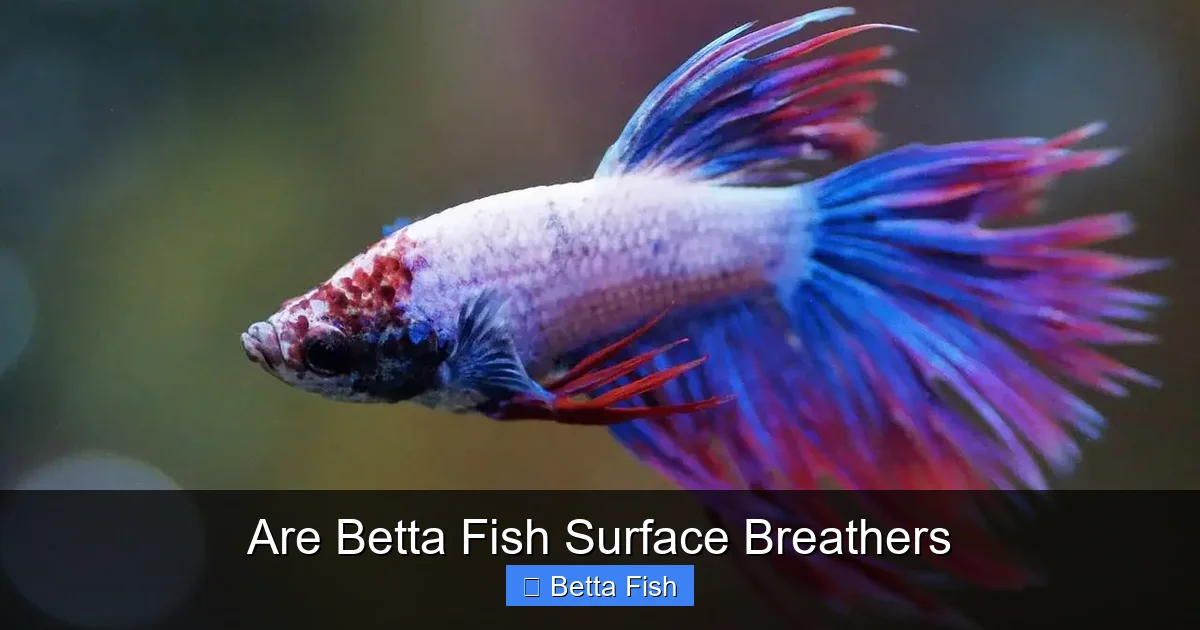
Betta fish are indeed surface breathers, thanks to a special organ called the labyrinth that lets them gulp air directly from the water’s surface. Providing a calm, oxygen‑rich surface and proper tank setup ensures they stay vibrant and thriving.
Key Takeaways
- Labyrinth organ: Betta fish have a unique breathing organ that lets them breathe air at the surface.
- Surface access is essential: Without a calm surface, bettas can become stressed or sick.
- Tank size matters: A 5‑gal (or larger) tank gives enough surface area for comfortable breathing.
- Water conditions: Warm, slightly acidic water (76‑80°F, pH 6.5‑7.5) supports both gill and labyrinth function.
- Signs of trouble: Rapid gulping, gasping, or floating upside down signal poor oxygen or disease.
- Maintenance tips: Gentle filtration, regular water changes, and a lid with a small opening keep the surface calm.
- Compatibility: Knowing that bettas are surface breathers helps you choose tank mates that won’t disturb the water surface.
📑 Table of Contents
- Introduction: Why the Surface Matters for Betta Fish
- 1. The Labyrinth Organ: Nature’s Built‑In Air Pump
- 2. Creating the Ideal Surface for Your Betta
- 3. Spotting Normal vs. Problematic Gulping
- 4. How Surface Breathing Affects Tank Mates
- 5. Maintenance Practices That Support Surface Breathing
- 6. Common Myths About Betta Breathing
- Conclusion: Give Your Betta the Air It Deserves
Introduction: Why the Surface Matters for Betta Fish
When you first meet a betta (also called a Siamese fighting fish), its bright fins and bold personality steal the show. But there’s a hidden secret that most hobbyists discover only after a few weeks of observation: bettas love to pop up to the water’s surface and gulp air. This behavior isn’t a quirky habit—it’s a survival skill built into their biology.
In this article we’ll answer the question “are betta fish surface breathers?” and then dive deep (pun intended) into what that means for tank setup, daily care, and overall health. By the end, you’ll feel confident that your betta has the perfect environment to breathe easy and show off its spectacular colors.
1. The Labyrinth Organ: Nature’s Built‑In Air Pump
What is the labyrinth organ?
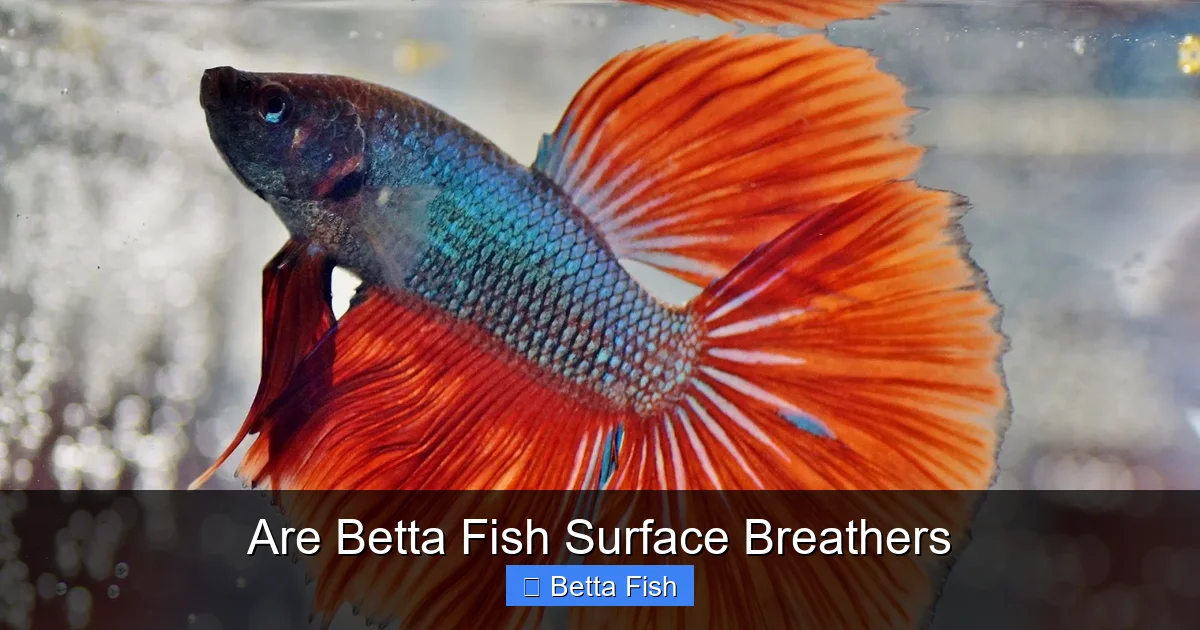
The labyrinth organ is a flap‑like structure located just above the gills. It’s made of a maze of thin, vascularized tissue that extracts oxygen from air bubbles. When a betta surfaces and gulps, the organ captures the oxygen and transfers it to the bloodstream.
Visual guide about Are Betta Fish Surface Breathers
Image source: lh5.googleusercontent.com
How does it differ from regular fish gills?
Most fish rely solely on gills to pull dissolved oxygen from water. Betta gills work the same way, but the labyrinth gives them a backup. This dual‑respiration system is why bettas can thrive in low‑oxygen environments like rice paddies, their natural habitat in Southeast Asia.
Why does this matter for the home aquarium?
If you keep a betta in a tank with poor surface agitation, the fish will spend more time gulping, which can lead to stress and even damage the labyrinth. A calm, undisturbed surface ensures the fish gets just enough air without overworking the organ.
2. Creating the Ideal Surface for Your Betta
Tank size and shape
While bettas are often sold in tiny bowls, research shows they thrive best in at least a 5‑gallon tank. A larger water volume provides a bigger surface area, making it easier for the fish to access air without competition from currents.

Visual guide about Are Betta Fish Surface Breathers
Image source: diyseattle.com
Gentle water movement
Strong filters or aggressive powerheads can create ripples that break the surface tension, making it harder for the betta to gulp. Choose a sponge filter or a low‑flow hang‑on‑back (HOB) filter. Position the outlet so that water flows along the tank sides, not directly at the surface.
Cover and ventilation
A tight‑fitting lid keeps curious cats and kids out, but it should have a small opening or a mesh vent to let fresh air in. Without this, the surface can become stagnant, and your betta will gulp more often—an early sign of low oxygen.
Temperature and pH
Warm water holds less dissolved oxygen, which is why the labyrinth organ is so important for bettas. Keep the temperature between 76‑80°F (24‑27°C) and maintain a pH of 6.5‑7.5. Regular water changes (about 25% weekly) keep the water fresh and oxygen‑rich.
3. Spotting Normal vs. Problematic Gulping
Healthy surface breathing
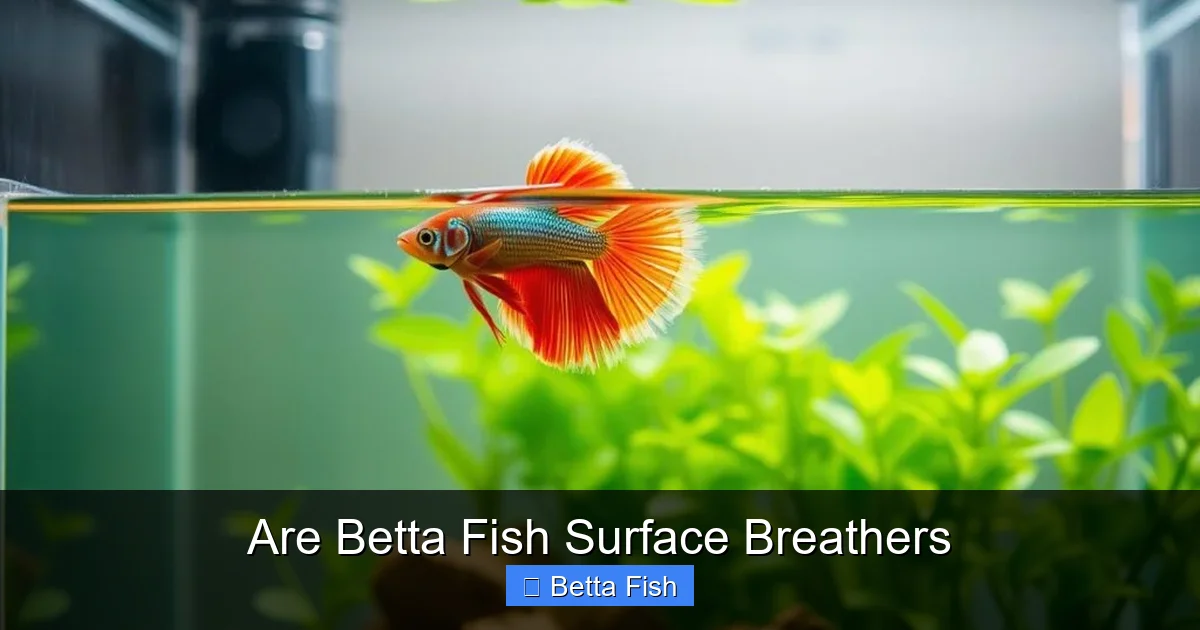
A healthy betta will surface gently every few minutes, take a quick breath, and dive back down. This is normal and shows the labyrinth is working well.
Visual guide about Are Betta Fish Surface Breathers
Image source: koibettafish.com
Signs of distress
- Rapid, frantic gulping – may indicate low oxygen or a clogged labyrinth.
- Floating upside down or “swimming on its side” – a red flag for swim bladder issues, often linked to poor water quality.
- Gasping at the surface for long periods – could be a sign of disease such as bacterial infection.
What to do if you notice problems
First, check water parameters. If ammonia or nitrite is present, perform an immediate water change. Next, reduce surface agitation and ensure the tank cover has ventilation. If the fish continues to gasp, consider a short‑term treatment with a water conditioner that supports gill health, and consult a vet if symptoms persist.
4. How Surface Breathing Affects Tank Mates
Choosing compatible companions
Because bettas need a calm surface, they don’t get along well with fast‑moving fish that create a lot of surface disturbance. Species like neon tetras or small rasboras can be okay if the tank is large enough and the flow is gentle.
Avoiding aggressive or surface‑disrupting fish
Barbs, gouramis, or any fish that like to “bubbly” at the top will stress your betta and make it gasp more. Remember, the more the surface is broken, the harder the betta has to work.
Link to related reading
For a deeper look at how bettas behave at different times of day, see our article on are betta fish nocturnal. Understanding their activity patterns helps you schedule feeding and tank maintenance when the surface is calm.
5. Maintenance Practices That Support Surface Breathing
Regular water changes
Changing 20‑30% of the water each week removes waste and replenishes dissolved oxygen. Use a water conditioner to neutralize chlorine and chloramines.
Cleaning the surface
Algae or film can form on the water’s top layer, reducing oxygen exchange. Gently wipe the surface with a soft cloth during water changes.
Adding live plants
Plants like Anubias, Java fern, and Hornwort produce oxygen during photosynthesis, especially in the early morning. They also provide hiding spots, reducing stress.
Optional aeration tools
If you live in a warm climate where water temperature often spikes, a low‑flow air stone can add a thin layer of micro‑bubbles without breaking the surface too much. Place it near the tank’s back corner to keep the central surface calm.
6. Common Myths About Betta Breathing
Myth: Betta fish can survive forever without water
False. While the labyrinth organ lets bettas breathe air, they still need water for osmoregulation, waste removal, and temperature control.
Myth: Bigger bubbles mean healthier fish
Not necessarily. Large, turbulent bubbles can stress the fish and damage the labyrinth. Small, steady bubbles are better.
Myth: All surface‑breathing fish act the same
Each species has its own tolerance. Betta’s labyrinth is highly efficient, but they still benefit from a calm surface more than many other labyrinth fish.
Conclusion: Give Your Betta the Air It Deserves
So, are betta fish surface breathers? Absolutely—thanks to their labyrinth organ, they need a peaceful surface to gulp air regularly. By providing a spacious tank, gentle filtration, proper temperature, and a clean, calm water surface, you’ll keep your betta breathing easy and displaying those dazzling colors for years to come.
Remember, a happy betta is a healthy betta. Keep an eye on its breathing patterns, maintain water quality, and you’ll enjoy a vibrant companion that truly thrives on the surface.
Frequently Asked Questions
Do betta fish need a lid if they are surface breathers?
Yes, a lid prevents the fish from jumping out, but it should have a small vent to allow fresh air to reach the surface.
Can bettas survive in a tank without a filter?
They can survive short‑term, but without filtration waste builds up quickly, reducing oxygen and stressing the labyrinth organ.
How often should I change the water for a surface‑breathing betta?
Changing 20‑30% of the water weekly keeps oxygen levels high and supports both gill and labyrinth function.
Is it normal for my betta to surface every few minutes?
Yes, occasional surface gulping is normal. Frequent, frantic gulping may indicate low oxygen or illness.
Do live plants help betta fish breathe?
Live plants release oxygen during photosynthesis, improving overall water quality and helping the betta’s gills and labyrinth.
Can I keep other fish with a surface‑breathing betta?
Only gentle, non‑aggressive species that won’t disturb the surface are suitable companions.