Why Do Betta Fish Have to Be Alone
Betta fish are naturally territorial and aggressive, which is why do betta fish have to be alone in most home aquariums. Keeping them solo prevents fights, stress, and health problems, while still allowing you to create a beautiful, thriving environment for your finned friend.
Key Takeaways
- Territorial instinct: Betta males guard a small area and will attack intruders, making solo housing essential.
- Stress reduction: Isolation lowers cortisol levels, leading to brighter colors and better overall health.
- Tank size matters: Even alone, bettas need at least a 5‑gallon tank with proper filtration and heating.
- Female bettas differ: Females are less aggressive but still benefit from a peaceful, single‑fish setup.
- Enrichment options: Live plants, caves, and gentle water flow keep a solitary betta mentally stimulated.
- When to consider companions: Some peaceful species can coexist if the tank is large and heavily planted.
- Regular care: Frequent water changes, stable temperature, and a balanced diet are key to a happy lone betta.
📑 Table of Contents
- Introduction: The Lonely Beauty of Betta Fish
- 1. The Evolutionary Roots of Betta Solitude
- 2. Biological Reasons Behind Solo Living
- 3. Setting Up the Perfect Solo Tank
- 4. Common Misconceptions and FAQs
- 5. Enrichment: Keeping a Solo Betta Happy
- 6. When (and How) to Introduce Tank‑Mates Safely
- Conclusion: Embracing the Solo Life
Introduction: The Lonely Beauty of Betta Fish
When you first see a betta fish, its dazzling fins and vivid colors can feel like a living work of art. Many new owners wonder, “why do betta fish have to be alone?” The answer lies in the fish’s wild ancestry, biology, and behavior. In the rice paddies and shallow streams of Southeast Asia, male bettas defended tiny territories against rivals. That fierce territorial instinct has traveled with them into our homes.
In this article we’ll explore the science behind the solitary nature of bettas, how to set up the perfect solo tank, and what you can do to keep a lone betta thriving. We’ll also address common myths, discuss safe tank‑mates for the occasional community setup, and give practical tips you can start using today.
1. The Evolutionary Roots of Betta Solitude
1.1. Wild habitats and territorial behavior
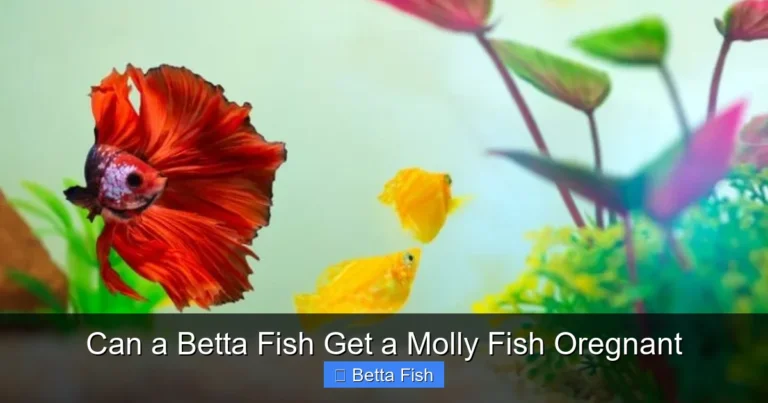
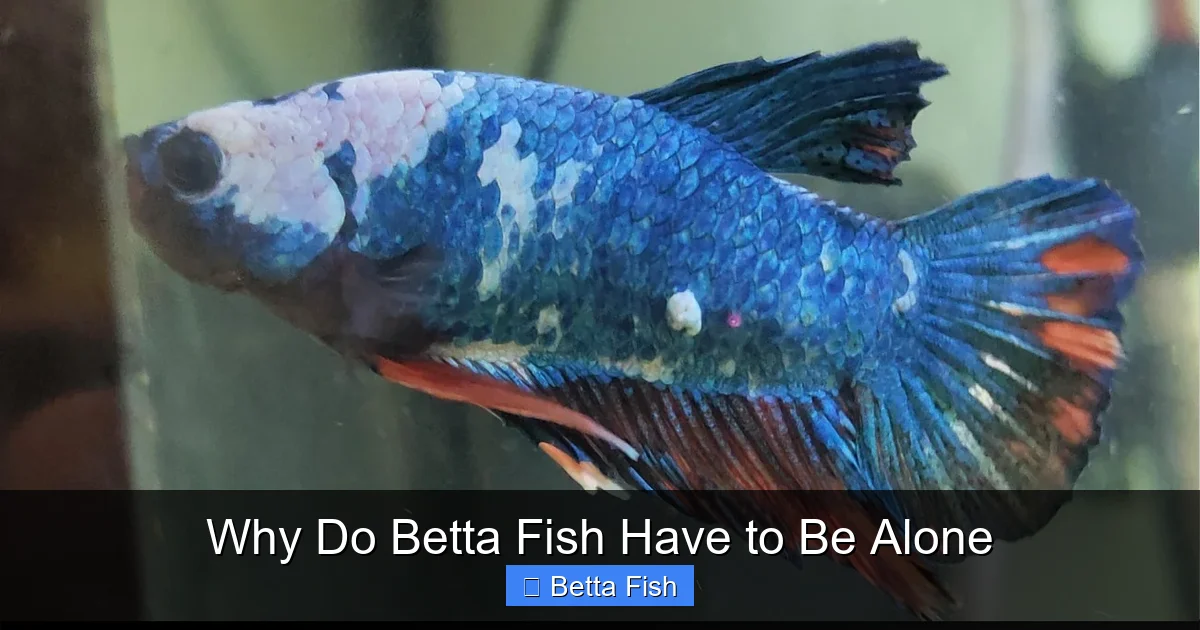
In the wild, betta fish (Betta splendens) live in shallow, stagnant waters that are often crowded with vegetation. Males claim a small patch of water, usually around a few square inches, and fiercely guard it from other males. This behavior ensures they have a safe place to build bubble nests and attract a mate. The need to protect a limited space is why why do betta fish have to be alone becomes a practical question for aquarium hobbyists.

Visual guide about Why Do Betta Fish Have to Be Alone
Image source: fishkeepingacademy.com
1.2. Aggression as a survival tool
A male’s aggression isn’t just a personality quirk; it’s a survival tool. By driving away competitors, a betta secures food and breeding opportunities. In a confined aquarium, that same instinct can trigger constant fighting, torn fins, and even death. Understanding this evolutionary background helps us respect the fish’s need for personal space.
2. Biological Reasons Behind Solo Living
2.1. Hormones and the fight‑or‑flight response
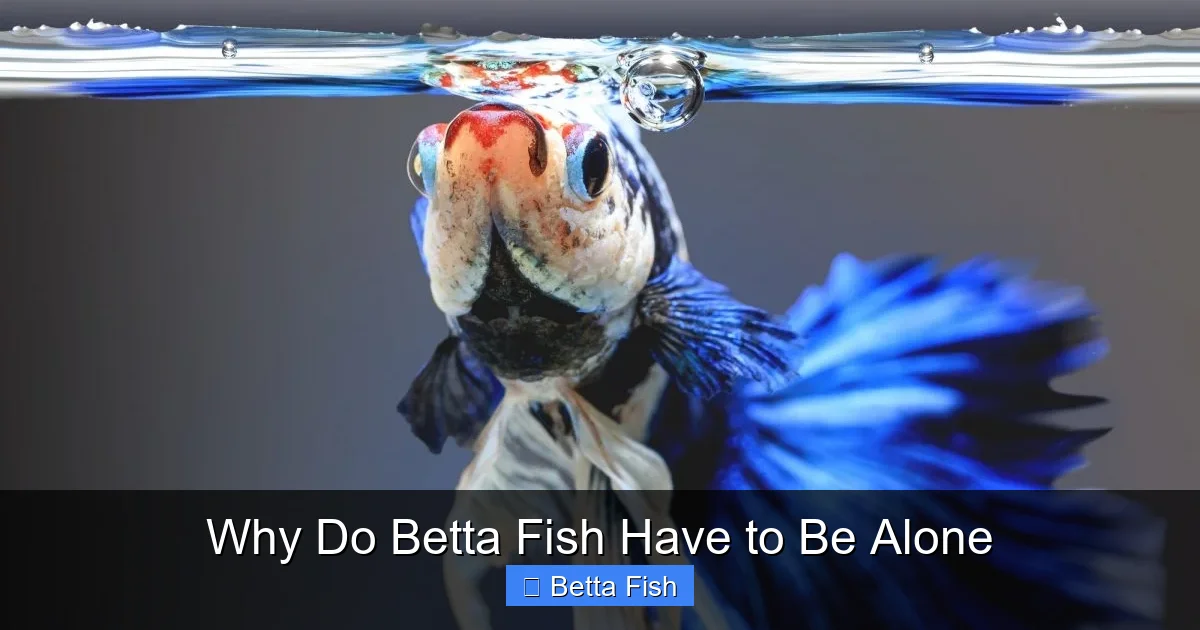
Betta fish produce high levels of testosterone, especially males, which fuels their territorial aggression. When another fish enters their visual field, the betta’s brain releases cortisol, a stress hormone. Prolonged cortisol spikes cause faded colors, weakened immune systems, and susceptibility to disease. Keeping a betta alone eliminates the trigger and keeps hormone levels balanced.
Visual guide about Why Do Betta Fish Have to Be Alone
Image source: bettafish.org
2.2. Physical traits that promote aggression
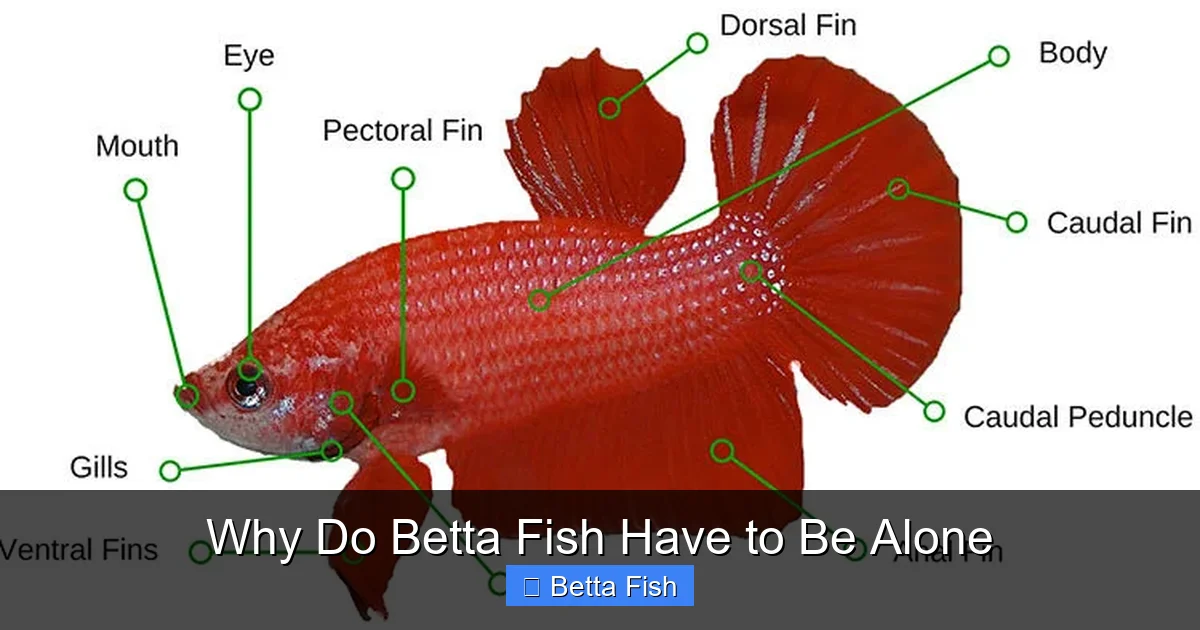
The long, flowing fins that make bettas look elegant are also weapons. In a fight, a betta will flare its gills, spread its fins, and display bright colors to intimidate rivals. If a second fish gets too close, the betta may bite or slash with its pectoral fins, causing serious injury. This is why why do betta fish have to be alone is a safety concern.
2.3. Gender differences
Male bettas are the classic “fighting” bettas, but females can be aggressive too, especially when housed with other females. Female bettas are less flamboyant but may still display dominance hierarchies. For most hobbyists, a single female is still the safest route, though a small “sorority” can work in a heavily planted, spacious tank if monitored closely.
3. Setting Up the Perfect Solo Tank
3.1. Minimum tank size
Although many people keep bettas in tiny bowls, science shows that a 5‑gallon tank is the minimum for a healthy, active fish. Larger water volume dilutes toxins, stabilizes temperature, and provides room for enrichment. For a truly solitary setup, aim for 10 gallons if space allows.
Visual guide about Why Do Betta Fish Have to Be Alone
Image source: buildyouraquarium.com
3.2. Filtration and heating
Betta fish thrive in water that stays between 76°F and 82°F (24‑28°C). A gentle, adjustable filter keeps the water clear without creating strong currents that can stress the fish’s delicate fins. A reliable heater with a thermostat is essential; temperature swings can trigger aggression and illness.
3.3. Decorating for a lone betta
- Live plants: Java fern, Anubias, and Marimo moss provide hiding spots and improve water quality.
- Caves and driftwood: These give the betta a place to rest and feel secure.
- Soft substrate: Fine sand or smooth gravel prevents damage to the betta’s ventral side.
When you’re wondering how to set up a betta fish tank, think of it as creating a mini‑rainforest pond where the fish can explore without feeling threatened.
3.4. Water parameters
Maintain a pH between 6.5 and 7.5, and perform weekly 25‑30% water changes. For a step‑by‑step guide, see how to do a water change for betta fish. Consistency is key; sudden changes can increase stress and make you ask again, “why do betta fish have to be alone?”
4. Common Misconceptions and FAQs
4.1. “Betta fish are always aggressive”
While males are naturally territorial, not every betta will fight constantly. Some are calmer, especially if raised in a community tank from a young age. However, the risk remains high enough that most experts advise solitary housing.
4.2. “A larger tank means they can live together”
A bigger tank reduces, but does not eliminate, aggression. Even in a 20‑gallon setup, a male betta may still flare at any other fish that resembles a rival. If you want companions, look for very peaceful, bottom‑dwelling species and keep dense plant cover. For a deeper dive, read why can’t betta fish be with other fish.
4.3. “Female bettas can live together safely”
Females can form a “sorority” of 4‑6 individuals if the tank is at least 20 gallons, heavily planted, and monitored for bullying. Still, the safest bet is a single female, especially for beginners.
5. Enrichment: Keeping a Solo Betta Happy
5.1. Interactive toys and training
Betta fish are intelligent and can learn simple tricks, such as swimming through hoops or following a finger. Use a soft, non‑toxic lure and reward with a tiny treat. Training provides mental stimulation and strengthens your bond.
5.2. Changing the environment
Rotate plants, rearrange decorations, or add a new leaf driftwood every few weeks. This mimics natural changes in the wild and keeps the betta curious.
5.3. Feeding variety
Offer a mix of high‑quality pellets, frozen bloodworms, and occasional daphnia. Variety prevents boredom and ensures a balanced diet. Over‑feeding can cloud water, so feed only what the fish can eat in two minutes.
6. When (and How) to Introduce Tank‑Mates Safely
6.1. Choosing compatible species
If you decide to try a community tank, pick tiny, non‑aggressive fish that stay near the bottom, such as neon tetras, corydoras catfish, or small rasboras. Avoid bright, long‑fin species that may trigger a betta’s territorial response.
6.2. Preparing the tank
Set up a heavily planted aquarium with plenty of hiding spots. Use a divider during the initial introduction period to let the betta see the new fish without direct contact.
6.3. Monitoring and adjusting
Watch for signs of stress: flaring, rapid breathing, or faded colors. If aggression occurs, be ready to remove the betta or the newcomers. Remember, the primary reason why do betta fish have to be alone is to avoid these stressful encounters.
Conclusion: Embracing the Solo Life
Understanding why do betta fish have to be alone is not about limiting your hobby—it’s about giving these beautiful fish the best chance to live a long, colorful life. By providing a properly sized tank, stable water conditions, and enriching décor, you create a sanctuary where a solitary betta can flourish. Whether you choose to keep just one male, a single female, or a carefully curated community, the key is respect for the betta’s natural instincts. Treat your betta like a prized guest, and you’ll be rewarded with endless displays of fin‑flicking beauty.
Frequently Asked Questions
Why do betta fish fight each other?
Betta fish fight because males defend small territories and display aggression to protect breeding rights. The bright colors and flaring are warning signals that can quickly turn into a clash.
Can female bettas live together?
Yes, a group of females (a sorority) can live together in a large, heavily planted tank, but they may still establish a pecking order. Monitoring is essential to prevent bullying.
Is a 2‑gallon bowl enough for a betta?
While bettas can survive in a 2‑gallon bowl, it’s not ideal. Small volumes make water quality fluctuate quickly, leading to stress. A minimum of 5 gallons is recommended for health and longevity.
How often should I change my betta’s water?
Perform a 25‑30% water change once a week. This helps keep ammonia and nitrite levels low, reduces stress, and supports vibrant coloration.
What temperature should betta water be?
Betta fish thrive in water that stays between 76°F and 82°F (24‑28°C). Use a reliable heater with a thermostat to maintain a stable temperature.
Can I keep snails or shrimp with my betta?
Snails and certain shrimp can be kept with a betta if the tank is well‑planted and the betta shows no aggression toward them. Always observe the betta’s behavior during the first few days.