Why Do Betta Fish Die All of a Sudden
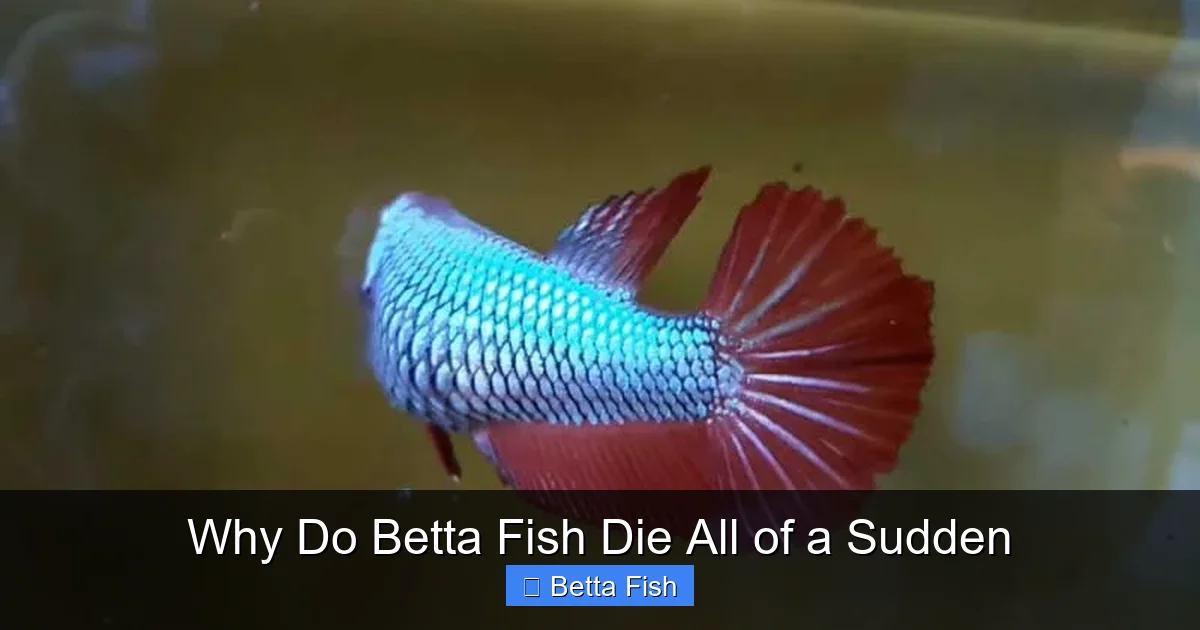
Betta fish can die suddenly from a handful of common mistakes—poor water quality, over‑feeding, disease, and stress. This guide breaks down each cause, shows how to spot warning signs, and gives simple, actionable tips to protect your betta and enjoy a long, vibrant life together.
Key Takeaways
- Water quality is king: Bad ammonia, nitrite, or wrong temperature can kill a betta in hours.
- Over‑feeding harms the gut: Too much food clogs the digestive tract and pollutes the tank.
- Stress triggers illness: Small tanks, bright lights, and aggressive tank mates stress bettas and open the door to disease.
- Spot early signs: Faded colors, ragged fins, and odd swimming patterns are clues your betta is in trouble.
- Regular maintenance saves lives: Weekly water changes, proper filtration, and temperature checks prevent most sudden deaths.
- Know the common diseases: Velvet, fin rot, and ich can appear fast; early treatment is essential.
- Prevention beats cure: Setting up the right environment from day one reduces the risk of a sudden loss dramatically.
📑 Table of Contents
- Introduction: When a Betta Suddenly Stops Moving
- 1. Water Quality Issues – The Silent Killer
- 2. Over‑Feeding and Poor Nutrition
- 3. Disease Outbreaks – When Illness Strikes Quickly
- 4. Stress Factors – The Hidden Stressors That Kill
- 5. Equipment Failures – When Gear Lets You Down
- 6. Practical Checklist – Prevent Sudden Death Every Day
- Conclusion: Turn Tragedy Into Triumph
Introduction: When a Betta Suddenly Stops Moving
Imagine you’re checking on your bright‑red betta after a busy day. He’s usually swimming proudly, flaring his fins at his reflection, but today he’s just floating at the surface, color faded, and not responding. It feels like a punch to the gut, especially when you’ve done everything “right.”
Sudden death is one of the most heartbreaking experiences for betta owners, and it often feels like the fish vanished without warning. The truth is, most of these tragedies have clear, preventable causes. In this article we’ll walk through the most common reasons why betta fish die all of a sudden, how to recognize the warning signs before it’s too late, and what you can do right now to protect your finned companion.
1. Water Quality Issues – The Silent Killer
1.1. Ammonia, Nitrite, and Nitrate Buildup
Betta fish are especially sensitive to toxic nitrogen compounds. In a new tank, the nitrogen cycle can take 4‑6 weeks to stabilize. Until then, even a tiny spike in ammonia (>0.25 ppm) can cause gill damage and rapid death.

Visual guide about Why Do Betta Fish Die All of a Sudden
Image source: japanesefightingfish.org
**Tip:** Test your water twice a week with a liquid test kit. If ammonia or nitrite reads above 0 ppm, perform a 25‑30 % water change immediately.
1.2. Wrong Temperature
Betas thrive at 78‑80 °F (25‑27 °C). A sudden drop below 74 °F or a rise above 84 °F stresses the immune system, making disease more likely.
**Tip:** Use a reliable submersible heater with an adjustable thermostat and a small aquarium thermometer to monitor the temperature daily.
1.3. pH and Hardness Fluctuations
While bettas tolerate a pH range of 6.5‑7.5, rapid swings can shock their system. Hard water (high GH) can also cause scale deposits on gills.
**Tip:** Keep pH changes under 0.2 units per week. If you need to adjust, use a natural buffer like crushed peat or a commercial pH stabilizer.
1.4. How to Fix Water Problems Fast
- Do a 30‑50 % water change with conditioned, temperature‑matched water.
- Check the heater and replace if it’s malfunctioning.
- Use a small, low‑flow filter designed for betta tanks to keep ammonia low without creating a strong current.
2. Over‑Feeding and Poor Nutrition
2.1. Why Over‑Feeding Is Dangerous
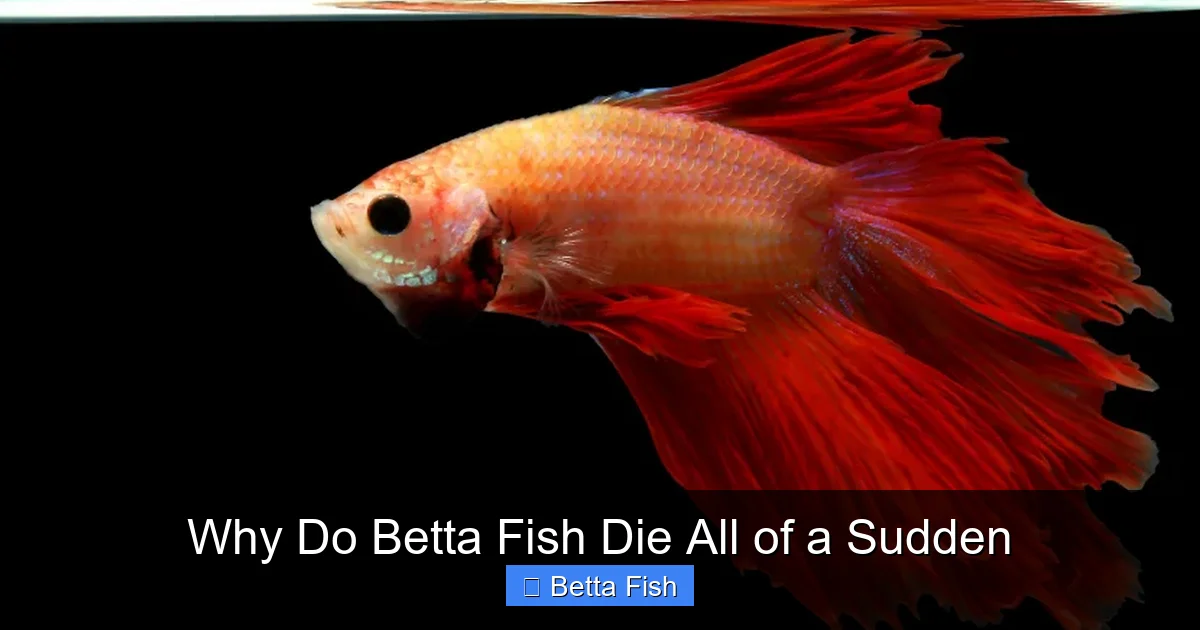
Betta fish have tiny stomachs—about the size of a pea. Feeding more than they can eat in two minutes leads to uneaten food sinking to the bottom, decomposing, and raising ammonia levels.
Visual guide about Why Do Betta Fish Die All of a Sudden
Image source: japanesefightingfish.org
2.2. Signs of Over‑Feeding
- Bloated abdomen or a “puffy” appearance.
- White, stringy feces that linger in the water.
- Frequent floating at the surface after meals.
2.3. Proper Feeding Routine
Offer high‑quality betta pellets or frozen bloodworms once or twice a day, only what your fish can consume in 2‑3 minutes. A good rule is 2‑4 pellets per feeding for most adults.
**Tip:** Use a feeding ring to keep food in one spot, making it easier to see leftovers.
2.4. Nutritional Boosts
Occasional treats like brine shrimp or daphnia provide essential proteins and can improve coloration. However, they should never replace a balanced staple diet.
3. Disease Outbreaks – When Illness Strikes Quickly
3.1. Common Rapid‑Kill Diseases
- Velvet (Oodinium): A gold‑dust coating that appears within days of a temperature spike.
- Fin Rot: Starts as ragged edges, spreads fast if water is dirty.
- Ich (White Spot Disease): White pin‑point spots that can be fatal within a week if untreated.
3.2. Early Detection
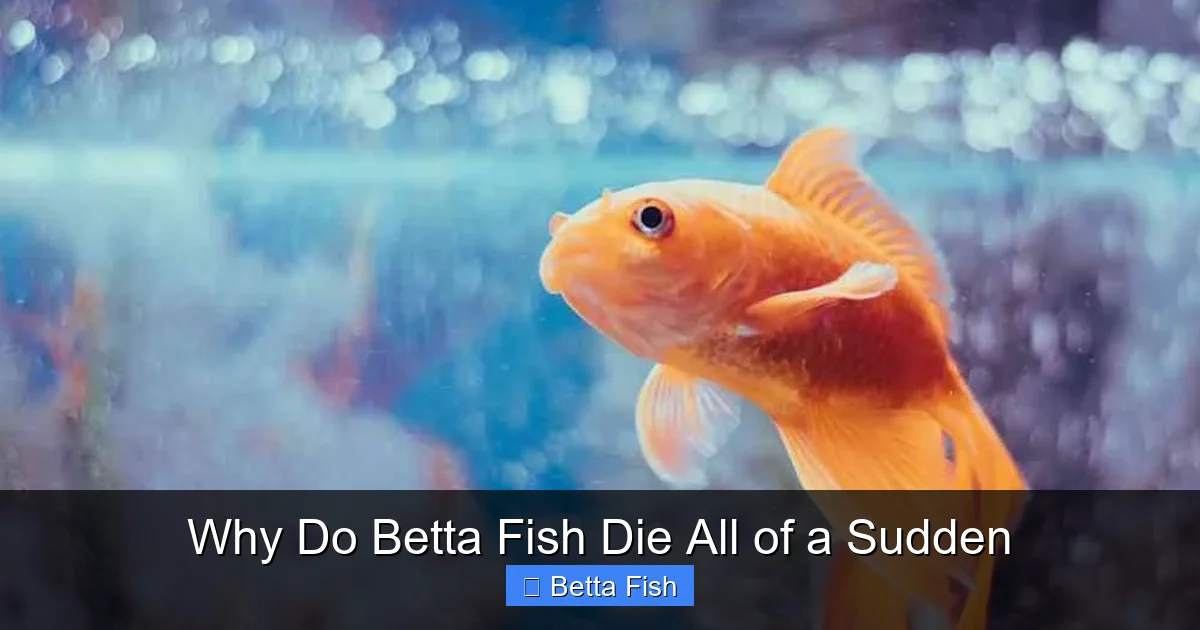
Look for loss of color, frayed fins, clamped gill covers, or unusual swimming (e.g., sinking to the bottom, swimming upside down). These are red flags that a disease may be developing.
Visual guide about Why Do Betta Fish Die All of a Sudden
Image source: bettafishnest.com
3.3. Quick Treatment Steps
- Increase water temperature by 2‑3 °F to speed up the parasite’s life cycle.
- Perform a 50 % water change with fresh, dechlorinated water.
- Add a betta‑safe medication: copper‑based for velvet, antibacterial for fin rot, or malachite green for ich (follow label dosage).
- Reduce feeding for 2‑3 days while the fish recovers.
3.4. Preventive Health Care
Quarantining new fish for at least two weeks before introducing them to your betta’s tank can stop disease spread. Also, keep the tank clean and avoid over‑crowding.
4. Stress Factors – The Hidden Stressors That Kill
4.1. Tank Size and Layout
Many beginners keep bettas in tiny bowls. While bettas can survive in small containers, a 5‑gal tank gives them room to swim and dilutes waste, dramatically lowering stress.
Read more about the ideal space in our guide on how big of a tank do betta fish need.
4.2. Light and Noise
Bright, constant lighting can stress bettas. Aim for 8‑10 hours of subdued light per day and provide hiding places like live plants or silk decorations.
4.3. Aggressive Tank Mates
Betas are territorial. Even peaceful species like neon tetras can trigger fights if the tank is too small. If you must keep other fish, choose large, fast‑swimming species and keep the tank at least 10 gallons.
4.4. Handling and Acclimation Errors
Sudden temperature shocks when moving a betta from store water to home water can be fatal. Always float the bag for 15‑20 minutes, then gradually add tank water to the bag before release.
5. Equipment Failures – When Gear Lets You Down
5.1. Heater Malfunctions
A heater that stops working will drop the temperature fast, especially in cooler rooms. Use a heater with an automatic shut‑off and a backup thermostat.
5.2. Filter Clogs
Even low‑flow filters can become clogged with debris, reducing water circulation and oxygen levels. Clean the filter media monthly, but never replace all media at once to preserve beneficial bacteria.
5.3. Power Outages
During a power cut, temperature can dip quickly. Keep a battery‑operated heater or a insulated blanket for the tank if you live in an area with frequent outages.
6. Practical Checklist – Prevent Sudden Death Every Day
6.1. Daily Quick Look
- Check that the fish is swimming normally.
- Inspect fins for ragged edges.
- Observe color – any fading may signal stress.
- Make sure the water surface is calm, not overly bubbly.
6.2. Weekly Maintenance
- Test ammonia, nitrite, nitrate, and pH.
- Perform a 25‑30 % water change with conditioned water.
- Trim any dead plant leaves to prevent decay.
- Clean the filter media gently in tank water.
6.3. Monthly Deep Dive
- Replace 10‑20 % of the filter media.
- Check heater and thermometer for accuracy.
- Re‑evaluate tank mates and décor for potential stressors.
6.4. Emergency Actions
If you notice any of the following, act fast:
- Sudden loss of color or floating upside down – test water and do a 50 % change.
- Rapid breathing or gasping at the surface – raise temperature by 2 °F and add aquarium salt (1 g per 5 gal).
- Visible white spots – start ich treatment immediately.
Conclusion: Turn Tragedy Into Triumph
Betta fish are resilient, but they rely on us to provide a stable, clean, and low‑stress environment. Most sudden deaths stem from a handful of avoidable errors: poor water quality, over‑feeding, disease, stress, or equipment failure. By monitoring water parameters, feeding wisely, spotting early signs of illness, and keeping the tank conditions optimal, you can dramatically increase your betta’s chances of a long, vibrant life.
Remember, a happy betta is a sign of a well‑maintained tank. Keep the checklist handy, test the water regularly, and never hesitate to act when something looks off. With a little diligence, the heartbreaking “why did my betta die all of a sudden?” question will become a thing of the past.
Frequently Asked Questions
Why does my betta suddenly stop moving?
Sudden immobility is often a sign of water toxicity, temperature shock, or a rapid‑onset disease like velvet. Test the water and check temperature right away.
Can a betta survive in a bowl?
While bettas can live in a bowl short‑term, the lack of filtration and small water volume make sudden death more likely. A 5‑gallon tank with a gentle filter is a safer choice.
How often should I change my betta’s water?
Changing 25‑30 % of the water weekly keeps ammonia low and maintains stable parameters. In hotter climates, a 30‑50 % change every two weeks may be needed.
What are the first signs of fin rot?
Look for frayed or discolored fins, white edges, and a lingering foul smell. Early treatment with antibacterial medication and improved water quality can save the fish.
Is it normal for bettas to stay at the top of the tank?
Betas often rest near the surface to gulp air, but constantly staying at the top can indicate low oxygen, poor water quality, or stress.
How can I tell if my betta is dying?
Signs include loss of color, clamped fins, rapid breathing, and erratic swimming. If you see any of these, test water parameters and begin a partial water change immediately.