Is Brine Shrimp Good for Betta Fish

Brine shrimp are a highly nutritious, protein-rich food that can greatly benefit your betta fish when fed in moderation. They are packed with essential amino acids, vitamins, and minerals that support vibrant color, healthy growth, and strong immune function. Both live and frozen brine shrimp make excellent additions to a balanced betta diet, but overfeeding can lead to digestive issues. This guide covers everything you need to know about safely incorporating brine shrimp into your betta’s meals.
Brine shrimp have been a staple in the aquarium hobby for decades, and for good reason. These tiny crustaceans are packed with nutrition that benefits a wide range of tropical fish. If you own a betta fish, you might be wondering whether brine shrimp belong in your pet’s diet. The short answer is yes — brine shrimp are good for betta fish when offered correctly and in the right amounts.
Many experienced aquarists swear by brine shrimp as a go-to food for their bettas. They are easy to source, simple to prepare, and most bettas absolutely love them. Whether you are a beginner or a seasoned hobbyist, understanding how to use brine shrimp properly can make a real difference in your fish’s health and happiness.
In this article, we will dive deep into everything you need to know. We will cover the nutritional profile of brine shrimp, the different forms you can buy, how often to feed them, and any potential risks. By the end, you will have a clear picture of how to incorporate this popular food into your betta fish care routine.
Key Takeaways
- High Nutritional Value: Brine shrimp are rich in protein, amino acids, and essential nutrients that support betta fish health.
- Multiple Forms Available: You can feed live, frozen, freeze-dried, or even brine shrimp eggs depending on your setup and convenience.
- Feed in Moderation: Overfeeding brine shrimp can cause bloating, constipation, and water quality issues in your tank.
- Great for Color Enhancement: The natural pigments in brine shrimp help bring out the vivid colors of your betta fish.
- Not a Staple Diet: Brine shrimp should complement a varied diet of high-quality pellets, flakes, and other protein sources.
- Safe for Most Betta Fish: Almost all bettas readily accept brine shrimp, making it an excellent option for picky eaters.
📑 Table of Contents
- Why Brine Shrimp Are Good for Betta Fish
- Different Forms of Brine Shrimp for Bettas
- How Often Should You Feed Brine Shrimp to Your Betta?
- Comparing Brine Shrimp to Other Betta Foods
- Potential Risks and How to Avoid Them
- Tips for Successfully Feeding Brine Shrimp to Bettas
- Expert Insights on Brine Shrimp and Betta Fish
- Conclusion
Why Brine Shrimp Are Good for Betta Fish
Brine shrimp are often called a superfood for aquarium fish, and bettas are no exception. These small creatures are loaded with nutrients that align well with the dietary needs of bettas. Let us break down exactly why they are such a great choice.
High Protein Content
Bettas are carnivorous by nature. They need a diet that is rich in animal-based protein to thrive. Brine shrimp contain approximately 60% protein by weight, making them one of the most protein-dense foods available for aquarium fish. This high protein level supports muscle growth, energy, and overall vitality in your betta.
Compared to standard fish flakes or pellets, brine shrimp offer a more natural and protein-rich alternative. Many commercial betta foods use plant-based fillers that do not fully meet a betta’s nutritional needs. Brine shrimp fill that gap perfectly, providing the kind of protein your betta would find in the wild.
Essential Amino Acids and Vitamins
Beyond just protein, brine shrimp contain a full spectrum of essential amino acids. These are the building blocks your betta’s body needs to repair tissues, produce enzymes, and maintain a healthy immune system. Brine shrimp also provide important vitamins like vitamin A, vitamin D, and several B vitamins that promote healthy scales and fins.
The natural vitamin content in brine shrimp is another reason they are so valuable. Unlike some processed foods that lose nutrients during manufacturing, fresh or properly stored brine shrimp retain their nutritional value. This makes them an excellent supplement to your betta’s regular diet.
Natural Color Enhancement
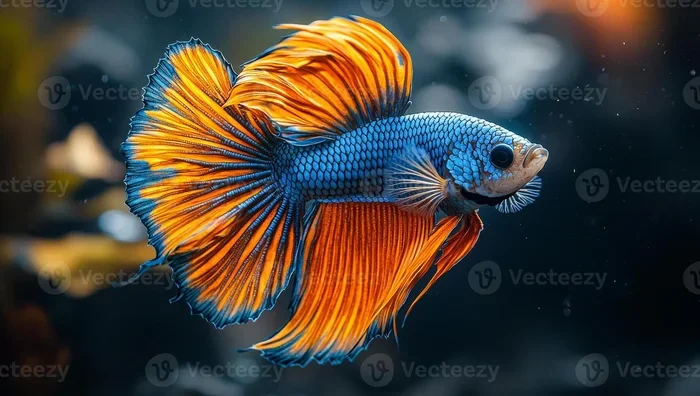
One of the most exciting benefits of feeding brine shrimp is the impact on your betta’s color. Brine shrimp contain natural carotenoid pigments, particularly astaxanthin. These pigments are the same ones that give shrimp their reddish-pink hue, and when consumed by your betta, they can enhance red, orange, and blue tones in the fish’s body and fins.
Many breeders use brine shrimp specifically to bring out the best colors in their bettas. If you have a stunning crowntail or a deep blue halfmoon, adding brine shrimp to the diet can make those colors truly pop. It is one of the simplest and most natural ways to boost your betta’s appearance.
Different Forms of Brine Shrimp for Bettas
Not all brine shrimp are the same, and each form comes with its own advantages. Understanding the options will help you choose the best one for your situation and your betta’s needs.
Live Brine Shrimp
Live brine shrimp are the gold standard for feeding bettas. They are the closest thing to what a betta would eat in its natural habitat. Live food triggers a betta’s hunting instincts, providing not just nutrition but also mental stimulation. Watching your betta chase live prey is one of the most rewarding experiences in the aquarium hobby.
If you have the option, live brine shrimp are the best choice. You can hatch them at home using a brine shrimp hatchery kit, which is affordable and straightforward. Many aquarists keep a standing culture so they always have a fresh supply on hand. Just make sure the shrimp are sourced from a clean, reputable supplier to avoid introducing parasites or bacteria into your tank.
Frozen Brine Shrimp
Frozen brine shrimp are a convenient and safe alternative to live food. They retain most of their nutritional value and are free from many of the pathogens that can sometimes hitch a ride on live food. You can buy frozen brine shrimp in cubes or sheets from most pet stores or online retailers.
To feed frozen brine shrimp, simply thaw a small portion in tank water before offering it to your betta. Do not use warm or hot water, as this can destroy nutrients. Frozen brine shrimp are an excellent option if you do not want the hassle of maintaining a live culture at home.
Freeze-Dried Brine Shrimp
Freeze-dried brine shrimp are the most shelf-stable option. They are lightweight, easy to store, and have a long expiration date. These are a great choice for beginners who want a low-maintenance food option. However, freeze-dried foods tend to be less nutritious than their live or frozen counterparts because the drying process removes some moisture-sensitive nutrients.
If you choose freeze-dried brine shrimp, look for high-quality brands that add vitamins back into the product after drying. Soaking the shrimp in tank water before feeding also helps rehydrate them and makes them easier for your betta to digest. Can betta fish eat freeze-dried brine shrimp? Absolutely — just make sure it is part of a varied diet, not the only food source.
Brine Shrimp Eggs
Brine shrimp eggs, also known as cysts, are another option. These are dormant eggs that you can hatch at home to produce live baby shrimp. Hatching your own eggs gives you complete control over the quality and freshness of the food. It does require some equipment and patience, but many hobbyists find it to be a rewarding process.
Brine shrimp eggs are less convenient than other forms, but they offer the benefit of freshness. If you are dedicated to providing the best possible diet for your betta, hatching your own eggs is worth considering. You can also find information on can betta fish eat brine shrimp eggs in many aquarium forums, where experienced keepers share their tips.
How Often Should You Feed Brine Shrimp to Your Betta?
Feeding frequency is one of the most important aspects of using brine shrimp in your betta’s diet. While brine shrimp are nutritious, they should not be the only thing your betta eats. Think of them as a treat or supplement rather than a complete meal.
For adult bettas, feeding brine shrimp two to three times per week is ideal. This frequency provides nutritional benefits without the risks of overfeeding. You can pair brine shrimp with your betta’s regular pellets or flakes on alternating days to create a balanced weekly feeding schedule.
For betta fry and juvenile fish, you can offer small amounts of baby brine shrimp more frequently, up to twice a day. Young bettas need more protein for growth, and tiny live brine shrimp are the perfect size for their small mouths. As your betta matures, gradually reduce the frequency of brine shrimp feedings.
Portion Size Matters
When it comes to portion size, less is more. A good rule of thumb is to offer only as much as your betta can consume within two to three minutes. Uneaten shrimp will decompose in the tank, which can spike ammonia levels and harm your fish. Always remove any leftover food promptly after feeding.
Overfeeding is one of the most common mistakes new betta owners make. Brine shrimp are small and tempting, which can lead to giving too much. Stick to a consistent schedule and portion size to keep your betta healthy and your tank water clean.
Comparing Brine Shrimp to Other Betta Foods
To understand where brine shrimp fit in your betta’s diet, it helps to compare them with other common food options. Different foods serve different purposes, and a varied diet is always the best approach.
| Food Type | Protein Content | Nutritional Value | Best For |
|---|---|---|---|
| Live Brine Shrimp | ~60% | Very High | Color enhancement, live feeding enrichment |
| Frozen Brine Shrimp | ~55% | High | Convenient, safe alternative to live |
| Freeze-Dried Brine Shrimp | ~50% | Moderate | Shelf-stable supplement |
| Betta Pellets | ~35-45% | High (balanced) | Staple daily diet |
| Bloodworms | ~55% | Moderate-High | Protein supplement, treats |
| Daphnia | ~50% | High | Digestive health, variety |
| Fish Flakes | ~25-35% | Moderate | General feeding, community tanks |
As you can see, brine shrimp rank at the top for protein content and nutritional value. However, they work best when combined with other foods. A balanced approach might include high-quality betta pellets as the staple, with brine shrimp, bloodworms, or daphnia offered as rotational treats. This variety ensures your betta receives a full spectrum of nutrients.
Potential Risks and How to Avoid Them
While brine shrimp are generally safe and beneficial, there are a few risks to be aware of. Understanding these risks helps you feed responsibly and keep your betta healthy.
Overfeeding and Digestive Issues
The most common risk associated with brine shrimp is overfeeding. Because bettas love brine shrimp, it can be tempting to give them too much. Excess food that goes uneaten will rot in the tank, increasing ammonia and nitrite levels. These toxins can cause serious health problems or even death in bettas.
Digestive issues can also arise if your betta eats too many brine shrimp at once. The high protein content can be hard to process in large quantities. Signs of overfeeding include bloating, lethargy, and loss of appetite. If you notice these symptoms, skip the next feeding and offer a smaller portion of brine shrimp when you resume.
Quality and Sourcing Concerns
The quality of the brine shrimp you purchase matters significantly. Low-quality products may contain fillers, preservatives, or contaminants that can harm your fish. Always buy from reputable brands or suppliers. If you are hatching your own brine shrimp at home, use clean saltwater and maintain proper hygiene in your hatchery setup.
Another concern is the risk of introducing parasites or bacteria through live food. This is why many aquarists prefer frozen or freeze-dried options. If you do choose live brine shrimp, quarantine them for a day or two before adding them to your betta’s tank. This simple step can save you a lot of trouble down the road.
Nutritional Imbalance
Brine shrimp alone do not provide every nutrient a betta needs. They are low in certain vitamins and minerals, and they lack the balanced formulation found in quality commercial betta foods. Relying too heavily on brine shrimp can lead to nutritional gaps over time.
This is why brine shrimp should always be used as a supplement, not a replacement for a complete betta diet. Pair them with high-quality pellets or flakes to ensure your fish gets everything it needs for long-term health and vitality.
Tips for Successfully Feeding Brine Shrimp to Bettas
Getting the most out of brine shrimp feeding is easier than you might think. A few simple tips can make a big difference in both the health of your fish and the convenience of your routine.
- Always thaw frozen shrimp in tank water before feeding. Never use warm or hot water.
- Soak freeze-dried shrimp for a few minutes before offering them to prevent digestive issues.
- Feed in a quiet area of the tank where your betta can easily locate and catch the food.
- Remove uneaten food within five minutes to keep the water clean.
- Rotate brine shrimp with other protein sources like bloodworms and daphnia for a well-rounded diet.
- Watch your betta’s behavior during feeding. A healthy betta will be active and eager to eat.
- Store brine shrimp products properly in a cool, dry place to maintain freshness and nutritional value.
Following these simple practices will help you get the most nutritional benefit from brine shrimp while keeping your betta safe and healthy. Consistency and moderation are the keys to success.
Expert Insights on Brine Shrimp and Betta Fish
Many experienced aquarists and fish veterinarians recommend brine shrimp as part of a well-rounded betta diet. According to aquarium nutrition experts, the key to a healthy betta is variety. No single food can provide everything a fish needs, and brine shrimp are no exception.
Dr. Richmond Loh, a renowned fish veterinarian, often emphasizes the importance of dietary variety for tropical fish. He notes that foods like brine shrimp, when used appropriately, can enhance both the physical health and the natural behaviors of aquarium fish. The hunting and foraging instincts that live brine shrimp trigger are especially valuable for bettas, which are natural predators.
Seasoned breeders also highlight the role of brine shrimp in conditioning bettas for spawning. The high protein content and rich nutritional profile of brine shrimp can help prepare both male and female bettas for the breeding process. Many breeders consider brine shrimp an essential part of their betta conditioning routine.
Ultimately, the consensus among experts is clear: brine shrimp are an excellent food for betta fish when used as part of a balanced and varied diet. They are not a miracle cure or a complete replacement for quality commercial foods, but they are a valuable addition that can improve your betta’s health, color, and overall quality of life.
Conclusion
Brine shrimp are a fantastic food choice for betta fish, offering high-quality protein, essential amino acids, and natural color-enhancing pigments. Whether you choose live, frozen, freeze-dried, or eggs, brine shrimp can add real value to your betta’s diet when fed in the right amounts and at the right frequency.
The key is to use brine shrimp as a supplement rather than a staple. Pair them with high-quality pellets, rotate with other protein-rich foods, and always feed in moderation. By following the tips and guidelines in this article, you can confidently add brine shrimp to your feeding routine and watch your betta thrive.
Remember that every betta is unique, so pay attention to how your fish responds to new foods. With a little patience and experimentation, you will find the perfect balance that keeps your betta healthy, colorful, and full of energy. Brine shrimp are good for betta fish — and now you have the knowledge to make the most of them.
Frequently Asked Questions
Can I feed my betta brine shrimp every day?
No, feeding brine shrimp every day is not recommended. Bettas need a varied diet, and too much brine shrimp can lead to nutritional imbalances and digestive issues. Two to three times per week is the ideal frequency for adult bettas.
What is the best form of brine shrimp for betta fish?
Live brine shrimp are considered the best option because they provide the highest nutritional value and trigger natural hunting behaviors. Frozen brine shrimp are an excellent alternative that is convenient and safe. Freeze-dried shrimp work well as a shelf-stable supplement.
Can baby betta fish eat brine shrimp?
Yes, baby betta fish can eat baby brine shrimp, which are small enough for their tiny mouths. Brine shrimp are an excellent food for fry because they are rich in protein and easy to digest. Feed small amounts multiple times a day for best results.
Are there any risks to feeding brine shrimp to bettas?
The main risks include overfeeding, which can cause bloating and water quality issues, and the potential introduction of parasites if the shrimp are sourced from an unreliable supplier. Always buy from reputable sources and feed in moderation to avoid problems.
Do brine shrimp improve betta fish color?
Yes, brine shrimp contain natural carotenoid pigments like astaxanthin that can enhance the red, orange, and blue colors in betta fish. Many breeders use brine shrimp specifically to bring out the best coloration in their fish.
Can brine shrimp live with betta fish in the same tank?
While brine shrimp can technically coexist with bettas, they are usually fed as food rather than kept as tank mates. If you are looking for compatible tank mates for your betta, consider species like are shrimp good with betta fish guides and similar resources that discuss peaceful cohabitation options.
=== INTERNAL LINKS ===
For more information on feeding brine shrimp to your betta, check out these related articles: