How Often Do Betta Fish Rest

So how often do betta fish rest? Most betta fish rest for 8 to 12 hours a day, mostly at night. They need a dark, quiet environment to feel safe enough to fully relax. Understanding their rest patterns helps you keep your betta healthy, active, and happy.
Have you ever watched your betta fish just sit there, completely still, and wondered if it was sleeping? Maybe you noticed your fish hovering near a plant or lying flat on the gravel and thought something was wrong. The truth is, how often do betta fish rest is a question every betta owner should understand.
Betta fish are not just colorful decorations swimming around your tank. They are living creatures with daily rhythms, energy cycles, and genuine rest needs. When you learn about their sleep habits, you can create a better home for them. This guide covers everything you need to know about betta fish rest patterns, from how many hours they sleep to what you can do to improve their nighttime routine.
Whether you are a new betta parent or have had your fish for years, understanding rest behavior helps you spot problems early. A well-rested betta is a happy betta. Let us dive into the details and make sure your fish gets the quality rest it deserves.
Key Takeaways
- Betta fish rest 8 to 12 hours daily: They follow a natural day-and-night cycle just like we do.
- Resting behavior is easy to spot: Your betta may lie on the substrate, hover near plants, or float still at the surface.
- Tank lighting matters a lot: Consistent light schedules help regulate your betta’s internal clock and rest routine.
- Stress kills rest quality: Loud noises, bright lights, and aggressive tank mates can disrupt how often your betta truly rests.
- Excessive resting can signal illness: If your betta sleeps way more than usual, it may be a sign of health problems.
- A proper rest environment boosts lifespan: Quality rest supports immunity, energy, and overall well-being.
📑 Table of Contents
Understanding How Often Do Betta Fish Rest
The short answer is that betta fish rest for several hours each day. Most bettas need between 8 and 12 hours of rest, and they mostly do this at night. Their rest schedule follows a natural day-and-night cycle, much like humans do.
But here is the thing that surprises many fish owners. Betta fish do not close their eyes when they rest. They do not have eyelids! So even when your betta is fully asleep, its eyes stay open. This can make it look like your fish is just staring at the wall, but it is actually getting valuable rest.
What Does a Resting Betta Fish Look Like?
When your betta is resting, you will notice some clear signs. Your fish may lie flat on the substrate at the bottom of the tank. It might hover in one spot near plants or decorations. Some bettas rest vertically, with their heads slightly tilted downward.
During rest, your betta’s colors may look slightly faded. Its fins might droop, and its breathing slows down. These are all completely normal signs of a healthy resting betta. If your fish does these things during the night or in dim light, it is simply following its natural betta fish sleep patterns.
However, if you see these same signs during the bright daytime hours, that could be a different story. A betta that rests too much during active hours may be stressed or sick. We will talk more about that later.
How Many Hours Do Betta Fish Rest Each Day?
On average, betta fish rest for about 8 to 12 hours per day. Some individual fish may rest a little more or a little less. Several factors influence this, including age, health, tank environment, and daily routine.
Younger bettas tend to be more active and may rest slightly less. Older bettas often need more downtime. Fish that live in a well-maintained tank with a consistent routine usually develop a stable rest schedule. This is why setting up a proper betta fish tank rest environment matters so much.
Here is a simple breakdown of a typical betta rest schedule:
- Morning: Your betta wakes up and becomes active as the tank lights turn on.
- Afternoon: Most bettas are fully active, swimming around, eating, and exploring.
- Evening: Activity starts to slow down as the light dims.
- Night: Your betta rests for the majority of its sleep hours.
Consistency is key. Try to keep the same light schedule every day. Sudden changes in lighting can confuse your betta and disrupt its rest cycle.
Factors That Affect How Often Betta Fish Rest
Not all bettas rest the same way. Several factors can change how much and when your fish sleeps. Understanding these factors helps you adjust the tank setup to support better rest.
Tank Lighting and Its Effect on Rest
Light is the biggest factor in your betta’s rest schedule. Bettas respond to the light cycle in their environment. If the tank is bright all the time, your fish may not rest enough. If the tank is dark too much, your fish may become sluggish.
Set your tank lights on a timer. A schedule of 8 to 10 hours of light followed by 12 to 14 hours of darkness works well for most bettas. This gives your fish a clear signal about when to be active and when to rest. You can also use natural light from a nearby window, but be careful not to place the tank in direct sunlight, which can cause temperature spikes and algae problems.
Noise and Tank Placement
Did you know that sound vibrations travel through water? A tank placed near a loud TV, speaker, or high-traffic area can keep your betta on edge. Even if your fish does not wake up, the vibrations can prevent deep, restful rest.
Place your betta tank in a calm area of your home. A quiet corner with stable temperature works best. This simple change can dramatically improve how well your betta rests each night.
Tank Mates and Stress Levels
Bettas are known for being solitary fish. If your tank has aggressive neighbors, your betta may stay on high alert instead of resting. Even other peaceful fish can create low-level stress that affects rest quality.
Many owners keep bettas alone in a 5-gallon tank or larger to give them space to feel safe. If you do add tank mates, choose peaceful species that do not bother your betta. A stress-free environment leads to better rest and a healthier fish overall.
Water Quality and Temperature
Dirty water and wrong temperatures can make it hard for your betta to rest comfortably. Poor water conditions cause stress, illness, and discomfort, all of which disrupt normal rest patterns.
Keep the water temperature between 76 and 82 degrees Fahrenheit. Test the water regularly for ammonia, nitrite, and nitrate levels. Clean water helps your betta feel safe and rest deeply. If you are unsure about your maintenance routine, check out this guide on how often to change water for betta fish to stay on track.
How to Create the Best Rest Environment for Your Betta Fish
Setting up your tank for great rest does not require expensive equipment. A few simple changes can make a huge difference in how well your betta sleeps and rests each day.
Use a Consistent Light Schedule
Invest in a simple timer for your tank lights. Set it to turn on in the morning and off at night. Your betta will quickly learn this routine and adjust its activity level accordingly. Within a week or two, you will notice your fish becoming active when the lights come on and settling down when they go off.
Add Plants and Hiding Spots
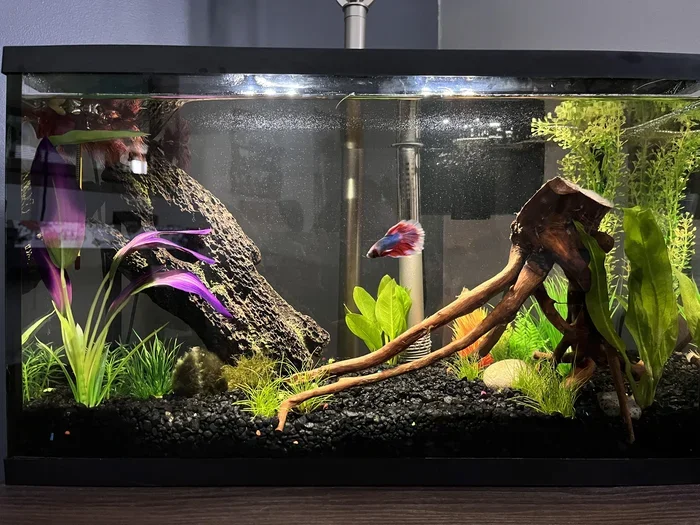
Betta fish feel safer in environments with plenty of places to hide and rest. Live or silk plants give your betta spots to curl up and relax. Floating plants are especially popular because bettas love resting near the surface underneath broad leaves.
Driftwood, caves, and decorations with smooth edges also provide resting spots. Just make sure nothing in the tank has sharp edges that could damage your betta’s delicate fins.
Keep the Water Clean and Comfortable
Regular water changes and proper filtration go hand in hand with good rest. A clean tank reduces stress and prevents illness. Aim for weekly partial water changes of about 25 percent. This keeps waste levels low and oxygen levels stable.
Your betta will feel more relaxed in fresh, clean water. If you need a full cleaning schedule, this article on how often to clean a betta fish tank can help you stay consistent.
Avoid Disturbing Your Betta at Night
Once the lights are off, try to keep the area around the tank quiet. Avoid tapping on the glass or shining bright flashlights into the tank at night. These disturbances can startle your betta and interrupt its rest cycle.
If you need to check on your fish after dark, use a dim red light. Bettas cannot see red light very well, so it will not disturb them as much. This small trick lets you observe your fish without wrecking its rest.
When Too Much Rest Is a Warning Sign
Now that you understand normal rest patterns, let us talk about when rest becomes a problem. A betta that is resting more than usual is not always a cause for concern. But sometimes, excessive resting signals something is wrong.
Signs That Rest Is a Problem
Watch for these red flags that your betta’s rest habits have changed:
- Resting during active hours for several days in a row.
- Refusing food when offered during feeding time.
- Lying on the bottom and not moving even when lights are on.
- Fins clamped tightly against the body for long periods.
- Color fading significantly beyond the normal rest-time dulling.
- Gasping at the surface or breathing rapidly while resting.
If you notice any of these signs, test your water parameters first. Poor water quality is the most common cause of unusual lethargy in bettas. If the water tests fine, consider whether your fish might be sick.
Common Illnesses That Affect Rest
Several diseases can cause your betta to rest too much. Ich, also known as white spot disease, makes fish uncomfortable and tired. Fungal infections and bacterial diseases can also drain your betta’s energy. Swim bladder disorder can make it hard for your fish to maintain normal position, leading to more time spent resting on the bottom.
If you suspect illness, act quickly. Early treatment gives your betta the best chance of recovery. Learn more about identifying health issues in this guide on how do you know a betta fish is dying to catch problems before they become serious.
Betta Fish Rest and Overall Health
Rest is not just downtime for your betta. It plays a vital role in its overall health. During rest, your betta’s body repairs tissues, fights off infections, and processes nutrients. Just like humans, bettas need quality sleep to stay strong and healthy.
Fish that do not get enough rest become more vulnerable to disease. They may lose their vibrant colors, eat less, and become sluggish. Over time, chronic rest deprivation can shorten your betta’s lifespan significantly.
On the other hand, a well-rested betta will be curious, colorful, and active. It will come to the surface when you approach, eagerly accept food, and show off its beautiful fins. Quality rest is one of the simplest ways to keep your fish thriving.
For a complete overview of betta care, including rest and nutrition, check out this guide on how do you care for a betta fish to make sure you are covering all the bases.
Quick Tips for Better Betta Rest
- Keep tank lights on a consistent 8-to-10-hour schedule.
- Place the tank in a quiet area away from loud appliances.
- Add live or silk plants for natural hiding and resting spots.
- Test water parameters weekly and perform regular partial water changes.
- Avoid tapping on the glass or shining bright lights at night.
- Feed your betta at the same times each day to reinforce a routine.
- Keep the water temperature stable between 76 and 82 degrees Fahrenheit.
Key Takeaways
- Betta fish rest 8 to 12 hours daily: They follow a natural day-and-night cycle just like we do.
- Resting behavior is easy to spot: Your betta may lie on the substrate, hover near plants, or float still at the surface.
- Tank lighting matters a lot: Consistent light schedules help regulate your betta’s internal clock and rest routine.
- Stress kills rest quality: Loud noises, bright lights, and aggressive tank mates can disrupt how often your betta truly rests.
- Excessive resting can signal illness: If your betta sleeps way more than usual, it may be a sign of health problems.
- A proper rest environment boosts lifespan: Quality rest supports immunity, energy, and overall well-being.
Frequently Asked Questions
Do betta fish close their eyes when they rest?
No, betta fish do not have eyelids, so their eyes stay open even when they are fully resting. This is completely normal and nothing to worry about. If you see your betta still with its eyes open at night, it is likely just sleeping peacefully.
How can I tell if my betta is resting or sick?
A resting betta will be still but responsive. It should resume normal activity when the lights come on or when you approach the tank. A sick betta, on the other hand, shows additional signs like clamped fins, loss of appetite, pale color, or labored breathing that does not improve with the light cycle.
Is it normal for my betta to rest on the bottom of the tank?
Yes, resting on the bottom is a common and normal behavior. Bettas often settle on the substrate or near decorations when they sleep. However, if your fish stays on the bottom for extended periods during active hours and shows other symptoms, it could indicate a health issue that needs attention.
Can too much light prevent my betta from resting properly?
Absolutely. Constant or excessive light confuses your betta’s internal clock and prevents proper rest. Always provide 8 to 10 hours of light followed by 12 to 14 hours of darkness. Use a timer to keep the schedule consistent every single day.
Do betta fish dream when they rest?
While we cannot know for certain, many fish experts believe that bettas experience something similar to dreaming during deep rest. You might notice your betta making small movements or flickering its fins while sleeping. These are likely signs of active brain activity during rest cycles.
What should I do if my betta suddenly changes its rest pattern?
First, check your water parameters to rule out poor water quality. Next, look for signs of stress like aggressive tank mates or sudden temperature changes. If everything in the tank seems fine but the behavior continues for more than a few days, consider consulting a fish veterinarian or experienced aquarist for advice.
=== CONCLUSION ===
Understanding how often do betta fish rest is one of the simplest yet most important things you can do as a betta owner. Your fish needs 8 to 12 hours of rest each day, mostly at night, in a calm and clean environment. By providing consistent lighting, a peaceful tank setup, and high-quality water, you give your betta the foundation it needs for deep, restorative rest.
Watch your fish closely and learn what is normal for your individual betta. Every fish has its own personality and routine. When you notice changes in rest patterns, take action quickly. Early intervention can prevent minor issues from becoming serious health problems.
A well-rested betta is a vibrant, active, and joyful fish. It will reward your care with dazzling colors, playful behavior, and a long, healthy life. Start making small adjustments to your tank routine today, and you will see the difference in how your betta rests and thrives. Your fish depends on you for its well-being, and getting the rest right is one of the best gifts you can give.