Is Krill Oil Better Than Fish Oil 2017
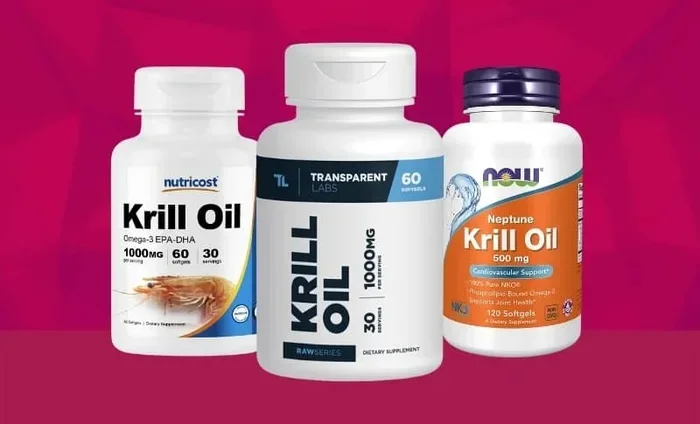
So, is krill oil better than fish oil? The short answer is: it depends on what you need. Krill oil offers superior absorption and powerful antioxidants that fish oil simply can’t match. But fish oil remains the more affordable and widely studied option. This guide breaks down everything you need to know from omega-3 content to joint health benefits so you can make a smart choice.
Is krill oil better than fish oil? This question has sparked heated debates in the health community for years. In 2017 alone, dozens of new studies compared these two popular omega-3 supplements. The results might surprise you.
Both krill oil and fish oil deliver essential fatty acids your body needs. These fatty acids support everything from brain health to heart function. But they differ in how your body absorbs them, what extra nutrients they carry, and how much they cost.
In this article, we break down the science in plain language. You will learn exactly where each oil shines and where it falls short. By the end, you will know which one deserves a spot in your daily routine.
Key Takeaways
- Better Absorption: Krill oil delivers omega-3s in phospholipid form, which your body absorbs more easily than the triglyceride form found in fish oil.
- Antioxidant Power: Krill oil contains astaxanthin, a potent antioxidant that protects both the supplement and your cells from oxidative damage.
- Joint and Heart Health: Both oils support cardiovascular health and reduce inflammation, but krill oil may offer extra benefits for joint comfort.
- Cost Matters: Fish oil is significantly cheaper per serving, making it the budget-friendly choice for most people.
- Sustainability: Krill is considered a more sustainable source since krill populations are abundant and harvesting has minimal environmental impact.
- Fewer Side Effects: Krill oil causes less fishy burps and stomach discomfort compared to traditional fish oil supplements.
- Research Still Evolving: While krill oil shows promise, fish oil has decades of clinical research backing its benefits.
📑 Table of Contents
- What Makes Krill Oil and Fish Oil Different?
- Omega-3 Content Comparison
- Krill Oil Benefits: What Makes It Stand Out?
- Fish Oil Benefits: Why It Still Reigns
- Side Effects and Tolerability
- Sustainability and Environmental Impact
- Cost Comparison: Which One Fits Your Budget?
- So, Which One Should You Choose?
What Makes Krill Oil and Fish Oil Different?
At first glance, krill oil and fish oil seem similar. Both contain EPA and DHA, the two most important omega-3 fatty acids. But the way these oils are structured makes a big difference in how well your body uses them.
The Source Matters
Fish oil comes from fatty fish like salmon, sardines, and anchovies. The oil is extracted from the fish tissue and processed into capsules. Krill oil, on the other hand, comes from tiny crustaceans called krill. These small shrimp-like creatures live in cold ocean waters and feed on phytoplankton.
Krill oil benefits start right at the source. Krill are low on the food chain, which means they accumulate fewer toxins like mercury. This makes krill oil a cleaner option for many people.
Omega-3 Structure: Phospholipids vs. Triglycerides
Here is where things get interesting. Fish oil carries omega-3s in triglyceride form. Your body must break these down before absorbing them. Krill oil binds omega-3s to phospholipids. This structure mimics the makeup of your cell membranes, which means faster and easier absorption.
Studies suggest that phospholipid-bound omega-3s reach your cells more efficiently. This is one of the biggest reasons people ask, is krill oil better than fish oil? The absorption advantage is real and measurable.
Omega-3 Content Comparison
When comparing these two supplements, the EPA and DHA content per serving matters most. Fish oil typically delivers higher concentrations of these fatty acids in each capsule. A standard fish oil capsule may contain 300 to 500 mg of combined EPA and DHA.
Krill oil capsules usually contain less omega-3 per serving. However, because of the superior absorption rate, your body may use more of what you take. This means a smaller dose of krill oil can sometimes match the effects of a larger fish oil dose.
EPA and DHA: Why These Fatty Acids Matter
EPA supports inflammation reduction and joint health. DHA plays a major role in brain function and eye health. Both oils provide these essential fatty acids. The key question is which one delivers them more effectively.
For people focused on heart health and cardiovascular support, fish oil has a slight edge in raw EPA and DHA numbers. For those seeking better overall absorption and less inflammation, krill oil may be the stronger choice.
Krill Oil Benefits: What Makes It Stand Out?
Why krill oil is better than fish oil for many users comes down to a few standout features. Let us look at what makes krill oil unique.
Astaxanthin: The Powerful Antioxidant
Krill oil contains a natural pigment called astaxanthin. This gives krill their red color and acts as a powerful antioxidant. Astaxanthin protects the omega-3 fatty acids from oxidation before and after you consume them.
Fish oil lacks this built-in protection. That is why fish oil can go rancid more easily. With krill oil, the astaxanthin helps keep the oil fresh and stable. This also means your body receives oxidation-protected omega-3s that work better at the cellular level.
Better for Joint Health and Inflammation
Many people turn to omega-3 supplements for joint pain relief. Both oils help reduce inflammation. But krill oil’s phospholipid structure may give it an edge when it comes to reaching inflamed tissues quickly.
If you suffer from stiffness or morning joint pain, krill oil could offer faster relief. The anti-inflammatory properties of krill oil have been studied in clinical settings, and the results look promising.
Cholesterol and Triglyceride Support
Research from 2017 showed that krill oil may help lower LDL cholesterol while raising HDL. It also appears effective at reducing blood triglycerides. Fish oil does this too, but some studies suggest krill oil works at lower doses.
For anyone managing their cardiovascular risk factors, this is a meaningful advantage. Lower triglycerides mean better heart health over time.
Fish Oil Benefits: Why It Still Reigns
Despite krill oil’s many advantages, fish oil remains the gold standard in many ways. Let us look at why fish oil still deserves your attention.
Decades of Research Back It Up
Fish oil has been studied extensively for over 30 years. Thousands of clinical trials support its benefits for heart disease, brain health, and systemic inflammation. The research base for fish oil is simply unmatched.
When doctors recommend omega-3 supplements, they often default to fish oil. This is because the evidence is robust and well-documented. If you want a supplement with a long track record, fish oil delivers.
Higher Omega-3 Concentration Per Serving
Fish oil capsules generally pack more EPA and DHA per gram than krill oil. This makes fish oil ideal for people who need high doses. If your health practitioner recommends a specific amount of omega-3s, fish oil makes it easier to hit that target.
More Affordable Options
Cost is a real factor for anyone taking supplements daily. Fish oil is significantly cheaper than krill oil per serving. A bottle of quality fish oil can last a month or more at a fraction of the price of krill oil.
For budget-conscious consumers, this price difference matters. You do not have to break the bank to get your daily omega-3s with fish oil.
Side Effects and Tolerability
No supplement is perfect. Both krill oil and fish oil come with potential side effects. Let us compare what you might expect.
Fish Oil Side Effects
The most common complaint about fish oil is the fishy aftertaste. Many people experience fishy burps, nausea, or loose stools. These side effects tend to worsen at higher doses.
Fish oil can also thin the blood slightly. If you take blood-thinning medications, you should talk to your doctor before starting fish oil. The bleeding risk is usually low but worth noting.
Krill Oil Side Effects
Krill oil generally causes fewer digestive issues. Most users report no fishy burps or stomach discomfort. This is likely due to the phospholipid structure, which is gentler on the digestive system.
People with shellfish allergies should avoid krill oil since it comes from crustaceans. Also, because krill oil may have mild blood-thinning effects, consult your doctor if you take any medications.
Which One Causes Fewer Problems?
Overall, krill oil wins on tolerability. It is easier on the stomach and does not leave a fishy aftertaste. If you have struggled with fish oil supplements in the past, krill oil might be a much better experience.
Sustainability and Environmental Impact
This is an area where krill oil clearly leads. Krill populations in the Antarctic are among the largest biomasses on Earth. Harvesting krill has a minimal environmental footprint compared to fishing for species used in fish oil.
Fish oil production depends on catching small fish like anchovies and sardines. Overfishing these species can disrupt marine ecosystems. Krill harvesting, when done responsibly, supports a more sustainable omega-3 supply chain.
If you care about the environment, krill oil is the greener choice. Look for brands that certify their krill as sustainably harvested from the Southern Ocean.
Cost Comparison: Which One Fits Your Budget?
Let us talk numbers. Fish oil typically costs between $10 and $25 for a month’s supply. Krill oil runs between $20 and $40 for the same period. The price gap is significant.
However, you must consider the cost per effective dose. Because krill oil absorbs better, you may need fewer capsules. This narrows the gap more than it seems at first glance.
Here is a simple way to think about it. Fish oil gives you more raw omega-3s for less money. Krill oil gives you better-absorbed omega-3s with added antioxidants for a higher price. Your choice depends on your priorities and budget.
Quick Tips for Choosing the Right Oil
- Check the EPA and DHA content on the label before buying.
- Look for third-party testing to ensure purity and freshness.
- Consider your budget and how long you plan to take the supplement.
- Think about your health goals — heart, brain, joints, or all of the above.
- Read user reviews to learn about real-world experiences with each oil.
So, Which One Should You Choose?
The answer to is krill oil better than fish oil depends on your individual needs. Both oils provide excellent omega-3 support. They just serve different priorities.
Choose krill oil if you want better absorption, fewer side effects, added antioxidants, and a more sustainable option. Choose fish oil if you need high doses, want to save money, or prefer a supplement with decades of research behind it.
Some people even take both. They use fish oil for the high EPA and DHA content and krill oil for the extra antioxidant and absorption benefits. This combination approach works well for many users.
No matter which you pick, make omega-3s a consistent part of your routine. Your heart, brain, and joints will thank you for it. Start with a moderate dose and adjust based on how you feel.
The debate between krill oil and fish oil is not about one being universally better. It is about finding the right fit for your body, your goals, and your budget. Both oils are excellent choices for supporting your long-term health.
For more comparisons on these popular supplements, check out our detailed breakdown of is krill oil better than fish oil and our guide on why krill oil is better than fish oil. You can also explore our article on which is better fish oil or krill for additional insights.
Frequently Asked Questions
Can I take krill oil and fish oil together?
Yes, you can take both together. Some people combine them to get the best of both worlds. Fish oil provides a high dose of EPA and DHA, while krill oil adds antioxidants and better absorption. Just keep your total omega-3 intake within recommended limits and consult your doctor if you are unsure.
How long does it take to see results from krill oil?
Most people notice improvements in joint comfort and energy within 4 to 6 weeks of consistent use. Brain health benefits and heart markers may take 8 to 12 weeks to become noticeable. Consistency is key with any omega-3 supplement.
Is krill oil safe for people with shellfish allergies?
No, krill oil is not safe for people with shellfish allergies. Krill are small crustaceans, and the oil is derived from them. If you have a shellfish allergy, stick with fish oil or plant-based omega-3 alternatives like algae oil.
Does krill oil help with dry eyes?
Yes, krill oil may help with dry eyes. The omega-3 fatty acids in krill oil support tear production and reduce eye inflammation. Studies have shown that phospholipid-bound omega-3s may be particularly effective for eye health compared to other forms.
Which omega-3 oil is best for heart health?
Both krill oil and fish oil support heart health effectively. Fish oil has more extensive research backing its cardiovascular benefits. Krill oil shows promise in lowering triglycerides and improving cholesterol ratios. The best choice depends on your specific heart health goals and preferences.
Are there vegan alternatives to krill oil and fish oil?
Yes, algae oil is the best vegan alternative. It provides DHA and EPA directly from the source, just like fish and krill do. Algae oil is sustainably produced and free from any animal-derived ingredients. It is an excellent option for vegetarians and vegans who want omega-3 benefits.
=== CONCLUSION ===
Is krill oil better than fish oil in 2017? The answer is nuanced. Krill oil wins on absorption, antioxidants, tolerability, and sustainability. Fish oil wins on price, concentration, and research depth. Both are excellent omega-3 sources that support your health in meaningful ways.
The best approach is to understand your own needs. If you value clean absorption and extra antioxidant protection, go with krill oil. If you want a proven, affordable option with decades of evidence, fish oil is hard to beat.
Whatever you choose, make it a daily habit. Your body needs omega-3 fatty acids to function at its best. Start today and give your health the support it deserves.