Why Do Betta Fish Die So Easily

Betta fish are beautiful but fragile companions; many owners wonder why they seem to die so easily. This guide breaks down the top reasons—water quality, diet, stress, and more—and gives practical, easy‑to‑follow tips to keep your betta thriving.
Key Takeaways
- Water quality matters most: Poor parameters and uncycled water are the leading killers.
- Proper tank size and filtration: A 5‑gal minimum with gentle flow prevents stress.
- Balanced diet prevents disease: Over‑feeding or low‑quality food weakens immunity.
- Temperature stability is critical: Betta thrive at 76‑82°F; sudden changes are fatal.
- Stress triggers health issues: Aggressive tank mates, bright lights, and rapid handling can kill.
- Regular health checks catch problems early: Look for torn fins, white spots, and abnormal swimming.
- Quick action saves lives: Knowing the signs of distress lets you intervene before it’s too late.
📑 Table of Contents
- Introduction: The Mystery Behind the Sudden Losses
- 1. Water Quality – The Silent Killer
- 2. Tank Size and Setup – Bigger Is Better
- 3. Nutrition – Feeding for Health, Not Just Color
- 4. Temperature and Lighting – Keeping the Environment Stable
- 5. Stress Factors – The Hidden Threats
- 6. Common Diseases – Spotting Problems Early
- Conclusion: Turn the Odds in Your Favor
Introduction: The Mystery Behind the Sudden Losses
If you’ve ever brought home a bright, flowing finned friend only to see it limp and fade within weeks, you’re not alone. Betta fish (Betta splendens) are one of the most popular aquarium pets, yet they have a reputation for dying quickly. The truth is, bettas don’t have a secret “short lifespan” gene—most deaths are preventable with proper care.
In this article we’ll walk through the most common culprits that cause betta fish to die so easily. We’ll keep the language friendly, the sentences short, And we’ll give you real‑world tips you can start using today. By the end, you’ll feel confident that your betta can live a healthy, colorful life for three years or more.
1. Water Quality – The Silent Killer
Why clean water matters
Betta fish are native to shallow, slow‑moving rice paddies in Southeast Asia. Those waters are warm, soft, and low in pollutants. In a home aquarium, water can quickly become a cocktail of ammonia, nitrite, and harmful bacteria if not properly treated.
Visual guide about Why Do Betta Fish Die So Easily
Image source: japanesefightingfish.org
Key parameters to monitor
- Ammonia (NH₃): Should be 0 ppm. Even a tiny spike can burn gill tissue.
- Nitrite (NO₂‑): Also 0 ppm; it interferes with oxygen transport.
- Nitrate (NO₃‑): Below 20 ppm is ideal for bettas.
- pH: 6.5–7.5 works best; sudden swings cause stress.
- Temperature: 76–82°F (24–28°C) with less than 2°F fluctuation.
Practical tips for pristine water
1. Cycle the tank first. A newly set up tank needs 4‑6 weeks to develop beneficial bacteria. Skip this step and you’ll see your betta become sick fast.
2. Partial water changes. Replace 25‑30 % of the water every 2‑3 days during the first month, then weekly after the tank is stable.
3. Use a water conditioner. It removes chlorine, chloramine, and heavy metals that are toxic to bettas.
4. Test regularly. A simple liquid test kit costs a few dollars and gives you peace of mind.
2. Tank Size and Setup – Bigger Is Better
Why a “bowl” won’t cut it
Many new owners think a tiny bowl is enough because bettas can survive low‑oxygen water thanks to their labyrinth organ. While they can survive, they cannot thrive. A cramped space leads to poor water quality, limited swimming, and increased stress.
Visual guide about Why Do Betta Fish Die So Easily
Image source: smartaquariumguide.com
Recommended tank specifications
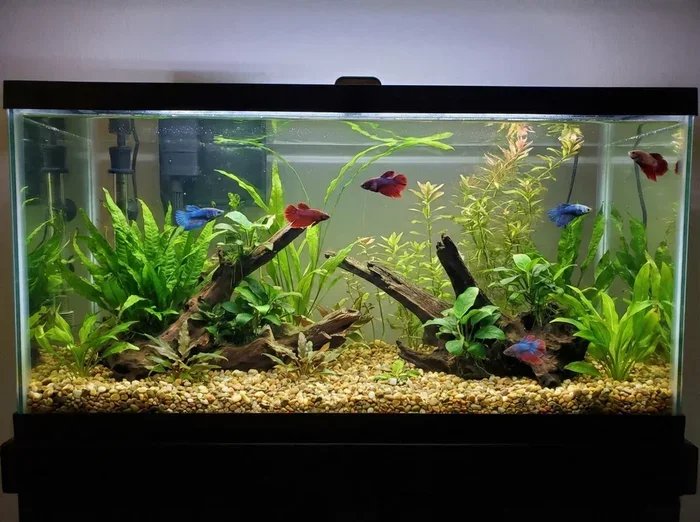
- Minimum volume: 5 gallons (≈19 L) for a single male.
- Filter: Gentle sponge or hang‑on‑back filter set to low flow.
- Cover: Secure lid to prevent jumps (betas love to explore).
- Decoration: Live or silk plants, smooth rocks, and a cave for hiding.
Setting up the perfect home
Start with a clean, pre‑rinsed tank. Add a layer of fine gravel (no sharp edges) and fill with conditioned water. Install the filter, set the heater, and let the tank run for at least 24 hours before introducing your betta. This routine eliminates many of the reasons bettas die so easily.
3. Nutrition – Feeding for Health, Not Just Color
What a betta needs
In the wild, bettas eat insects, larvae, and tiny crustaceans. In captivity, a high‑quality pellet or gel food formulated for bettas provides essential protein, vitamins, and fatty acids.

Visual guide about Why Do Betta Fish Die So Easily
Image source: sharksinfo.com
Common feeding mistakes
- Over‑feeding: Uneaten food decays, raising ammonia.
- Low‑quality flakes: Lack of protein leads to weak fins and disease.
- Inconsistent schedule: Stresses the digestive system.
Feeding schedule and tips
Feed two small meals per day, offering only what your betta can consume in 2‑3 minutes. A good rule of thumb is 2–3 pellets per feeding for an adult male. Rotate with occasional frozen or live brine shrimp for enrichment.
For more on feeding basics, see our guide How Do You Feed A Betta Fish.
4. Temperature and Lighting – Keeping the Environment Stable
Why temperature is a make‑or‑break factor
Betta metabolism speeds up in warm water. If the temperature drops below 75°F, their immune system slows, making them vulnerable to infection. Conversely, temperatures above 84°F can cause oxygen depletion and organ failure.
Choosing the right heater
Pick a submersible heater with an adjustable thermostat. Place it near the filter outlet for even heat distribution. Use a reliable aquarium thermometer to double‑check the reading.
Lighting considerations
Betas enjoy a natural day/night cycle. Provide 8–10 hours of gentle LED light daily. Too much bright light can stress them and encourage algae growth, which degrades water quality.
5. Stress Factors – The Hidden Threats
Tank mates and aggression
Male bettas are famously territorial. Keeping two males together almost always ends in a fight that can be fatal. Even non‑aggressive species can stress a betta if they are too active or fast‑swimming.
Noise, vibrations, and handling
Sudden knocks, loud music, or frequent tapping on the glass can trigger a stress response. When stressed, bettas produce excess cortisol, which suppresses immunity.
How to reduce stress
- Provide plenty of hiding spots.
- Maintain a consistent routine—feed at the same times, avoid moving décor often.
- Limit direct sunlight; it can cause temperature spikes.
6. Common Diseases – Spotting Problems Early
Fin rot, velvet, and ich
These are the three most frequent infections that cause bettas to die quickly. They all thrive in poor water conditions, reinforcing the importance of water quality.
Symptoms to watch for
- Fin rot: Frayed, white edges on fins.
- Velvet: Gold‑ish dust on the body, rapid breathing.
- Ich: Tiny white “salt‑and‑pepper” spots.
First‑aid steps
1. Perform a 50 % water change.
2. Add a mild aquarium salt dose (1 g per 5 gallons) to reduce stress.
3. Treat with a betta‑safe medication—follow the label carefully.
If you notice any of these signs, act fast. Early treatment can mean the difference between recovery and loss.
Conclusion: Turn the Odds in Your Favor
Betta fish do not die so easily by nature; they die because we often overlook the basics—clean water, proper tank size, balanced diet, stable temperature, and low stress. By mastering these fundamentals, you give your betta the best chance at a long, vibrant life.
Remember, each step is a small investment that adds up to big results. Test your water, keep the tank warm and spacious, feed wisely, and watch for early warning signs. With a little attention, you’ll enjoy a dazzling, active betta for years to come.
For more stories of sudden loss and how to prevent them, read Why Did My Betta Fish Die All Of A Sudden and Why Did My Betta Fish Die In A Week.
Frequently Asked Questions
Why does my betta fish die after a few days?
Rapid death is usually caused by poor water quality, a sudden temperature change, or an undiagnosed disease. Test the water and check for signs of illness.
Can a betta survive in a small bowl?
While bettas can survive in a bowl, the limited space leads to quick waste buildup and stress, making death more likely. A 5‑gallon tank is a much safer choice.
What are the signs that my betta is stressed?
Look for excessive hiding, faded colors, frantic swimming, or frequent gill flaring. Stress often precedes illness.
How often should I change the water?
During the first month, change 25‑30 % of the water every 2‑3 days. After the tank is cycled, weekly 20‑30 % changes keep parameters stable.
Is it safe to keep other fish with a betta?
Only peaceful, slow‑moving species that won’t nip at the betta’s fins are safe. Avoid other male bettas and fin‑nipping fish.
What temperature range is ideal for betta fish?
Betta fish thrive at 76‑82°F (24‑28°C). Use a reliable heater and thermometer to maintain a steady temperature.