Is It Better to Use a Fishing Swivel
Using a fishing swivel can seriously improve your setup by preventing line twist and making your lure move more naturally. Whether you are a beginner or a seasoned angler, understanding when and how to use a swivel helps you catch more fish with less frustration. This guide breaks down the types, benefits, and common mistakes so you can make the best choice for your fishing gear.
Fishing can be simple or complicated depending on how you set up your gear. One small piece of tackle that sparks a lot of debate among anglers is the fishing swivel. You have probably seen these little metal or plastic devices at your local tackle shop and wondered if they are really worth adding to your rig.
The short answer is yes, a fishing swivel can make a real difference in many situations. But like most fishing gear, it depends on where you fish, what you target, and how you fish. In this guide, we will walk through everything you need to know about using a swivel so you can decide if it belongs in your tackle box.
If you have ever noticed your line twisting after a few casts, a swivel might be exactly what you need. They are cheap, small, and easy to use. Let us dive into the details and help you get the most out of your fishing setup.
Key Takeaways
- Prevents Line Twist: A fishing swivel keeps your line from twisting, which means smoother casts and better lure action.
- Improves Lure Movement: Swivels allow your lure or bait to move freely, making it look more natural in the water.
- Multiple Types Exist: Barrel swivels, snap swivels, and rolling swivels each serve different fishing needs.
- Not Always Necessary: Some fishing situations do not need a swivel, and using one can actually reduce sensitivity.
- Size Matters: Choosing the right size swivel for your line and target fish makes a big difference in performance.
- Proper Knot Tying Is Key: A bad knot can defeat the purpose of using a swivel entirely.
📑 Table of Contents
What Is a Fishing Swivel and Why Does It Matter?
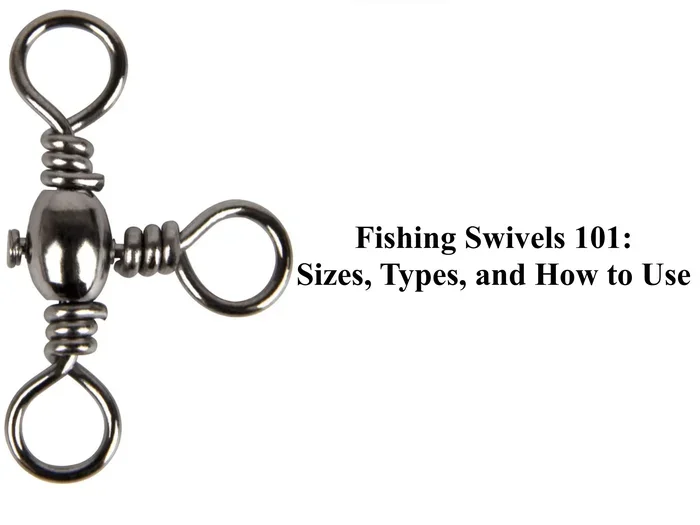
A fishing swivel is a small device with two rings connected by a rotating barrel. It sits between your main line and your leader or lure. The whole point is to allow the two ends of your line to rotate independently. This prevents twists from building up as you cast and retrieve.
You might be thinking, “Does line twist really matter?” Absolutely. When your line twists, it can cause your lure to spin in weird ways, tangle during casting, or even break off when a fish strikes. A good swivel keeps everything running smoothly so you can focus on the fun part, which is catching fish.
Many anglers who fish with lures or live bait notice a big improvement when they add a swivel to their setup. It is one of those small upgrades that makes a noticeable difference without adding much cost or complexity to your gear.
How a Swivel Works
The barrel inside the swivel spins freely. When your line twists during a cast or retrieve, the swivel rotates to unwind that twist. Think of it like a tiny spinning joint that keeps your line untangled and your lure moving naturally through the water.
Some swivels are built with ball bearings inside the barrel. These ball-bearing swivels spin even more smoothly and are ideal for heavier gear or faster retrieves. For lighter setups, a standard barrel swivel works just fine.
Types of Fishing Swivels You Should Know
Not all swivels are created equal. Different types serve different purposes, and picking the right one can improve your fishing experience. Here is a look at the most common types you will find at any tackle shop.
Barrel Swivel
The barrel swivel is the most popular and widely used type. It has a simple cylindrical barrel with a ring on each end. You tie your main line to one ring and your leader or lure to the other. They come in various sizes, from tiny models for panfish to heavy-duty versions for saltwater game fish.
Barrel swivels are affordable and reliable. They work well for most freshwater fishing situations, including bass fishing, trout fishing, and panfish. If you are just starting out, a pack of barrel swivels is a great first purchase.
Snap Swivel
A snap swivel has a quick-release snap on one end and a ring on the other. This makes it super easy to change lures or leaders without retying knots. Many anglers love snap swivels for their convenience, especially when they are switching between different lures throughout the day.
However, snap swivels can add a little bit of weight and bulk to your setup. For finesse fishing or situations where you need maximum sensitivity, a barrel swivel might be a better choice. Also, if you fish in heavy cover where snags are common, the snap can sometimes catch on branches or rocks.
Rolling Swivel
A rolling swivel uses a ball-bearing mechanism that allows the barrel to spin with almost no friction. These are the premium option for anglers who want the smoothest possible rotation. They are especially useful for trolling or when using lures that spin rapidly, like spoons or spinnerbaits.
Rolling swivels cost more than standard barrel swivels, but they last longer and perform better under heavy use. If you fish regularly or target larger species, investing in a few quality rolling swivels is worth it.
Benefits of Using a Fishing Swivel
Adding a fishing swivel to your setup offers several real advantages. Let us break down the biggest benefits so you can see why so many anglers rely on them.
Prevents Line Twist
This is the number one reason to use a swivel. Every time you cast and retrieve, your line can twist. Over time, this twist builds up and causes problems. A swivel untwists the line as it rotates, keeping everything neat and tangle-free. If you have ever had your line wind up into a messy bird’s nest on the reel, a swivel can help prevent that.
Improves Lure Action
When your line twists, your lure does not move the way it should. It might spin sideways, wobble oddly, or fail to dive properly. A swivel lets your lure move freely and naturally, which makes it more appealing to fish. This is especially important when you are fishing with crankbaits, spinners, or any lure that relies on a specific action to attract fish.
Extends Leader Life
Your leader takes a lot of abuse from rubbing against the main line during casts and retrieves. A swivel reduces this friction because it allows the two lines to rotate independently. Over time, this means your leader lasts longer and you do not need to replace it as often.
Easier Knot Management
With a swivel, you can tie your knots once and leave them in place. You do not need to constantly untie and retie when you want to change lures or adjust your setup. This saves time on the water and keeps your knots tight and secure.
When Should You Use a Fishing Swivel?
Knowing when to use a swivel is just as important as knowing how to use one. There are plenty of situations where a swivel helps, but there are also times when it might not be the best choice.
Use a Swivel When…
- You are using lures that spin or rotate: Spoons, spinnerbaits, and inline spinners all create line twist. A swivel keeps things smooth.
- You are fishing with live bait: Live bait like worms or minnows move unpredictably, which causes twist in your line.
- You are casting long distances: Long casts increase the rotation on your line, making a swivel more important.
- You are trolling: Trolling rigs benefit greatly from swivels because the constant movement creates continuous twist.
- You are using a leader material that is stiff: Stiff leaders like fluorocarbon twist more easily, and a swivel helps manage that.
Skip the Swivel When…
- You need maximum sensitivity: A swivel adds a small amount of slack and weight that can reduce your ability to feel bites. For finesse techniques like drop shotting or Ned rig fishing, you might want to skip it.
- You are fishing in heavy cover: A swivel can snag on weeds, rocks, or timber. In tight cover, a direct line-to-lure connection might be safer.
- You are using very light line: On ultra-light setups, a swivel might be too heavy and affect the balance of your rig.
- You are fishing shallow water with simple presentations: If you are just casting a soft plastic into open water, a swivel may not be necessary.
Quick Tips for Choosing the Right Swivel
Here are a few quick tips to keep in mind when picking out swivels for your next trip:
- Match the swivel size to your line weight. A small swivel on heavy line will not hold up, and a large swivel on light line will be too bulky.
- Look for swivels with black nickel or brass finishes for durability.
- Keep a variety of sizes in your tackle box so you are ready for any situation.
- If you fish in saltwater, opt for stainless steel swivels to resist corrosion.
Common Mistakes Anglers Make With Swivels
Even experienced anglers sometimes make mistakes when using swivels. Avoiding these common errors will help you get better results on the water.
Using the Wrong Size Swivel
This is the most common mistake. A swivel that is too small for your line will not spin freely, and a swivel that is too large can create wind knots during casting. Always check the line rating on the swivel packaging and match it to your setup.
Tying Bad Knots
A swivel is only as good as the knots that hold it in place. If your knots are loose or improperly tied, the swivel can slip off or fail under pressure. Take the time to learn proper knot-tying techniques for swivels. The improved clinch knot and the palomar knot both work well with swivels.
Using a Swivel Everywhere
Some anglers use a swivel on every single rig, and that is not always a good idea. As we covered above, there are situations where a swivel actually hurts your presentation or sensitivity. Think about each fishing scenario and decide whether a swivel makes sense for that particular setup.
Ignoring Swivel Quality
Cheap swivels from dollar stores might seem like a good deal, but they often do not spin smoothly and can rust quickly. Invest in quality swivels from reputable brands. A few extra dollars spent on good swivels will save you frustration and lost fish on the water.
Expert Tips for Getting the Most From Your Swivels
Here are some expert insights to help you get the best performance out of your fishing swivels.
Always wet your knots before tightening. This reduces friction and heat, which can weaken your line. A simple trick that many beginners overlook.
Check your swivels regularly. Over time, swivels can become worn, corroded, or stiff. Replace any swivel that does not spin freely. A stuck swivel defeats the entire purpose of using one.
Use a swivel to connect your main line to a leader when fishing with fluorocarbon. Fluorocarbon is stiff and prone to twisting. A swivel in this setup makes a huge difference in how your lure moves and how naturally your line flows through the water.
Consider the water conditions. When fishing in fast current or rough water, a swivel helps manage the extra movement and prevents dangerous line twists. If you are fishing in calm, still water, you might not need one as often.
Match your swivel to your fishing style. If you like to fish fast and cover a lot of water, a rolling swivel with ball bearings is ideal. If you prefer slow, methodical presentations, a simple barrel swivel will do the job.
For those who enjoy fishing at different times of day, understanding how conditions affect your gear is important. Whether you are fishing early morning or late evening, your swivel setup can play a role in how well your lure performs in the water.
Final Thoughts
A fishing swivel is a small but powerful piece of tackle that every angler should understand. It prevents line twist, improves lure action, and makes your time on the water more enjoyable. The key is knowing when to use one and when to skip it based on your fishing situation.
Start by adding a few barrel swivels and snap swivels to your tackle box. Experiment with different sizes and see what works best for your favorite fishing spots and target species. Over time, you will develop a feel for when a swivel helps and when it does not.
Remember, fishing is about learning and adapting. The more you experiment with your setup, the better you will become. A simple tool like a swivel can be the difference between a frustrating day and a great day on the water. Keep practicing, keep learning, and most importantly, keep enjoying every cast.
For more tips on improving your fishing setup, check out our guides on fishing with or without a bobber and fishing in sun versus shade to optimize your next outing.
Frequently Asked Questions
Do I really need a fishing swivel?
It depends on your fishing setup. If you use lures that spin or fish with live bait, a swivel helps prevent line twist. For simple presentations like soft plastics in open water, you may not need one at all.
What size swivel should I use?
Match the swivel size to your line weight. Light lines under 10 pounds work well with small swivels, while heavier lines need medium or large swivels. Check the rating on the packaging before purchasing.
Can a swivel reduce my sensitivity when fishing?
Yes, a swivel adds a small amount of slack between your line and lure, which can slightly reduce your ability to feel bites. For ultra-finesse techniques, you might want to tie your lure directly to the line instead.
Are snap swivels better than barrel swivels?
Snap swivels are more convenient for quick lure changes, but barrel swivels are simpler and create less bulk in your setup. The best choice depends on your fishing style and how often you switch lures.
What is the best knot to tie a swivel?
The improved clinch knot and the palomar knot both work great for tying swivels. Make sure to wet your knots before tightening to prevent weakening the line.
Should I use a swivel for saltwater fishing?
Yes, saltwater fishing often requires swivels because of the constant movement and corrosion risk. Choose stainless steel swivels designed for saltwater use to ensure durability and smooth performance.