Why Do Betta Fish Create Bubbles
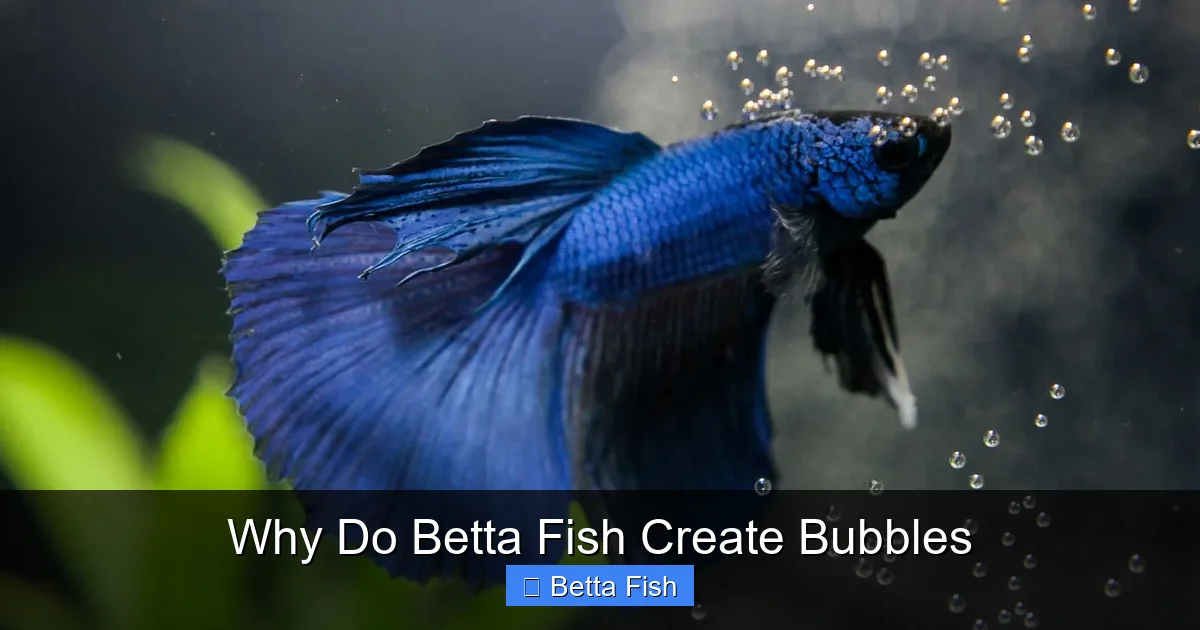
Betta fish create bubbles for several reasons, from building bubble nests for breeding to signaling stress or simply exploring the surface. Understanding these behaviors helps you provide the right environment and ensures your betta stays healthy and vibrant.
Key Takeaways
- Bubble nests are a natural breeding instinct: Males gather bubbles to protect eggs and larvae.
- Surface breathing can cause bubble blowing: Low oxygen or warm water may prompt a betta to gulp air.
- Stress and illness sometimes trigger bubbles: Poor water quality or disease can lead to excessive bubbling.
- Tank setup matters: Proper cover, temperature, and filtration reduce unwanted bubble blowing.
- Observing bubble patterns tells you a lot: Small “pops” are normal; large, continuous streams may need attention.
- Interactive play can encourage healthy bubbling: Toys and gentle water flow stimulate natural behavior.
- Regular maintenance prevents problems: Weekly water changes and testing keep your betta comfortable.
📑 Table of Contents
- Introduction: The Curious Case of Betta Bubbles
- 1. The Biology Behind Bubble Creation
- 2. Bubble Nests: Nature’s Nursery
- 3. Surface Breathing and Oxygen Needs
- 4. Stress, Illness, and Excessive Bubbling
- 5. Environmental Factors That Influence Bubbling
- 6. How to Differentiate “Good” Bubbles from “Bad” Bubbles
- Conclusion: Keep the Bubbles Friendly
Introduction: The Curious Case of Betta Bubbles
If you’ve ever watched a betta fish puff out a stream of tiny bubbles, you might have wondered, why do betta fish create bubbles? It’s a question that pops up for new owners and seasoned hobbyists alike. The answer isn’t a one‑size‑fits‑all; bettas blow bubbles for many reasons, some perfectly natural and others a sign that something needs fixing.
In this friendly guide we’ll dive into the science behind bubble blowing, explore the different types of bubbles you might see, and give you practical tips to keep your finned friend healthy. Think of it as a chat over coffee with a fellow fish lover—simple language, short sentences, and plenty of real‑world examples.
1. The Biology Behind Bubble Creation
How Betta Gills and Mouth Work Together
Betta fish have a unique respiratory system. While they extract oxygen from water through their gills, they can also gulp air from the surface. When they swallow air, they push it out through their mouth, forming bubbles. This “labyrinth organ” is an evolutionary gift that lets bettas survive in low‑oxygen habitats like rice paddies.

Visual guide about Why Do Betta Fish Create Bubbles
Image source: camoguys.com
Why the Labyrinth Organ Matters
The organ is a sponge‑like structure that extracts oxygen from the air you see bubbling out. If the water is warm or poorly aerated, the betta relies more on this organ, leading to more visible bubbles.
2. Bubble Nests: Nature’s Nursery
What Is a Bubble Nest?
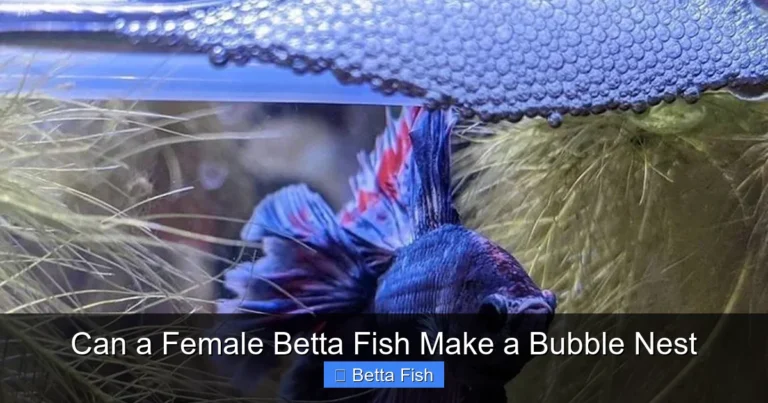
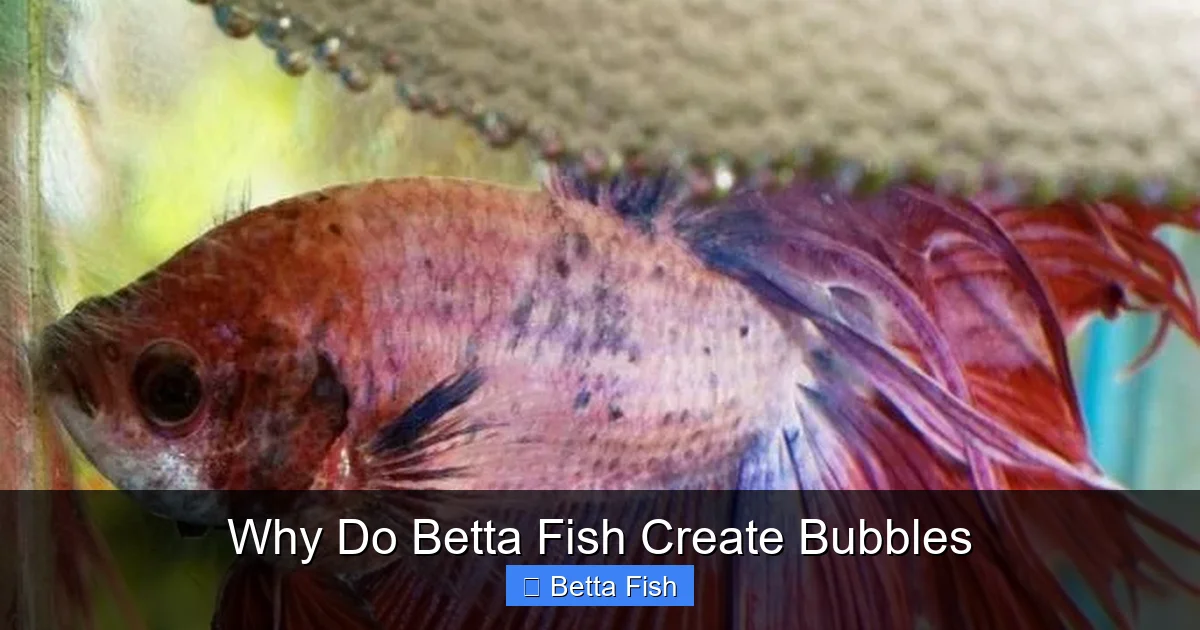
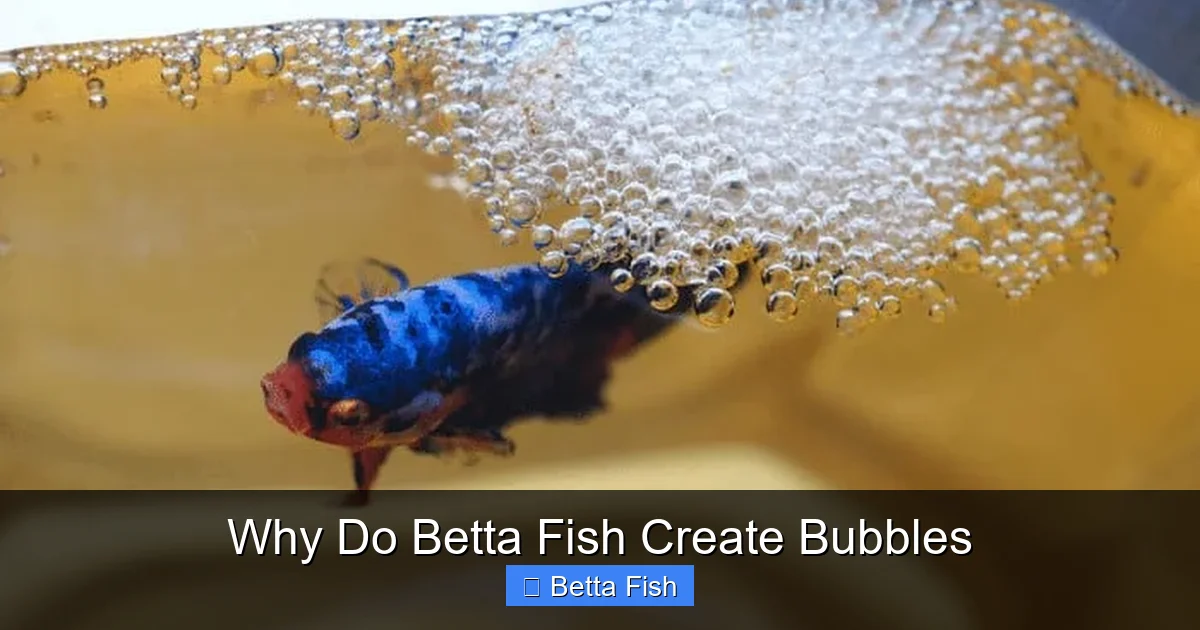
Male bettas are famous for building bubble nests on the water’s surface. These floating structures are made of air bubbles coated with mucus. The nest provides a safe cradle for eggs and newly hatched fry.
Visual guide about Why Do Betta Fish Create Bubbles
Image source: koiusa.co
When Do Betta Fish Make Bubble Nests?
Usually during the breeding season, triggered by changes in daylight, temperature (around 78‑80°F), and the presence of a female. If you notice a large, cohesive cluster of bubbles near the top, your betta may be getting ready to mate.
Tips for Encouraging a Healthy Nest
- Keep the water temperature steady between 78‑80°F.
- Provide a calm surface—no strong currents.
- Offer a floating leaf or a piece of smooth plastic as a “foundation.”
For more on nest building, see our article Why Do Betta Fish Make Bubble Nests.
3. Surface Breathing and Oxygen Needs
When Low Oxygen Triggers Bubbles
If the tank water is warm, over‑stocked, or lacks proper filtration, dissolved oxygen drops. Your betta will gulp air more often, creating a steady stream of bubbles. This is normal but signals you should improve aeration.
Visual guide about Why Do Betta Fish Create Bubbles
Image source: aquariumsphere.com
Simple Fixes
- Upgrade to a gentle sponge filter.
- Add a small air stone set on low flow.
- Perform a 20‑30% water change weekly.
4. Stress, Illness, and Excessive Bubbling
Signs That Bubbles Are a Warning
While occasional bubbling is fine, constant, frantic blowing can mean stress or disease. Look for other red flags: faded colors, clamped fins, or rapid breathing.
Common Stressors
- Sudden temperature swings.
- Too much bright light.
- Incompatible tank mates (if you keep a community).
If you suspect illness, check water parameters and consider a quarantine tank. Our guide How Do You Know If Your Betta Fish Is Dying can help you spot early signs.
5. Environmental Factors That Influence Bubbling
Tank Covers and Surface Tension
Many betta owners use tight-fitting lids to prevent jumps. However, a solid cover can trap air, making bubbles linger longer. A lightweight mesh cover allows bubbles to pop naturally while still keeping the fish safe.
Water Temperature and pH
Warmer water holds less oxygen, encouraging more surface breathing. Keep temperature in the 76‑82°F range and maintain a stable pH between 6.5‑7.5.
Decor and Plant Choices
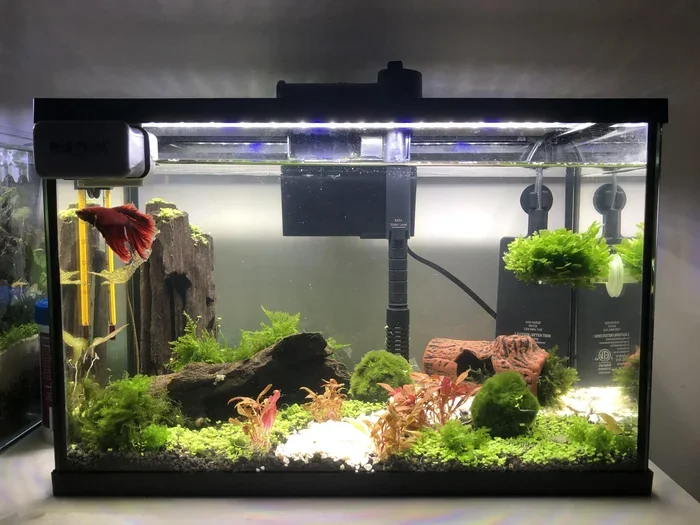
Live plants release oxygen during the day, reducing the need for air gulping. Floating plants like Salvinia also give bettas a natural surface to explore.
6. How to Differentiate “Good” Bubbles from “Bad” Bubbles
Good Bubbles
- Occasional pops near the surface.
- Small clusters that dissolve quickly.
- Presence of a tidy bubble nest during breeding.
Bad Bubbles
- Continuous streams lasting minutes.
- Large, frothy masses covering the surface.
- Accompanied by gasping, lethargy, or loss of color.
When in doubt, test your water with a reliable kit. Consistently high ammonia or nitrite levels often correlate with unhealthy bubbling.
Conclusion: Keep the Bubbles Friendly
Understanding why do betta fish create bubbles helps you create a thriving home for your pet. Normal bubbling can be a sign of a happy, breeding‑ready male, while excessive bubbles may point to oxygen issues or stress. By monitoring water quality, temperature, and tank accessories, you can ensure those bubbles stay a beautiful part of your betta’s daily routine rather than a cry for help.
Remember, a well‑maintained tank, proper diet, and a calm environment are the best gifts you can give your betta. Happy bubbling!
Frequently Asked Questions
Why does my betta fish blow bubbles even when it’s not breeding?
Betta fish often gulp air to supplement oxygen, especially in warm or low‑oxygen water. This natural behavior can look like bubble blowing.
Are bubble nests only made by male bettas?
Yes, only male bettas build bubble nests. Females may assist by releasing eggs, but they do not create nests.
Can bubbles indicate that my tank water is dirty?
Excessive bubbling can be a sign of poor water quality. High ammonia or low oxygen levels make the fish rely more on surface breathing.
How can I stop my betta from blowing too many bubbles?
Improve aeration with a gentle filter or air stone, keep the temperature stable, and perform regular water changes.
Do bubble nests harm the betta or the tank?
No, bubble nests are harmless and actually protect the eggs. They may look messy, but they’re a natural part of breeding.
Is it normal for a betta to create bubbles when it’s stressed?
Stress can increase surface breathing, leading to more bubbles. Look for other stress signs like faded colors or clamped fins.