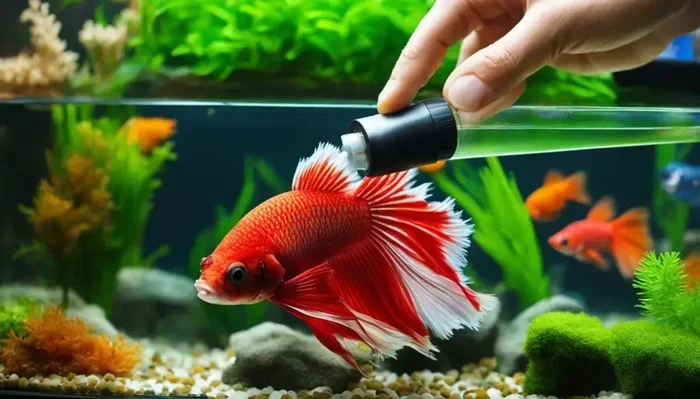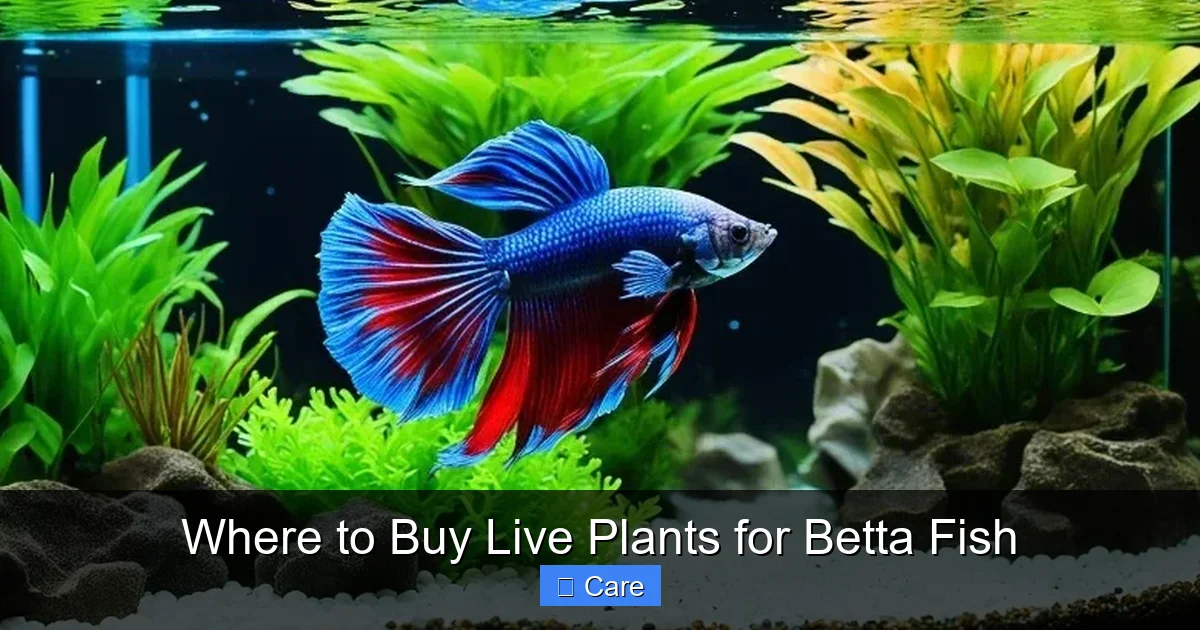
Where to Buy Live Plants for Betta Fish
Looking for live plants to create a lush home for your betta? This guide shows where to buy them, what to consider, and how to keep them thriving. From big‑box retailers to niche online growers, we’ve got you covered.
Key Takeaways
- Know your betta’s needs: Choose plants that are safe, provide hiding spots, and suit the tank size.
- Shop locally and online: Both have advantages—local stores let you see plants, while online shops often offer wider varieties.
- Check plant health: Look for signs of rot, algae, or pests before purchasing.
- Consider easy‑care species: Anubias, Java fern, and Marimo are beginner‑friendly and hardy.
- Mind the water parameters: Match plant preferences to your tank’s temperature, pH, and lighting.
- Budget wisely: Live plants range from $2 to $20 each; buying in bulk can save money.
- Proper acclimation is key: Gradually introduce new plants to avoid shocking your betta or the tank ecosystem.
📑 Table of Contents
- Introduction: Why Live Plants Matter for Betta Fish
- 1. Local Pet Stores: The Classic First Stop
- 2. Specialty Aquarium Nurseries: Quality Over Quantity
- 3. Online Marketplaces: Convenience Meets Variety
- 4. Community Exchanges and Local Clubs
- 5. DIY Propagation: Grow Your Own Supply
- 6. Choosing the Right Plants for Your Betta Setup
- Conclusion: From Store Shelf to Lush Betta Paradise
Introduction: Why Live Plants Matter for Betta Fish
Betta fish are famous for their flamboyant fins and bold personalities, but they also have a softer side. In the wild, they glide through dense vegetation, using leaves and stems as hiding places, breeding sites, and foraging grounds. Replicating that natural environment in a home aquarium does more than look pretty—it reduces stress, encourages natural behavior, and can even improve water quality.
If you’ve ever stared at a barren plastic tank and wondered how to make it feel more like a riverbank, the answer is simple: live plants. But before you rush to the nearest store, you need to know where to find healthy, betta‑friendly species and how to keep them thriving. This article walks you through the best places to buy live plants for betta fish, what to look for, and practical tips to set up a lush, low‑maintenance aquascape.
1. Local Pet Stores: The Classic First Stop
What You’ll Find
Most chain pet stores—PetSmart, Petco, and regional aquarium shops—carry a modest selection of live plants. Expect common beginners’ favorites such as:

Visual guide about Where to Buy Live Plants for Betta Fish
Image source: bettasource.com
- Java fern (Microsorum pteropus)
- Anubias nana
- Amazon sword (Echinodorus amazonicus)
- Hornwort (Ceratophyllum demersum)
- Marimo moss balls
These plants are usually sold in small plastic pots or bundled in mesh. The advantage is that you can see the plant’s color, leaf texture, and overall health before buying.
Pros and Cons
- Pros: Immediate pickup, no shipping costs, ability to inspect plants in person.
- Cons: Limited variety, occasional “run‑down” stock that has been sitting on shelves for weeks.
Tips for Buying at a Pet Store
- Look for bright green leaves without brown spots or mushy stems.
- Gently squeeze the pot—healthy roots should feel firm, not soggy.
- Ask staff about the plant’s lighting and nutrient needs; many stores stock “starter kits” with fertilizer tablets.
- If the store offers a “plant quarantine” tank, consider buying from there to reduce the risk of hitchhiking pests.
2. Specialty Aquarium Nurseries: Quality Over Quantity
Why Choose a Nursery?
Specialty nurseries focus exclusively on aquatic plants. They grow their stock in controlled environments, often using CO₂ injection and premium substrates. Examples include:
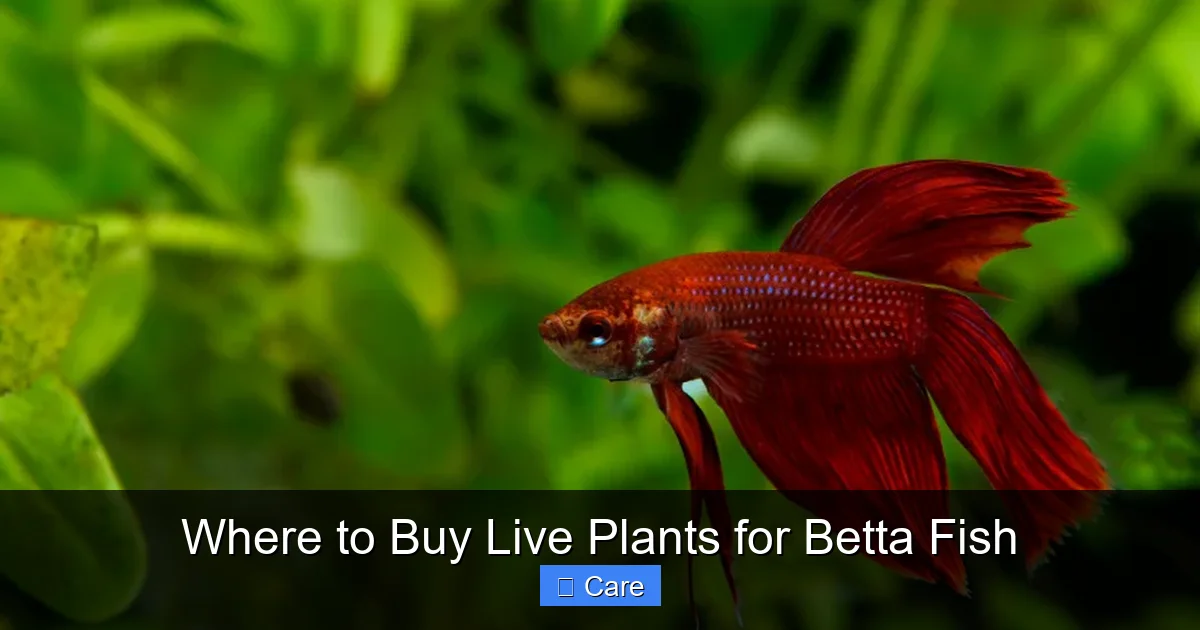
Visual guide about Where to Buy Live Plants for Betta Fish
Image source: japanesefightingfish.org
- GreenLeaf Aquatics (USA)
- AquaPlant Supply (UK)
- Plants4Aquarium (Australia)
- Local university or community garden projects that sell aquarium‑grade cuttings.
These sources typically offer a wider range of species, including delicate crypts, ferns, and even dwarf vallisneria.
How to Find a Reliable Nursery
- Search online forums (BettaFish, AquariaCentral) for “recommended plant growers.”
- Check reviews on Google, Trustpilot, or Reddit’s r/Aquariums.
- Look for certifications such as “ISO 9001” or “Organic Aquatic Plant Certification.”
What to Expect
Nurseries often ship plants in insulated boxes with moist peat or sphagnum moss to keep them hydrated. Prices are higher—$5–$15 per plant—but you receive healthier, well‑rooted specimens that adapt quickly.
Tips for Ordering
- Ask about their shipping method—most reputable growers use “cold packs” to avoid overheating.
- Inquire about a “plant health guarantee.” Good growers will replace any plant that arrives dead or diseased.
- Order a few extra stems of the same species; they can serve as backups if one fails to establish.
3. Online Marketplaces: Convenience Meets Variety
Popular Platforms
Websites like Amazon, eBay, and Etsy host dozens of sellers offering live aquarium plants. While the selection is massive, quality can vary dramatically.

Visual guide about Where to Buy Live Plants for Betta Fish
Image source: bettasource.com
How to Spot a Trustworthy Seller
- High seller rating (4.5 stars or above) and a minimum of 100 reviews.
- Detailed product photos showing live, vibrant plants—not just stock images.
- Clear shipping policies that include tracking and insurance.
- Responsive customer service—ask a question before buying; reliable sellers will reply promptly.
Best‑Selling Betta‑Friendly Plants on Marketplaces
- “Betta Bliss” Java Moss (Taxiphyllum barbieri) – great for surface cover.
- “Mini Anubias” – compact, perfect for small tanks.
- “Floating Duckweed” (Lemna minor) – creates a natural canopy and helps lower water temperature.
Potential Pitfalls
Some sellers ship plants that have been out of water for days, leading to root rot. Always read recent buyer feedback about plant condition upon arrival.
4. Community Exchanges and Local Clubs
Why Join a Community?
Aquarium clubs, hobbyist Facebook groups, and local fish‑keeping meet‑ups often host plant swaps. Members trade cuttings, seedlings, or even mature plants. This is a cost‑effective way to diversify your tank without spending much.
Finding a Group Near You
- Search “aquarium club [your city]” on Google or Meetup.com.
- Join Facebook groups like “Betta Fish Lovers” and look for “plant swap” posts.
- Visit local fish‑store bulletin boards; many stores allow flyers for community events.
Things to Keep in Mind
- Inspect plants for pests before taking them home.
- Ask the donor about the plant’s water parameters and any fertilizers used.
- Offer something in return—maybe a betta fry, a decorative rock, or a portion of your own plant cuttings.
5. DIY Propagation: Grow Your Own Supply
Starting From Cuttings
Many popular betta plants propagate easily from cuttings:
- Anubias: Snip a leaf with a small piece of rhizome; plant the rhizome in substrate.
- Java Fern: Trim a healthy frond and attach it to driftwood or rock with fishing line.
- Hornwort: Divide the bunch into smaller clumps and re‑plant.
Setting Up a Propagation Tank
Use a small 5‑gallon tank with low lighting (2–3 watts) and a gentle filter. Add a nutrient‑rich substrate like ADA Aqua Soil or a layer of laterite. Place cuttings, keep the water temperature between 75–80°F, and watch roots develop within 2–4 weeks.
Benefits of DIY
- Cost‑effective—once you have a starter plant, you can produce dozens of clones.
- Control over plant health—no risk of hidden pests.
- Personal satisfaction—there’s nothing like seeing a plant you grew yourself thrive in your betta’s tank.
6. Choosing the Right Plants for Your Betta Setup
Key Factors to Consider
- Tank Size: Small 2.5‑5‑gallon tanks benefit from low‑growth plants (Anubias, Java fern). Larger tanks can host taller species like Amazon sword.
- Lighting: Low‑light plants (Java moss, Anubias) are ideal for bettas, which prefer dimmer environments. If you have strong lighting, add floating plants to diffuse intensity.
- Water Parameters: Most betta‑friendly plants thrive at pH 6.5–7.5 and temperatures 75–82°F. Avoid acid‑loving plants like some Cryptocorynes if your water is on the higher side.
- Maintenance Level: Beginners should stick with hardy, slow‑growing species that require minimal trimming.
Top 5 Betta‑Friendly Live Plants
- Java Fern (Microsorum pteropus): Attaches to driftwood, tolerates low light, and has broad leaves for betta to explore.
- Anubias Nana: Small, sturdy, and can be placed on rocks or substrate without being uprooted.
- Marimo Moss Ball: A fun, rolling “plant” that also helps absorb nitrates.
- Floating Duckweed: Provides shade, reduces surface tension, and can be harvested easily.
- Java Moss: Creates a soft carpet for fry and offers hiding spots for shy bettas.
Acclimating New Plants to Your Betta Tank
When you bring live plants home, follow these steps:
- Rinse: Gently rinse roots under dechlorinated water to remove any transport debris.
- Quarantine (optional): Place plants in a separate container with tank water for 24‑48 hours to watch for pests.
- Plant: Use tweezers to bury roots in substrate or tie fronds to décor with fishing line.
- Monitor: Check daily for signs of decay; remove any yellowing leaves promptly.
Conclusion: From Store Shelf to Lush Betta Paradise
Finding the right live plants for your betta fish is a rewarding journey. Whether you browse the aisles of a local pet store, order from a specialist nursery, or swap cuttings with fellow hobbyists, the key is to prioritize plant health and match species to your tank’s conditions. Healthy live plants not only beautify the aquarium but also create a more natural, stress‑free environment for your betta to flourish.
Start small—pick one or two hardy plants, watch them grow, and expand your aquascape over time. With the right sourcing and a bit of care, you’ll transform a simple glass bowl into a vibrant underwater garden that both you and your betta will love.
Frequently Asked Questions
What are the safest live plants for a betta fish?
Java fern, Anubias nana, and Java moss are top choices because they thrive in low light, have soft leaves, and won’t outgrow a small tank.
Can I keep live plants in a betta tank without CO₂ injection?
Yes. Most beginner‑friendly plants like Anubias and Java fern do well without added CO₂, especially in low‑light setups.
How often should I trim live plants in a betta aquarium?
Trim only when you see overgrowth or yellowing leaves—usually every 4–6 weeks. Over‑trimming can stress the plant and the betta.
Do live plants help improve water quality for bettas?
They do. Plants absorb nitrates and produce oxygen, helping to maintain a healthier water column and reducing algae growth.
Is it okay to use fertilizer tablets with live plants?
Yes, but use them sparingly. A single tablet per month in a small betta tank is enough; excess nutrients can cause algae spikes.
Can I mix live plants with artificial décor?
Absolutely. Combining live plants with rocks, driftwood, or silk plants creates a natural look while giving your betta varied territories to explore.