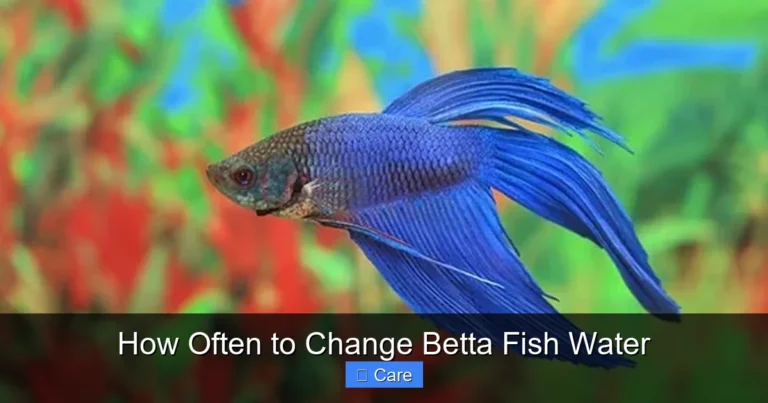
Can You Put Betta Fish with Other Fish
While it’s possible to house a betta fish with other fish, it’s rarely straightforward and often ends in disaster due to the betta’s aggressive, territorial nature. Success depends entirely on your individual betta’s personality, a properly sized and decorated tank, and choosing specific, peaceful tank mates that won’t trigger aggression. For most beginners, keeping a betta as a solo fish is the safest, happiest, and most stress-free choice for everyone involved.
Key Takeaways
- Betta temperament is highly individual: Some bettas are mild-mannered, but most are aggressive. Never assume your betta will be peaceful.
- Tank size is non-negotiable: A minimum of 10 gallons is essential for any community tank attempt with a betta; 20+ gallons is dramatically safer.
- Tank decor is your best tool: Dense planting, caves, and visual barriers are critical to break line-of-sight and give the betta and other fish territories.
- Choose tank mates with extreme caution: Target peaceful, fast, schooling fish from the bottom or top levels. Avoid anything with bright colors or flowing fins.
- Always have a backup plan: You must be prepared to separate the betta immediately at the first sign of aggression, requiring a second tank.
- Female bettas are not a “solution”: While they can sometimes live in sororities, they are still aggressive and are not guaranteed to be peaceful with other species.
- Slow, careful introductions are mandatory: Use a divider or quarantine tank first. Never just drop a new fish into a betta’s established tank.
📑 Table of Contents
- Can You Put Betta Fish with Other Fish? The Honest Answer
- Understanding Betta Temperament: The Fierce Individualist
- The Non-Negotiable Tank Setup for Success
- The “Maybe” List: Compatible Tank Mates for Bettas
- The “Never” List: Fish to Absolutely Avoid with Bettas
- The Step-by-Step Introduction Protocol (If You Dare)
- The Reality Check: When to Just Keep Your Betta Solo
- Conclusion: Patience, Preparation, and Prudence
Can You Put Betta Fish with Other Fish? The Honest Answer
So you’ve fallen in love with the flowing fins and vibrant colors of a betta fish, and you’re picturing a beautiful, bustling community tank. You’re not alone in asking, “Can you put betta fish with other fish?” It’s one of the most common questions in the aquarium hobby. The short, honest answer is: sometimes, but it’s a calculated risk with a high failure rate. The slightly longer answer is that it depends almost entirely on your specific betta’s personality, the right tank setup, and a carefully curated list of potential roommates.
Betta splendens, or Siamese fighting fish, earned their name for a reason. For centuries, they were bred for aggression in fights. While modern hobby bettas are generally less vicious than their wild ancestors, that territorial, possessive spark is still very much alive. Most bettas will see another fish—especially one that looks like them—as an intruder to be chased, nipped, or worse. This makes the dream of a peaceful community tank a challenge that requires more strategy and preparedness than many new betta owners realize.
This guide will walk you through everything you need to know. We’ll debunk myths, dive into betta temperament, explore the very few compatible species, and lay out the exact tank requirements and introduction protocols that give you a fighting chance at success. But first, we must understand our star (and potential antagonist): the betta fish itself.
Understanding Betta Temperament: The Fierce Individualist
Not All Bettas Are Created Equal
This is the most important concept to grasp. While the species has a reputation, betta personalities exist on a massive spectrum. You might get a lazy, curious “puppy dog” betta who floats at the surface watching your every move. You might get a relentless, fin-nipping demon who attacks his own reflection. You could get anything in between. Your betta’s disposition is a genetic lottery, influenced by its specific breeding line and individual mood.
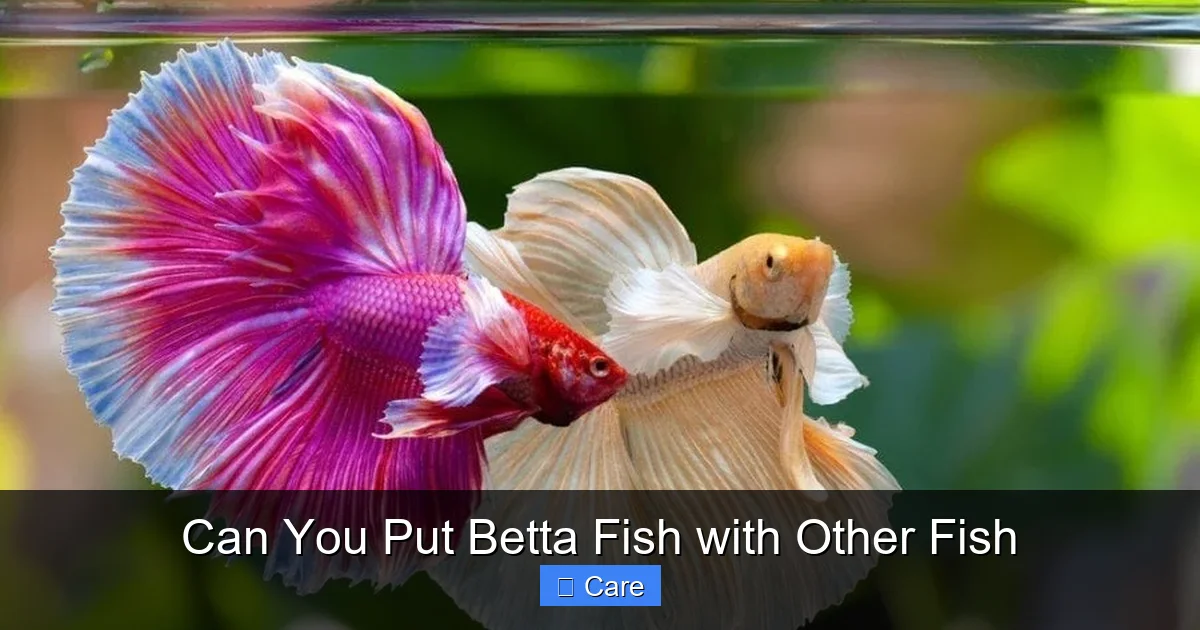
Visual guide about Can You Put Betta Fish with Other Fish
Image source: hepper.com
The key takeaway is this: you cannot predict a betta’s temperament with certainty until you observe it over time. A betta that seems calm in a small cup at the pet store may become a terror in a spacious, planted tank. Conversely, a betta that flares at everything in the store might mellow out significantly in a well-structured environment. Always plan for the worst-case scenario (aggression) and hope for the best (tolerance).
What Triggers a Betta’s Aggression?
Understanding triggers helps you design a tank that minimizes them. The primary triggers are:
- Territory: Bettas, especially males, claim a specific area—usually the top half of the tank near floating plants or a leaf. Intruders entering this “bubble nest zone” are immediate targets.
- Visual Stimuli: Anything that resembles another betta. This includes fish with long, flowing fins (like guppies or fancy goldfish), fish with bright, bold colors (especially reds and blues), and even your own reflection. A betta will often flare (puff up its gills and fins) at its own reflection, which is a sign of high stress and aggression.
- Movement: Fast, darting fish can trigger a chase instinct. Slow, deliberate fish might be ignored.
- Fin-nipping Instinct: Bettas are instinctively drawn to the flowing fins of other fish, seeing them as rival males. This makes fish like male guppies, fancy-tailed goldfish, and even some female bettas targets.
A tank designed to reduce these triggers—by breaking sight lines, providing ample space, and avoiding visual mimics—is the first step toward potential harmony.
The Non-Negotiable Tank Setup for Success
If you are seriously considering a community tank, your betta cannot be in a 1-gallon bowl or a standard 5-gallon “starter kit.” The tank itself is your single greatest tool for managing betta aggression. Think of it as creating a vast, complex kingdom where your betta is king, but there are plenty of hidden provinces for other citizens to live without disturbing the monarch.
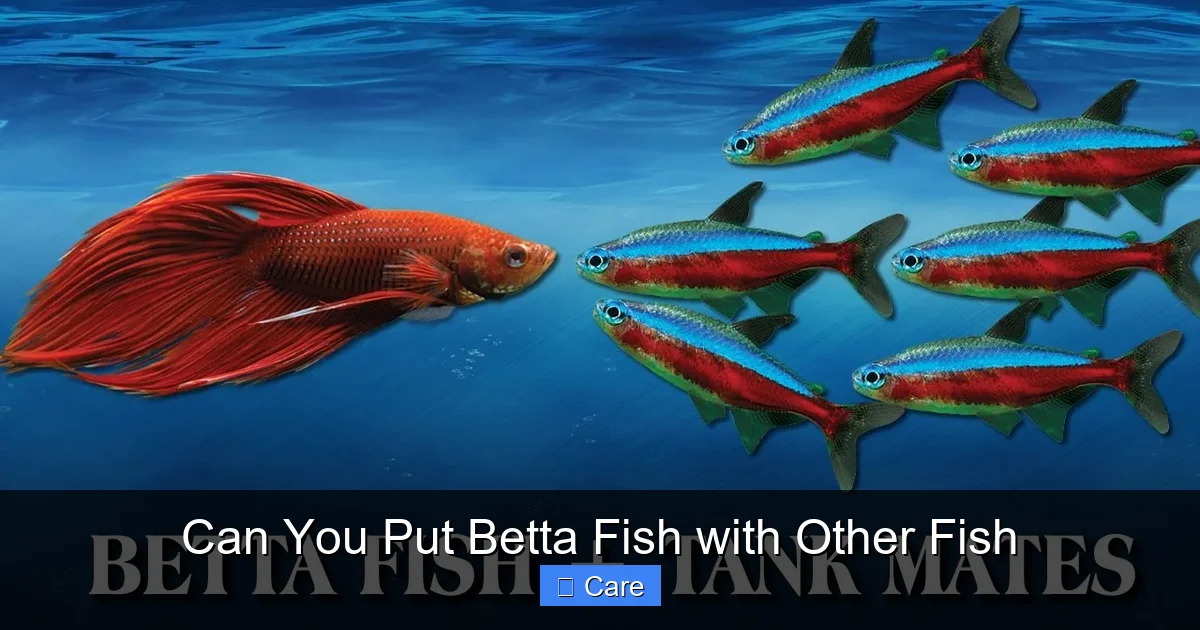
Visual guide about Can You Put Betta Fish with Other Fish
Image source: i.ytimg.com
Tank Size: Bigger is Infinitely Better
The absolute minimum for any betta community attempt is a 10-gallon tank. A 20-gallon long (with more horizontal swimming space) is the true sweet spot and dramatically increases your odds of success. Why?
- Space Dilutes Aggression: In a small tank, your betta sees a new fish as an immediate threat in its limited domain. In a larger tank, the intruder can be seen as a distant, non-threatening entity if there’s enough room.
- Establishes True Territories: You can create distinct areas—a top-dwelling zone, a mid-water zone, and a bottom-dwelling zone—so fish don’t constantly cross paths.
- Water Stability: Larger volumes of water are more forgiving of minor parameter swings, which is crucial when adding new fish that can affect water quality.
If you only have a 5-gallon tank, do yourself and your future fish a favor: keep your betta alone. It will be healthier, less stressed, and you’ll avoid heartbreaking losses.
Aquascaping: Your Secret Weapon Against Conflict
This is where you get creative. Your goal is to obstruct the betta’s line of sight. A betta cannot flare at what it cannot see. A tank filled with tall plants, driftwood, and rocks creates visual barriers and gives every fish a place to hide.
- Floating Plants are Essential: Species like Salvinia minima, Duckweed, or Water Sprite form a beautiful canopy at the surface. This is perfect betta territory—it feels secure under the leaves—and it blocks its view of the top of the tank, where other fish might swim.
- Dense, Tall Background Plants: Use silk or live plants like Amazon swords, Vallisneria, or Cryptocorynes to create a thick forest along the back and sides.
- Driftwood and Rock Caves: Provide hiding spots for bottom-feeders. Ensure there are no sharp edges that could tear fins.
A well-planted tank isn’t just pretty; it’s a functional stress-reduction system. The more places fish can claim as their own, the less they will compete.
The “Maybe” List: Compatible Tank Mates for Bettas
Let’s be clear: there is no guaranteed safe tank mate for a betta. Compatibility is a gamble. However, based on decades of collective hobbyist experience, some species have a statistically higher success rate when all other conditions (tank size, decor, betta personality) are perfect. These are the “maybe” fish.
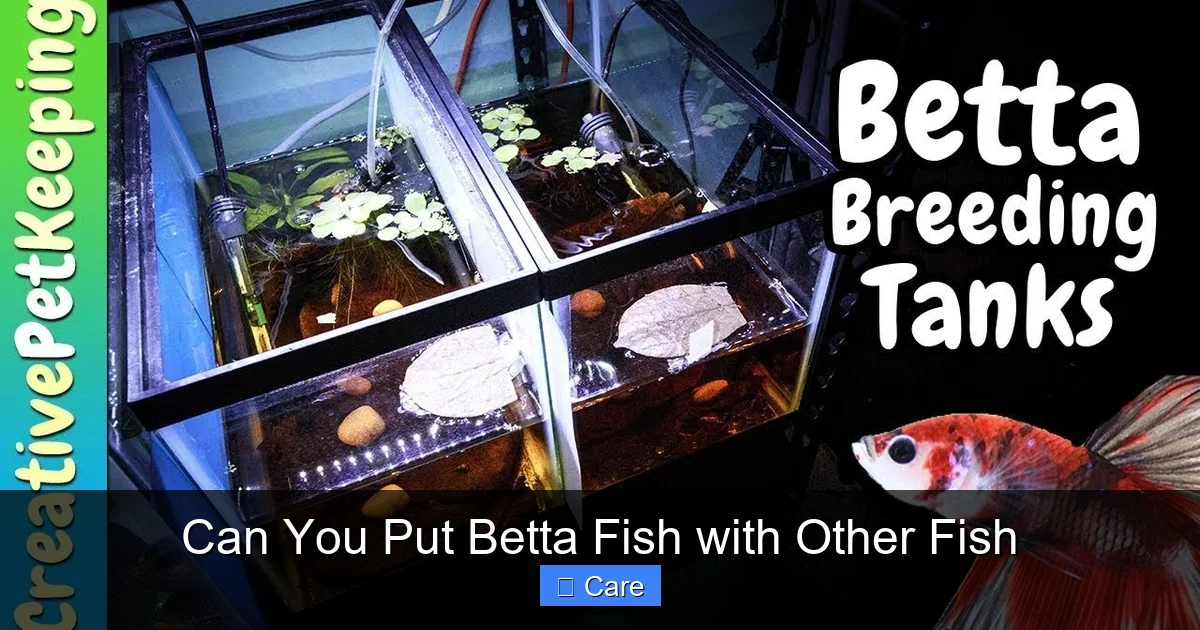
Visual guide about Can You Put Betta Fish with Other Fish
Image source: i.ytimg.com
The Gold Standards: Harlequin Rasboras & Celestial Pearl Danios
These are often cited as the best candidates, and for good reason.
- Harlequin Rasboras (Trigonostigma heteromorpha): They are peaceful, schooling fish that prefer the top and middle levels. Their orange/red coloration is different from a betta’s, and they are fast enough to evade a curious betta. They thrive in groups of 6+ and will ignore a betta if given space. A 10+ gallon tank with a school of 8-10 rasboras can be a stunning, stable combination with a mellow betta.
- Celestial Pearl Danios (Danio margaritatus): Also known as Galaxy Rasboras, these tiny, sparkly fish are active but not overly boisterous. Their spotted pattern is not betta-like. They are primarily top and mid-level swimmers and do best in schools. Their small size (under 1 inch) means they are less likely to be seen as a threat.
With both species, the number one rule is: keep them in a proper school. A single rasbora or danio will be stressed and will also draw more attention from the betta. A group of 6 or more behaves naturally and is less likely to be singled out.
The Bottom-Dwellers: Kuhli Loaches & Corydoras Catfish
These fish occupy a completely different stratum of the tank, which is key to avoiding conflict.
- Kuhli Loaches (Pangio kuhlii): These fascinating, eel-like fish are nocturnal and spend their days burrowed in the substrate or hiding under decorations. They are completely non-threatening and rarely seen during the day, making them excellent, low-interaction tank mates. They need a soft, sandy substrate and groups of 3+.
- Corydoras Catfish: The adorable “cory cats” are the quintessential peaceful bottom-feeders. They are social and should be kept in groups of 5-6. Their armored plates protect them from occasional nips, and their constant foraging at the bottom keeps them out of the betta’s primary territory. Choose smaller species like Corydoras pygmaeus or C. hastatus for a 10-gallon tank.
These bottom-feeders are often the safest bet because they literally live in a different world from the surface-dwelling betta.
Other Cautious Considerations
- White Cloud Mountain Minnows: Cold-water fish that are peaceful and fast. They prefer cooler temperatures (68-72°F) than bettas (78-80°F), which makes temperature a compromise. Only attempt if you can maintain a stable 74-76°F, which is acceptable for both. Their long, slender bodies and different coloration can work.
- African Dwarf Frogs: A popular, but risky, invertebrate choice. They are fully aquatic and peaceful. The risk is that a betta may try to nip at the frog’s legs, and frogs can be messy eaters. Requires excellent water quality and careful observation.
Remember: Even with these “compatible” species, your individual betta’s reaction is the final say. Always have a backup tank ready.
The “Never” List: Fish to Absolutely Avoid with Bettas
This list is arguably more important than the “maybe” list. Putting a betta with any of these fish is practically guaranteeing aggression, stress, injury, or death.
Other Bettas (The Obvious One)
Male bettas will fight to the death with other males. Period. Female bettas can sometimes be kept in groups (a sorority), but this requires a heavily planted 20+ gallon tank with 5+ females of similar size and temperament to dilute aggression. Even then, it’s a risky endeavor. Never, ever put a male betta with a female betta outside of a controlled breeding scenario.
Fish with Long, Flowing Fins
This is a betta’s ultimate trigger. The betta will see the long fins and think it’s a rival male. This includes:
- Male Guppies
- Fancy Goldfish (e.g., Orandas, Veiltails)
- Angelfish
- Siamese Algae Eaters (they also get large and can be semi-aggressive)
- Any other fish with pronounced, flowing finnage.
Brightly Colored Fish (Especially Red)
Bettas are red-blooded (literally). The color red is a primary aggression trigger as it mimics the color of an aggressive male betta. Avoid:
- Male Paradise Fish
- Red-tailed Sharks
- Many male Swordtails
- Cardinal Tetras (their bright red stripe is a problem)
Stick to more muted, peaceful colors like those of rasboras, danios, and Corydoras.
Fast, Nippy, or Fin-Clippers
Some fish are simply bullies or have a habit of nipping fins.
- Tiger Barbs: Famous fin-nippers. Absolute no.
- Most “Active” Tetras (e.g., Serpae Tetras, Black Skirt Tetras): Can be nippy and may harass a slower betta.
- Some Danios (like Zebra Danios): Can be hyperactive and may pester a betta, though Celestial Pearl Danios are an exception due to their more timid nature.
The Step-by-Step Introduction Protocol (If You Dare)
So you have a 20-gallon, heavily planted tank, a peaceful-looking betta, and a school of harlequin rasboras. Now what? The introduction is a multi-stage process designed to desensitize your betta to the new fish. Rushing this is the #1 reason community tanks fail.
Step 1: The Quarantine & Observation Tank
All new fish must be quarantined separately for at least 2-4 weeks to check for diseases. This period is also your first chance to observe your betta’s reaction. Place the quarantine tank (a simple 5-gallon setup) next to your main community tank. Let your betta see the new fish through the glass. Observe its behavior for 15-20 minutes at a time over several days.
- Flaring and rapid gill movement is normal initial curiosity/aggression.
- Constant, relentless flaring, glass surfing (following the fish along the tank), and puffed-up posture are signs of high aggression.
If the betta shows only mild, occasional flaring and then loses interest, you *may* proceed. If it’s obsessed, stop. This betta is not a candidate for a community tank.
Step 2: The Divider Method (The Safest Way)
Use a clear divider (like a piece of acrylic or a specialized tank divider) to split the main tank in half. Place the betta on one side and the new, fully quarantined fish school on the other. Leave the divider in place for at least a week, ideally two.
- This allows them to see each other but not interact physically.
- Watch for continued, intense flaring from the betta. Some initial flaring is ok; constant agitation is not.
- The goal is habituation: the betta sees the new fish as a constant, non-threatening part of its environment.
Step 3: The First Removal & Supervised Release
After the divider period, remove the betta using a net or a separate container. Take it out of the room. Now, release the new fish into the entire tank. Let them explore for 15-30 minutes. Then, bring your betta back and acclimate it to the tank water (using the drip method if possible) before gently netting it back in.
Why this works: The new fish now “own” the entire tank. When the betta is reintroduced, it’s entering *their* established space, not the other way around. This can sometimes reduce the betta’s immediate territorial “ownership” claim.
Step 4: 24/7 Observation for the First Week
For the first 72 hours, you should be watching the tank like a hawk, especially during feeding times when competition is highest. Have a net ready. Look for:
- Chasing: The betta pursuing other fish to the point of exhaustion.
- Nipping: Any fish with torn or shredded fins.
- Hiding: Any fish that is constantly cowering and not coming out to eat.
- Betta exhaustion: A betta that is constantly flaring and chasing will become lethargic.
At the first sign of sustained aggression or injury, you must separate the betta immediately. Do not hope they’ll “work it out.” They won’t. You will need a second, permanent tank for the betta.
The Reality Check: When to Just Keep Your Betta Solo
Let’s be practical. For the vast majority of betta owners, especially beginners, a single betta in a properly sized, heated, filtered, and planted tank is the ideal, stress-free, and most ethical setup. A lone betta will be confident, display its beautiful fins fully, and be the undisputed star of its own kingdom. There is no guilt in this choice; it’s a responsible one.
The Benefits of a Solo Betta Tank
- Zero Aggression Risk: No chance of fin-nipping, chasing, or death.
- Simpler Maintenance: One fish, one bio-load. Easier to manage water parameters.
- Better Health: Less stress means a stronger immune system and longer lifespan (3-5+ years is common for well-cared-for solo bettas).
- More Decor Freedom: You can decorate the tank entirely for the betta’s benefit—floating logs, broad-leafed plants for resting, gentle filters—without worrying about other species’ needs.
- Cost-Effective: No need for a second “hospital” or backup tank, no extra fish food costs, no risk of losing expensive tank mates.
Enrichment for a Solo Betta
A single betta needs mental stimulation. A barren tank with a bored betta is not a happy betta. Enrich its environment:
- Live or Silk Plants: Must-have for resting and hiding.
- A Floating Log or Leaf: BettaLogs are fantastic for them to rest under and claim as a nest-building spot.
- Gentle Flow: Bettas come from slow-moving waters. A filter with a gentle flow or a spray bar that breaks the current is essential.
- Occasional Treats: Feed high-quality pellets as a staple, but offer frozen or live foods like daphnia, brine shrimp, or bloodworms a few times a week for variety and hunting stimulation.
- Interactive Time: With patience, many bettas learn to follow a finger, flare on command, or even jump through a hoop. Training provides great enrichment.
Your betta can be a deeply engaging, interactive pet all on its own. You don’t need a community to have a fascinating aquarium.
Conclusion: Patience, Preparation, and Prudence
So, can you put betta fish with other fish? The answer is yes, but it should be approached not as a standard practice, but as a deliberate experiment for experienced aquarists. Success hinges on three pillars: Patience in the slow introduction process, Preparation in creating a large, complex, and barrier-filled environment, and Prudence in choosing the right, low-risk tank mates and having an immediate exit strategy.
For every story of a beautiful, thriving betta community tank, there are dozens of stories of torn fins, stressed fish, and tragic losses. The betta’s genetic legacy of aggression is a powerful force. Respecting that nature is the first step to being a responsible betta owner.
If you are new to fishkeeping, or even if you just want a low-stress, beautiful aquarium, please consider keeping your betta alone. Provide it with the spacious, warm, planted, and enriched home it deserves, and you will be rewarded with a vibrant, interactive, and long-lived companion. That is a community of one, and it is a wonderful thing.
Frequently Asked Questions
Can female betta fish live with other fish?
Female bettas are generally less aggressive than males, but they can still be territorial and nippy. A single female betta in a well-planted 10+ gallon tank with peaceful, fast tank mates like harlequin rasboras or corydoras can sometimes work. However, keeping a group of females (a sorority) is a complex, advanced endeavor requiring a 20+ gallon tank with heavy planting and is not recommended for beginners.
What is the absolute minimum tank size for a betta with other fish?
The absolute, bare minimum is a 10-gallon tank, but this is still very high-risk. A 20-gallon long tank is the strongly recommended starting point for any community attempt. In a 10-gallon, even peaceful tank mates have almost no space to escape a betta’s attention, making aggression almost inevitable.
Can betta fish live with shrimp?
It’s a gamble. Large, colorful shrimp like Cherry Shrimp are often seen as food and will be hunted. Smaller, more reclusive shrimp like Amano Shrimp or Ghost Shrimp have a better chance due to their size and camouflage, but they can still be eaten if the betta is particularly aggressive. Neocaridina shrimp (Cherries) are a high-risk addition.
What about snails?
Snails are generally the safest tank mate for a betta. They are slow, have hard shells, and are not fish, so they don’t trigger the same territorial or fin-nipping instincts. A betta might investigate a snail but will usually leave it alone. They also help clean the tank. Nerite snails or Mystery snails are excellent choices.
How do I know if my betta will tolerate tank mates?
You must test it slowly. Use the divider method described above. Place the potential tank mate in a clear divider within the betta’s tank for a week. Observe the betta’s reaction. Mild flaring that subsides is okay. Constant, frantic flaring, glass surfing, and puffed-up posture indicate a highly aggressive betta that will not tolerate tank mates.
My betta flares at its reflection. Does that mean it’s too aggressive for tank mates?
Flaring at its own reflection is a sign of a betta that is easily stimulated and possessive. While it’s not an automatic disqualifier, it’s a major red flag. This betta is highly likely to see any other fish as a rival. You would need an exceptionally large, heavily planted tank to even attempt introducing other fish with a betta that exhibits this behavior regularly. It’s often best to keep such a betta solo.