How Much Should You Feed Betta Fish for Best Health
Feeding your betta fish the right amount is crucial for its long-term health and happiness. Most owners wonder how much should you feed betta fish without causing digestive issues or water pollution. The general rule is to offer only what your fish can consume in two minutes, typically 2-3 pellets twice daily. Overfeeding leads to obesity, poor water quality, and shortened lifespans. By understanding proper portion control and feeding schedules, you will keep your colorful companion thriving for years to come.
Owning a betta fish is a wonderful experience. These vibrant creatures bring color and life to any room. However, many new owners struggle with one common question: how much should you feed betta fish. Getting this right matters more than you might think. Too little food causes malnutrition. Too much food creates serious health problems.
This guide will walk you through everything you need to know. We will cover portion sizes, feeding schedules, and the best food types. You will also learn how to spot overfeeding and what to do about it. By the end, you will feel confident in caring for your aquatic friend.
Key Takeaways
- Portion Control: Feed only 2-3 pellets per meal, totaling 4-6 pellets daily for adult bettas.
- Feeding Schedule: Offer food twice daily, once in the morning and once in the evening.
- Watch for Overfeeding: Uneaten food sinks and pollutes the tank, causing harmful ammonia spikes.
- Variety Matters: Rotate between pellets, frozen foods, and occasional treats for balanced nutrition.
- Fasting Benefits: Skip one feeding day per week to aid digestion and prevent constipation.
- Age Adjustments: Baby bettas need smaller, more frequent meals while adults require less food.
- Observe Behavior: Healthy bettas show interest in food; lethargy or spitting food signals problems.
📑 Table of Contents
- Understanding How Much Should You Feed Betta Fish
- The Best Feeding Schedule for Your Betta
- Choosing the Right Food Types and Portions
- Signs You Are Overfeeding Your Betta Fish
- How Much Should You Feed Betta Fish at Different Life Stages
- Maintaining Water Quality While Feeding
- Frequently Asked Questions
Understanding How Much Should You Feed Betta Fish
Betta fish have small stomachs. In fact, their stomach is roughly the size of one of their eyes. This tiny organ cannot handle large meals. When you ask how much should you feed betta fish, the answer starts with this simple fact. Overfeeding is the most common mistake new owners make.
In the wild, bettas eat small insects and larvae. They graze throughout the day. Captive bettas do not have this luxury. You control their food supply. This means you must mimic their natural eating patterns as closely as possible. Small, frequent meals work best for their digestive systems.
The general guideline is straightforward. Offer 2-3 pellets per feeding session. Do this twice each day. Your betta should finish all the food within two minutes. If food remains floating after this time, you gave too much. Remove the excess with a net or siphon.
Factors That Influence Feeding Amounts
Not every betta is the same. Several factors change how much food your fish needs. Age plays a big role. Young bettas grow quickly and need more frequent meals. Older bettas slow down and require less. Activity level also matters. A highly active fish burns more energy than a lazy one.
Water temperature affects metabolism too. Warmer water speeds up digestion. Colder water slows it down. If your tank runs cooler, your betta will need less food. Always monitor your fish’s behavior. A healthy betta swims actively and shows interest in meals.
Quick Tip
Start with 2 pellets twice daily. Watch your fish for a week. If it looks hungry, add one more pellet. If it leaves food behind, reduce the portion. Adjust based on your individual fish.
The Best Feeding Schedule for Your Betta
Consistency helps your betta feel secure. A regular schedule trains your fish to expect food at certain times. This reduces stress and encourages natural behavior. Most experts recommend feeding betta fish diet plans that include two meals per day.
Morning feeding works well. Your betta wakes up hungry after a night of fasting. Evening feeding provides energy before the lights go out. Space these meals about 12 hours apart. This gives your fish time to digest properly.
Some owners prefer once-daily feeding. This can work if you provide the right amount. However, splitting the food into two sessions prevents hunger spikes. It also keeps your betta more active throughout the day. Choose what fits your routine best.
Fasting Days and Digestion
Your betta needs a break sometimes. Skipping one feeding day each week helps digestion. This practice prevents constipation, a common issue in captive bettas. Constipation causes bloating and lethargy. A simple fast resolves this problem quickly.
Pick a day that works for you. Many owners choose Sunday as their fasting day. On this day, give no food at all. Your fish will not starve. Betta fish can go several days without eating safely. This rest day mimics natural feeding cycles in the wild.
Choosing the Right Food Types and Portions
The type of food you offer changes portion sizes. Pellets are the most common choice. They sink slowly and are easy to measure. Flakes work too, but they can cloud the water. Frozen foods provide excellent nutrition but require thawing. Live foods trigger hunting instincts but carry risks.
Here is a quick comparison of common food types:
| Food Type | Portion Size | Frequency | Pros | Cons |
|---|---|---|---|---|
| Pellets | 2-3 per meal | 2x daily | Easy to measure, low waste | Can expand in stomach if overfed |
| Flakes | Small pinch | 2x daily | Widely available, affordable | Clouds water, hard to measure |
| Frozen Bloodworms | 1-2 worms | 2-3x weekly | High protein, natural diet | Requires thawing, can foul water |
| Frozen Brine Shrimp | Small pinch | 2-3x weekly | Nutritious, easy to digest | More expensive, needs freezer |
| Live Worms | 1-2 worms | 1-2x weekly | Stimulates hunting, high protein | Parasite risk, hard to source |
Pellets vs. Flakes
Pellets remain the top choice for most owners. They are compact and easy to count. You know exactly how much you are giving. Flakes break apart easily. This makes portion control harder. Flakes also dissolve faster, which can dirty your tank.
If you use flakes, crush them slightly. This makes them easier for your betta to catch. Betta fish have upturned mouths. They prefer food at the surface. Both pellets and flakes work well for this feeding style.
Treats and Variety
Variety keeps your betta interested in meals. Offering the same food daily can cause boredom. It also limits nutrient intake. Rotate between pellets and frozen options. Try frozen bloodworms once or twice a week. These provide excellent protein.
Some owners wonder about vegetables. You can read more about this in our guide on can you feed betta fish vegetables. Vegetables are not a staple for bettas. They are carnivorous by nature. However, occasional treats like peas can help with digestion. Always prepare them properly before serving.
Signs You Are Overfeeding Your Betta Fish
Overfeeding causes more problems than underfeeding. Excess food sinks to the bottom. It decays and releases harmful ammonia. This damages your water quality quickly. Your fish also faces health risks from too much food.
Watch for these warning signs. A swollen belly indicates too much food. Lethargy and lack of interest in swimming also signal problems. Cloudy water despite regular cleaning suggests excess waste. Foul odors from the tank are another red flag.
If you notice these symptoms, act fast. Stop feeding for one or two days. Perform a partial water change. Remove any uneaten food from the substrate. Your betta should recover quickly with these steps. Prevention is always better than cure.
Common Mistakes to Avoid
Many owners make the same errors repeatedly. Here are the most common ones:
- Feeding too much at once: Large portions overwhelm the stomach. Stick to 2-3 pellets.
- Ignoring uneaten food: Leftover food rots and poisons the water. Always remove it.
- Feeding human food: Processed snacks lack proper nutrients. Learn more in our article about can you feed your betta fish human food.
- Skipping water changes: More food means more waste. Increase cleaning frequency if you feed heavily.
- Not adjusting for age: Baby bettas need different care. Check our guide on can you feed a baby betta fish for proper juvenile feeding.
Expert Insight
Overfeeding is the number one cause of premature death in pet bettas. Their digestive systems are delicate. When in doubt, feed less. Your fish will stay healthier with smaller, controlled portions.
How Much Should You Feed Betta Fish at Different Life Stages
Age changes everything when it comes to feeding. Baby bettas, also called fry, need frequent small meals. They grow rapidly and require constant nutrition. Feed them 3-4 times daily with tiny portions. Specialized fry food or crushed flakes work best.
Juvenile bettas, around 2-4 months old, need steady growth support. Offer 3 meals per day with moderate portions. Watch their development closely. They should gain color and size steadily. Adjust food amounts as they approach adulthood.
Adult bettas, typically 6 months and older, need maintenance feeding. Two meals daily with 2-3 pellets each is ideal. Senior bettas over 2 years may need less. Their metabolism slows with age. Reduce portions if you notice weight gain or decreased activity.
Special Considerations for Breeding Bettas
Breeding bettas have higher energy needs. Males build bubble nests and guard eggs. Females produce eggs and need extra protein. During breeding season, increase feeding slightly. Offer high-protein foods like frozen bloodworms or brine shrimp.
After spawning, the male guards the nest. He may not eat much during this time. Do not force him to eat. Let him rest and recover. Once the fry become free-swimming, the male can return to normal feeding. Always monitor stress levels during this intense period.
Maintaining Water Quality While Feeding
Food and water quality are directly connected. Every pellet you drop adds waste to the tank. Uneaten food decomposes into ammonia. Beneficial bacteria convert ammonia to nitrite, then to nitrate. This cycle requires careful management.
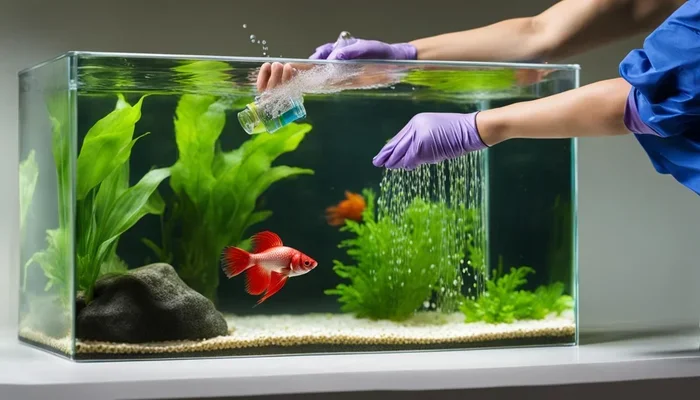
Regular water changes remove accumulated waste. Change 25-30% of the water weekly. Use a gravel vacuum to remove debris from the bottom. This prevents toxic buildup. Test your water parameters monthly. Ammonia and nitrite should always read zero.
Proper filtration helps too. A good filter removes solid particles and hosts beneficial bacteria. Clean your filter media monthly. Rinse it in tank water, not tap water. Chlorine kills the helpful bacteria you need.
Common Mistakes
Many owners overlook the connection between feeding and water quality. They feed heavily but change water rarely. This combination creates dangerous conditions. Always balance your feeding amount with your cleaning schedule.
Frequently Asked Questions
How many pellets should I feed my betta fish per day?
Most adult bettas do well with 4-6 pellets total per day. Split this into two meals of 2-3 pellets each. Watch your fish closely and adjust based on its size and activity level. Younger fish may need slightly more frequent feeding.
Can I feed my betta fish once a day?
Yes, once-daily feeding can work if you provide the full daily amount at one time. However, splitting food into two meals helps prevent hunger and keeps your fish more active. Two meals are generally preferred for better digestion and behavior.
What happens if I overfeed my betta fish?
Overfeeding causes bloating, constipation, and poor water quality. Uneaten food rots and releases ammonia, which harms your fish. If you overfeed, skip the next meal and perform a partial water change. Remove any leftover food immediately.
How long can a betta fish go without food?
Healthy adult bettas can survive 3-5 days without food safely. They can go longer in emergencies, but prolonged fasting weakens their immune system. Use fasting days intentionally for digestion, not as a regular feeding strategy.
Should I feed my betta fish at night?
Bettas are diurnal, meaning they are active during the day. Feeding in the morning and early evening works best. Avoid feeding right before lights out, as your fish may not eat and the food will rot in the dark.
Can I feed my betta fish bread or crackers?
No, bread and crackers offer no nutritional value for bettas. They swell in water and can cause digestive blockages. These processed foods also pollute the tank quickly. Stick to foods designed for bettas or safe frozen options.