Do Betta Fish Get Bored Signs and Easy Fixes
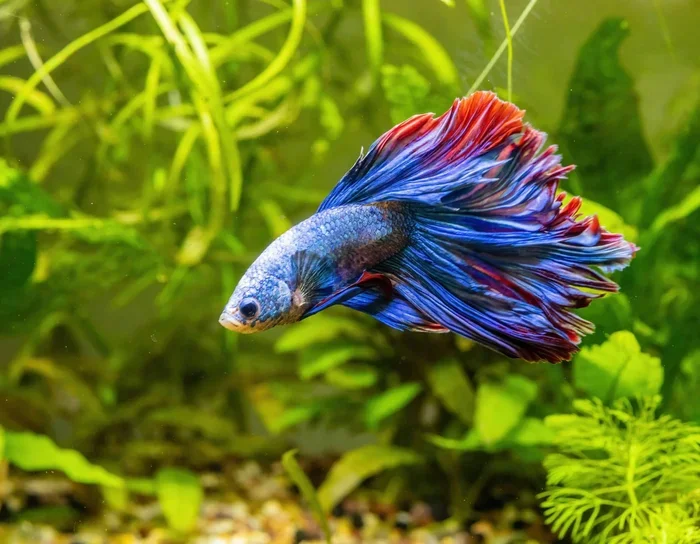
Do betta fish get bored? Yes, they absolutely can, especially when kept in bare tanks with no stimulation. A bored betta may show signs like lethargy, loss of color, or repetitive swimming patterns. The good news is that simple changes like adding plants, caves, and rotating tank mates can make a huge difference. Understanding your fish’s needs helps prevent stress and keeps them thriving. In this guide, we will explore the signs of boredom and share easy, practical fixes to enrich your betta’s life.
Keeping a betta fish is more than just dropping them into a bowl and feeding them daily. These vibrant creatures have personalities, preferences, and yes, emotional needs. Many new owners wonder, do betta fish get bored? The short answer is yes. Just like any animal kept in captivity, bettas need mental and physical stimulation to stay healthy and happy.
When a betta lives in a dull, empty tank, life can feel pretty monotonous. They spend their days swimming in circles, waiting for food, and hiding in the same corner. Over time, this lack of engagement can lead to stress, weakened immunity, and even behavioral issues. Understanding boredom in bettas helps you become a better caregiver and gives your fish a richer life.
In this article, we will break down exactly what boredom looks like in betta fish, why it happens, and most importantly, how to fix it. You will learn simple, affordable ways to enrich your tank and keep your betta active, colorful, and engaged. Let us dive in.
Key Takeaways
- Betta fish can experience boredom when kept in unstimulating environments with no hiding spots or activities.
- Signs of boredom include lethargy, glass surfing, loss of appetite, faded colors, and repetitive swimming.
- Enrichment is essential for mental and physical health; add live plants, caves, and gentle water flow.
- Tank size matters; a minimum of 5 gallons gives your betta room to explore and reduce stress.
- Variety in diet and routine helps prevent monotony; try different foods and feeding methods.
- Watch for stress indicators like clamped fins or hiding, which can overlap with boredom behaviors.
- Regular tank updates like rearranging decor or introducing safe tank mates can keep your betta engaged.
📑 Table of Contents
- Understanding Do Betta Fish Get Bored in Captivity
- Signs Your Betta Might Be Bored
- How to Enrich Your Betta’s Tank and Prevent Boredom
- Common Mistakes That Make Boredom Worse
- Expert Tips for Keeping Your Betta Engaged
- Quick Tips for Boredom Prevention
- Comparison Table: Bare Tank vs. Enriched Tank
- Final Thoughts on Do Betta Fish Get Bored
Understanding Do Betta Fish Get Bored in Captivity
Bettas are intelligent, curious fish that originate from shallow, vegetated waters in Southeast Asia. In the wild, they navigate through roots, explore muddy banks, and interact with their environment constantly. When you bring one home, you are essentially asking them to live in a much smaller, simpler version of their natural habitat. This is where boredom can creep in.
Boredom in fish is not exactly the same as human boredom, but it shares similar traits. It shows up as a lack of interest in surroundings, reduced activity, and repetitive behaviors. A betta that has nothing to do will often settle into a routine that offers no challenge or novelty. Over time, this can affect their overall well-being.
Many owners mistake boredom for laziness or age-related slowing. However, a healthy betta should show curiosity, explore their tank, and react to changes. If your fish seems indifferent to everything, it may be time to look closer at their environment and daily routine.
Why Boredom Happens in Betta Tanks
Several factors contribute to boredom in bettas. The most common is an under-stimulating tank setup. A bare tank with no plants, no hiding spots, and no variation gives your fish nothing to explore. Another factor is a small tank size. While bettas can survive in tiny spaces, they truly thrive when they have room to swim and investigate.
Lack of social or visual stimulation can also play a role. Bettas are solitary by nature, but they still benefit from seeing movement outside their tank or interacting with safe tank mates in larger setups. Additionally, feeding the same food at the same time every day creates a predictable routine that can become dull over time.
Stress and boredom often overlap. A stressed betta may hide constantly or refuse to eat, which can look like boredom. On the other hand, a bored betta may become restless and pace the glass. Understanding the difference helps you address the right issue. If you want to learn more about how stress affects your fish, check out our guide on do betta fish get stressed.
The Connection Between Environment and Behavior
Your tank setup directly shapes your betta’s behavior. A well-decorated tank with plants, rocks, and gentle currents encourages natural behaviors like exploring, resting, and foraging. These activities keep your fish mentally engaged and physically active. In contrast, a sparse tank offers no opportunities for discovery.
Water quality also plays a role. Poor water conditions can make a betta lethargic, which mimics boredom. Always test your water regularly and maintain proper filtration. A clean, stable environment gives your fish the energy to explore and play. If you are curious about other health concerns, you might also want to read about do betta fish get sick easily.
Signs Your Betta Might Be Bored
Recognizing boredom early helps you take action before it turns into stress or illness. Bettas communicate through behavior, so paying attention to their daily habits is key. Here are the most common signs that your betta may need more enrichment.
Lethargy and Lack of Movement
A bored betta often spends most of the day sitting at the bottom or hiding in one spot. They may not respond to your presence or show interest in food. While bettas do rest, they should still move around periodically and explore their tank. Constant stillness is a red flag.
Keep in mind that age and health matter. Older bettas naturally slow down, and sick fish may also appear lethargic. If your fish is otherwise healthy but just uninterested in their surroundings, boredom could be the culprit. For more on energy levels, see do betta fish get tired.
Glass Surfing and Repetitive Swimming
Glass surfing is when a betta swims repeatedly along the tank walls. This behavior often signals frustration, boredom, or stress. Your fish may be trying to find a way out or looking for something interesting to do. While occasional glass surfing is normal, constant pacing suggests something is off.
Repetitive swimming in circles or figure-eight patterns can also indicate boredom. These patterns show that your betta has nothing else to focus on. Adding visual barriers, plants, and decorations can break up the monotony and give them new things to investigate.
Loss of Appetite or Overfeeding Response
A bored betta may lose interest in food because eating is one of the few events in their day. On the flip side, some bettas may beg constantly if they associate your presence with feeding time. Both extremes can point to a lack of variety in their routine.
Try changing up feeding methods. Use a feeding ring, scatter food in different spots, or offer occasional live foods like brine shrimp. These small changes make mealtime more engaging and mimic natural foraging behavior.
Faded Colors and Fin Deterioration
Bettas are known for their stunning colors, but boredom and stress can cause fading over time. A dull, washed-out appearance often means your fish is not thriving. In some cases, boredom-related stress can also lead to fin clamping or minor fin damage from excessive pacing.
If you notice color loss, evaluate the tank environment first. Poor water quality, inadequate lighting, and lack of stimulation are common causes. Once you improve the setup, colors often brighten again. You can also explore how environmental changes affect coloration in our article on do betta fish get more colorful.
How to Enrich Your Betta’s Tank and Prevent Boredom
Preventing boredom is easier than fixing it once it becomes a habit. The goal is to create a dynamic, engaging environment that encourages natural behaviors. You do not need expensive equipment or a huge tank to make a difference. Small, thoughtful changes go a long way.
Add Plants, Caves, and Hiding Spots
Live or silk plants give your betta places to swim through, rest near, and explore. They also improve water quality and create a more natural look. Caves, ceramic pots, and smooth rocks provide hiding spots that make your fish feel secure. A secure fish is more likely to venture out and explore.
When choosing decorations, avoid sharp edges that can tear fins. Soft, smooth materials are safest. You can also rotate decorations occasionally to create a fresh layout without overwhelming your fish. If you are wondering whether changing decor upsets bettas, read more at do betta fish get mad when you change their decorations.
Vary Feeding Routines and Food Types
Feeding time is a great opportunity to add enrichment. Instead of dropping pellets in one spot, try using a feeding ring or placing food in different areas of the tank. This encourages your betta to swim and search, which mimics natural foraging.
Offer a varied diet that includes high-quality pellets, frozen foods, and occasional live treats. Variety keeps meals interesting and supports better health. Just be careful not to overfeed, as bettas are prone to obesity and digestive issues. If you want to learn more about diet-related concerns, check out do betta fish get constipated.
Introduce Gentle Water Flow and Visual Stimulation
Bettas prefer calm water, but a gentle flow can encourage movement and exercise. A low-setting filter or an air stone with a baffle can create mild currents without stressing your fish. Movement in the water also adds visual interest and keeps the environment feeling alive.
You can also place the tank in a room with moderate activity. Watching people move by or seeing gentle light changes throughout the day provides passive stimulation. Just avoid direct sunlight or loud vibrations, which can cause stress instead of enrichment.
Consider Safe Tank Mates in Larger Setups
While bettas are solitary, some owners successfully keep them with peaceful tank mates in larger tanks. Species like corydoras catfish or certain small tetras can add movement and social dynamics. However, this only works in spacious tanks with plenty of hiding spots and careful monitoring.
If you are considering tank mates, research compatibility thoroughly. Bettas can be territorial, and not all fish get along. For example, learn more about do betta fish get along with cory catfish before making any additions. The goal is to add interest without creating conflict.
Common Mistakes That Make Boredom Worse
Even well-meaning owners can accidentally make boredom worse. Avoiding these common pitfalls helps keep your betta engaged and healthy.
Keeping the Tank Too Bare
A minimalist tank may look clean, but it offers little stimulation. Without plants, hiding spots, or visual interest, your betta has nowhere to explore. Aim for a balanced setup that looks natural and provides functional enrichment.
Ignoring Tank Size Requirements
Small bowls and nano tanks are popular, but they limit movement and exploration. A 5-gallon tank or larger gives your betta room to swim, establish territories, and engage with their environment. More space means more opportunities for activity.
Maintaining a Predictable, Unchanging Routine
Doing the exact same thing every day can become dull for any animal. Try small variations like rearranging decor occasionally, changing feeding spots, or introducing new safe plants. These changes keep the environment fresh without causing stress.
Overlooking Stress and Health Issues
Boredom and stress often look similar, but they require different responses. If your betta is hiding constantly, clamped fins, or showing signs of illness, address health first. Boredom fixes will not help if the underlying issue is disease or poor water quality. For more on recognizing fear and stress responses, see do betta fish get scared.
Expert Tips for Keeping Your Betta Engaged
Experienced betta keepers know that enrichment is an ongoing process. Here are some practical tips to keep your fish active and interested over the long term.
Rotate Decorations and Layouts Periodically
Changing the tank layout every few weeks creates a new environment for your betta to explore. Move plants, shift caves, and adjust hardscape slightly. Keep changes gradual so your fish can adapt without feeling overwhelmed.
Use Interactive Feeding Methods
Puzzle feeders, feeding rings, and hand-feeding techniques can make mealtime more engaging. These methods encourage your betta to swim, search, and work a little for their food. It is a simple way to add mental stimulation daily.
Observe and Respond to Behavior Changes
Pay attention to how your betta reacts to changes. Some fish love new decorations, while others prefer consistency. If your betta seems stressed by changes, slow down and give them time to adjust. Observation is the best tool for tailoring enrichment to your fish’s personality.
Maintain Excellent Water Quality
Clean water supports energy, immunity, and overall vitality. A betta that feels physically well is more likely to explore and engage. Test water regularly, perform consistent water changes, and avoid overfeeding to keep conditions stable.
Quick Tips for Boredom Prevention
- Add live or silk plants for exploration and resting spots.
- Include smooth caves or pots to create secure hiding areas.
- Vary feeding locations to encourage natural foraging behavior.
- Offer a mixed diet with pellets, frozen, and occasional live foods.
- Use gentle water flow to promote light exercise.
- Rotate decor occasionally to keep the environment fresh.
- Monitor behavior daily to catch boredom or stress early.
Comparison Table: Bare Tank vs. Enriched Tank
| Feature | Bare Tank | Enriched Tank |
|---|---|---|
| Exploration opportunities | Very limited | Plenty of plants, caves, and open swimming areas |
| Stress levels | Often higher due to lack of hiding spots | Lower with secure retreats and natural setup |
| Activity level | Low, repetitive swimming | More varied movement and foraging |
| Color vibrancy | May fade over time | Often brighter with good environment and stimulation |
| Mental engagement | Minimal | Higher with changes, feeding variety, and visual interest |
Final Thoughts on Do Betta Fish Get Bored
So, do betta fish get bored? Absolutely, and it is more common than many owners realize. A betta that lives in a dull, cramped, or unchanging environment can lose interest in their surroundings and show signs of boredom through lethargy, repetitive swimming, or faded colors. The good news is that boredom is preventable and often reversible with simple enrichment strategies.
By adding plants, creating hiding spots, varying feeding routines, and maintaining a clean, spacious tank, you give your betta a much richer life. Small changes make a big difference. Watch your fish closely, respond to their behavior, and keep their environment dynamic. A stimulated betta is a healthier, more colorful, and more engaging pet.
If you ever notice persistent behavior changes, consider whether stress, illness, or environmental factors are involved. For related concerns, you may also want to explore do betta fish get stress spots or learn more about how bettas react to fear in our article on do betta fish get scared of the dark. With the right care, your betta can thrive and show off the vibrant personality that makes them so beloved.
Frequently Asked Questions
How do I know if my betta fish is bored?
Common signs include lethargy, glass surfing, repetitive swimming, loss of appetite, and faded colors. If your betta seems uninterested in their surroundings, they may need more enrichment.
Can a small tank make my betta bored?
Yes, limited space reduces exploration and activity. A 5-gallon tank or larger gives your betta room to swim, hide, and engage with their environment more naturally.
Do betta fish need toys or decorations?
They do not need toys like mammals, but smooth decorations, plants, and caves provide essential enrichment. These items encourage exploration and give your betta places to rest and hide.
Will changing tank decorations stress my betta?
Gradual changes are usually fine and can even reduce boredom. Sudden, dramatic changes may cause temporary stress, so rearrange items slowly and watch your fish’s reaction.
Can tank mates help reduce boredom in bettas?
In larger, well-planted tanks, peaceful tank mates can add movement and interest. However, compatibility matters, and not all bettas tolerate companions, so introduce new fish carefully.
How often should I change my betta’s environment?
Small updates every few weeks, like rotating decor or adding new plants, keep things fresh. Avoid frequent major changes, and always ensure the setup remains safe and stable.