How Big Can a Betta Fish Grow
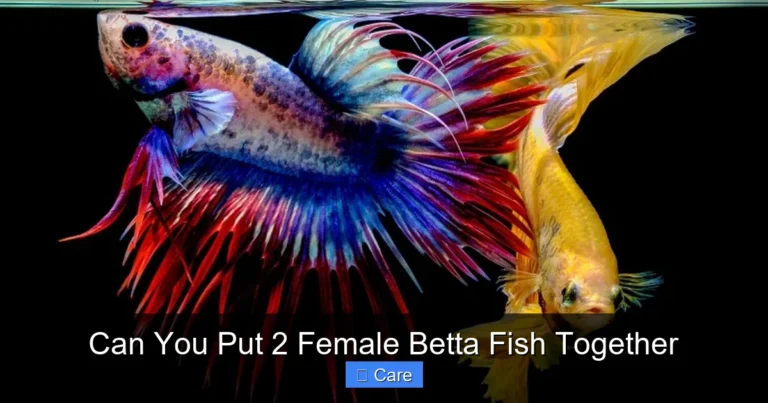
Betta fish typically reach 2‑3 inches, but with optimal care they can grow a bit larger. Tank size, genetics, diet, and water quality all play a role in how big can a betta fish grow. Understanding these factors helps you raise a healthy, vibrant fish that lives its best life.
Key Takeaways
- Typical adult size: Most bettas stay between 2–3 inches, with some reaching just over 4 inches.
- Genetics matter: Wild‑type and dwarf varieties have different growth potentials.
- Tank space influences growth: A larger, well‑filtered tank encourages healthier development.
- Nutrition is key: High‑quality protein‑rich foods support maximum size and color.
- Water quality drives health: Stable temperature, pH, and low ammonia let bettas reach their full potential.
- Sex differences: Males often grow slightly larger than females, but both can surprise you.
- Regular monitoring: Measuring your fish and checking parameters helps you spot growth issues early.
📑 Table of Contents
- Introduction: Why Size Matters for Betta Lovers
- 1. The Baseline: Typical Adult Size of Betta Fish
- 2. Genetics: The Blueprint of Growth
- 3. Environment: How Tank Size and Setup Influence Growth
- 4. Nutrition: Feeding for Maximum Size and Color
- 5. Health Factors That Can Limit Growth
- 6. Practical Tips to Encourage Optimal Growth
- Conclusion: Getting the Answer to “How Big Can a Betta Fish Grow”
Introduction: Why Size Matters for Betta Lovers
When you first see a betta fish gliding through the water, you’re drawn to its vivid colors and flowing fins. But beyond the beauty, many hobbyists wonder, how big can a betta fish grow? The answer isn’t a simple “yes” or “no.” It depends on a mix of genetics, environment, and care. Understanding these factors lets you give your betta the best chance to reach its natural size and stay healthy for years.
In this guide we’ll explore the typical size range, what pushes that range up or down, and practical steps you can take. Whether you’re a first‑time keeper or a seasoned enthusiast, you’ll walk away with clear, actionable advice to help your betta hit its growth potential.
1. The Baseline: Typical Adult Size of Betta Fish
Standard Sizes for Common Varieties
Most betta fish sold in pet stores fall into two broad categories: the classic “large‑fin” types (like Half‑Moon, Crowntail, and Veiltail) and the dwarf or “mini” varieties. Here’s what you can expect:
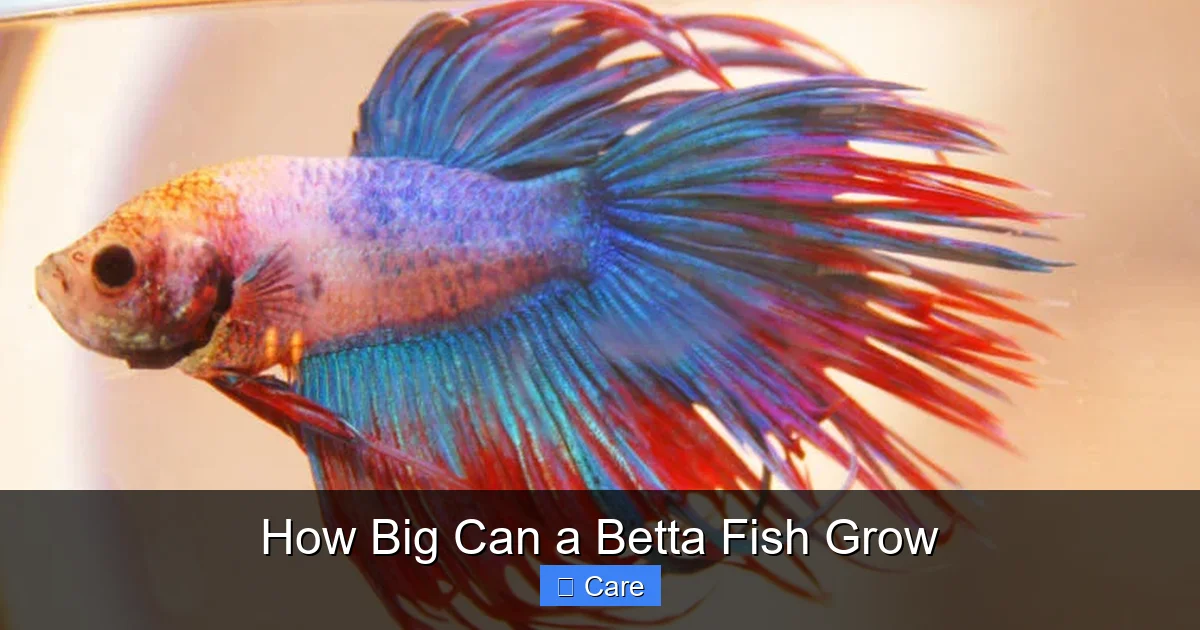
Visual guide about How Big Can a Betta Fish Grow
Image source: bettafish.org
- Standard Betta (large‑fin): 2.5–3 inches from snout to tail tip.
- Dwarf Betta: 1.5–2 inches, often sold as “mini” bettas.
- Wild‑type Betta (Betta splendens): Usually 2–2.5 inches, with a more streamlined body.
These numbers represent the average adult size when the fish is kept in good conditions. Some individuals, especially males with extra long fins, may appear slightly larger—up to 4 inches—when fully extended.
Sex Differences
Male bettas are the show‑stoppers with elaborate fins, and they often grow a tad longer than females. Females tend to be a bit shorter and slimmer, but they can still reach the 2‑inch mark if well‑fed.
2. Genetics: The Blueprint of Growth
Breed‑Specific Limits
Just like dog breeds, betta strains have genetic ceilings. A Half‑Moon male may have the potential for a 3‑inch body plus a massive tail, while a dwarf cannot exceed its genetic maximum of about 2 inches.
Visual guide about How Big Can a Betta Fish Grow
Image source: bettafish.org
Selective breeding for extreme colors or tail shapes can sometimes compromise growth. When you buy a betta, look for reputable breeders who prioritize health alongside appearance.
Hybrid and Wild‑Caught Betta
Wild‑caught bettas from Southeast Asia typically stay on the smaller side (around 2 inches) but are very hardy. Hybrid lines that cross dwarf and regular strains can produce unpredictable sizes—some may stay small, others may surprise you with extra length.
3. Environment: How Tank Size and Setup Influence Growth
Why a Bigger Tank Helps
Many new owners think a tiny bowl is enough because bettas can “survive” there. In reality, a cramped space limits growth and can stunt health. A larger tank provides more swimming room, better water stability, and room for beneficial bacteria.
Visual guide about How Big Can a Betta Fish Grow
Image source: bettafish.org
For most bettas, a 5‑gallon (19‑liter) tank is the sweet spot. It’s big enough to dilute waste, maintain temperature, and let the fish explore. If you want to keep multiple bettas or add compatible tank mates, consider stepping up to a 10‑gallon setup.
Read our guide on how big should a tank be for a betta fish for detailed sizing tips.
Filtration and Flow
Betta fish prefer calm water, but they still benefit from gentle filtration. A sponge filter or a low‑flow hang‑on filter keeps ammonia low without creating strong currents that stress the fish.
Temperature and pH
Betas are tropical, thriving at 78‑80°F (25‑27°C). Consistent temperature encourages proper metabolism, which directly impacts growth. Keep pH between 6.5 and 7.5; sudden swings can stress the fish and stunt development.
4. Nutrition: Feeding for Maximum Size and Color
Protein‑Rich Diets
Betta fish are carnivorous. Their natural diet consists of insects and larvae, so they need high‑protein foods. Quality betta pellets, frozen or live brine shrimp, and daphnia are excellent choices.
Feed small amounts 2‑3 times a day, only what they can eat in 2–3 minutes. Overfeeding leads to poor water quality, which can stunt growth.
Supplements and Treats
Occasional treats like bloodworms or high‑quality betta flakes add variety and boost color. Vitamin supplements (especially B‑complex) can help with fin development, but use them sparingly.
Feeding Schedule and Growth Monitoring
Track your betta’s length every month with a ruler or a measuring strip. If growth stalls after a few weeks, reassess diet and water parameters.
5. Health Factors That Can Limit Growth
Common Diseases
Fin rot, velvet, and ich can all cause a fish to lose weight and stop growing. Early detection is crucial. Look for ragged fins, white spots, or a loss of appetite.
For a quick health check, see our article on how to know if a betta fish is dying.
Stress and Compatibility
Betas are territorial. Keeping a male with aggressive tank mates can cause chronic stress, reducing appetite and growth. If you want companions, choose peaceful species like small rasboras or snails.
Water Quality Issues
High ammonia or nitrite levels are toxic and will quickly halt growth. Test water weekly and perform partial water changes (25‑30%) every 1‑2 weeks.
6. Practical Tips to Encourage Optimal Growth
Set Up the Ideal Tank
- Choose a minimum 5‑gallon tank with a gentle filter.
- Use a heater to keep temperature steady at 78‑80°F.
- Decorate with live plants or silk hides to reduce stress.
Feed Smart
- Offer high‑protein pellets twice daily.
- Supplement with frozen brine shrimp 1‑2 times a week.
- Remove uneaten food promptly.
Monitor and Adjust
- Test water weekly for ammonia, nitrite, nitrate, and pH.
- Measure your betta’s length monthly.
- Watch for signs of disease or stress and act quickly.
Consider Tank Mates Wisely
If you want a community, research compatible species. A single male betta can coexist with small, non‑aggressive fish like neon tetras or a shy snail. Always provide plenty of hiding spots.
Know When to Upgrade
If your betta seems cramped or you notice stunted growth, it may be time to move to a larger tank. Upgrading to a 10‑gallon tank can dramatically improve water stability and give your fish room to flourish.
Conclusion: Getting the Answer to “How Big Can a Betta Fish Grow”
In a nutshell, most betta fish will stay between 2 and 3 inches, with the occasional individual reaching just over 4 inches when genetics, diet, and environment align perfectly. By providing a spacious, well‑filtered tank, stable water conditions, and a protein‑rich diet, you give your betta the best chance to hit the upper end of that range.
Remember, size isn’t the only measure of a happy betta—vibrant colors, full fins, and active behavior are equally important. Keep a close eye on water quality, feed wisely, and enjoy watching your finned friend grow into a stunning showcase of nature’s artistry.
Frequently Asked Questions
How long does it take for a betta to reach its full size?
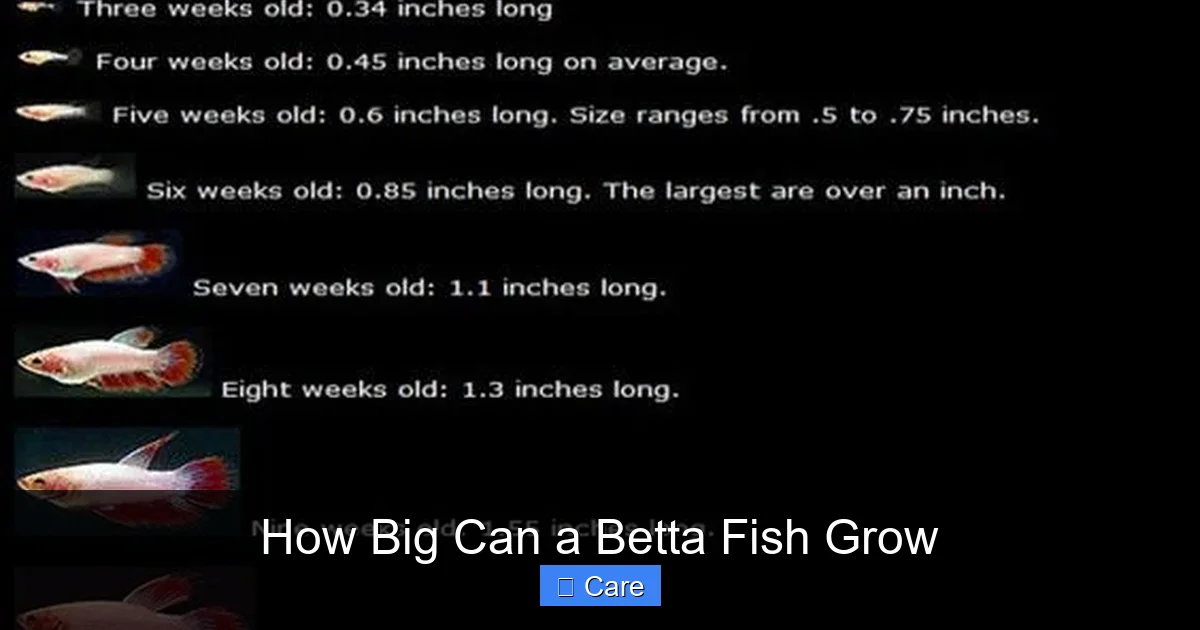
Betta fish typically reach adult size within 3–4 months if kept in optimal conditions. Growth slows after that, and they maintain their size for the rest of their life.
Can a betta fish grow larger than 4 inches?
It’s rare but possible for a male with especially long fins to appear over 4 inches when the tail is fully spread. The body length, however, usually stays under 3 inches.
Do betta fish keep growing throughout their lives?
No. Once they hit maturity (about 4 months), growth stops. Any size change after that is usually due to health issues or poor water quality.
Will a larger tank make my betta grow faster?
A larger tank provides better water stability and more room to swim, which supports healthy growth. It won’t make the fish grow faster than its genetic limit, but it can help it reach that limit.
Is it okay to keep multiple bettas together to encourage growth?
Generally no. Betta fish are territorial, especially males. Keeping them together can cause stress, reduced appetite, and stunted growth.
How can I tell if my betta’s growth is being stunted?
Measure your fish regularly. If it hasn’t grown at all after 2–3 months, check water parameters, diet, and look for signs of disease. Adjusting these factors usually resolves the issue.