What You Need for Betta Fish
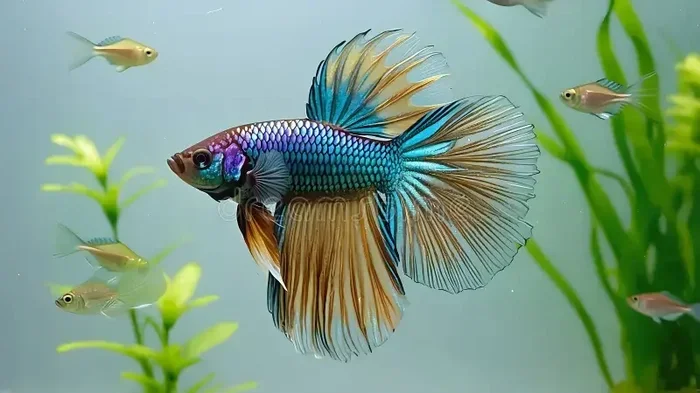
Setting up a home for your betta fish starts with knowing exactly what you need for betta fish — a proper tank, heater, filter, and the right water conditions. This guide covers all the betta fish supplies you need, from essentials to nice-to-haves, so your fish stays healthy and happy.
If you just brought home a betta fish or are planning to, you might be wondering what you need for betta fish to keep them healthy and happy. The truth is, bettas need more than just a bowl of water and a pinch of food. They need a proper setup that mimics their natural environment.
This guide walks you through everything you need for betta fish care. Whether you are a complete beginner or have had a betta before, you will find practical tips and clear advice. We cover tanks, water, food, decorations, and more. Let us get started.
Key Takeaways
- Minimum 5-gallon tank: A small tank keeps your betta stressed and limits its lifespan.
- Heater and thermometer are essential: Betta fish need warm water between 76-82°F to thrive.
- Water conditioner is non-negotiable: Tap water contains chlorine and chloramine that harm bettas.
- Gentle filtration is a must: Strong currents stress bettas, so choose a sponge filter or adjustable flow.
- High-quality betta food matters: Pellets and frozen foods provide balanced nutrition for long-term health.
- Substrate, plants, and hiding spots: These create a natural and comfortable habitat for your fish.
📑 Table of Contents
The Essential Betta Fish Supplies
Before you bring your betta home, you need to gather the right betta fish supplies. Skipping even one essential item can cause stress or illness. Here is a breakdown of what your betta truly needs.
Tank and Habitat
Many people think bettas can live in tiny bowls. This is a myth. Betta fish need space to swim and explore. A minimum 5-gallon tank is the best starting point. Larger tanks, like 10 gallons, give you more room for plants and decorations while keeping water stable.
When thinking about what all do you need for a betta fish tank, the tank itself is the foundation. A bigger tank also makes maintenance easier because water parameters stay more consistent.
Heater
Bettas are tropical fish. They need warm water to stay healthy and active. An adjustable aquarium heater set between 76 and 82 degrees Fahrenheit is essential. Cold water can make your betta sluggish and more prone to disease.
Look for a heater with a built-in thermostat. This keeps the temperature steady without you needing to watch it constantly.
Filter
Bettas produce waste just like any other fish. A filter helps keep the water clean by removing harmful chemicals. However, bettas do not like strong currents. Choose a sponge filter or a filter with adjustable flow.
The filter also plays a big role in cycling your tank. Cycling means growing good bacteria that break down toxic waste. A well-cycled tank means fewer water changes and a healthier betta.
Water Conditioner
Tap water contains chlorine and chloramine. These chemicals are safe for humans but deadly for fish. A betta water conditioner removes these toxins instantly. You must add conditioner every time you do a water change.
Some conditioners also add beneficial minerals that support your betta’s slime coat and overall health.
Thermometer
Knowing your water temperature is just as important as having a heater. A simple stick-on thermometer or a small digital thermometer lets you monitor the tank daily. If the temperature drops or spikes, you can fix it fast.
Choosing the Right Tank Size
The size of your tank affects everything from water quality to your betta’s behavior. Many pet stores sell bettas in tiny cups. This does not mean they should stay in tiny containers forever.
Why Size Matters
A small tank has unstable water parameters. Ammonia and nitrite levels can spike quickly in a 1-gallon bowl. This causes stress, fin rot, and other health problems.
A 5-gallon tank gives you a stable environment. It is easier to maintain and gives your betta room to explore. If you want to keep plants and a few tank mates, go even bigger.
Tank Shape and Layout
Choose a tank that is wider than it is tall. Bettas are labyrinth fish, meaning they breathe air from the surface. A wider tank gives them more surface area to access oxygen.
Avoid tanks with sharp edges or tiny openings. Your betta’s long fins can get damaged easily.
If you are unsure about sizing, check out our guide on what size tank do I need for a betta fish for more detailed advice.
Water Quality and Temperature Needs
Water is the most important part of your betta’s world. Getting the water right means the difference between a thriving fish and a sick one.
What Type of Water Should You Use?
The best water for bettas is dechlorinated tap water. You simply add a water conditioner to remove harmful chemicals. Some hobbyists prefer spring water or RO (reverse osmosis) water, but these need mineral adjustments.
Avoid distilled water. It lacks the minerals your betta needs. Also, stay away from untreated well water or creek water, as these can contain harmful bacteria and heavy metals.
For more details on water types, see our article on what type of water do you use for betta fish.
Ideal Water Parameters
Here are the key water parameters your betta needs:
- Temperature: 76 to 82 degrees Fahrenheit
- pH Level: 6.5 to 7.5
- Ammonia: 0 ppm (parts per million)
- Nitrite: 0 ppm
- Nitrate: Below 20 ppm
Water Changes and Maintenance
Regular water changes keep your betta healthy. In a 5-gallon tank, do a 25 to 30 percent water change every week. This removes waste buildup and refreshes essential minerals.
Always treat new water with conditioner before adding it to the tank. Never add untreated tap water directly to the aquarium.
Food and Feeding Essentials
Feeding your betta the right food supports its color, energy, and lifespan. Bettas are carnivorous. They need a protein-rich diet.
Best Foods for Betta Fish
High-quality betta pellets should be the staple of their diet. Look for pellets with real fish meal as the first ingredient. Avoid fillers like corn or wheat.
Supplement their diet with frozen or live foods like:
- Brine shrimp
- Bloodworms
- Daphnia
- Mosquito larvae
These foods add variety and nutrition. Feed your betta 2 to 3 pellets twice a day. Overfeeding is one of the most common mistakes new fish owners make.
Feeding Schedule and Tips
Stick to a consistent feeding schedule. Bettas thrive on routine. If you are going on vacation, an automatic fish feeder can help. Just make sure it dispenses the right amount.
Remove any uneaten food after a few minutes. Leftover food rots in the water and raises ammonia levels fast.
Tank Setup and Decorations
A well-decorated tank does more than look nice. It gives your betta a sense of security and encourages natural behavior.
Substrate Options
The substrate is the material at the bottom of your tank. For bettas, fine gravel or sand works best. Avoid rough substrates that can scratch your betta’s delicate fins.
Some substrates also help with plant growth. Live plants are excellent for betta tanks because they absorb nitrates and produce oxygen.
Plants and Hiding Spots
Bettas love places to hide and rest. Add plants, caves, or driftwood to create a natural feel. Live plants like java fern, anubias, and Amazon sword are great choices.
Avoid sharp or rough decorations. Your betta’s long fins can tear easily on jagged edges.
Lighting
A standard aquarium light works fine for betta tanks. You do not need intense lighting. A gentle light cycle of 8 to 10 hours a day keeps plants healthy and shows off your betta’s colors.
If you want to learn more about the full tank setup, check out what all do you need for a betta fish tank.
Common Mistakes to Avoid
Even well-meaning betta owners make mistakes. Here are the most common ones and how to avoid them.
Keeping Bettas in Bowls
This is the number one mistake. Bowls are too small, lack filtration, and have unstable temperatures. Your betta deserves a proper tank.
Skipping the Heater
Room temperature water is not warm enough for bettas. Without a heater, your fish becomes stressed and vulnerable to disease.
Overfeeding
Bettas have small stomachs. Overfeeding leads to bloating, constipation, and dirty water. Feed small amounts and stick to a schedule.
Not Cycling the Tank
Adding your betta to an uncycled tank exposes it to toxic ammonia. Always cycle your tank for at least 2 to 4 weeks before introducing your fish.
Using the Wrong Water
Never use untreated tap water, distilled water, or water from unknown sources. Always condition your water before adding it to the tank.
Quick Tips for New Betta Owners
Here are some fast tips to keep in mind:
- Start with a 5-gallon tank or larger.
- Always cycle your tank before adding your betta.
- Use a gentle sponge filter to avoid strong currents.
- Keep the water between 76 and 82 degrees Fahrenheit.
- Feed high-quality pellets and supplement with frozen foods.
- Do weekly water changes of 25 to 30 percent.
- Add live plants for natural filtration and comfort.
- Test your water parameters regularly with a liquid test kit.
Final Thoughts
Knowing what you need for betta fish sets you up for success as a fish owner. The right tank, heater, filter, water conditioner, and food create a healthy environment where your betta can thrive. It does not have to be complicated or expensive.
Start with the essentials and build from there. A 5-gallon tank with a heater, sponge filter, and live plants gives your betta everything it needs to live a long and happy life. Pay attention to water quality, feed a balanced diet, and avoid the common mistakes outlined above.
Your betta fish is a companion that brings color and calm to your home. Giving it the right setup is the best way to show your care. Now that you know what you need, you are ready to create a wonderful home for your betta.
For a complete checklist of supplies, visit our article on what do I need for betta fish to make sure you have everything covered.
Frequently Asked Questions
What is the minimum tank size for a betta fish?
A 5-gallon tank is the minimum recommended size for a single betta fish. Smaller tanks like bowls or 1-gallon containers lead to unstable water conditions and stressed fish. A larger tank makes maintenance easier and gives your betta room to thrive.
Do betta fish need a heater?
Yes, betta fish need a heater. They are tropical fish that require water temperatures between 76 and 82 degrees Fahrenheit. Without a heater, room temperature water is usually too cold and can weaken your betta’s immune system over time.
Can betta fish live in tap water?
Yes, betta fish can live in tap water as long as you use a water conditioner first. Conditioners remove chlorine, chloramine, and heavy metals that are harmful to fish. Always treat tap water before adding it to your betta tank.
How often should I feed my betta fish?
Feed your betta 2 to 3 pellets twice a day. Some owners skip one feeding day per week to help prevent digestive issues. Always remove uneaten food within a few minutes to keep the water clean.
What kind of filter is best for a betta fish?
A sponge filter is the best choice for betta tanks. It provides gentle filtration without creating strong currents that stress bettas. Sponge filters also support beneficial bacteria that help cycle the tank naturally.
Do betta fish need live plants in their tank?
Live plants are highly beneficial but not strictly required. Plants absorb nitrates, produce oxygen, and provide natural hiding spots. If you prefer low-maintenance options, artificial plants without rough edges work well too.