Are Betta Fish Freshwater or Saltwater

Betta fish are freshwater fish, not saltwater fish. They naturally live in warm, slow-moving freshwater habitats in Southeast Asia. Keeping your betta in the right freshwater environment is the single most important thing you can do for their health and lifespan.
If you are thinking about getting a betta fish, one of the first questions you might have is whether they need freshwater or saltwater. The answer is pretty simple: betta fish are freshwater fish. They do not live in saltwater in the wild, and they cannot thrive in a saltwater tank. But there is a lot more to know about their water needs, their natural habitat, and how to set up the perfect home for them.
In this guide, we will walk you through everything you need to know about betta fish and their water requirements. We will cover where bettas come from, why freshwater is the only option, and how to keep your fish healthy and happy. Whether you are a complete beginner or a seasoned fish keeper, this article has you covered.
Key Takeaways
- Betta fish are freshwater fish: They thrive in freshwater tanks, not saltwater environments.
- They originate from Southeast Asia: Wild bettas live in rice paddies, marshes, and slow-moving streams.
- Saltwater is harmful to bettas: Putting a betta in saltwater can cause serious health problems and even death.
- Proper water parameters matter: Keep the temperature between 76-82°F and maintain a pH of 6.5-7.5.
- Captive-bred bettas are hardy: Most pet store bettas are bred for freshwater life and cannot survive in saltwater.
- Tank setup is simple: A basic freshwater aquarium with a heater and filter is all you need.
📑 Table of Contents
Are Betta Fish Freshwater or Saltwater?
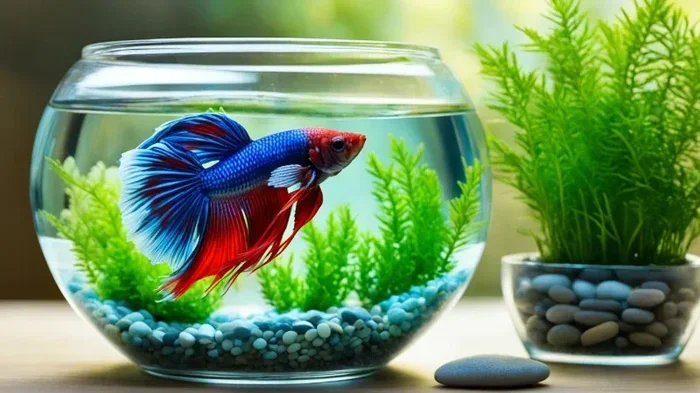
The short answer is that betta fish are freshwater fish. They belong to the gourami family and are native to freshwater habitats across Southeast Asia. You will never find a wild betta swimming in the ocean or a saltwater reef. They live in ponds, rice paddies, and slow-moving streams where the water is fresh and warm.
Some people confuse bettas with saltwater fish because they have bright, vibrant colors and long fins that look exotic. But those colors come from their genetics, not from living in saltwater. In fact, putting a betta in saltwater is one of the worst things you can do for its health. The salt will damage their gills, strip their protective slime coat, and can lead to a quick decline.
Why Freshwater Is the Only Option for Bettas
Betta fish have evolved over thousands of years to live in freshwater. Their bodies are designed to regulate salts and minerals in a low-salinity environment. When you put them in saltwater, their cells try to balance the salt concentration, and this causes serious stress. Here is why freshwater is essential:
- Gill function: Betta gills are built to extract oxygen from freshwater. Saltwater changes the osmotic balance and makes breathing difficult.
- Skin protection: Bettas have a thin slime coat that protects them from bacteria and parasites. Saltwater destroys this coating.
- Kidney function: Freshwater bettas produce large amounts of dilute urine to expel excess water. Saltwater forces their kidneys to work in a completely opposite way, which they cannot handle.
So if you ever wonder whether you can keep a betta in a saltwater tank, the answer is a firm no. Stick with freshwater, and your betta will live a long and healthy life.
Where Do Betta Fish Come From?
Understanding the natural habitat of betta fish helps you give them the best care at home. Bettas are tropical freshwater fish that originate from the warm, shallow waters of Thailand, Cambodia, Vietnam, and surrounding countries. They are also known as Siamese fighting fish because of their history in fish fighting competitions in Southeast Asia.
Natural Habitats of Wild Bettas
In the wild, bettas live in a variety of freshwater environments. They are not picky about where they live, which is one reason they are so adaptable. Here are some of the places you would find wild bettas:
- Rice paddies: Flooded rice fields in Thailand and Vietnam are a natural home for bettas. The water is warm, shallow, and still.
- Slow-moving streams: Small creeks and ditches with gentle currents provide perfect conditions for wild bettas.
- Marshes and swamps: These areas have warm, shallow water with lots of plants and hiding spots.
- Flooded fields: During the rainy season, bettas can be found in temporarily flooded areas where the water is calm and warm.
All of these environments are freshwater. The water may sometimes be a bit murky or have a low oxygen level, but it is never salty. Bettas have a special organ called the labyrinth organ that allows them to breathe atmospheric air, which helps them survive in these low-oxygen freshwater habitats.
How Captive-Bred Bettas Differ From Wild Bettas
Most betta fish you find at pet stores are captive-bred. They have been bred for generations to have bright colors, long fins, and peaceful temperaments. These fish are just as much freshwater fish as their wild cousins. Captive breeding has not changed their basic biological need for freshwater.
Wild bettas tend to have shorter fins and duller colors compared to the fancy bettas we see in stores. But both wild and captive-bettas require the same type of water: clean, warm, freshwater. If you want to learn more about bettas and their natural water type, check out this article on whether betta fish are saltwater or freshwater.
What Kind of Water Do Betta Fish Need?
Now that you know bettas are freshwater fish, let us talk about what kind of freshwater they need. Not all freshwater is the same, and getting the water parameters right is crucial for your betta’s health.
Temperature
Betta fish are tropical fish, which means they need warm water. The ideal temperature range for a betta tank is between 76 and 82 degrees Fahrenheit. If the water is too cold, your betta will become sluggish and may develop diseases. If the water is too hot, it can stress your fish and reduce oxygen levels.
A good aquarium heater is essential for any betta tank. Do not rely on room temperature to keep your betta warm, especially in winter. A small, adjustable heater rated for 5 to 10 gallons works perfectly for most betta setups.
pH Levels
The pH of your betta’s water should be between 6.5 and 7.5, which is slightly acidic to neutral. Most tap water in the United States falls within this range, but it is always a good idea to test your water before adding it to the tank. You can buy a simple pH test kit at any pet store for just a few dollars.
Water Hardness
Betta fish prefer soft to moderately hard water. Very hard water with high mineral content can cause stress over time. If your tap water is very hard, you can use a water conditioner to soften it before adding it to the tank. Always let tap water sit for 24 hours before adding it, or use a conditioner that removes chlorine and chloramine instantly.
Water Changes and Filtration
Keeping the water clean is one of the most important parts of betta care. You should do a 25 to 30 percent water change every week. This removes waste, excess food, and harmful chemicals that build up in the tank. Use a gravel vacuum to clean the substrate while you change the water.
A gentle filter is also important, but bettas do not like strong currents. Choose a filter with an adjustable flow or sponge filter that provides biological filtration without creating too much water movement. For more tips on setting up a proper freshwater tank, read about whether betta fish are tropical freshwater fish.
Can Betta Fish Survive in Saltwater?
The answer is no. Betta fish cannot survive in saltwater for any extended period of time. While they might not die immediately if placed in slightly brackish water, saltwater environments are completely unsuitable for their biology. Here is what happens if you put a betta in saltwater:
- Osmoregulatory stress: The betta’s body cannot regulate the salt balance, leading to cellular damage.
- Gill damage: Salt irritates the delicate gill tissues and impairs breathing.
- Loss of slime coat: The protective layer on the fish’s skin breaks down, leaving them vulnerable to infections.
- Behavioral changes: A betta in saltwater will become stressed, stop eating, and hide constantly.
- Death: Prolonged exposure to saltwater will ultimately kill the fish.
If you are looking for fish that can live in saltwater, bettas are not the right choice. There are many beautiful saltwater fish species that thrive in marine aquariums. But for betta keepers, freshwater is the only way to go. You can learn more about the differences between freshwater and saltwater fish in this guide on whether there are saltwater betta fish.
What About Brackish Water?
Some people wonder if bettas can live in brackish water, which is a mix of freshwater and saltwater. In their natural habitat, wild bettas sometimes encounter slightly brackish conditions near river mouths during the rainy season. However, most pet store bettas are captive-bred and have never been exposed to any salt. Keeping a betta in brackish water is not recommended unless you are an experienced aquarist with a specific purpose.
For the average betta owner, plain freshwater is the safest and healthiest choice. Do not add salt to your betta tank unless a veterinarian specifically recommends it for treating a particular illness. Even then, the amount of salt used is very small and temporary.
How to Set Up the Perfect Freshwater Tank for Your Betta
Setting up a freshwater tank for your betta is easy and affordable. You do not need an expensive setup to keep your fish healthy and happy. Here is a simple guide to getting started.
Tank Size
Many people think bettas can live in tiny bowls, but that is a myth. A betta needs at least a 5-gallon tank to thrive. A larger tank, such as a 10-gallon tank, is even better because it provides more stable water conditions. In a small tank, water parameters can change quickly, which stresses your fish.
Essential Equipment
Here is what you need for a basic freshwater betta tank:
- A heater: Set it to 78 degrees Fahrenheit for the ideal temperature.
- A gentle filter: A sponge filter or a filter with a baffle to reduce flow works great.
- A thermometer: To monitor the water temperature daily.
- A water conditioner: To remove chlorine and chloramine from tap water.
- A substrate: Fine gravel or sand works well for betta tanks.
- Decorations and plants: Live or silk plants give your betta places to hide and explore.
Best Plants for a Betta Tank
Betta fish love plants because they mimic their natural habitat. Some great freshwater plants for betta tanks include java fern, anubias, and amazon sword. These plants are hardy, easy to care for, and provide plenty of coverage for your fish. Avoid sharp-leaved plants that can damage your betta’s long fins.
Tank Mates for a Freshwater Betta
Betta fish can live with other peaceful freshwater fish if the tank is large enough. Good tank mates include corydoras catfish, kuhli loaches, and small tetras. Avoid keeping male bettas together because they will fight. Also, do not keep bettas with fin-nipping fish like tiger barbs. For more information on keeping bettas with other fish, read this guide on whether betta fish are saltwater and what fish can live with them.
Common Mistakes Betta Owners Make With Water
Even experienced fish keepers sometimes make mistakes when it comes to water management. Here are some common errors to avoid:
- Using untreated tap water: Tap water contains chlorine and chloramine that are harmful to bettas. Always use a water conditioner.
- Skipping water changes: Even with a filter, waste builds up over time. Regular water changes are non-negotiable.
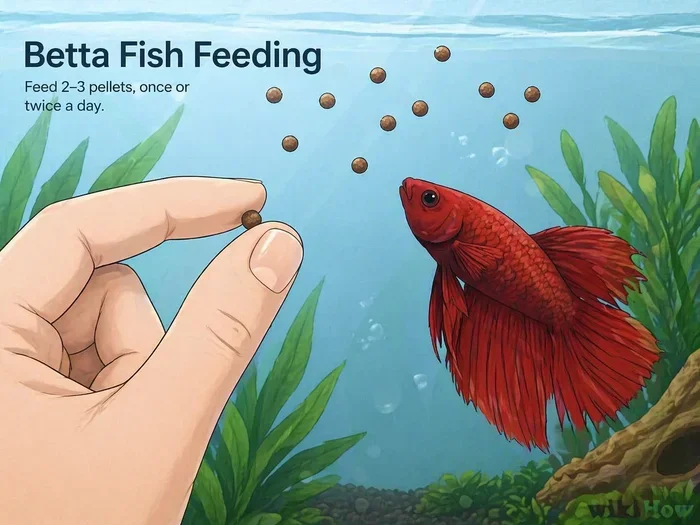
- Overfeeding: Excess food decays in the water and raises ammonia levels. Feed your betta 2 to 3 pellets twice a day.
- Placing the tank in direct sunlight: This causes algae blooms and temperature swings that stress your fish.
- Using salt as a general additive: Some old fishkeeping advice suggests adding salt to freshwater tanks. For bettas, this is unnecessary and can cause harm over time.
By avoiding these mistakes, you create a stable and healthy freshwater environment where your betta can truly thrive.
Final Thoughts
Betta fish are freshwater fish, and that is the most important thing to remember when setting up their home. They are beautiful, fascinating creatures that bring a lot of joy to a freshwater aquarium. By providing them with warm, clean, freshwater, you give them the best chance at a long and healthy life.
Keep the water parameters stable, do regular water changes, and avoid the temptation to add salt or keep your betta in a tiny bowl. A proper freshwater setup with a heater, gentle filter, and plenty of plants will make your betta feel right at home. For more information about betta fish care and their freshwater needs, explore our other guides on betta fish habitats and water requirements.
Remember, a happy betta is a freshwater betta. Keep it simple, keep it clean, and enjoy watching your beautiful fish swim and explore its underwater world.
Frequently Asked Questions
Are betta fish freshwater or saltwater fish?
Betta fish are freshwater fish. They are native to the freshwater habitats of Southeast Asia, including rice paddies, marshes, and slow-moving streams. Saltwater is harmful to bettas and can cause serious health problems or death.
Can I put my betta fish in a saltwater tank?
No, you should never put a betta fish in a saltwater tank. Their bodies are designed to live in freshwater, and saltwater disrupts their osmotic balance, damages their gills, and strips their protective slime coat. Stick with a freshwater aquarium for the best results.
What kind of freshwater do betta fish need?
Betta fish need clean, warm freshwater with a temperature between 76 and 82 degrees Fahrenheit. The pH should be between 6.5 and 7.5, and the water should be soft to moderately hard. Use a water conditioner to remove chlorine and chloramine from tap water before adding it to the tank.
Do wild betta fish live in saltwater at all?
No, wild betta fish do not live in saltwater. They are found exclusively in freshwater environments across Thailand, Cambodia, Vietnam, and neighboring countries. Even in areas where freshwater meets saltwater near river mouths, bettas stay in the freshwater zones.
Can I add aquarium salt to my betta’s freshwater tank?
Generally, no. Healthy bettas do not need aquarium salt in their freshwater tank. Salt should only be used in very small, temporary doses under the guidance of a veterinarian to treat specific illnesses like fin rot or ich. Routine use of salt can harm your betta over time.
How often should I change the water in my betta’s freshwater tank?
You should do a 25 to 30 percent water change every week. This keeps ammonia and nitrate levels low and maintains a healthy environment for your betta. Always treat new water with a conditioner before adding it to the tank, and match the temperature of the new water to the tank water.