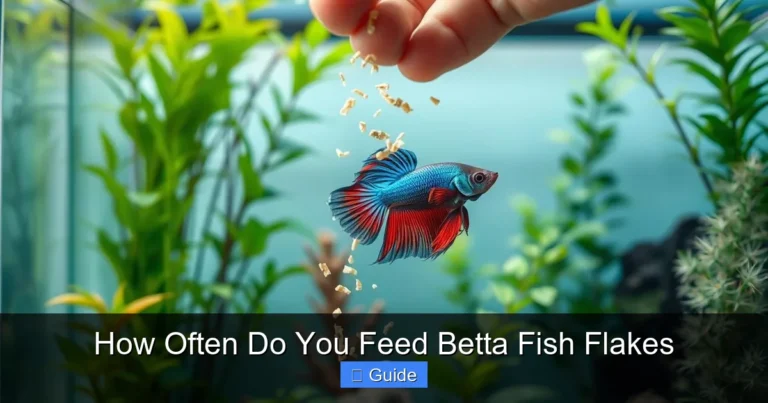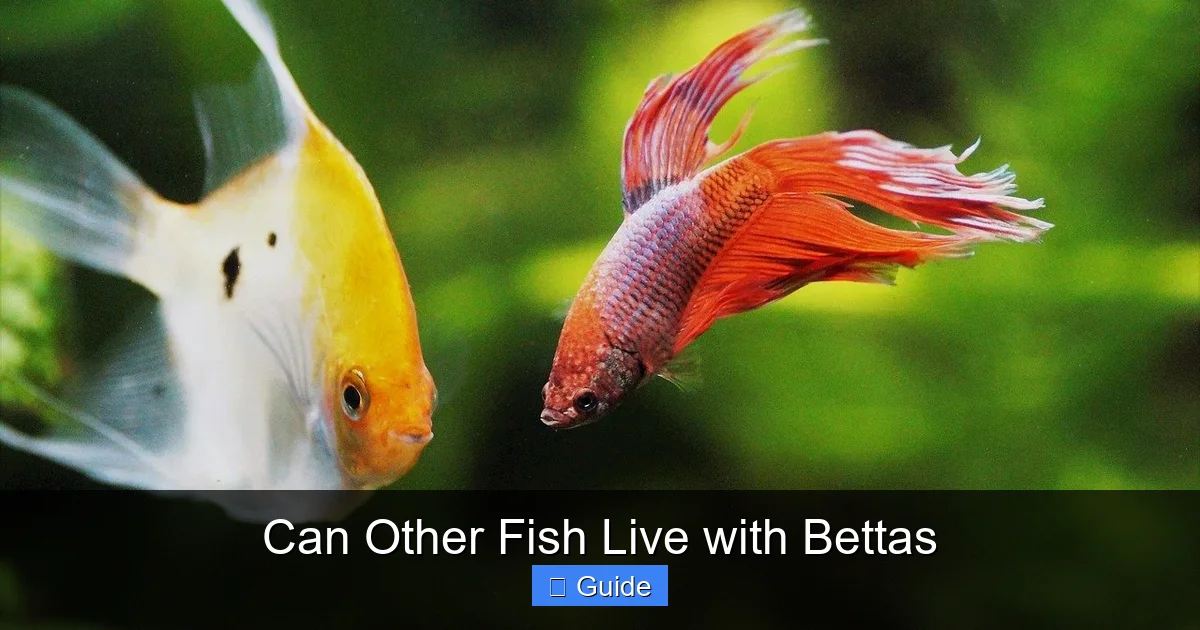
Can Other Fish Live with Bettas
Yes, some fish can live with bettas, but success depends entirely on your individual betta’s temperament and careful tank mate selection. Betta fish are famously territorial and aggressive, especially males, so a species-only tank is the safest bet. However, with a large, well-planted aquarium and by choosing specific, peaceful, fast-swimming, non-colorful fish with no flowing fins, you can sometimes create a successful community. Always have a backup plan to separate fish if aggression occurs.
So you’ve fallen in love with the stunning, flowing fins and bold personality of a betta fish. You’ve set up a beautiful, heated tank just for them. But then you wonder: can other fish live with bettas? It’s a common and excellent question. The short, honest answer is: sometimes, but it requires careful planning, the right tank setup, and a bit of luck with your betta’s mood. Bettas, or Siamese fighting fish, have earned their reputation for a reason. In the wild, they are solitary, territorial fish who defend small patches of water. That instinct doesn’t vanish in captivity. This guide will walk you through everything you need to know to make an informed decision about introducing tank mates to your betta, from understanding their behavior to selecting compatible species and setting up a peaceful community.
Key Takeaways
- Betta temperament is king: Your specific betta’s personality is the single most important factor. Some are docile, others are relentless fighters.
- Tank size is non-negotiable: A minimum of 20 gallons (75 liters) is strongly recommended for any community tank with a betta to provide ample space and territory.
- Avoid flashy rivals: Never house bettas with fish that have bright colors (like male guppies) or long, flowing fins (like fancy guppies or angelfish), as they will be seen as competitors.
- Prioritize fast, peaceful swimmers: Target fish that are active, schooling, and occupy different tank levels (top/mid-water) to avoid the betta’s bottom-dwelling space.
- Plants and decor are essential: Live or silk plants, driftwood, and rock caves break line-of-sight and provide crucial hiding spots to reduce stress and territorial disputes.
- Acclimation and observation are critical: Use a divider or quarantine tank for initial introductions. Watch closely for flares, chases, or nipped fins for at least 48 hours.
- Always have a Plan B: Be prepared to move the betta or its tank mate to a separate hospital tank at a moment’s notice if aggression persists.
📑 Table of Contents
- Understanding Your Betta: The Fierce, Solo Artist
- The Ideal Betta Tank Setup for Success
- Top Tank Mate Candidates: The “Maybe” List
- Fish to Absolutely Avoid: The Danger Zone
- Female Bettas: A Different Dynamic?
- Introducing Tank Mates: The Step-by-Step Protocol
- Conclusion: Patience, Observation, and Realistic Expectations
Understanding Your Betta: The Fierce, Solo Artist
Before we even talk about other fish, we must understand the betta itself. The betta’s reputation for aggression isn’t a myth; it’s a biological reality driven by their evolutionary history. Male bettas were historically bred for fighting, and while modern fancy bettas are more about looks than aggression, the territorial instinct remains strong. Female bettas can also be territorial, though generally less so than males.
The Betta’s Natural Instincts
In the shallow, slow-moving waters of Thailand’s rice paddies and streams, a male betta would claim a small territory—a patch of plants or a root system—and fiercely defend it from rival males. This is why you see your betta flair their gills, flare their operculum (the bony flap covering the gills), and extend their fins when they feel threatened or see their own reflection. This display is meant to make them look larger and more intimidating. It’s not just about other bettas; any fish that invades their perceived personal space or resembles a competitor can trigger this response.
Personality Over Species
This is the most crucial concept: betta fish have individual personalities. One male betta might ignore a school of neon tetras completely, while another housed in the exact same setup might relentlessly chase and nip at them until they’re stressed and injured. Some bettas are curious and laid-back; others are grumpy and reactive. You cannot predict with 100% certainty how your betta will react. This is why having a separate “hospital” or quarantine tank ready is a mandatory part of the planning process.
The Ideal Betta Tank Setup for Success
If you’re considering tank mates, your tank setup is not just important—it’s the foundation of success or failure. A betta in a 5-gallon nano tank alone is often stressed due to lack of space. A betta in that same tiny tank with other fish is a recipe for disaster. You must provide an environment that allows everyone to have their own space.

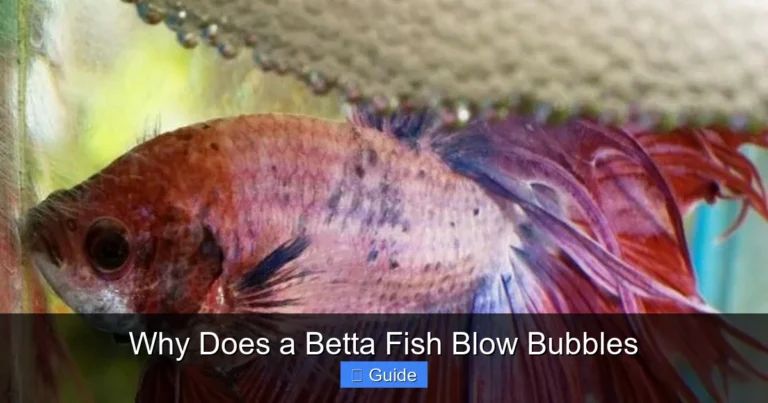
Visual guide about Can Other Fish Live with Bettas
Image source: japanesefightingfish.org
Tank Size: Bigger is Infinitely Better
The golden rule is this: never attempt a community tank with a betta in anything less than 20 gallons (75 liters). A 10-gallon tank is the absolute bare minimum for a *very* mellow betta with a single, fast, non-threatening species like a single Amano shrimp, but even that is risky. A 20-gallon long tank provides a much larger footprint (surface area), which is more important than height. This horizontal space allows the betta to establish a territory and for other fish to easily swim away and find their own zones. A 29-gallon or larger is even more forgiving and opens up more possibilities for a small school of compatible fish.
The Power of Plants and Vertical Space
Bettas, especially wild-type bettas, are naturally found in dense, vegetated areas. Replicating this in the aquarium is your single most powerful tool for peace. Dense planting—both live plants like Java fern, Anubias, and Amazon swords, and silk plants—serves two critical purposes. First, it breaks the line of sight. If your betta can’t constantly see the other fish, it’s less likely to perceive them as a constant threat. Second, it provides hiding spots and territories for the other fish to retreat to. Add driftwood, rock caves, and PVC tubes to create a complex, multi-level landscape. The betta may claim the top layer near the heater or a floating log, while other fish stay in the mid or lower levels.
Water Parameters and Heater Placement
Bettas are tropical fish requiring stable, warm water. The ideal temperature is 76-80°F (24-27°C). All potential tank mates must share this temperature preference. A reliable, adjustable aquarium heater is a must. Place the heater in a spot where its output doesn’t create a strong, direct current that stresses the betta, but also doesn’t create a warm pocket that other fish can’t escape. A good filter with a gentle flow (like a sponge filter or a hang-on-back filter with a flow diffuser) is essential for water quality without creating a torrent that blows the betta around.
Top Tank Mate Candidates: The “Maybe” List
So, what fish have a fighting chance? We’re looking for a very specific profile: peaceful, fast-moving, schooling fish that are not brightly colored (to avoid being seen as a rival male betta) and do not have flowing fins. They should occupy different parts of the tank and be able to outmaneuver a curious betta.
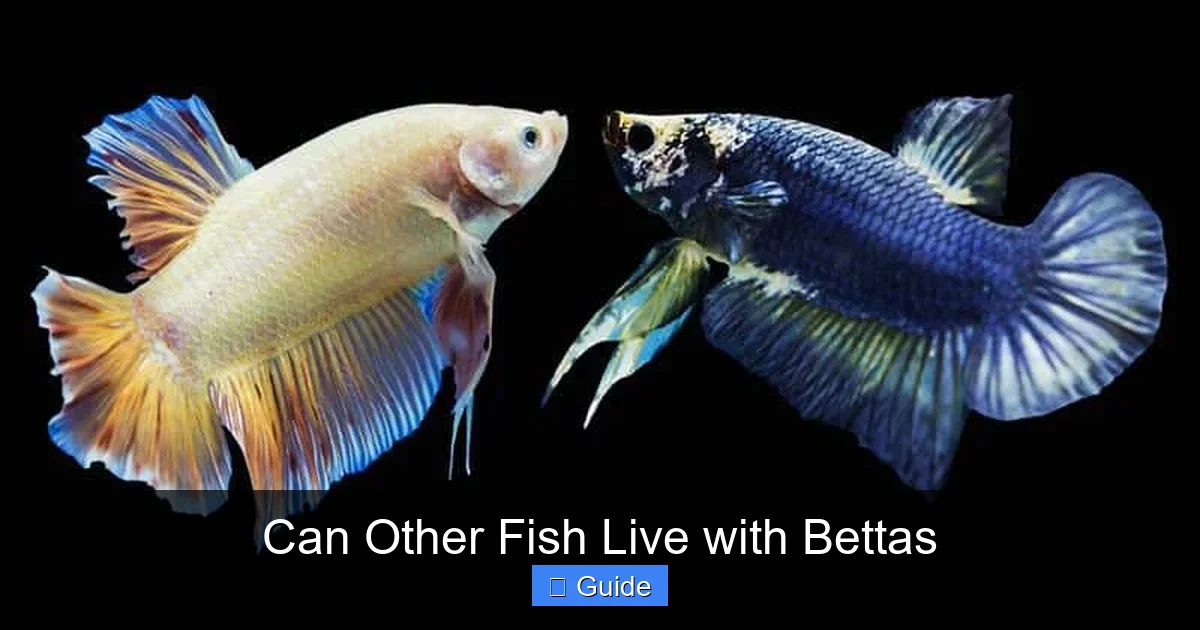
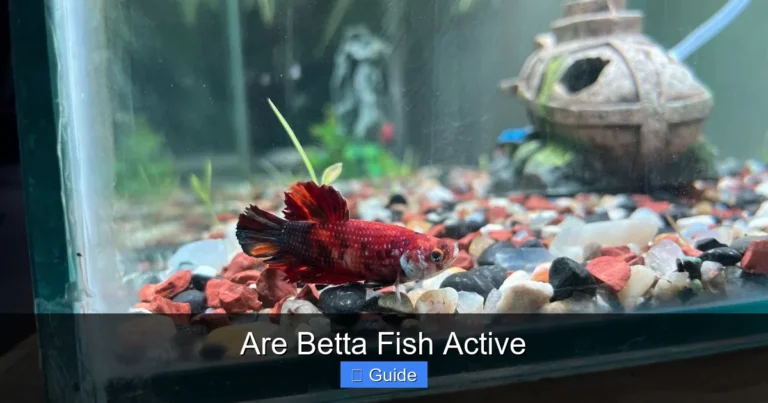
Visual guide about Can Other Fish Live with Bettas
Image source: petpad.net
Classic & Reliable Choices
- Neon Tetras & Cardinal Tetras: Often the #1 recommendation. They are small (1.5 inches), peaceful, and school in the mid-water column. Their blue/red coloration is different from a betta’s, and they are incredibly fast. A school of 8-10 in a 20+ gallon is a great start. Note: They need soft, acidic water, which bettas also tolerate well.
- Harlequin Rasboras: Similar to tetras but with a more subtle, peaceful demeanor. They are hardy and prefer the same water parameters as bettas. Keep them in groups of 6+.
- Chili Rasboras / Phoenix Rasboras: Tiny (under 1 inch), peaceful, and have a reddish color that can sometimes be risky. Their extreme small size and speed often make them successful, but monitor closely. A large school (10+) in a heavily planted tank helps them feel secure.
- Ember Tetras: Another tiny, peaceful schooling fish with a warm orange color. They are less likely to trigger aggression than a bright red fish and add a beautiful contrast to a planted tank.
- Corydoras Catfish: The perfect bottom-dweller. These small, armored catfish are social and must be kept in groups (5-6 of the same species). They are peaceful, occupy a completely different tank level, and their whiskered, armored appearance doesn’t resemble a betta. Pygmy corydoras are great for smaller tanks.
- Kuhli Loaches: These fascinating, eel-like loaches are nocturnal and spend their days burrowed or hiding. They are completely peaceful and add a unique dynamic. Keep them in groups of 3-5.
The “Invertebrate Option”
If you want to try something other than fish, some invertebrates can work, but with caveats:
- Amano Shrimp: The largest common aquarium shrimp (2-3 inches). They are excellent algae eaters and are often too big to be seen as food by a betta. They are fast and stay mostly at the bottom. A group of 3-5 can work well in a 20+ gallon with ample hiding places.
- Ghost Shrimp / Cherry Shrimp: High risk. They are small and may be viewed as a tasty snack. A large, well-fed betta in a heavily planted tank might ignore them, but many will hunt them. If you try, get a large colony (15+) and accept you may lose some.
- Nerite Snails: Generally excellent. They have a hard shell, are completely peaceful, and stay on the glass/plants eating algae. They will not reproduce in freshwater. A few are usually safe.
- Mystery/Apple Snails: Can work, but they produce a lot of waste. Ensure your filter can handle the bioload. Their large size and slow movement might intrigue a betta, but they are usually too tough to bother.
Fish to Absolutely Avoid: The Danger Zone
This list is just as important, if not more so, than the “maybe” list. Introducing any of these fish to your betta is almost guaranteed to end in stress, injury, or death.
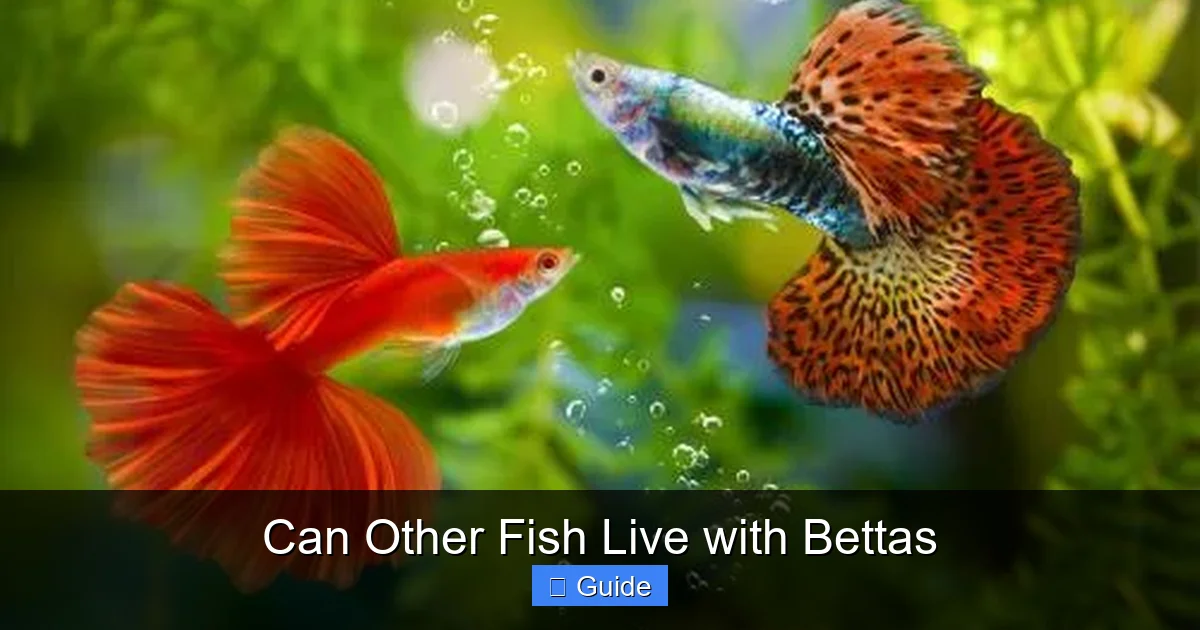
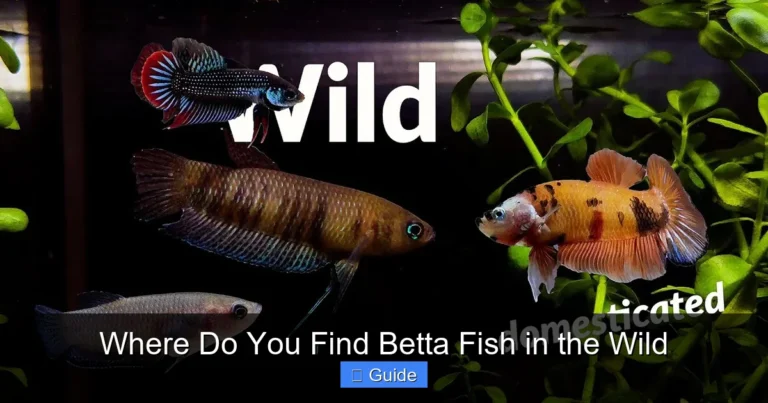
Visual guide about Can Other Fish Live with Bettas
Image source: aqueon.com
Color & Fin Rivals
- Other Bettas: This should be obvious. Male bettas with males is a fight to the death. Male with female can work for breeding but requires constant supervision and a separate tank for the female afterward. Sororities (multiple female bettas) are possible for very experienced keepers in large, heavily planted tanks (40+ gallons) but are unstable and risky.
- Fancy Guppies: The long, flowing tails of male guppies are a direct trigger for a betta’s aggression, as they resemble another male betta. Even plain females can be risky due to color.
- Male Swordtails/Platys: Often have bright colors and can be territorial.
- Gouramis (Dwarf, Pearl, Kissing): They are in the same family as bettas (Osphronemidae) and share the same labyrinth organ. They often look similar and have similar territorial behaviors. Mixing them is asking for conflict.
Fin-Nippers & Aggressive Fish
- Tiger Barbs: Famous fin-nippers. They will relentlessly harass a slow-moving, long-finned betta.
- Serpae Tetras: Known to be nippy and can be aggressive in groups smaller than 8.
- Most Cichlids: Even dwarf cichlids like Apistogramma can be too territorial or aggressive for a betta.
- Angelfish: Can be large, slow, and may see the betta as food or a rival. They also grow much larger.
- “Feeder” Fish (Goldfish, Comets): Completely wrong temperature preferences (coldwater vs. tropical), produce massive waste, and are generally incompatible.
Female Bettas: A Different Dynamic?
The question “can other fish live with bettas?” often centers on males, but what about females? Female bettas are generally less aggressive and have shorter fins, which can make them slightly better candidates for community tanks. However, they still possess the same territorial instincts.
Are Females Easier?
Generally, yes, a female betta is more likely to tolerate tank mates than a male. Their shorter fins make them less of a visual target for other fish, and they are often less prone to flaring. But “easier” does not mean “easy.” A grumpy female betta can be just as intolerant as a male. The same rules apply: a large, well-planted tank, careful species selection, and close monitoring.
The Betta Sorority
This is a specialized setup where multiple female bettas (usually 5 or more) are kept together in a large, heavily planted tank (40+ gallons). The theory is that with so many individuals, aggression is spread out and no single fish is targeted. This is an advanced-keeping endeavor, not for beginners. It requires immense space, perfect water parameters, and the ability to remove injured fish immediately. Even then, sororities can collapse suddenly. For the vast majority of hobbyists, keeping a single female betta with other species is a safer and more stable approach than a sorority.
Introducing Tank Mates: The Step-by-Step Protocol
You’ve chosen your betta, set up a beautiful 20+ gallon planted tank, and selected a school of harlequin rasboras. Now comes the most critical phase: the introduction. Rushing this process is the #1 reason for failure.
Step 1: Quarantine Your Newcomers
Never, ever add new fish directly from the store bag to your betta’s tank. You must quarantine all new fish in a separate hospital tank for at least 2-4 weeks. This ensures they are free of diseases (ich, velvet, flukes) that could devastate your betta, whose immune system is already stressed by the potential introduction. It also allows you to observe their behavior in peace before the big meeting.
Step 2: Rearrange the Tank
On the day of introduction, do a full water change and completely rearrange the tank decor. Move plants, rocks, and caves to new positions. This disrupts your betta’s established territory and makes the tank feel “new” to them. It reduces their instinct to defend a specific spot against the new arrivals.
Step 3: The Acclimation Process
Acclimate the new fish to the tank’s temperature and pH as you normally would (drip acclimation is best). Once acclimated, use a net to transfer them from the quarantine tank to a large, clear breeder box or a divider inside the main tank. Let them float inside the box for 30-60 minutes so the betta can see them without physical contact. Observe the betta’s reaction. Flaring and guarding is normal. Chasing and trying to get into the box is a bad sign.
Step 4: The First Release
After the observation period, turn off the tank lights (low light reduces stress), and gently release the new fish from the breeder box into the main tank. Do not release them right in front of the betta’s favorite spot. Sprinkle some food to distract everyone. Keep the lights off for a few hours or overnight.
Step 5: Vigilant Observation (The 48-Hour Rule)
For the next 48 hours, you must be a hawk. Watch for:
- Flaring: Betta flares gills and puffs up. Occasional flaring is okay.
- Chasing: Betta actively pursuing other fish.
- Nipping: Any fish (including the betta) with torn or missing fins.
- Hiding: The new fish spending all day hidden and not coming out to eat.
If you see relentless chasing or nipping, you must intervene immediately. Be prepared to move the betta to the quarantine tank (it’s often easier to move the betta, as they are the established aggressor) or rehome the new fish. Do not hope it will get better. It rarely does.
Conclusion: Patience, Observation, and Realistic Expectations
Can other fish live with bettas? The answer is a qualified yes, but it’s a journey that prioritizes the betta’s needs above all else. A betta-only tank is not a prison; it’s a perfectly acceptable, low-stress, and beautiful setup. If you choose to venture into community keeping, you are signing up for meticulous planning, significant investment in tank size and plants, and constant vigilance.
Your success hinges on three pillars: space (a truly large tank), structure (dense planting and hiding places), and selection (choosing the right, peaceful, fast species). Always, always have a backup plan. The goal is a peaceful, thriving community where your betta is just one fascinating part of the ecosystem, not a tyrannical ruler. Start with the safest recommendations (a school of tetras or rasboras in a 20+ gallon), be prepared to separate them at any time, and celebrate if it works. But if it doesn’t, that’s okay too. A happy, healthy betta swimming solo in a well-decorated tank is a wonderful thing in itself.
Frequently Asked Questions
Can a betta live with shrimp?
Sometimes. Larger shrimp like Amano shrimp have a good chance of survival in a well-planted tank with a non-aggressive betta. Small shrimp like Cherry or Ghost shrimp are often viewed as food and may be eaten, though a large colony can sometimes thrive if the betta is well-fed and the tank is heavily planted. There are no guarantees.
What is the absolute safest tank mate for a betta?
The safest options are invertebrates with hard shells, like Nerite snails or Mystery snails. They are not seen as fish competitors and their shells protect them from a curious betta’s nip. Among fish, a large school (8-10) of fast, peaceful tetras or rasboras in a 20+ gallon heavily planted tank offers the best odds.
Can two male bettas live together?
Absolutely not. Male bettas are fiercely territorial and will fight to the death. They should never be housed together, even in a very large tank. The only exception is a carefully managed, temporary breeding tank with a divider, which requires expert supervision.
How do I know if my betta is stressed by tank mates?
Look for signs like constant hiding, loss of appetite, faded or clamped fins, frantic swimming (darting), excessive hiding, and visible injuries like torn fins or missing scales. If you see these, separate the fish immediately.
Can bettas live with snails?
Yes, most snails are excellent tank mates for bettas. They occupy a different ecological niche, are completely peaceful, and their shells protect them. Nerite snails are particularly good as they won’t overpopulate the tank. Ensure the tank is large enough to handle the snail’s bioload.
What should I do if my betta attacks a tank mate?
Act immediately. Have a separate quarantine/hospital tank ready. Move the betta to the hospital tank first (as it is the established aggressor) and give the attacked fish time to recover in the main tank. You can then try re-homing the tank mate or keeping your betta as a solo fish. Do not leave them together; the stress and injury will escalate.