A Happy Betta Fish

A happy betta fish shows bright colors, active swimming, a healthy appetite, and curiosity about its surroundings. Understanding betta fish behavior helps you spot the difference between a thriving fish and one that needs help. This guide covers every sign of happiness and how to create the perfect environment for your betta fish.
A happy betta fish is a joy to watch. You can tell a lot about how your fish feels just by looking at its colors, how it moves, and how it interacts with its surroundings. Bettas are fascinating creatures with big personalities, and when they are content, they light up the room.
Many people think bettas are simple pets that just float around. But that is far from the truth. A betta fish has feelings, preferences, and clear ways of showing how it feels. Learning to read those signals changes everything about how you care for your fish.
In this guide, we will walk you through every sign of a happy betta fish. You will learn what to look for, what makes bettas thrive, and the simple mistakes that can make them unhappy. Whether you are a new betta owner or have had fish for years, this guide has something valuable for you.
Key Takeaways
- Bright, vibrant colors and flowing fins are the first signs of a happy betta fish.
- Active swimming and curiosity show your betta feels safe and engaged in its tank.
- A proper tank setup with clean water, warmth, and enrichment keeps bettas healthy.
- Bubble nests, good appetite, and relaxed fins are strong indicators of well-being.
- Common mistakes like small bowls, cold water, and lack of enrichment cause stress.
- Regular water changes and feeding routines go a long way in maintaining happiness.
- Observing your betta daily helps you catch problems early and respond quickly.
📑 Table of Contents
What Does a Happy Betta Fish Look Like?
A happy betta fish has a very distinct look. Once you know what to watch for, you will spot the signs easily. The appearance of your fish tells you a lot about its overall health and comfort level.
Vibrant Colors
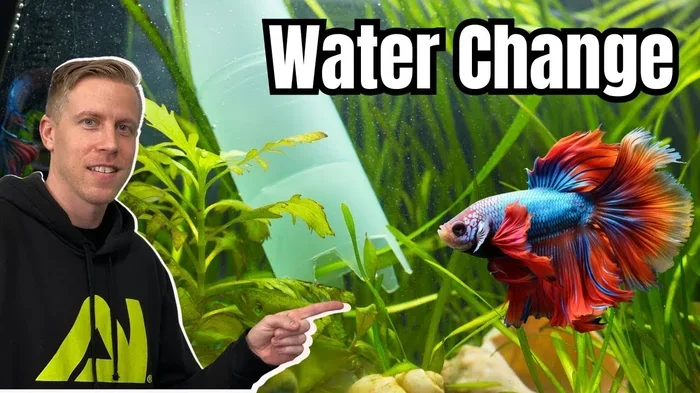
One of the clearest signs of a happy betta fish is bright, vivid colors. When a betta feels safe and healthy, its scales glow with rich reds, deep blues, bright greens, and warm oranges. A stressed or unhappy betta, on the other hand, looks faded and dull.
Color changes can happen quickly. If your betta suddenly looks pale, check the water conditions and temperature first. Often, a simple water change brings the color right back. Bettas also tend to show their best colors in the morning, so try to observe them during feeding time.
Flowing, Healthy Fins
A happy betta fish holds its fins open and relaxed. The fins flow gracefully as the fish moves through the water. You will notice the fins spread wide, almost like a little cape trailing behind your fish.
When a betta is unhappy or stressed, it clamps its fins close to its body. This is one of the most visible betta fish behavior changes. Clamped fins mean something is wrong, whether it is bad water quality, cold temperatures, or aggression from a tank mate. Watch for this sign every time you look at your tank.
Signs Your Betta Fish Is Happy
Beyond appearance, there are many behaviors that show a betta fish is truly content. These signs are easy to observe and do not require any special equipment.
Active Swimming
A happy betta fish swims around its tank with energy and purpose. It explores every corner, checks out decorations, and glides smoothly through the water. You will see your betta darting from one side of the tank to the other, especially around feeding time.
Some bettas like to hover near the surface, watching the world above. Others prefer to explore the middle and bottom of the tank. As long as your fish moves regularly and with ease, that is a great sign. A happy betta fish stays active throughout the day.
Curiosity and Exploration
Bettas are naturally curious creatures. A content betta will investigate new objects in the tank, check out plants, and even watch you as you walk by the aquarium. This curiosity shows your fish feels safe enough to explore its environment.
If your betta hides all the time and refuses to come out, something may be wrong. A betta fish that feels stressed will retreat to corners or hide behind decorations constantly. A happy betta, however, is confident and inquisitive.
Bubble Nests
One of the most exciting signs of a happy betta fish is the building of bubble nests. These are clusters of tiny bubbles that float on the surface of the water. Male bettas build these nests as part of their natural breeding behavior.
Building a bubble nest means your betta feels secure and ready to reproduce. It is one of the clearest signs that your fish is in great shape. If you notice a bubble nest, take it as a compliment. Your fish is thriving. For more details on what bubble nests mean, check out our guide on Do Betta Fish Bubble Nest Mean They Are Happy.
Healthy Appetite
A happy betta fish gets excited about food. You will notice your betta swimming to the top of the tank when it is feeding time. A good appetite is one of the simplest and most reliable indicators of overall well-being.
Bettas should eat once or twice a day. They enjoy betta pellets, frozen bloodworms, and brine shrimp. If your fish refuses food for more than two days, that is a red flag. Check the water temperature and quality first, because poor conditions often cause appetite loss.
Relaxed Body Language
Watch how your betta holds its body. A happy betta fish swims with a straight, upright posture. Its body is streamlined and its movements are smooth. You will notice your fish resting comfortably on a leaf or floating near the surface with no tension.
Stress causes bettas to hunch their bodies or press against the glass. A relaxed betta looks loose and fluid in its movements. This is one of the most underrated signs of betta fish happiness that many owners overlook.
How to Create a Happy Environment for Your Betta
Creating the right environment is the foundation of a happy betta fish. Your tank setup directly affects how your fish feels, behaves, and thrives. Small changes can make a big difference.
Tank Size Matters
Many people keep bettas in tiny bowls, but this is not ideal. A happy betta fish needs space to swim and explore. A tank of at least 5 gallons gives your fish room to move around and establish its territory comfortably.
Bettas do like having some space. In a small bowl, they can feel trapped and stressed. A larger tank also makes it easier to maintain stable water conditions, which is essential for long-term health. Learn more about how space affects your betta in our article on Do Betta Fish Like A Lot of Space.
Proper Water Temperature
Bettas are tropical fish and need warm water to stay healthy. The ideal temperature range is between 76 and 82 degrees Fahrenheit. Cold water makes bettas sluggish and prone to illness.
A small heater designed for aquariums works perfectly for betta tanks. Monitor the temperature daily, especially during seasonal changes. A happy betta fish stays active and alert when the water is at the right warmth. Without proper heating, even the best tank setup falls short.
Clean Water and Filtration
Water quality is one of the most important factors in betta happiness. Dirty water causes stress, disease, and shortened lifespan. A happy betta fish lives in clean, well-filtered water.
You do not need a powerful filter, though. Bettas prefer gentle water flow because strong currents tire them out. A sponge filter works great for most betta tanks. Change 25 to 30 percent of the water every week to keep conditions fresh. For more on this topic, read our article on Do Betta Fish Have To Be In A Filtered Tank.
Enrichment and Stimulation
Bettas get bored just like any other pet. A happy betta fish needs mental stimulation to stay healthy and active. Without enrichment, bettas can become lethargic and depressed.
Live plants are excellent for betta tanks. They provide hiding spots, resting places, and something to explore. Smooth rocks, driftwood, and caves also add interest to the environment. Some owners even place a small mirror near the tank briefly to give their betta something to interact with. Just be careful not to overdo it, as constant mirror exposure can cause stress.
Another great way to prevent boredom is by varying your betta’s diet. Offer different types of food throughout the week. For treat ideas, check out our guide on Do Betta Fish Have Treats For A Snack.
Common Mistakes That Make Betta Fish Unhappy
Knowing what causes stress in bettas is just as important as knowing what makes them happy. Avoiding these common mistakes will help your fish thrive for years.
Keeping Them in Tiny Bowls
The single biggest mistake people make is keeping bettas in bowls smaller than 2 gallons. A happy betta fish needs room to swim. Tiny bowls restrict movement, make it hard to maintain clean water, and leave no space for enrichment.
If you currently keep your betta in a bowl, upgrading to a proper tank is the best thing you can do. Even a 3-gallon tank is a huge improvement. Your fish will show you the difference through brighter colors and more energy.
Ignoring Water Changes
Many owners forget or skip regular water changes. Over time, ammonia and nitrite levels build up in the tank. These toxins are invisible but very harmful. A betta fish living in dirty water will become stressed, lose its color, and eventually get sick.
Set a weekly reminder to change part of the water. It only takes about 15 minutes and makes a dramatic difference. Your fish will reward you with vibrant colors and active behavior.
Wrong Water Temperature
Cold water is one of the fastest ways to make a betta unhappy. Bettas kept in cool temperatures become sluggish and their immune system weakens. They are more likely to develop diseases like ich and fin rot.
Always use a heater in your betta tank. A thermometer helps you monitor the temperature accurately. Keeping the water in the right range is one of the simplest ways to ensure a happy betta fish.
Overcrowding the Tank
Bettas are territorial fish and do not always get along with other fish. Keeping them with aggressive tank mates causes constant stress. Even adding too many decorations can make a small tank feel cramped.
Keep your betta as the sole fish in a small tank, or pair it with peaceful, non-fin-nipping species in a larger setup. A calm environment is essential for betta fish well-being.
Lack of Routine
Bettas thrive on routine. Feeding at the same times each day and maintaining a consistent cleaning schedule helps your fish feel secure. Sudden changes in the environment, like moving the tank to a different room, can cause stress and anxiety.
When you establish a steady routine, your betta fish behavior improves noticeably. The fish becomes more confident, eats eagerly, and explores its surroundings with curiosity.
How to Keep Your Betta Fish Happy Long-Term
A happy betta fish is not just about the tank setup. It is about the ongoing care and attention you provide every single day. Long-term happiness comes from consistent habits and a genuine connection with your fish.
Daily Observation
Spend a few minutes each day watching your betta. Look for changes in color, swimming patterns, and appetite. Catching problems early is the key to preventing serious health issues. The more time you spend observing, the better you will understand your fish’s unique personality.
Every betta has its own quirks. Some are energetic and bold, while others are calm and shy. Learning your individual fish’s normal behavior helps you spot when something is off. This daily habit builds a rewarding bond between you and your pet.
Balanced Feeding Routine
Feed your betta high-quality food in small amounts. Overfeeding is a common mistake that leads to bloated bellies and dirty water. A happy betta fish eats eagerly but does not overeat.
Offer pellets as the staple diet and supplement with frozen or live treats two to three times a week. Remove any uneaten food after a few minutes to keep the water clean. A consistent feeding schedule gives your fish a sense of stability.
Regular Tank Maintenance
Keep up with weekly water changes, filter cleaning, and temperature checks. A well-maintained tank is the foundation of a happy betta fish. Maintenance does not have to be complicated or time-consuming.
Set up a simple routine: test the water, change 25 percent of the water, clean the glass, and check the heater. These small actions add up to a big impact on your fish’s quality of life.
Providing a Stress-Free Home
The ultimate goal is to create a tank where your betta feels completely at home. Soft lighting, gentle water flow, plenty of plants, and a stable environment all contribute to long-term happiness. A happy betta fish will reward you with years of companionship and endless entertainment.
Remember that every fish is different. What works for one betta might not work for another. Pay attention to your fish’s individual preferences and adjust accordingly. The effort you put in shows in your fish’s vibrant colors, energetic swimming, and overall joyful demeanor.
Conclusion
A happy betta fish is easy to recognize once you know what to look for. Bright colors, active swimming, a healthy appetite, bubble nests, and relaxed body language all point to a content and thriving fish. By creating the right environment, avoiding common mistakes, and maintaining a consistent care routine, you give your betta the best possible life.
Your betta fish depends on you for everything. The time and attention you invest in its well-being pay off in a happy, colorful, and lively companion. Start applying these tips today and watch your fish thrive. The joy of caring for a happy betta fish is one of the simplest rewards in the hobby of fish keeping.
Frequently Asked Questions
How can I tell if my betta fish is happy?
A happy betta fish shows bright colors, active swimming, a good appetite, and relaxed fins. It explores the tank, builds bubble nests, and interacts with its surroundings confidently. These are the most reliable signs that your fish feels safe and content.
What tank size is best for a happy betta fish?
A tank of at least 5 gallons is ideal for a happy betta fish. This gives your fish enough room to swim, explore, and establish territory. Smaller bowls restrict movement and make it harder to maintain clean water, which leads to stress and unhappiness.
Do betta fish get bored in their tanks?
Yes, bettas can get bored without proper enrichment. A happy betta fish needs live plants, decorations, and varied activities to stay mentally stimulated. Adding new elements to the tank and varying their diet helps prevent boredom and keeps them engaged.
Can a betta fish be happy in a bowl?
While bettas can survive in bowls, they are much happier in larger tanks. A happy betta fish needs space, stable water conditions, and room to swim. Bowls limit all of these factors and often lead to stress and shortened lifespan over time.
How often should I change the water for a happy betta fish?
Change 25 to 30 percent of the water in your betta tank every week. Regular water changes keep ammonia and nitrite levels low, which is essential for a happy betta fish. Pair weekly changes with gentle filter maintenance for the best results.
What signs show my betta fish is stressed?
Stressed bettas show clamped fins, faded colors, loss of appetite, hiding behavior, and rapid breathing. A happy betta fish displays the opposite: open fins, bright colors, eager eating, and confident swimming. If you notice stress signs, check water quality and temperature right away.