What You Need for a Betta Fish
Setting up a home for your betta fish starts with knowing exactly what you need for a betta fish. From the right tank size and water conditioner to the best food and decorations, every item matters. This guide walks you through all the essentials so your betta stays healthy and colorful. You will learn what to buy, what to skip, and how to avoid common beginner mistakes.
Getting a betta fish is exciting. These colorful creatures are beautiful, curious, and full of personality. But before you bring one home, you need to know exactly what you need for a betta fish. A proper setup makes all the difference between a happy, thriving fish and a stressed one that gets sick easily.
Many beginners make the mistake of buying a tiny bowl and calling it done. That approach leads to problems fast. Betta fish need clean water, the right temperature, and enough space to swim. This guide covers everything you need to set up a healthy home for your new pet. We will go through tanks, equipment, food, and accessories step by step.
By the end of this article, you will feel confident about what to buy and how to set things up. Whether you are a total beginner or someone who wants to improve your current setup, you will find practical advice here. Let us get into it.
Key Takeaways
- A minimum 5-gallon tank is the best home for a betta fish, not a tiny bowl.
- A heater and filter are essential to maintain stable water temperature and quality.
- Water conditioner removes harmful chemicals from tap water before adding it to the tank.
- High-quality betta pellets should form the foundation of your fish’s diet.
- Live or silk plants provide hiding spots and reduce stress for your betta.
- Regular water changes and testing keep the tank environment safe and clean.
- Avoid sharp decorations that can tear your betta’s delicate fins.
📑 Table of Contents
What You Need for a Betta Fish: The Essentials
When people ask what you need for a betta fish, they usually mean the basic supplies. But the answer goes deeper than just buying a tank. You need a complete system that supports clean water, proper temperature, and a healthy environment. Here is what matters most.
Choosing the Right Tank
The tank is the foundation of everything. Many pet stores sell bettas in small cups. That does not mean they should stay in tiny containers. A 5-gallon tank is the minimum recommended size for a single betta fish. This gives your fish enough room to swim and explore.
Why does tank size matter so much? Smaller tanks are harder to keep stable. Temperature swings and ammonia spikes happen faster in small volumes of water. A larger tank gives you more buffer room. It also makes maintaining water quality much easier.
If you want the best results, go with a 10-gallon tank. This size gives you more flexibility with equipment and aquascaping. You can also add compatible tank mates more easily in a larger setup. Just make sure you research any fish before adding them to the tank.
Heater and Temperature Control
Betta fish are tropical. They need warm water to stay healthy. The ideal temperature range is between 76 and 82 degrees Fahrenheit. Without a heater, room temperature water will be too cold for your betta over time.
A small submersible heater works perfectly for a betta tank. Look for one with a thermostat so it maintains a steady temperature. Do not skip the heater, even if your room feels warm. Temperature drops at night can stress your fish and weaken its immune system.
Along with a heater, you need a thermometer. A simple stick-on thermometer lets you monitor the water temperature daily. If the temperature drops or rises too much, you can adjust quickly. Stable temperature is one of the most important parts of betta fish care.
Filter for Clean Water
Betta fish produce waste just like any other fish. Without a filter, ammonia and nitrite levels can spike quickly. A filter removes harmful chemicals and keeps the water clean.
However, bettas are not strong swimmers. They prefer gentle water flow. Choose a filter with an adjustable flow rate or use a sponge filter. Sponge filters provide excellent biological filtration without creating a strong current. This keeps your betta comfortable while still maintaining water quality.
You will also need filter media. Most filters come with media already included. Replace or rinse the media regularly, but do not replace all of it at once. You want to preserve the beneficial bacteria that help cycle your tank.
Water Quality: What You Need for a Betta Fish Tank
Water quality is arguably the most important factor in keeping a betta fish healthy. Bad water causes stress, disease, and shortened lifespan. Understanding how to manage water properly is essential.
Water Conditioner
Tap water contains chlorine and chloramine. These chemicals are safe for humans but harmful to fish. A water conditioner neutralizes these chemicals instantly. You must add conditioner every time you add new water to the tank.
Look for a conditioner that also removes heavy metals. Some brands include aloe vera or other beneficial ingredients that protect your fish’s slime coat. This is a simple but critical part of what you need for a betta fish.
Cycling Your Tank
Before adding your betta, you need to cycle the tank. Cycling means building up beneficial bacteria that break down ammonia and nitrite. This process takes about 4 to 6 weeks. Some people skip this step, but it is one of the biggest mistakes you can make.
An uncycled tank leads to ammonia spikes. Ammonia burns your betta’s gills and causes serious health problems. Use a liquid test kit to monitor ammonia, nitrite, and nitrate levels during the cycling process. Once the tank is fully cycled, your betta can move in safely.
If you want to speed things up, you can use bottled beneficial bacteria. These products help establish the nitrogen cycle faster. But even with these products, patience is key. Do not rush the process.
Water Changes and Testing
Even with a filter, you need to do regular water changes. For a 5-gallon tank, change about 25 to 30 percent of the water every week. For larger tanks, you can stretch this to once every one to two weeks.
Use a gravel vacuum to remove debris from the substrate during water changes. This keeps the tank clean without disturbing the beneficial bacteria in the substrate. Always treat new water with conditioner before adding it to the tank.
Testing your water regularly is also important. A liquid test kit is more accurate than test strips. Test for ammonia, nitrite, nitrate, and pH. Keeping these parameters in check is the foundation of a healthy betta fish tank.
Food and Feeding: What You Need for a Betta Fish Diet
Feeding your betta properly is a big part of keeping it healthy. Betta fish are carnivores. They need a diet rich in protein. Not all fish food is created equal, so choosing the right food matters.
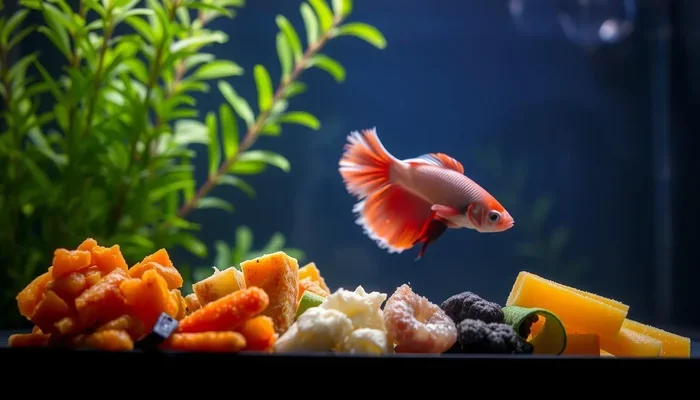
High-quality betta pellets should be the staple of your fish’s diet. Look for pellets where the first ingredient is whole fish or fish meal. Avoid pellets that are filled with fillers like corn or wheat. These offer little nutritional value.
You can also offer variety with frozen or live foods. Bloodworms, brine shrimp, and daphnia are excellent choices. These foods provide extra protein and make a great treat. Feed these 2 to 3 times per week alongside your regular pellets.
Overfeeding is one of the most common mistakes new betta owners make. Feed your betta 2 to 3 pellets twice a day. Remove any uneaten food after a few minutes. Excess food decays in the water and raises ammonia levels, which can make your fish sick.
Tank Decorations and Accessories
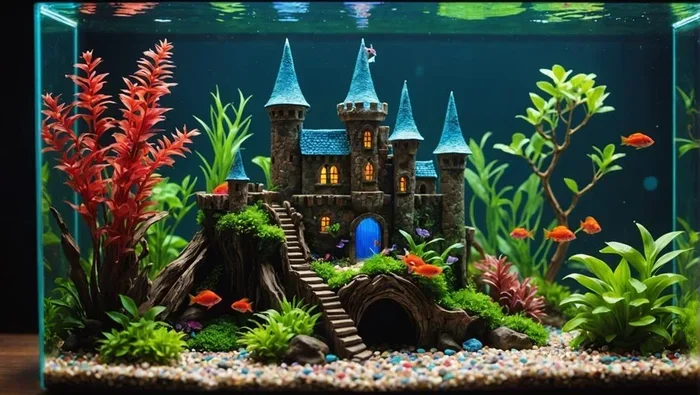
A bare bottom tank looks boring and can stress your betta. Decorations provide hiding spots, exploration opportunities, and a sense of security. But not all decorations are safe for bettas.
Safe Plants for Bettas
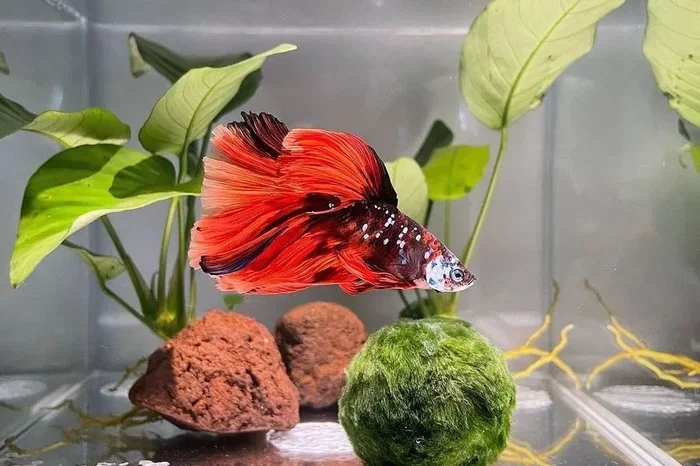
Live plants are the best choice for a betta tank. They help filter the water, produce oxygen, and create a natural environment. Some great options include java fern, anubias, and amazon sword. These plants are hardy and do well in betta tanks.
If you prefer artificial plants, choose silk ones. Silk plants have soft leaves that will not tear your betta’s fins. Avoid plastic plants with rough edges or sharp points. Betta fins are delicate and can be easily damaged.
You can also add floating plants like frogbit or water lettuce. Bettas love resting near the surface, and floating plants provide shade and cover. This helps your fish feel safe and reduces stress.
Substrate and Background
For the tank bottom, you can use sand or fine gravel. Avoid rough or sharp substrates. A dark-colored substrate often makes betta colors pop and looks natural. You can also add a background to the back of the tank. This gives your betta a sense of security and makes the tank look more polished.
Hideouts and Caves
Betta fish like to have places to hide. Add a few caves or coconut shells to the tank. These serve as resting spots and territories. Make sure any hideouts have smooth edges and no small openings that could trap your fish’s fins.
Common Mistakes to Avoid
Even with the best intentions, many betta owners make avoidable mistakes. Knowing what to watch out for saves you time, money, and heartache.
- Using too small a tank. A bowl or a 1-gallon tank is not enough. Your betta needs at least 5 gallons of space.
- Skipping the heater. Room temperature water is almost always too cold for a betta. A heater is non-negotiable.
- Not cycling the tank. Adding your betta to an uncycled tank risks ammonia poisoning. Always cycle first.
- Overfeeding. Excess food pollutes the water fast. Stick to a consistent feeding schedule.
- Using harsh decorations. Sharp plastic plants or rough rocks can damage your betta’s fins. Choose soft, smooth materials.
- Ignoring water changes. Even with a filter, regular water changes are essential. Do not skip them.
These mistakes are easy to avoid once you know about them. Taking the time to set things up correctly from the start saves you a lot of trouble later. If you want more detailed guidance on the full setup process, check out what you need for a betta fish for beginners for a more in-depth walkthrough.
Final Thoughts
Knowing what you need for a betta fish is the first step toward being a great fish owner. A proper tank, heater, filter, water conditioner, and good food form the foundation of a healthy home. Add in safe decorations, regular maintenance, and a little patience, and your betta will thrive.
Setting up a tank might feel overwhelming at first. But it becomes second nature once you understand the basics. Start with the essentials, learn as you go, and always prioritize your fish’s well-being. The reward of watching a happy, colorful betta swim gracefully in a well-maintained tank is absolutely worth the effort.
If you want to dive deeper into specific topics, explore our guides on what size tank do I need for a betta fish and what water to use for a betta fish. These resources will help you fine-tune your setup and give your betta the best possible life.
Remember, every betta fish deserves a home where it can flourish. Take the time to get the basics right, and you will enjoy many years with your beautiful companion. Happy fishkeeping.
Frequently Asked Questions
What size tank do I need for a betta fish?
A 5-gallon tank is the minimum recommended size for a single betta fish. A 10-gallon tank gives you more room and makes water maintenance easier. Avoid keeping bettas in bowls or tanks smaller than 3 gallons.
Do betta fish need a heater?
Yes, betta fish need a heater. They are tropical fish and require water temperatures between 76 and 82 degrees Fahrenheit. Without a heater, the water can become too cold, leading to stress and health problems.
How often should I feed my betta fish?
Feed your betta 2 to 3 pellets twice a day. Offer frozen or live foods like bloodworms as treats 2 to 3 times per week. Remove any uneaten food after a few minutes to keep the water clean.
Can betta fish live in bowls without a filter?
Technically yes, but it is not recommended. Bowls are too small to maintain stable water quality. A filter and heater in at least a 5-gallon tank give your betta a much healthier environment.
What water should I use for a betta fish?
Use tap water treated with a water conditioner to remove chlorine and chloramine. You can also use bottled spring water if your tap water quality is poor. Never use distilled water without remineralizing it first.
How do I know if my betta fish is healthy?
A healthy betta has vibrant colors, flows its fins gracefully, and eats eagerly. Look for clear eyes, no torn fins, and active swimming behavior. If your betta stays at the bottom or refuses food, check the water parameters right away.