How to Identify Male and Female Betta Fish

Learning how to identify male and female betta fish is easier than most people think. You can tell the difference by looking at color intensity, fin length, body shape, and behavior. This guide gives you every tool you need to confidently identify betta fish gender in just a few minutes.
If you have ever stared at a betta fish and wondered whether it is a male or a female, you are in good company. How to identify male and female betta fish is a question that comes up in every fish keeper’s journey. The truth is that telling the sexes apart is not as hard as it seems once you know what to look for.
Male and female bettas look and act differently in several clear ways. From their dazzling fins to their behavior during feeding time, each sex has distinct features. Whether you are setting up a new tank, planning a breeding project, or just curious, learning to identify betta fish gender is a valuable skill. This guide breaks it all down into simple, easy-to-follow steps.
You do not need any special tools or expensive equipment. Just a keen eye and a little patience. By the end of this article, you will be able to look at any betta and confidently say whether it is male or female. Let us get started.
Key Takeaways
- Male bettas have longer, flowing fins: Their fins are dramatically longer and more colorful than females.
- Females have a visible egg spot: A small white dot on the underside helps confirm gender.
- Body shape differs between sexes: Males are sleeker while females are rounder and wider.
- Behavior changes reveal gender: Males flare and display more aggressively than females.
- Color intensity varies by sex: Males typically show brighter, more vivid colors.
- Know when gender matters: Identifying sex early helps with tank setup and breeding decisions.
📑 Table of Contents
How to Identify Male and Female Betta Fish by Color and Fins
The first and most obvious way to tell male and female bettas apart is through their color and fins. Male bettas have been selectively bred for decades to develop brilliant, intense colors and long, flowing fins. Females, on the other hand, tend to have more muted tones and shorter fins.
Color Differences Between Male and Female Betta Fish
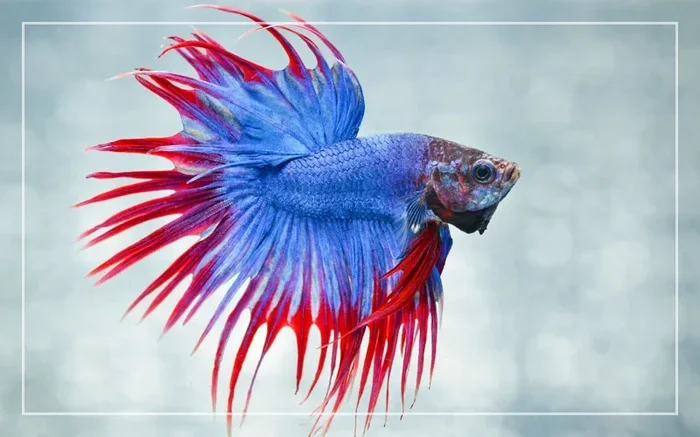
Male bettas display vivid shades of blue, red, green, purple, and turquoise. Their colors often seem to glow under aquarium lights. This brightness is a key trait that breeders have worked hard to enhance over many generations.
Female bettas still have color, but it is usually softer and less intense. You might notice a female betta appearance has a pale blue or dull green body. Some females do develop bright colors, but this is less common and often only happens when they are ready to breed.
If you are trying to differentiate between male and female betta fish, color is a great starting point. A male will almost always look more vibrant than a female of the same betta fish species.
Quick tip: Hold a white background behind the tank. This makes it easier to see the true color of your betta. Lighting also matters, so try to view your fish in natural or full-spectrum light for the most accurate comparison.
Fin Length and Shape Comparison
The fins are where male bettas truly shine. A male’s dorsal fin, tail fin, and anal fin stretch out long and flowing. Some male bettas have fins that are longer than their entire body. The tail often fans out like a beautiful fan or veil.
Female bettas have much shorter fins. Their fins sit close to the body and look neat and compact. The tail fin is rounded but not extended. If you compare a male and female side by side, the difference in fin length is immediately obvious.
Here are some quick fin comparison points:
- Male fins: Long, flowing, and dramatic. The tail often extends past the tail fin.
- Female fins: Short, neat, and close to the body. The tail is rounded but compact.
- Dorsal fin: Males have a tall, sweeping dorsal fin. Females have a shorter one.
- Anal fin: Males show a longer, more pointed anal fin. Females keep theirs shorter.
When you are telling a female betta fish from a male, fin length is one of the fastest clues to check. Even a beginner can spot the betta fish differences in fin length once they know what to look for.
Body Shape and Size Differences
Beyond color and fins, the body shape of a betta fish tells you a lot about its gender. Male and female bettas have different body profiles that become more noticeable as they mature.
How Body Shape Changes with Age
Young bettas under three months old can be very hard to sex. Both males and females look similar at this stage. But as they grow, the differences in body shape start to show.
Male bettas tend to have a long, sleek, and streamlined body. Their profile is narrow from side to side. They look like they are built for speed and display, which makes sense given their role in attracting mates.
Female bettas have a rounder, wider body shape. Their abdomen appears fuller, especially when they are carrying eggs. This rounded belly is one of the clearest signs that a betta is female. From above, a female betta often looks like a slightly plump oval.
Size differences also play a role. Males generally grow slightly larger than females, reaching up to 3 inches in captivity. Females typically stay around 2 to 2.5 inches. However, this betta fish size difference is small and not always reliable on its own.
If you want to determine male and female betta fish accurately, combine body shape observations with other clues like fins and behavior. No single feature tells the whole story.
Behavioral Differences to Watch For
Betta fish are known for their personality, and behavior is a reliable way to help identify gender. Males and females behave very differently, especially in certain situations.
Male bettas are famous for their flaring behavior. When they see another male, a mirror, or even their own reflection, they spread their fins and flare their gills. This display makes them look much larger and more intimidating. It is a natural territorial behavior and one of the most entertaining things to watch in a home aquarium.
Female bettas flare too, but much less frequently and with less intensity. A female might flare at another female or when she feels threatened, but you will not see the dramatic shows that males put on. This betta fish aggression difference is one of the easiest behavioral clues to observe.
During feeding time, male bettas can be more competitive. They may rush to the front of the tank and claim food. Females tend to eat more calmly and share space better, especially when kept in small groups known as sororities.
Here are some behavioral signs to watch for:
- Flaring: Males flare often and dramatically. Females flare rarely and with less show.
- Bubble nests: Only males build bubble nests at the water surface. This is a strong sign of a male betta.
- Territorial chasing: Males chase other fish more aggressively. Females may chase but usually less intensely.
- Breeding behavior: A female ready to breed will show vertical stripes and a swollen belly.
If you notice your betta building a bubble nest, you can be almost certain it is a male. This is one of the most reliable behavioral markers for identifying betta sex.
The Egg Spot and Beard: Key Identification Markers
Two physical features stand out as the most reliable markers for sexing betta fish: the egg spot and the beard. These are small details, but they make identification much easier once you know where to look.
What Is the Egg Spot?
The egg spot is a tiny white or yellowish dot located on the underside of the female betta, near the vent area. It is where eggs pass through during spawning. If you see this spot, you are looking at a female betta fish.
Males do not have a visible egg spot. Some beginners confuse the vent area on males, but it does not have the same distinct dot. Using a magnifying glass or zooming in with a phone camera can help you spot this tiny mark more easily.
The egg spot is most visible on mature females that are ready to breed. Younger females may have a less noticeable spot. Still, if you can see it clearly, that is a strong confirmation of female gender.
What Is the Beard?
The beard, also called the opercular membrane, is a small flap of skin behind the gills. Male bettas have a more prominent, wider beard that becomes visible especially when they flare. The beard looks like a thin membrane that extends outward, giving the male a more rugged appearance.
Females also have a beard, but it is much smaller and less noticeable. It does not extend outward the way a male’s does. When a female flares, her beard is subtle and tight against the gill plate.
Together, the egg spot and beard make it much easier to distinguish male and female betta fish with confidence. If you see a visible egg spot and a small beard, you have a female. If you see a large beard and no egg spot, you have a male.
Expert insight: Many experienced breeders rely on the combination of the egg spot and beard as their primary identification method. These two features are present in nearly all adult bettas and are far more reliable than color or fin length alone.
Quick Comparison Chart
To make things even easier, here is a side-by-side comparison of the main differences between male and female betta fish:
- Color: Males are bright and vivid; females are softer and more muted.
- Fins: Males have long, flowing fins; females have short, compact fins.
- Body Shape: Males are sleek and narrow; females are rounder and wider.
- Size: Males grow slightly larger, up to 3 inches; females stay around 2 to 2.5 inches.
- Flaring: Males flare often and dramatically; females flare rarely and gently.
- Bubble Nests: Only males build bubble nests; females do not.
- Egg Spot: Males do not have one; females have a visible white dot.
- Beard: Males have a wide, prominent beard; females have a small, subtle one.
- Behavior: Males are more territorial; females can be kept in groups more easily.
This chart gives you a quick reference whenever you need to confirm the gender of your betta. Keep it in mind the next time you visit a pet store or look at your own tank.
When to Identify Gender and Why It Matters
Knowing the gender of your betta fish is not just a fun fact. It has real practical implications for how you care for your fish and set up your tank.
One of the most important reasons to identify gender early is tank compatibility. Male bettas are highly territorial and should never be housed with another male. They will fight aggressively, and the results can be fatal. Can male and female betta fish live together? Yes, but only under the right conditions with plenty of space and hiding spots.
If you are interested in breeding bettas, identifying gender correctly is essential. You need a healthy male and a ready female to succeed. A female that is not ready to breed may not show the vertical stripes or the swollen belly. Learning to find female betta fish ready to breed takes practice, but it is a rewarding skill for any hobbyist.
Even if breeding is not your goal, knowing the gender helps you plan the right tank setup. Males do best in solo tanks with plenty of enrichment. Females can sometimes be kept in small groups, which creates a more dynamic and interesting aquarium.
Here are some practical tips for gender-based tank planning:
- For males: Provide a tank of at least 5 gallons with a heater and filter. Add plants and decorations for enrichment.
- For females: A group of 4 to 6 females needs a tank of at least 10 gallons. This gives them enough space to establish a hierarchy without constant conflict.
- For breeding pairs: Use a separate breeding tank with soft lighting and shallow water. Monitor the pair closely during the spawning process.
If you ever plan to keep male and female betta fish together, make sure you understand the risks. While it is possible, it requires careful monitoring and a well-planned tank. Always have a backup plan in case the fish need to be separated.
Conclusion
Learning how to identify male and female betta fish is a skill that every betta keeper should develop. The differences are clear once you know what to look for. From the bright colors and long fins of males to the rounder bodies and egg spots of females, each sex has its own unique markers.
Use the color and fin differences, body shape, behavior patterns, and physical markers like the egg spot and beard to confirm gender with confidence. The comparison chart in this guide is a great tool to keep nearby when you are observing your fish.
Remember that patience is key. Young bettas under three months may be difficult to sex, and some females can develop surprisingly bright colors. Keep observing your fish over time, and your identification skills will improve with every look.
Whether you are keeping a single male in a peaceful solo tank or building a community of females, understanding gender helps you provide the best possible care. Now that you know how to tell them apart, you are ready to take your betta keeping to the next level. Happy fish keeping.
Frequently Asked Questions
Can you tell the gender of a betta fish by its color?
Yes, color is one of the easiest indicators. Male bettas typically display bright, vivid colors like blue, red, and green, while females tend to have softer, more muted tones. However, color alone is not always definitive, so it is best to combine this with other clues like fin length and body shape.
At what age can you identify a betta fish’s gender?
Most bettas can be reliably sexed once they reach about three months of age. Before that, both males and females look very similar with few distinguishing features. As they mature, differences in fin length, body shape, and color become much more apparent and easier to identify.
Do female betta fish build bubble nests?
No, bubble nest building is a behavior exclusive to male bettas. Males build these nests at the water surface as part of their breeding routine. If you see a bubble nest in your tank, it is a clear sign that you have a male betta fish in the tank.
Can male and female betta fish live in the same tank?
Yes, but it requires careful planning. Males and females can coexist in a well-set-up tank with plenty of space, hiding spots, and plants. However, you should always monitor their behavior closely, as aggression can occur. Having a backup plan for separation is always a smart approach.
What is the most reliable way to identify a female betta fish?
The most reliable method is checking for the egg spot, a small white dot on the underside near the vent area. Combined with a smaller beard and a rounder body shape, the egg spot gives you strong confirmation that your betta is female. This method works well for mature females especially.
Why do male betta fish flare more than females?
Male bettas flare as a territorial display to appear larger and more intimidating to rivals. This behavior is driven by their natural instinct to defend their space. Females flare much less often and with less intensity, making flaring frequency a useful clue when you are trying to identify betta fish gender.