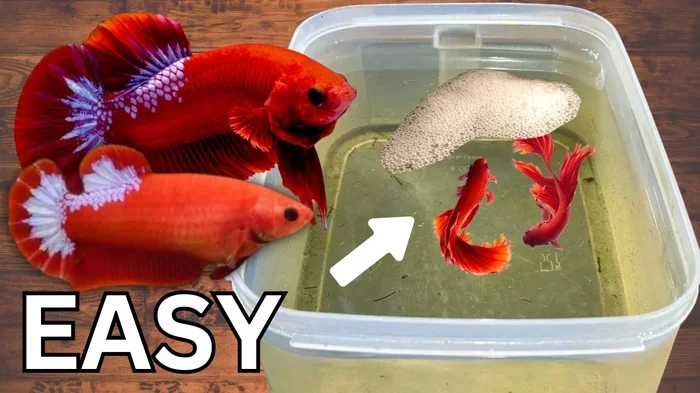
Can 2 Betta Fish Live in a 10 Gallon Tank
Can 2 betta fish live in a 10 gallon tank? The short answer is yes, but it comes with important conditions. A 10 gallon tank can work for two bettas if you choose the right pair, set up proper hiding spots, and monitor their behavior closely. This guide covers everything you need to know about betta fish tank size, compatibility, and setup for a peaceful shared home.
So you want to keep two betta fish together in a 10 gallon tank. Maybe you already have one betta and are thinking about adding a second. Or maybe you are starting fresh and wondering if a shared tank is a good idea.
The truth is, can 2 betta fish live in a 10 gallon tank is a question that comes up a lot among fish keepers. And the answer is not as simple as yes or no. It depends on the gender of the fish, the tank setup, and how well you manage the environment. In this guide, we will walk through everything you need to know. By the end, you will have a clear picture of whether a shared 10 gallon tank is right for your bettas.
Betta fish are beautiful, curious creatures. They have personality, color, and charm that few other freshwater fish can match. But they are also territorial. This creates a real challenge when you want to keep more than one in the same space. Understanding this balance is the first step toward success.
Key Takeaways
- Two bettas can share a 10 gallon tank: but only under the right conditions and with careful planning.
- Gender matters a lot: two males should never share a tank, while two females may work with proper setup.
- A larger tank gives better results: a 10 gallon is the minimum, and bigger is always better for reducing aggression.
- Tank setup is critical: plenty of plants, caves, and visual barriers help reduce stress and territorial fights.
- Watch for warning signs: flaring, fin nipping, and refusing food are signs your bettas are not getting along.
- A tank divider is a great backup plan: it lets both fish share the same water column safely.
📑 Table of Contents
- Understanding Betta Fish Behavior
- Why Tank Size Matters for Betta Fish
- Setting Up a 10 Gallon Tank for Two Betta Fish
- Can Two Male Betta Fish Live Together?
- Can Two Female Betta Fish Live Together?
- The Tank Divider Option
- Common Mistakes to Avoid
- How to Monitor Your Betta Fish After Setup
- Conclusion
Understanding Betta Fish Behavior
Before you decide to put two bettas in a 10 gallon tank, you need to understand how they think. Betta fish are solitary by nature. In the wild, they claim small territories and defend them fiercely. This instinct does not disappear just because they live in a glass box on your desk.
Territorial Nature of Betta Fish
Male bettas are especially territorial. They will flare their gills, spread their fins, and even attack other fish that enter their space. This behavior is called flaring, and it is a natural response to perceived threats. In a small tank, every inch of space feels like a threat zone.
Two male bettas will almost always fight. The aggression can escalate quickly and lead to serious injury or death. This is why you should never house two male bettas together, no matter the tank size.
Female Betta Social Dynamics
Female bettas are generally less aggressive than males. They can sometimes live together in what is called a sorority tank. A sorority setup works best with 4 to 6 females, but two females can coexist under the right conditions.
Even female bettas can show aggression, though. Hierarchy disputes happen. One fish may become dominant and bully the other. This is why careful observation is essential no matter what combination you choose.
Can Male and Female Betta Fish Live Together?
A male and female betta can live together, but it is not without risks. They may breed, which adds another layer of complexity. If you are not prepared for fry (baby fish), this combination requires extra attention. Many experienced keepers prefer to avoid mixing genders unless they are ready for the possibility of breeding.
For most beginners, keeping two females or using a tank divider is the safest route. You can also learn more about putting two betta fish in a tank together for additional guidance on pairings.
Why Tank Size Matters for Betta Fish
Tank size is one of the most important factors in whether two bettas can coexist peacefully. A 10 gallon tank is often seen as the sweet spot for a single betta. But when you add a second fish, the dynamics change.
The Minimum Tank Size for Two Bettas
A 10 gallon tank is the bare minimum for two bettas. It gives each fish enough room to establish its own territory without constant confrontation. Anything smaller, like a 1 gallon tank or a 2 gallon tank, is far too small for two fish.
In a cramped space, there is no escape from an aggressive fish. This leads to chronic stress, which weakens the immune system and shortens lifespan. Stress is one of the biggest killers of betta fish in shared tanks.
Benefits of a Larger Tank
If you have the space, consider going bigger than 10 gallons. A 20 gallon tank gives each betta room to roam. It also makes it easier to maintain stable water parameters. Larger tanks are more forgiving of mistakes, which is a huge advantage for newer fish keepers.
Many keepers find that a 10 to 20 gallon tank offers the best balance of manageability and space for two bettas.
Setting Up a 10 Gallon Tank for Two Betta Fish
A proper setup makes all the difference when keeping two bettas together. You cannot just fill a 10 gallon tank with water and drop in two fish. Thoughtful planning is essential.
Filtration and Water Quality
Good filtration is non-negotiable. A gentle sponge filter works well for betta tanks because it provides biological filtration without creating too much water flow. Betta fish prefer calm water, so avoid strong hang-on-back filters that create a lot of current.
Test your water regularly. Ammonia and nitrite levels should always be zero. Nitrate should stay below 20 ppm. A tank without a filter is risky for any fish, and even riskier when housing two bettas together.
Decorations and Hiding Spots
This is where you can really make a difference. Fill the tank with plenty of plants, caves, and decorations that break up sightlines. When fish cannot see each other constantly, aggression drops significantly.
Live plants are ideal. They provide natural hiding spots and help maintain water quality. Java fern, anubias, and amazon sword plants all work well in a betta tank. You can also add fake plants, but make sure they have soft leaves. Rough plastic plants can tear delicate betta fins.
Lighting and Temperature
Keep the water temperature between 76 and 82 degrees Fahrenheit. A reliable aquarium heater is essential. Bettas are tropical fish and cannot tolerate cold water.
Lighting should be moderate. Too much light causes stress and encourages algae growth. A standard LED aquarium light on a timer works perfectly. Aim for 8 to 10 hours of light per day.
Can Two Male Betta Fish Live Together?
The short answer is no. Two male bettas should never share a tank. Their natural instinct is to fight to the death over territory. Even in a large tank with plenty of hiding spots, two males will eventually clash.
Some people claim success with keeping two males in a big tank with heavy planting. While there are rare exceptions, the risk is simply too high. You are putting both fish in danger of serious injury.
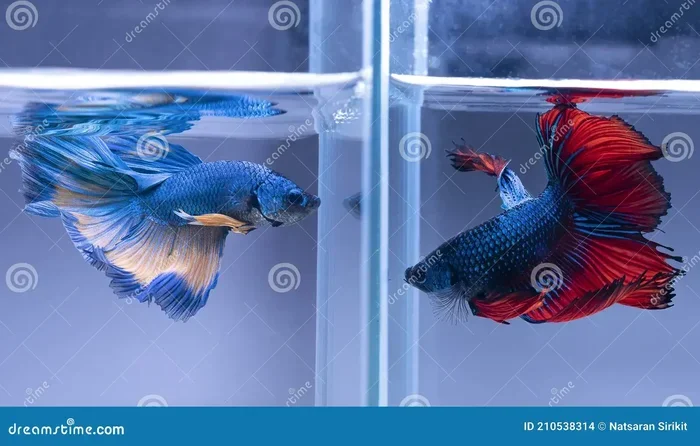
If you want to keep two males, a tank divider is your best option. A divider lets both fish see and sense each other without physical contact. This satisfies their territorial instincts safely.
Can Two Female Betta Fish Live Together?
Two female bettas have a better chance of coexisting peacefully. This is often called a betta sorority setup. However, it still requires careful planning and monitoring.
Setting Up a Female Betta Sorority
A 10 gallon tank can work for two females, but you should add extra hiding spots. Each fish needs her own territory within the tank. Use plants, driftwood, and caves to create visual barriers.
Introduce both fish at the same time. Adding a new fish later can trigger territorial behavior from the established resident. When you add both fish together, neither has prior claim to the territory.
Signs of Aggression in Female Bettas
Watch for these warning signs:
- Flaring at each other constantly
- Nipping fins or chasing
- One fish hiding all the time
- Refusing to eat
- Color fading or dull appearance
If you notice any of these signs, you need to separate the fish immediately. A female betta sorority guide can provide more detailed advice on managing multiple females.
The Tank Divider Option
A tank divider is one of the best solutions for keeping two bettas in a 10 gallon tank. It allows both fish to share the same water and filtration system while staying physically separated.
Benefits of Using a Tank Divider
A divider lets both bettas see each other, which satisfies their natural curiosity. It also saves space and reduces the cost of running two separate tanks. The water quality stays balanced because both sides share the same filtration system.
You can find betta tank dividers at most pet stores or online. Look for ones with mesh or perforated plastic that allow water flow but prevent physical contact. Make sure the divider is securely attached and cannot be knocked over by an active fish.
Tips for Using a Tank Divider
- Secure the divider firmly so it cannot shift.
- Ensure both sides have equal access to heating and filtration.
- Provide plants and decorations on each side for enrichment.
- Monitor both fish for signs of stress or frustration.
- Feed each side separately to prevent food competition.
A divider is not a permanent solution if your goal is to have both fish interact freely. But it is an excellent option if you want to keep two bettas in one 10 gallon tank safely.
Common Mistakes to Avoid
Even experienced fish keepers make mistakes when setting up a shared betta tank. Here are the most common errors to avoid.
Overcrowding the Tank
A 10 gallon tank is small. Do not add too many decorations that take up swimming space. Each betta needs room to swim freely. Overcrowding increases aggression and makes water quality harder to maintain.
Ignoring Water Parameters
Dirty water causes stress, and stressed bettas are aggressive bettas. Do not skip water changes. A partial water change of 25 to 30 percent every week is recommended for a 10 gallon tank with two fish.
Choosing the Wrong Pairing
Not every combination of bettas will work. Two males will fight. A male and female may breed uncontrollably. Make sure you understand the pairing before you add a second fish to the tank.
Skipping the Quarantine Period
Always quarantine a new betta for at least two weeks before introducing it to an existing tank. This prevents the spread of diseases and parasites. A sick fish added to a shared tank can cause an outbreak that harms both inhabitants.
How to Monitor Your Betta Fish After Setup
Once you have set up your 10 gallon tank with two bettas, your work is not done. Ongoing monitoring is essential for long-term success.
Watch the fish closely for the first few days. Normal behavior includes exploring the tank, eating readily, and displaying vibrant colors. Problem behavior includes constant flaring, hiding, clamped fins, or refusal to eat.
Keep a simple log of water parameters and fish behavior. This helps you spot trends early. If something seems off, test the water immediately. Early intervention can prevent serious problems.
Remember that every betta has its own personality. Some are calm and docile. Others are bold and aggressive. Understanding your individual fish helps you make better decisions about their care.
Conclusion
So, can 2 betta fish live in a 10 gallon tank? Yes, they can, but success depends on choosing the right pairing, setting up the tank properly, and staying vigilant. A 10 gallon tank gives two bettas enough space to coexist, especially when you add plenty of plants, caves, and visual barriers.
Always respect the territorial nature of betta fish. Never house two males together. Female pairs can work with careful management. And a tank divider offers a safe compromise if direct contact is too risky.
With the right setup and a watchful eye, two bettas can share a 10 gallon tank and bring double the beauty to your space. Start with the tips in this guide, stay patient, and enjoy the rewarding experience of keeping these stunning fish together.
Frequently Asked Questions
Can two male betta fish live in a 10 gallon tank?
No, two male bettas should never share a tank. They will fight aggressively, often leading to injury or death. A tank divider is the only safe way to keep two males in the same 10 gallon space.
Can two female betta fish live together in a 10 gallon tank?
Yes, two female bettas can sometimes live together in a 10 gallon tank. However, you need plenty of hiding spots and plants to break up territories. Monitor them closely for signs of aggression, especially during the first few weeks.
What is the best tank size for two betta fish?
A 10 gallon tank is the minimum recommended size for two bettas. A 20 gallon tank provides even more space and is easier to maintain stable water conditions. Bigger tanks always reduce aggression and stress.
Do I need a filter in a 10 gallon tank with two bettas?
Yes, a filter is essential. Two bettas produce more waste than one, and a filter helps maintain clean water. Use a gentle sponge filter to avoid strong currents that bettas dislike.
How do I introduce two bettas to the same tank?
Set up the tank with plenty of hiding spots first. Introduce both fish at the same time so neither claims prior territory. Watch them closely for the first 48 hours and be ready to separate them if aggression occurs.
Can I use a tank divider for two bettas in a 10 gallon tank?
Yes, a tank divider is an excellent option. It lets both fish share the same water and filtration while staying physically separated. Make sure the divider is secure and that both sides have equal access to heat and filtration.