What Type of Water Do You Use for Betta Fish
Choosing the right water is non-negotiable for your betta’s health. Forget the myth that they live in puddles—bettas thrive in clean, conditioned, warm freshwater with stable parameters. The absolute best and most practical water source is properly dechlorinated tap water, matched to their native tropical conditions. Never use distilled or untreated water, and always cycle your tank before adding your fish. Consistent testing and maintenance are the keys to a long, colorful life for your Siamese fighting fish.
Key Takeaways
- Understanding what type of water do you use for betta fish: Provides essential knowledge
📑 Table of Contents
- Introduction: Beyond the Bowl Myth
- Understanding Your Betta’s Natural Habitat
- The Non-Negotiables: Core Water Parameters
- Comparing Common Water Sources: Pros and Cons
- The Essential Process: Conditioning and Cycling
- Advanced Considerations: Tannins, Buffers, and Stability
- Conclusion: The Simple, Science-Backed Formula
Introduction: Beyond the Bowl Myth
If you’ve ever seen a betta fish in a tiny, decorative vase on a restaurant table, you’ve been sold a beautiful lie. That image, while iconic, is a recipe for a slow, stressful death for these intelligent, vibrant creatures. The single most important factor in your betta’s health, vibrancy, and lifespan isn’t the fancy decor or the premium food—it’s the water they live in. What type of water do you use for betta fish? is the foundational question every owner must answer correctly.
This isn’t about opinion; it’s about replicating the natural, tropical environment bettas come from: the shallow, warm, plant-rich rice paddies and slow-moving streams of Southeast Asia. Those habitats have clean, mineral-rich, slightly acidic water. Our job is to re-create that chemistry in our aquariums. This guide will dismantle the harmful myths, break down the science of water chemistry in simple terms, and give you a clear, actionable blueprint for providing the perfect aquatic home for your betta.
Understanding Your Betta’s Natural Habitat
To know what water to use, you must first understand where your betta comes from. Betta splendens is native to the Chao Phraya and Mekong river basins in Thailand, Cambodia, Vietnam, and Laos. Their home is not a stagnant puddle, but a dynamic, warm, vegetated ecosystem.
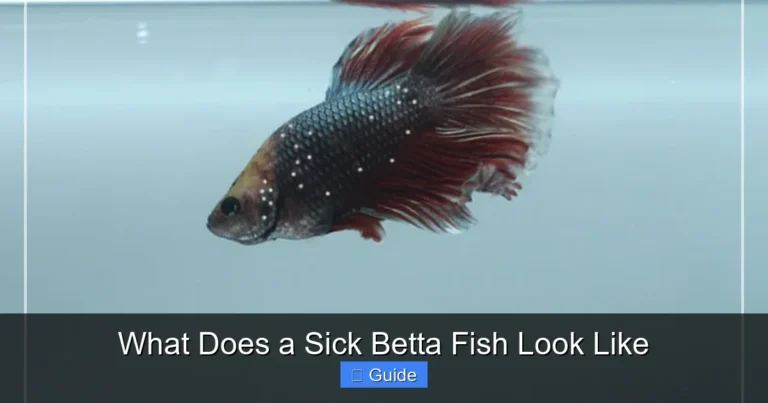
Visual guide about What Type of Water Do You Use for Betta Fish
Image source: fishkeepingsecrets.com
The Rice Paddy Reality
These fish evolved in shallow, slow-moving waters, often among dense aquatic plants and leaf litter. The water is typically:
- Warm: Consistently between 75°F and 85°F (24°C – 29°C) due to the tropical sun.
- Slightly Acidic to Neutral: pH typically ranges from 6.0 to 7.5, influenced by decaying plant matter and tannins from leaves and wood.
- Soft to Moderately Hard: With low to moderate mineral content (GH 3-12 dGH, KH 3-6 dKH).
- Clean, but Not Sterile: Natural filtration from plants, soil, and beneficial bacteria keeps ammonia and nitrite at zero, but the water is not devoid of all minerals or microorganisms.
The key takeaway is stability. In the wild, parameters change slowly with the seasons and rainfall. Our aquariums must mimic this slow, stable environment. Sudden swings in temperature, pH, or hardness are major stressors.
The Non-Negotiables: Core Water Parameters
Before you even think about the water source, you must understand the four critical chemical parameters that define healthy betta water. Think of these as the vital signs of your aquarium.

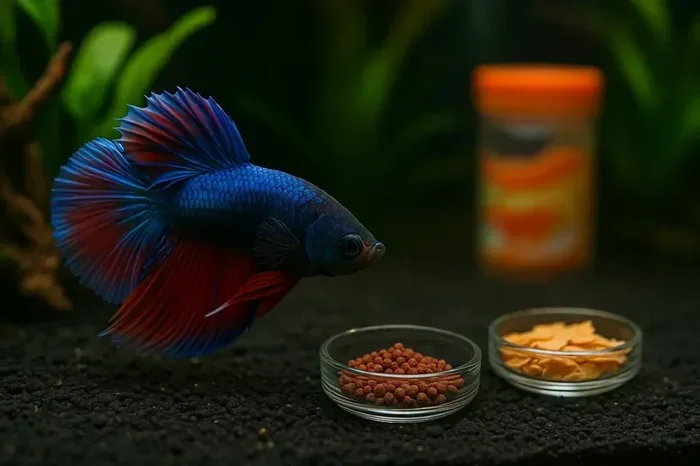
Visual guide about What Type of Water Do You Use for Betta Fish
Image source: bettafishworld.com
1. Temperature: The Metabolic Engine
Bettas are tropical fish. Their immune system, metabolism, and digestion are all temperature-dependent. 78°F to 80°F (25.5°C to 26.5°C) is the absolute gold standard. Below 76°F, their metabolism slows, making them lethargic and more susceptible to diseases like fin rot. Above 82°F for extended periods causes stress and accelerated aging. Use a reliable, fully submersible aquarium heater and a separate thermometer to verify the temperature—never trust the heater’s built-in gauge.
2. pH: The Acidity/Alkalinity Scale
pH measures how acidic or alkaline the water is on a scale of 0-14, with 7 being neutral. Bettas prefer slightly acidic to neutral water (6.5-7.5). The danger lies not in the number itself, but in pH shock—a rapid change of more than 0.2-0.3 points in a short time. This can burn their gills and skin. Stability is more important than hitting an exact number. If your tap water is a stable 7.8, your betta can adapt, but you must never try to rapidly lower it with chemicals.
3. Ammonia (NH3/NH4+): The Silent Killer
Ammonia is produced from fish waste, uneaten food, and decaying matter. It is hyper-toxic to fish, even at concentrations as low as 0.25 ppm. It burns gills and skin, causing immense pain and respiratory distress. Ammonia must be 0 ppm, always. This is achieved through the nitrogen cycle.
4. Nitrite (NO2-) & Nitrate (NO3-): The Cycle Byproducts
In a cycled tank, beneficial bacteria convert ammonia to nitrite (also toxic), and then a second bacteria converts nitrite to nitrate. Nitrate is far less toxic and can be managed with water changes. The goal: Nitrite = 0 ppm, Nitrate < 20 ppm.
Comparing Common Water Sources: Pros and Cons
Now, let’s evaluate the actual water coming from your faucet, fridge, or store. We’ll rank them from most recommended to most dangerous.

Visual guide about What Type of Water Do You Use for Betta Fish
Image source: petshun.com
1. Conditioned Tap Water: The Undisputed Champion
This is what you should use. Municipal tap water is formulated for human consumption, meaning it’s already filtered, has a stable mineral content (GH/KH) that helps buffer pH, and is readily available. The only problem? Chlorine and chloramine.
- Chlorine: Evaporates on its own, but slowly and unreliably.
- Chloramine: A more stable compound of chlorine and ammonia used by many cities. It does not evaporate and must be chemically neutralized.
The Solution: A high-quality water conditioner/dechlorinator (like Seachem Prime, API Stress Coat+, or Tetra AquaSafe). This product instantly neutralizes both chlorine and chloramine, detoxifies ammonia (for 24-48 hours), and protects the fish’s slime coat. Always dose conditioner into the new water before adding it to the tank, or into the entire tank if doing a full water change.
2. Reverse Osmosis (RO) / Deionized (DI) Water: A Tool, Not a Source
RO/DI water is 99.9% pure H2O—it has had all minerals stripped out. Never use straight RO/DI water in a betta tank. It is dangerously “soft” and has no KH (carbonate hardness), meaning the pH can crash dramatically. It also leaches minerals from the fish’s body (osmoregulatory stress). However, RO/DI water is an excellent base. You can mix it with your tap water to lower hardness and pH if your source water is extremely hard (GH > 15 dGH). Use a commercial remineralizer like Seachem Equilibrium to add essential minerals back in precise amounts.
3. Distilled Water: A Hard No
Like RO water, distilled water is mineral-free. It is even more aggressive at leaching minerals from your fish and causing pH crashes. It is only suitable for topping off evaporation (where only pure water evaporates, leaving minerals behind) in a pinch, but even then, conditioned tap water is vastly superior. Do not use it for water changes.
4. Bottled Spring Water: Inconsistent and Costly
This is a common trap. “Spring water” is not a regulated term. Mineral content (GH, KH) varies wildly between brands and even batches. One bottle might have a perfect pH, the next could be high in sodium or have a pH of 8.5. You cannot achieve consistency, which is paramount. It is also prohibitively expensive for regular water changes and creates unnecessary plastic waste.
5. Well Water: Know Your Tests
Private well water can be excellent or terrible. It may contain high levels of iron, nitrates, or other minerals, or it may be very soft. You must have it tested. Crucially, you must confirm if it contains chlorine (some wells do not) or chloramine (unlikely). If no chlorine is present, you may not need a dechlorinator, but you still need to test for heavy metals and other contaminants. Always condition it to be safe, as conditioners also detoxify heavy metals.
The Essential Process: Conditioning and Cycling
Having the right water source is only step one. The processes you perform on that water are what make it safe.
Step 1: The Nitrogen Cycle (The Bedrock of Health)
You cannot add a betta to a tank without a completed nitrogen cycle. This 4-6 week process establishes colonies of beneficial bacteria on your filter media and surfaces. These bacteria are your best friends; they eat toxic ammonia and nitrite. You cycle a tank by:
- Setting up the tank with filter, heater, and substrate.
- Adding an ammonia source (pure ammonia, fish food, or a bacteria starter like Fritz Zyme 7).
- Testing water daily. You will see ammonia spike, then drop as nitrite rises, then nitrite drops as nitrate appears.
- The cycle is complete when you can add 2-4 ppm of ammonia and 24 hours later, tests show 0 ppm ammonia AND 0 ppm nitrite.
Never put your betta in an uncycled tank (“fish-in cycle”). The resulting ammonia poisoning is a common cause of early death.
Step 2: The Water Change & Condition Routine
Once cycled, maintenance is simple:
- Prepare new water: Fill a clean bucket with tap water. Match the temperature of your tank water as closely as possible (within 1-2°F).
- Condition: Add the correct dose of water conditioner to the new water in the bucket. Stir well.
- Change: Replace 25-50% of the tank water weekly with the conditioned water. Use a gravel vacuum to clean debris from the substrate during the change.
- Test: Test your tap water and tank water weekly to monitor parameters.
Never perform a 100% water change unless in an emergency (like severe contamination). This destroys your beneficial bacteria and resets your cycle, causing dangerous parameter swings.
Advanced Considerations: Tannins, Buffers, and Stability
For the enthusiast looking to fine-tune the environment, here are deeper concepts.
Natural Tannins from Indian Almond Leaves
Adding a pre-soaked Indian Almond (Ketapang) leaf to your tank is one of the best things you can do. As it decomposes, it releases tannins that:
- Gently lower pH to a more natural, slightly acidic range.
- Have mild antibacterial and antifungal properties.
- Provide a sense of security (they mimic the leaf litter of the wild).
- Can improve fin condition and reduce stress.
It’s a natural, slow-acting conditioner. Start with one small leaf in a 5-gallon tank.
Understanding GH and KH (The “Hidden” Parameters)
pH is an effect, not a cause. The real drivers of pH stability are GH (General Hardness – calcium & magnesium) and KH (Carbonate Hardness – the buffering capacity).
- KH is your pH’s shock absorber. Low KH (0-3 dKH) means your pH can swing wildly with daily activities. A KH of 3-6 dKH is ideal for stability.
- GH affects osmoregulation. Bettas are adapted to soft to moderately hard water (3-12 dGH). Very hard water (>15 dGH) can cause mineral buildup on their gills over time.
Use a test kit to measure these. If your KH is too low, you can use a commercial buffer or crushed coral in your filter. If GH is too high, blending with RO water is the solution.
Conclusion: The Simple, Science-Backed Formula
After all this science, the answer is beautifully simple. The perfect water for your betta fish is clean, warm, dechlorinated tap water, housed in a fully cycled tank with stable parameters. That’s it.
Forget the complicated, expensive alternatives. Your mission is this:
- Cycle the tank completely before getting your betta.
- Use your tap water.
- Always, always treat it with a quality water conditioner to remove chlorine/chloramine.
- Maintain a temperature of 78-80°F.
- Perform weekly 25-50% water changes with conditioned water of matching temperature.
- Test your water monthly with a liquid test kit to ensure ammonia and nitrite are zero and nitrate is low.
By mastering this water routine, you are providing the single greatest gift to your betta: a stable, stress-free environment where its colors will pop, its fins will flow, and its personality will shine for three, five, or even more years. It all starts with the water.
Frequently Asked Questions
Can I use bottled spring water for my betta fish?
It’s not recommended. Bottled spring water has inconsistent mineral content (hardness and pH) between brands and batches, making stable water conditions impossible. It’s also expensive and environmentally unfriendly for regular changes. Conditioned tap water is far superior and more reliable.
My tap water has a high pH (8.2). Is that okay for my betta?
A stable pH of 8.2 is acceptable if it does not fluctuate. Bettas can adapt to a higher pH over time. The danger is trying to rapidly lower it with chemicals, which causes pH shock. Focus on maintaining excellent water quality (0 ammonia/nitrite) and a stable temperature. If your pH is extremely high (8.5+), consider blending with a small amount of RO water remineralized for bettas to gently lower it.
How often should I change my betta’s water?
In a properly cycled, filtered tank of at least 5 gallons, perform a 25-50% water change once a week. In an unfiltered bowl or small tank (<3 gallons), you must change 50-100% of the water every other day to prevent toxic waste buildup. Always use conditioned water at the same temperature as the tank.
Do I need to let tap water sit out before using it?
No, this is an outdated practice. It only allows chlorine to evaporate, not chloramine, which is present in most municipal supplies and does not evaporate. The only safe and reliable method is to use a water conditioner/dechlorinator that neutralizes both chlorine and chloramine instantly.
Can I use distilled water for my betta tank?
No. Distilled water has had all minerals removed. It is extremely soft and has no buffering capacity, causing dangerous pH crashes. It also leaches essential minerals from your betta’s body. It is only suitable for topping off water lost to evaporation (where minerals don’t evaporate), but even then, conditioned tap water is a better choice.
Why is my betta’s water getting cloudy after a water change?
Cloudiness is usually a bacterial bloom. This can happen if you over-cleaned your filter during the change (killing beneficial bacteria) or if you added untreated tap water with chlorine/chloramine that killed bacteria, causing a die-off. It should clear on its own in a few days if parameters are stable. Always match temperature and use conditioner to prevent this.