What Does a Sick Betta Fish Look Like
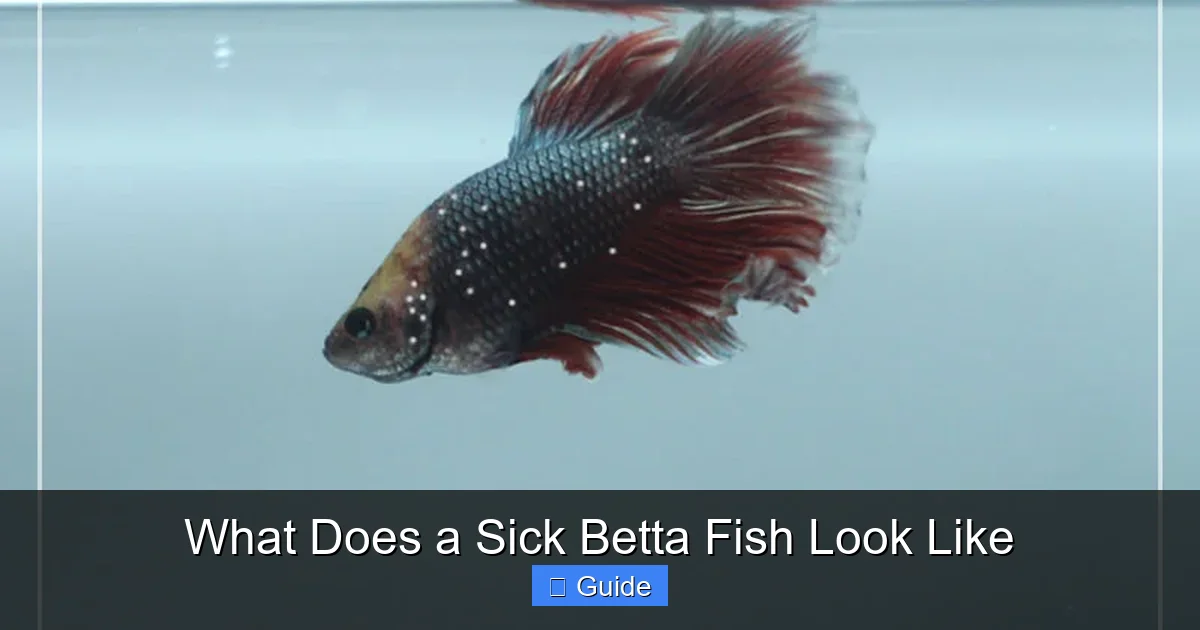
Recognizing a sick betta fish is crucial for its survival. Key visual signs include clamped or torn fins, faded or blotchy colors, lethargy, and unusual growths. Often, water quality issues are the root cause, so testing your tank is the first step. Immediate action like isolating the fish and improving water conditions can make all the difference.
You pour your heart into caring for your betta fish. That brilliant, flowing little personality in your tank deserves the best. So when you notice something seems… off, a wave of worry hits. What does a sick betta fish look like, exactly? It’s a critical question every betta owner must know the answer to. These fish are masters at hiding illness until it’s often quite advanced. By learning to decode the subtle and not-so-subtle clues in your betta’s appearance and behavior, you move from a worried observer to a proactive caretaker, giving your finned friend a fighting chance.
This guide is your comprehensive visual and practical manual. We’ll break down exactly what to look for, from the way your betta holds its fins to the tiniest spot on its body. More importantly, we’ll connect those symptoms to likely causes and, most crucially, what you should do about it. Think of this as a friendly, detailed walkthrough with a betta expert. Let’s become experts together.
Key Takeaways
- Behavioral changes are often the first clue: A healthy betta is active and curious. Lethargy, hiding, or loss of appetite are major red flags.
- Fin condition is a primary health indicator: Look for fins that are clamped tightly, torn, frayed, or have white, fuzzy edges (a sign of fungal or bacterial infection).
- Color is a vital sign of wellness: Bright, vivid colors indicate health. Fading, dullness, or developing patches of different color (especially white or red sores) signal distress.
- External abnormalities must be checked: Watch for raised scales (dropsy), pinecone-like appearance, bulging eyes (pop-eye), or white salt-like spots (ich).
- Water quality is the #1 culprit: Poor water parameters (high ammonia/nitrite, unstable temperature) cause stress that mimics or leads to disease. Always test your water first.
- Act quickly and isolate: At the first sign of sickness, move the betta to a clean hospital tank. This prevents stress from tank mates and allows for targeted treatment.
- Prevention is better than cure: Regular water changes, a proper heater, a filtered tank, and a varied diet are the best defenses against a sick betta fish.
📑 Table of Contents
- 1. Behavioral Red Flags: The Canary in the Coal Mine
- 2. Physical Symptoms to Watch For: The Visual Diagnosis
- 3. Water Quality Issues That Mimic Sickness
- 4. Common Betta Diseases and Their Visual Tells
- 5. Immediate Steps When You Spot a Sick Betta Fish
- 6. Prevention: The Ultimate Cure for a Sick Betta Fish
1. Behavioral Red Flags: The Canary in the Coal Mine
Before you even see a physical symptom, a sick betta fish will often change its behavior. Betta fish are naturally inquisitive, active swimmers, especially the males. They flare at their reflection, investigate new additions, and patrol their territory. A deviation from this norm is your earliest and most important signal. Don’t just glance; observe your betta for a full minute each day. What is its energy level? Where is it in the tank?
Lethargy and Listlessness
This is the most common behavioral sign. A healthy betta zips around, rests near the surface for a breath, and explores. A sick betta will:
- Lie motionless on the tank bottom, often propped up against decor or the glass.
- Float listlessly at the top, gasping for air excessively.
- Show no interest in food, even its favorite treats like daphnia or bloodworms.
- Fail to flare when you present a mirror or your finger.
What it often means: This is a general sign of severe stress, poor water quality, or systemic illness like internal parasites or a bacterial infection. It’s the body shutting down to conserve energy.
Hiding and Isolation
Betta fish are territorial, but they are also prey animals in the wild. When feeling vulnerable due to sickness, their instinct is to hide to avoid predators. If your usually outgoing betta is suddenly spending all day tucked behind a plant, inside a cave, or in the darkest corner of the tank, take note. Pair this with lethargy, and it’s a strong indicator of a sick betta fish.
Loss of Appetite and Gasping
Skipping a meal now and then can be normal, but consistent refusal to eat for more than 24-48 hours is a red flag. Combine this with rapid, labored breathing at the water’s surface—where oxygen levels are highest—and you have a classic symptom of gill problems. This could be due to ammonia poisoning, gill flukes, or severe bacterial gill disease. A sick betta fish struggling to breathe will expend all its energy just to survive, leaving none for eating or activity.
2. Physical Symptoms to Watch For: The Visual Diagnosis
Now, let’s get up close. A healthy betta is a visual masterpiece: fins long, flowing, and undulating with each movement; colors so vibrant they seem to glow; a body sleek and muscular. A sick betta fish tells its story through physical deterioration. Get a good look at your fish during a water change or with a clean glass against the tank wall.
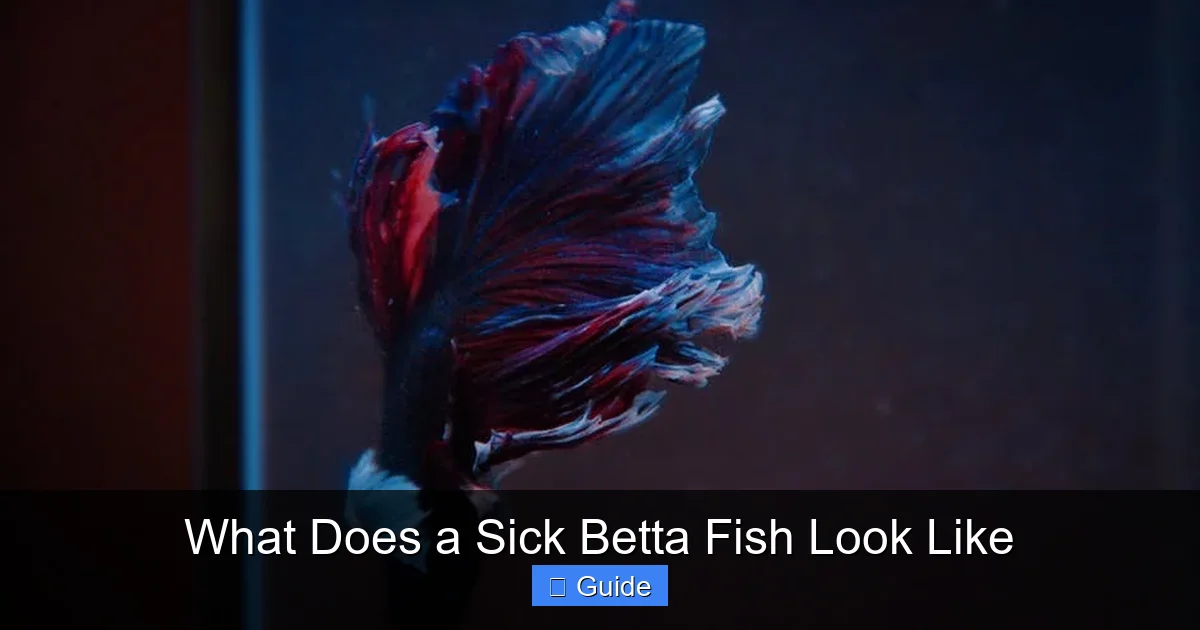
Visual guide about What Does a Sick Betta Fish Look Like
Image source: s3.amazonaws.com
Fin Condition: The First and Most Obvious Sign
Your betta’s fins are its pride and joy. They are also the most susceptible to damage and disease. Examine the edges, the base where they meet the body, and the overall texture.
- Clamped Fins: This is a huge warning sign. Instead of being held open and flowing, a sick betta will hold its dorsal, caudal, and anal fins pressed tightly against its body, like a closed umbrella. It’s a sign of extreme stress, pain, or illness.
- Torn, Frayed, or Shredded Fins: While bettas can tear fins on sharp decor, a progressive, ragged deterioration, especially starting at the edges, is almost always Fin Rot. The fins look like they’re being eaten away, becoming shorter and more jagged over days. It can be bacterial (often grayish/white mushy edges) or fungal (white, cottony edges).
- Faded or Discolored Fins: Fins that lose their rich color and become pale, translucent, or develop white/black streaks are under stress or suffering from a systemic issue.
Color Changes: The Stress Barometer
A betta’s color is a direct reflection of its health and water conditions.
- General Fading/Dulling: The brilliant reds, blues, and greens turn muddy, brownish, or gray. This can be from chronic stress, poor water quality, or aging, but in a young fish, it’s a sick betta red flag.
- Stress Stripes: Horizontal dark bars (often reddish or brown) that appear on the body, especially in females but also in stressed males. These are a clear sign of significant stress.
- Color Loss in Patches: Developing a pale or white spot that expands, or a patch of completely different color, can indicate a fungal infection, a bacterial ulcer, or even the early stages of a disease like Columnaris.
Body Abnormalities and External Growths
Look beyond the fins at the fish’s main body.
- Raised Scales / Dropsy: This is a severe symptom, not a disease itself. The scales on the betta’s body (especially near the dorsal fin) stand up like a pinecone. The belly often swells. This is a sign of extreme internal fluid buildup, usually from a severe bacterial infection or organ failure. Dropsy has a very poor prognosis.
- Bulging Eyes (Exophthalmia / Pop-Eye): One or both eyes bulge abnormally. This can be from a bacterial infection, a physical injury, or a parasitic infection like flukes. It’s painful and requires immediate veterinary-grade treatment.
- White Spots (Ich/Ichni): The classic “salt grains” disease. Tiny, distinct, white dots (about the size of a grain of salt) covering the body and fins. The fish will also scratch against objects (flashing). This is a parasitic infection highly contagious to other fish.
- Fuzzy, Cotton-Like Growths: White, fluffy patches on the body, fins, or eyes are almost certainly a fungal infection. Fungi attacks damaged tissue, so it often follows an injury or another disease like Fin Rot.
- Red Sores, Ulcers, or Bleeding: Open wounds, raw-looking red patches, or blood spots are signs of severe bacterial infections (like Columnaris or Aeromonas) or extreme physical injury. These are painful and require aggressive treatment.
3. Water Quality Issues That Mimic Sickness
Here is the single most important piece of the puzzle: what looks like a sick betta fish is very often a symptom of toxic water. Betta fish are extremely sensitive to ammonia, nitrite, and nitrate. A new tank, overstocking, overfeeding, or a filter failure can cause a spike in these toxins, and the symptoms are identical to many diseases.
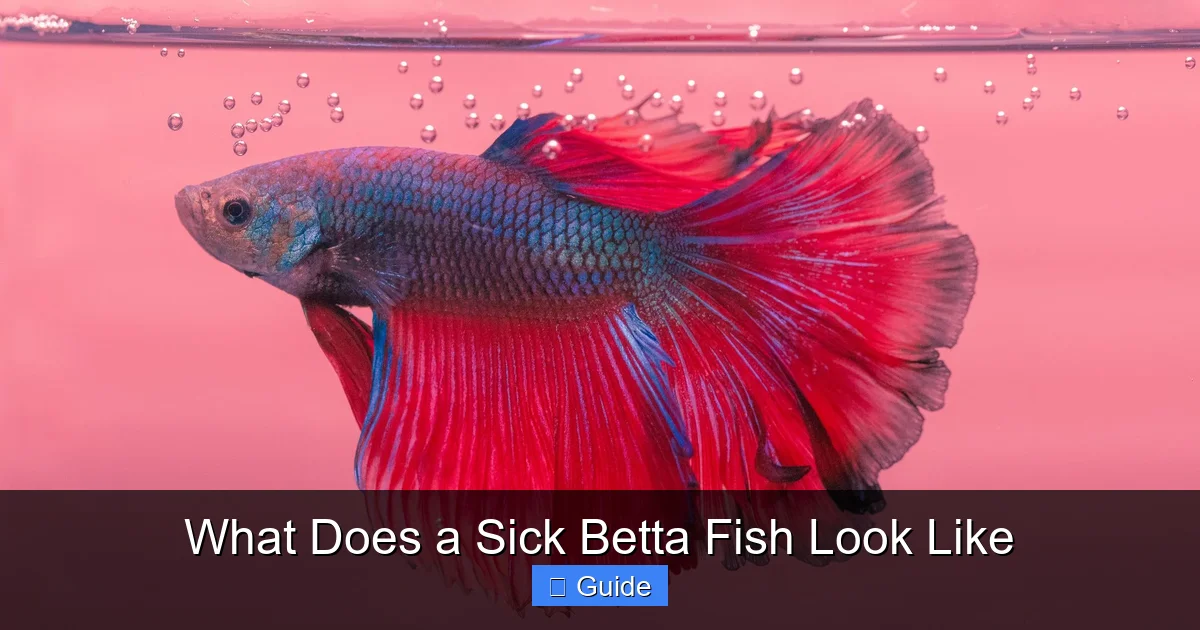
Visual guide about What Does a Sick Betta Fish Look Like
Image source: thesprucepets.com
The Ammonia/Nitrite Burn
Ammonia and nitrite are like acid in your fish’s gills and skin. A betta suffering from this will:
- Gasp rapidly at the surface.
- Have red, inflamed, or bleeding gills (you may see this if you gently lift the operculum).
- Show clamped fins and lethargy.
- Develop red streaks or sores on its body and fins.
This is an emergency. The solution is not medication first; it’s an immediate, large water change (25-50%) with dechlorinated water at the same temperature, followed by rigorous testing and maintenance. Medications will not work and will further stress the fish in toxic water.
Nitrate Poisoning and Chronic Stress
While less acutely toxic than ammonia, high nitrates (above 20 ppm for bettas) cause chronic stress, suppress the immune system, and lead to the same symptoms: fading color, lethargy, clamped fins, and susceptibility to secondary infections like Fin Rot. Regular, weekly water changes (25-50%) are non-negotiable for a healthy betta.
The Importance of Temperature
Betta fish are tropical fish requiring a stable temperature between 78-80°F (25.5-26.5°C). A temperature that is too cold (< 76°F) slows their metabolism, leading to lethargy, a weakened immune system, and constipation. A temperature that is too hot (> 82°F) accelerates their metabolism, causes stress, and can lead to oxygen deprivation. A reliable, adjustable aquarium heater is essential.
4. Common Betta Diseases and Their Visual Tells
Once you’ve ruled out or addressed immediate water quality issues, you can start identifying specific diseases. Here are the most common ailments and what a sick betta fish looks like with each.
Visual guide about What Does a Sick Betta Fish Look Like
Image source: herbdieter.com
Fin Rot (Bacterial & Fungal)
Visuals: Progressive decay of the fin edges. Bacterial fin rot shows as a white, gray, or black mushy margin that seems to melt away. Fungal fin rot presents as white, cottony, fluffy growth on the edges of torn or damaged fins. It often starts at the very tip and works its way back.
Treatment: For mild bacterial cases, daily 25% water changes and salt baths (Indian/Kelp Salt) can help. For moderate to severe cases, use a dedicated antibacterial or antifungal medication (like Methylene Blue for fungus, or Kanamycin for bacteria) in a separate hospital tank. Never mix medications.
Ich (White Spot Disease)
Visuals: The hallmark tiny, uniform white spots all over the body and fins, like sprinkled salt. The fish will scratch (“flash”) against rocks, plants, or the tank wall due to irritation. In advanced stages, the spots may merge, and the fish will become extremely lethargic.
Treatment: Ich requires a full treatment cycle. Raise the tank temperature slowly to 82-84°F to speed up the parasite’s lifecycle. Use a dedicated ich medication (containing malachite green or formalin) for 7-10 days, as per instructions, in a hospital tank. Complete the full course even after spots disappear.
Columnaris (Cotton Wool Disease)
Visuals: Often mistaken for fungus, but the “cotton” is actually a bacterial biofilm. Look for white/gray fluffy patches on the gills, mouth, fins, or body. The mouth may appear eroded or ragged (“mouth rot”). The fish may have frayed fins and difficulty breathing.
Treatment: This is a serious bacterial infection. Immediate isolation in a hospital tank is critical. Use a potent antibacterial medication like Furan-2 or Kanamycin. Improve water quality drastically. It is highly contagious and deadly if not treated aggressively.
Velvet Disease
Visuals: A fine, rusty gold or cinnamon-colored dust covering the fish’s body, most visible on the gills and face. The fish will scratch, clamp fins, and become lethargic. It’s often mistaken for poor coloration or sand in the tank. Shine a flashlight on the fish in a dark room to see the fine dust.
Treatment: Similar to ich, raise the temperature to 82-84°F. Use a copper-based medication (like Cupramine) or a dedicated velvet treatment. Treatment must be prolonged as velvet also has a complex lifecycle.
5. Immediate Steps When You Spot a Sick Betta Fish
Panic is the wrong response. A calm, systematic approach is everything. Follow this sequence the moment you confirm your betta is sick.
Step 1: Test Your Water Immediately
Before you even think about a medication, test your aquarium water for ammonia, nitrite, nitrate, and pH. Use a liquid test kit (like API Master Test Kit) for accuracy. If any parameter is out of the safe range (ammonia/nitrite = 0, nitrate < 20 ppm), your first and only treatment for the first 24-48 hours is large, frequent water changes. A sick betta fish in toxic water is a dead betta fish, no matter the medicine.
Step 2: Isolate in a Hospital Tank
Set up a simple, bare hospital tank (5 gallons is ideal). It needs:
- A gentle sponge filter (no strong current).
- A reliable heater set to 80°F.
- Clean, dechlorinated water (treated with a water conditioner).
- No gravel or decor to allow for easy cleaning and observation.
- A hiding place like a single, smooth plant or a terra cotta pot.
Gently net your sick betta and place it in this clean environment. This removes it from any lingering toxins in the main tank and from the stress of tank mates.
Step 3: Observe and Research
Now, with clean water and a calm setting, observe your isolated betta closely. Use the visual guides from this article to narrow down possibilities. Take clear photos or videos if you’re unsure. The internet is a tool—use reputable sources like university aquaculture extensions or established betta forums to help ID the issue. Never guess with medication. Misdiagnosis and wrong medication can kill your fish.
Step 4: Start Targeted Treatment
Based on your observation and research, begin treatment. Always dose medication in the hospital tank, not your display tank. Follow the product’s instructions precisely for dosage and duration. Increase aeration with an air stone, as many medications reduce oxygen in the water. Be patient. Healing takes time. Continue to monitor water parameters in the hospital tank daily, as the sick fish will be producing more waste.
6. Prevention: The Ultimate Cure for a Sick Betta Fish
An ounce of prevention is worth a pound of cure. The goal is to never have to use this diagnostic guide. Creating a stable, clean, and enriched environment is the single best way to ensure your betta never becomes a “sick betta fish.”
The Nitrogen Cycle is Non-Negotiable
You must fully cycle your betta’s tank before adding the fish. This means establishing a colony of beneficial bacteria that will consume toxic fish waste. A cycled tank has zero ammonia and zero nitrite. It is the foundation of all aquatic health. Use a test kit to confirm completion. Never add a betta to an uncycled tank (“fish-in cycle” is extremely stressful and risky).
Consistent, Proper Maintenance
Once cycled, maintenance is simple but vital:
- Water Changes: Perform 25-50% water changes weekly. Use a gravel vacuum to remove waste from the substrate. Never remove more than 50% at once.
- Filter Media: Never rinse your filter media in tap water (it kills the good bacteria). Only rinse it in old tank water during a water change if it becomes clogged.
- Water Testing: Test your parameters weekly in a cycled tank, and immediately if you see any change in your fish.
Optimal Environment
Provide a heater with a reliable thermostat. Use a gentle filter (a sponge filter is perfect for bettas) to create a soft current—their long fins tire easily. Decorate with smooth, silk plants and soft, rounded ornaments to prevent fin tears. Provide a secure lid (betta are jumpers) and a dark period at night for rest.
Nutrition and Quarantine
Feed a high-quality pellet as a staple, supplemented with occasional frozen or live foods (daphnia, brine shrimp) for fiber and protein. Avoid overfeeding—a betta’s stomach is the size of its eye. Finally, quarantine all new fish for at least 4 weeks in a separate tank before introducing them to your main display. This is the #1 way to prevent introducing parasites or diseases like ich into your established ecosystem.
Frequently Asked Questions
Can a sick betta fish recover on its own?
No, a sick betta fish will not recover on its own. Betta fish are prey animals that instinctively hide illness until it is severe. By the time symptoms are visible, the underlying cause—be it poor water, a parasite, or a bacterial infection—is actively harming the fish and requires human intervention to stop.
Is my sick betta fish contagious to other fish?
It depends on the cause. Diseases caused by parasites (like Ich or Velvet) or bacteria (like Columnaris) are highly contagious to other fish in the same system. Issues caused solely by water quality (ammonia poisoning) are not contagious, but the poor water conditions will harm all tank inhabitants. Always isolate a visibly sick fish to protect others and allow for focused treatment.
Should I use salt or medication first for a sick betta?
Always address water quality first. Test your water and perform a large water change if parameters are poor. For mild cases of early Fin Rot, a salt bath (using aquarium or Indian salt) in a hospital tank can be a good first step. For any other visible disease (spots, fuzz, severe decay), you will need a specific medication. Never guess—identify the symptom first, then choose the appropriate treatment.
When should I consider a vet for my sick betta fish?
Consider consulting an aquatic veterinarian if your betta shows advanced symptoms like dropsy (pineconing), pop-eye, or severe internal swelling, and does not respond to initial, correct treatment within a few days. Vets can provide injectable antibiotics or stronger internal treatments not available over-the-counter. For most common external ailments, proper over-the-counter medication used correctly is effective.
How often should I check my betta for signs of illness?
You should do a quick visual check of your betta’s behavior and appearance every single day for at least 30 seconds. Is it active? Eating? Are its fins full and colorful? A weekly, more thorough observation during a water change, where you can see all angles, is also essential. This daily habit is the key to catching a sick betta fish in the earliest, most treatable stages.
Can stress alone make my betta look sick?
Absolutely. Chronic stress from poor water, incorrect temperature, loud noises, aggressive tank mates, or a boring environment suppresses a betta’s immune system. A stressed betta will often show the same signs as a sick one: clamped fins, faded color, lethargy, and loss of appetite. Therefore, managing stress through proper husbandry is the primary method of preventing disease in the first place.