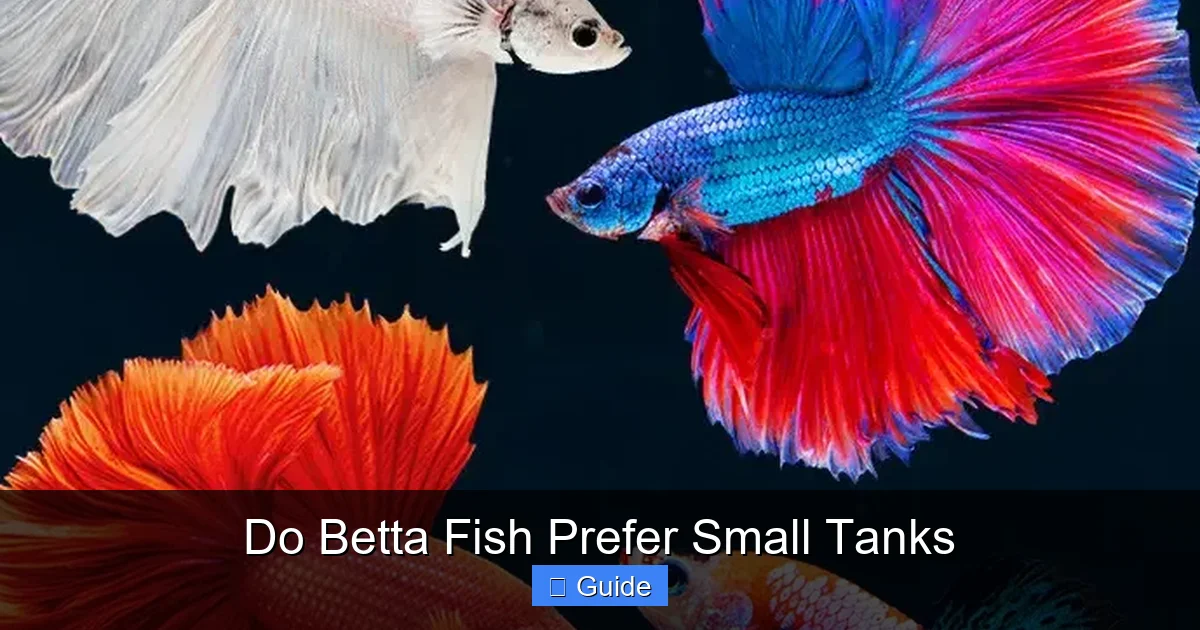
Do Betta Fish Prefer Small Tanks
Betta fish do not prefer small tanks; the common misconception that they thrive in tiny containers is false and harmful. These intelligent, active fish significantly thrive in larger environments, with a minimum 5-gallon tank being the widely accepted standard for their health, well-being, and the expression of natural behaviors. Providing adequate space is not a luxury but a critical requirement for a long, healthy life.
Key Takeaways
- Small tanks severely compromise betta fish health and well-being. Avoid them entirely.
- A minimum 5-gallon tank is the absolute baseline for a healthy, active betta.
- Water quality and stable parameters are more critical than tank size alone.
- Provide enrichment like live plants and hiding spots to reduce stress and encourage natural behavior.
- Do not mistake mere survival for a good life for your betta fish.
- The “small tank” myth is harmful and outdated; prioritize proper aquatic husbandry.
- Set up a filtered, heated, and planted aquarium for a thriving betta companion.
📑 Table of Contents
- Do Betta Fish Prefer Small Tanks? Let’s Unpack the Myth
- The Origin of the “Small Tank” Myth
- Betta Fish in the Wild: What Their Ancestry Tells Us
- The Science of Tank Size and Betta Health
- Minimum Tank Size Guidelines: What “Big Enough” Really Means
- Debunking Other Common Betta Tank Misconceptions
- Setting Up the Ideal Betta Tank: From Theory to Practice
- The Verdict: A Life of Comfort, Not Just Survival
Do Betta Fish Prefer Small Tanks? Let’s Unpack the Myth
Walk into any big-box pet store, and you’ll likely see them: rows of vibrant Betta splendens, each suspended in its own tiny, lonely cup. It’s a sight that has shaped a pervasive belief for decades. The question on many new fish keepers’ minds is simple: do betta fish prefer small tanks? The short, emphatic answer is no. They do not. What they are forced to endure in those cups is a far cry from what they genuinely need to thrive. This isn’t about opinion; it’s about biology, ethology (the study of animal behavior), and basic welfare. This guide will dive deep into the world of the betta fish, moving beyond the marketing myth to explore what a proper, life-enriching environment truly looks like. We’ll look at their wild ancestry, the science of aquatic health, and practical, actionable steps to give your betta the home it deserves.
The Origin of the “Small Tank” Myth
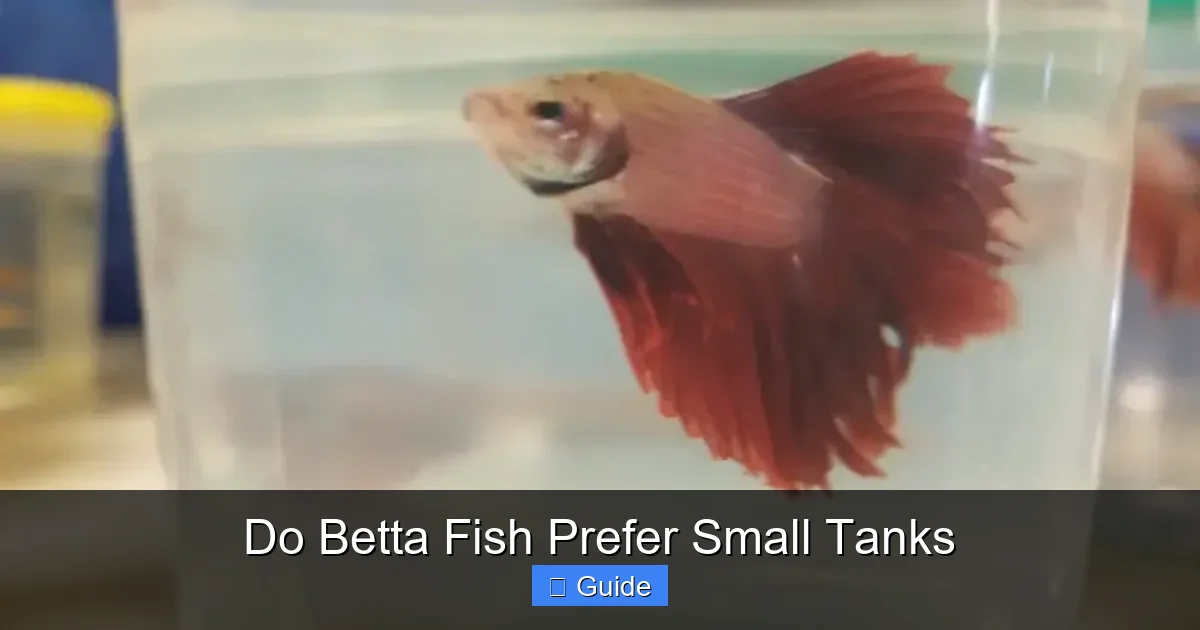
The image of the betta in a small vase or cup is iconic, but it’s a dangerous misconception born from convenience and misunderstanding. To understand why this myth persists, we need to separate the ideas of “survival” and “thriving.”
Visual guide about Do Betta Fish Prefer Small Tanks
Image source: bettafishworld.com
The Pet Store Display Illusion
Those little cups are a temporary, logistical solution for stores, not a recommendation for long-term care. Bettas are often sold as “low-maintenance” or “beginner” fish precisely because they can *survive* in poor conditions thanks to a unique physiological adaptation: their labyrinth organ. This special breathing structure allows them to gulp air from the surface, meaning they can tolerate lower oxygen levels than many fish. However, tolerance is not preference. Just because a betta can live in a small, stagnant volume of water doesn’t mean it should. The display is designed for maximum visibility and minimal space, not for the fish’s welfare.
Survival vs. Thriving: A Critical Difference
This is the core of the discussion. A betta can *survive* in a 1-gallon container with sporadic water changes. It might live for a year or two, often in a state of quiet stress. But a betta that *thrives* will display vibrant colors, active exploration, bubble-nesting behavior (for males), and a strong, healthy appetite. Thriving requires stable water parameters, adequate space to swim, and environmental enrichment. The question “do betta fish prefer small tanks” becomes meaningless when we frame it correctly: we should be asking, “What environment allows a betta to express its natural behaviors and live a long, healthy life?” The answer is unequivocally not a small tank.
Betta Fish in the Wild: What Their Ancestry Tells Us
To know what an animal prefers, we look to its natural habitat. The betta fish, or Siamese fighting fish, hails from the shallow, slow-moving waters of Thailand, Cambodia, Vietnam, and Malaysia. Think of rice paddies, stagnant ponds, and the gentle margins of streams. These environments are often warm, vegetated, and have a surprising amount of horizontal space.
Visual guide about Do Betta Fish Prefer Small Tanks
Image source: i.ytimg.com
Natural Water Conditions and Territory
Wild bettas inhabit waters that are typically shallow but vast in surface area. A single male will defend a small territory—often centered around a plant root or dense foliage—but that territory exists within a much larger ecosystem. The water is warm (75-82°F / 24-28°C), slightly acidic to neutral, and teeming with plants, insects, and other small life. The vegetation provides crucial hiding spots, breaks line-of-sight to reduce stress from perceived threats, and offers surfaces for the fish to rest on, as they are not constant swimmers. They are built for navigating dense, complex environments, not open, barren expanses.
Activity Patterns: More Than Just Lazing Around
A common myth is that bettas are lazy. In the wild, they are active, curious micro-predators. They spend their days investigating leaf litter, hunting tiny insects and larvae near the surface, and patrolling their territory. They are intelligent and engage in problem-solving. This natural curiosity demands stimulation. A small, empty tank provides none of this, leading to boredom, stress, and stereotypic behaviors like repetitive glass swimming or fin nipping—signs of poor welfare, not contentment.
The Science of Tank Size and Betta Health
Moving from natural history to hard science, the impact of tank size on fish health is well-documented in aquaculture and ichthyology. For a betta, a larger tank isn’t a luxury; it’s a cornerstone of physiological and psychological well-being.
Visual guide about Do Betta Fish Prefer Small Tanks
Image source: i.pinimg.com
Stress and Cortisol Levels
Fish in undersized or poorly maintained tanks experience chronic stress. This stress elevates cortisol, the primary stress hormone. Chronically high cortisol suppresses the immune system, making the fish susceptible to diseases like fin rot, ich, and velvet. It also stunts growth and reduces coloration. A larger volume of water dilutes not just physical waste but also the fish’s own stress-signaling chemicals, creating a more stable, calming environment. Studies on various fish species consistently show lower stress markers in larger, more complex environments.
Water Quality Stability: The Dilution Effect
This is the most practical and critical reason for a larger tank. Every fish produces ammonia through its gills and waste. Ammonia is toxic. In a 1-gallon tank, a single betta’s waste can spike ammonia levels to lethal concentrations in a day. In a 10-gallon tank, that same amount of waste is diluted into a much larger water volume. This gives you a much wider margin for error between water changes and makes it far easier to maintain a stable nitrogen cycle with a filter. Stable water parameters are the single most important factor in preventing disease and ensuring longevity.
Physical Activity and Mental Stimulation
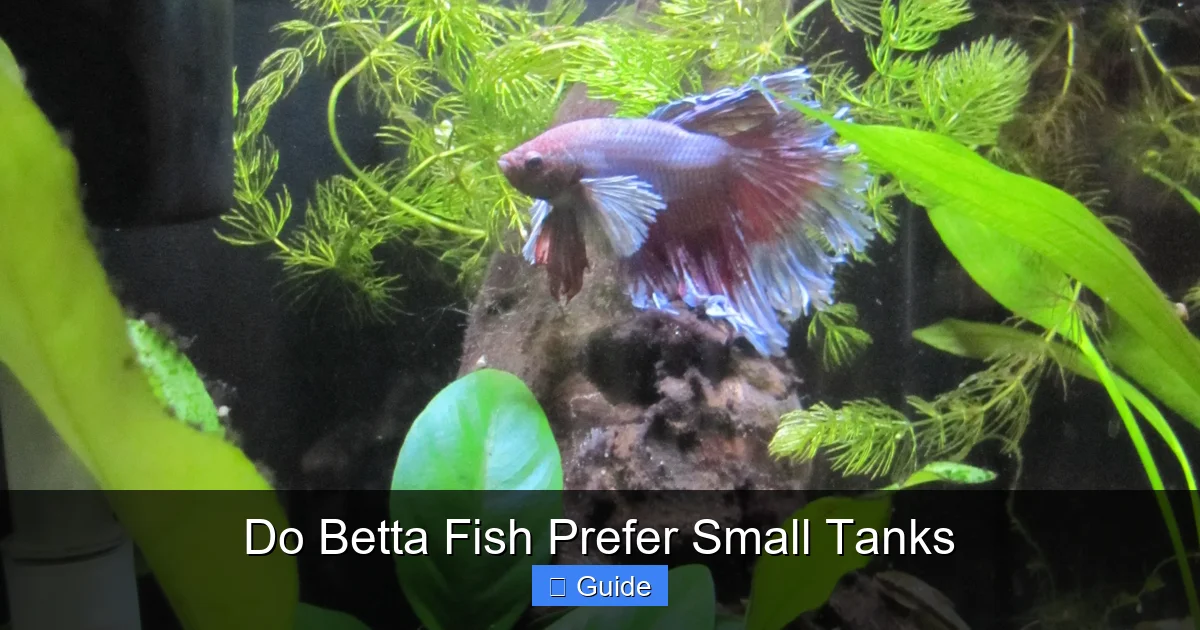
Space allows for exercise. A betta in a larger tank will explore its entire domain, flare at its reflection (a natural territorial behavior), and interact with decorations. This physical activity promotes muscle tone and health. More importantly, mental stimulation reduces stress and boredom. A complex environment with plants, caves, and varying levels provides choices—a betta can choose to rest under a leaf, hide in a cave, or patrol the open water. This sense of control over its environment is a fundamental pillar of animal welfare.
Minimum Tank Size Guidelines: What “Big Enough” Really Means
So, if small tanks are bad, what’s the actual minimum? Consensus among experienced betta keepers and veterinarians has evolved significantly. The old “one-gallon” rule is now widely rejected as inadequate and unethical.
| Tank Size | Swimming Space | Water Change Frequency | Observed Betta Behavior |
|---|---|---|---|
| 1 Gallon or less | Extremely limited | Daily 50-100% | Often lethargic, clamped fins, prone to disease, minimal exploration. |
| 2.5 Gallons | Very limited | 2-3 times per week 25-50% | Can survive with meticulous care. May show some interest but space is restrictive. High risk of parameter swings. |
| 5 Gallons | Moderate | Weekly 25-30% | Absolute Minimum Recommended. Allows for basic exploration, stable cycle with filter, room for a few plants and decor. Active patrolling possible. |
| 10+ Gallons | Good | Weekly 20-25% | Ideal for most keepers. Excellent stability, ample swimming room, space for a small cleanup crew (e.g., snails, shrimp), and a rich plantscape. Betta is visibly more active and curious. |
The Absolute Minimum: 2.5 Gallons (With Major Caveats)
A 2.5-gallon tank is the absolute bare minimum if you are committed to pristine maintenance. You must use a filter (a small sponge filter is perfect) and a heater. Water changes are frequent and labor-intensive. There is almost no room for tank mates or more than a couple of tiny plants. It’s a compromise, not an ideal. For a child’s first pet or someone with severe space constraints, it’s workable but requires vigilance. For anyone wanting a truly content and healthy betta, it’s not recommended.
The Sweet Spot: 5 Gallons
A 5-gallon tank is the entry point into responsible betta ownership. It provides enough water volume for a stable cycle with a gentle filter, making maintenance manageable (weekly 25-30% water changes). There is sufficient horizontal space for the betta to swim laps and establish a territory. You can add a handful of live or silk plants, a small cave, and perhaps a marble or smooth stone. This setup allows you to observe natural behaviors without the tank feeling like a prison.
Why Bigger Can Be Better: The 10-Gallon Advantage
If you have the space and budget, a 10-gallon tank is a fantastic choice. The water stability is superior, requiring less frequent and less intensive water changes. The extra space allows for a more elaborate aquascape—a “jungle” of plants, multiple hiding spots, and even the possibility of carefully selected, peaceful tank mates like a small snail or a few harlequin rasboras (with extensive research and a backup plan). From the betta’s perspective, the increased complexity and volume provide a vastly richer life. It’s the difference between a studio apartment and a small house with a yard.
Debunking Other Common Betta Tank Misconceptions
The “small tank” myth is just one of several that surround betta care. Let’s clear up a few more that often go hand-in-hand with the idea that they don’t need much space.
Myth: “Bettas Don’t Need Filters”
False. While bettas can tolerate slightly lower oxygen due to their labyrinth organ, a filter is non-negotiable for a healthy tank. Filters do three critical things: they mechanically remove debris, they provide surface agitation for gas exchange (oxygenating the water), and most importantly, they house the beneficial bacteria that process toxic ammonia and nitrite into less harmful nitrate. A filter is the engine of the nitrogen cycle, which is the foundation of a healthy aquarium. A sponge filter is ideal for bettas as it’s gentle and doesn’t create a strong current.
Myth: “Bettas Are Inherently Lazy and Will Just Float Around”
This is an observation of a stressed or bored fish, not a natural state. A betta with adequate space, warm water, plants to explore, and a varied diet will be an active participant in its environment. You’ll see it investigating every leaf, building bubble nests (males), and flaring at its reflection or a new decoration. Lethargy, constant resting at the bottom, or clamped fins are red flags for poor water quality, incorrect temperature, or illness.
Myth: “You Can Put Anything in a Small Tank with a Betta”
Small tanks are not suitable for tank mates. A 1-gallon cup is a solitary confinement cell. Even in a 5-gallon tank, tank mate options are extremely limited and risky. Bettas are territorial, especially males. Most other fish will either be harassed by the betta or will harass the betta’s long, flowing fins. The only *potentially* safe additions for a 5+ gallon are invertebrates like a single nerite snail or a small group of Amano shrimp, and even then, the betta’s individual personality must be considered. The rule is: if you want a community tank, start with a 10-gallon or larger and choose peaceful, fast-moving, non-finn-nipping species.
Setting Up the Ideal Betta Tank: From Theory to Practice
Okay, you’re convinced. A 5 or 10-gallon tank is the way to go. Now what? Setting up the right environment is straightforward and doesn’t have to be expensive.
Filtration: Why It’s Non-Negotiable
Choose a filter with an adjustable flow. Bettas come from slow-moving waters and cannot handle strong currents, which stress them and damage their delicate fins. A small sponge filter powered by an air pump is perfect, quiet, and provides excellent biological filtration. If using a hang-on-back (HOB) or internal power filter, always set it to the lowest setting and consider baffling the outflow with a sponge or pre-filter to diffuse the flow.
Heating: The Warmth They Crave
Bettas are tropical fish. They require a consistent water temperature between 78-80°F (25.5-26.5°C). A small, adjustable aquarium heater is essential. A thermometer (digital or glass) is a must to monitor the temperature. Fluctuations cause stress and suppress the immune system. Never rely on room temperature.
Plants and Hiding Spots: Security and Stimulation
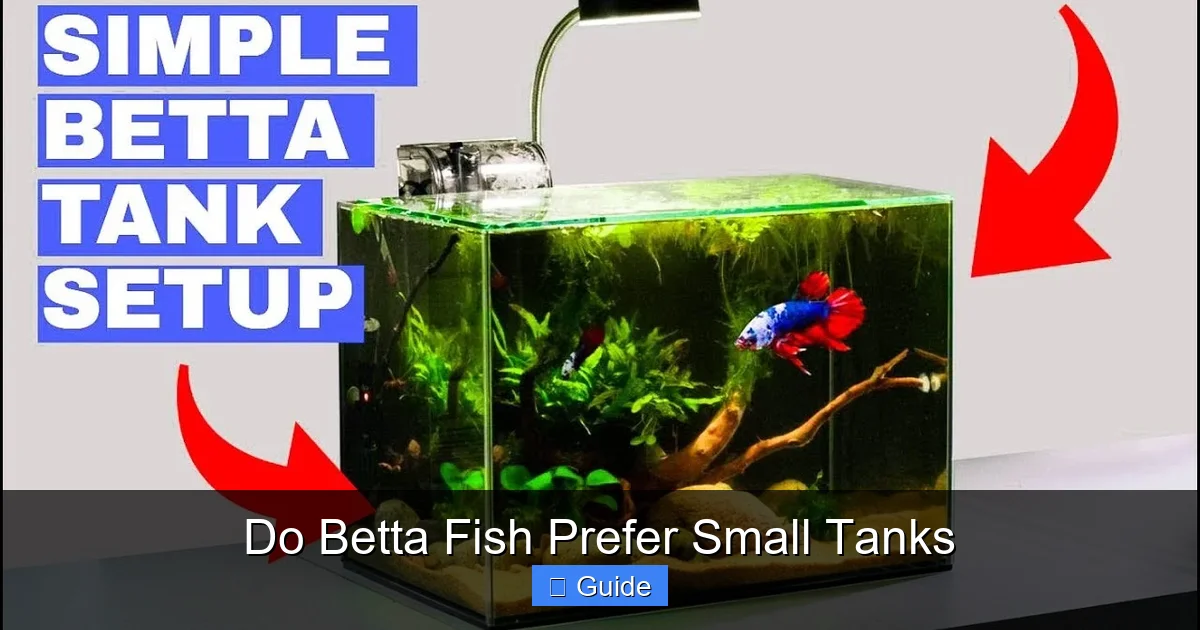
Fill the tank with plants! Live plants like java fern, anubias, and marimo moss balls are hardy and improve water quality. Silk plants are a great, maintenance-free alternative. The goal is to create a dense, multi-level environment. Provide a tall plant or a betta leaf hammock near the surface for resting—bettas often sleep or nap just below the waterline. Include a cave or a piece of driftwood with crevices for hiding. This breaks up the tank and gives the betta a sense of security.
Substrate and Décor: Safety First
Use smooth gravel or sand. Avoid sharp, jagged rocks or decorations with rough edges that can tear a betta’s flowing fins. If you love resin castles or plastic plants, run your finger over every surface. If it feels sharp to you, it’s dangerous for the fish. Opt for natural décor like smooth river stones, Malaysian driftwood, and live/silk plants.
The Verdict: A Life of Comfort, Not Just Survival
So, do betta fish prefer small tanks? The evidence from their wild behavior, their physiology, and the science of aquatic animal welfare says a resounding no. What they prefer is a stable, warm, spacious, and plant-filled environment where they can exercise their natural curiosity and territorial instincts. The tiny cup is a testament to human convenience, not fish preference. Choosing a properly sized tank (5 gallons minimum, 10+ ideal) with a filter, heater, and enrichment is the single most impactful decision you can make for your betta’s health and happiness. It transforms your pet from a surviving ornament into a thriving, interactive companion. You’ll be rewarded with a more vibrant, active, and long-lived fish. That’s not just better care; it’s the only ethical choice.
Frequently Asked Questions
Do betta fish actually prefer small tanks?
No, this is a common myth. While bettas can survive in small containers due to their labyrinth organ, they do not thrive or prefer them. In captivity, they are much healthier and display more natural behaviors in a properly sized aquarium.
What is the smallest tank size for a betta fish?
The absolute minimum recommended tank size for a single betta is 5 gallons. A tank this size allows for stable water parameters, adequate swimming space, and the installation of a gentle filter and heater, which are essential for their long-term health.
Can betta fish live happily in a small bowl?
No, a small bowl is one of the worst environments for a betta. These containers are too small to heat or filter properly, leading to rapid water quality deterioration, chronic stress, and a severely shortened lifespan for the fish.
Why are small tanks bad for betta fish?
Small tanks cause toxic ammonia and nitrite to build up quickly, poisoning the fish. They also restrict movement, increase stress, and make it impossible to maintain a consistent, warm temperature, all of which weaken the betta’s immune system.
Do bettas in the wild live in small spaces?
No, this misconception comes from their name “Siamese fighting fish.” In the wild, they inhabit large, shallow rice paddies, slow-moving streams, and vast floodplains. They cover significant territory and are adapted to swimming in open, plant-rich waters, not tiny puddles.
How can I improve a small tank for my betta?
If you must use a small tank temporarily, prioritize a filter and heater, and perform 50% water changes every other day. Avoid adding decorations that further reduce swimming space. However, the only true improvement is to upgrade to a filtered, heated 5-gallon (or larger) tank as soon as possible.