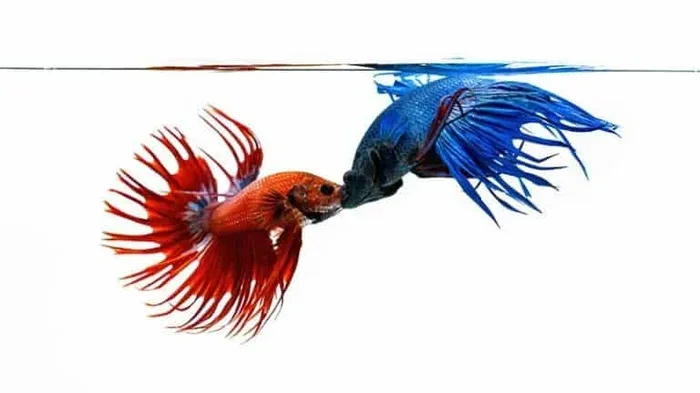
Does Betta Fish Bite Hurt
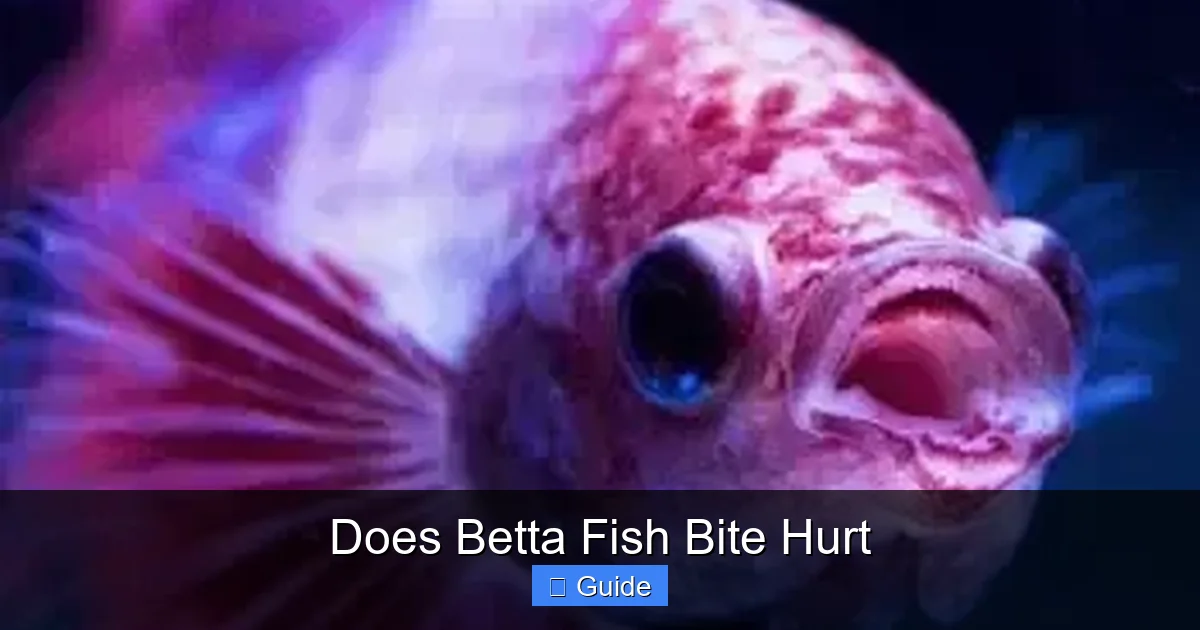
While betta fish do have small teeth and can bite, the pain is usually minimal—often described as a tiny pinch or pressure rather than a sharp sting. Their bites are rarely powerful enough to break human skin. The sensation depends on the fish’s size, the reason for biting (like territorial defense or mistaken identity during feeding), and individual pain tolerance. Most bites occur during tank maintenance or if a finger is mistaken for food. You can almost always prevent bites by understanding betta behavior, using proper handling techniques, and avoiding triggering their defensive instincts.
So, you’ve fallen in love with the stunning, flowing fins and vibrant colors of a betta fish. You’ve set up a beautiful tank, chosen the perfect decor, and maybe even named your new aquatic companion. But as you reach in to clean the glass or drop in a pellet, a thought gives you pause: does betta fish bite hurt? It’s a common and very reasonable question for any new betta owner or admirer. These fish have a reputation for being feisty, after all, with their dramatic fin flaring and warrior-like history. Let’s dive deep into the truth about betta bites, separating myth from reality, and give you the complete confidence to enjoy your finned friend without fear.
The short answer is: it’s highly unlikely to hurt in any significant way. But to understand why, we need to explore the fascinating anatomy of the betta, their natural behaviors, and the specific circumstances that might lead to a nip. This guide will walk you through everything you need to know, from the structure of their tiny teeth to practical, stress-free handling techniques. By the end, you’ll not only have your question answered but will also possess a deeper understanding of your betta’s personality and needs.
Key Takeaways
- Betta fish have teeth: They possess tiny, sharp teeth located on their jaw and palate, used primarily for gripping food and occasionally for combat with other bettas.
- Bites cause minimal pain: A betta’s bite force is extremely weak compared to a human’s bite. At most, you’ll feel a brief, mild pinch or pressure, similar to a small clamp.
- Skin is rarely broken: Their teeth are not designed to pierce thick human skin. A bite may leave a faint red mark but seldom breaks the skin or draws blood.
- Biting is a behavior, not aggression: Bettas typically bite from fear, territorial defense, or mistaken identity (e.g., your finger looks like food), not unprovoked malice.
- Prevention is simple and effective: Using a net, avoiding fast movements, not touching the fish, and feeding with tongs or dropping food near the surface drastically reduces bite risk.
- Not all bettas bite: Individual personality plays a huge role. Some bettas are curious and gentle, while others are more defensive and prone to nipping.
- A bite is not dangerous: Betta fish are not venomous. A bite poses no medical risk beyond a possible minor, temporary irritation. Simply wash the area with soap and water.
📑 Table of Contents
- The Truth About Betta Teeth: Anatomy of a Tiny Chomper
- The Bite Mechanics: What Actually Happens
- Why Would a Betta Bite? Understanding the Triggers
- Does It Actually Hurt? A Detailed Breakdown of Sensation
- Proactive Prevention: How to Never Get Bitten
- Special Considerations: Bettas and Children
- Conclusion: Confidence Through Understanding
The Truth About Betta Teeth: Anatomy of a Tiny Chomper
Before we can assess pain, we must first confirm the tools. Do betta fish even have teeth? Absolutely. They are not toothless. However, don’t picture a row of jagged, shark-like blades. A betta’s dentition is specialized for its natural diet and combat style.
Where Are Their Teeth Located?
Betta fish have small, pointed teeth on the front of their upper and lower jaws. More interestingly, they also have a set of teeth on the roof of their mouth, on a bony structure called the palate. This gives them a sort of “two-part grasper.” When they eat, they use their jaw teeth to initially seize prey—like a mosquito larva or a tiny worm—and then use the palatal teeth to hold and manipulate it before swallowing. This design is perfect for gripping slippery, struggling food items in the wild.
Size and Strength: Not Built for Crushing
These teeth are microscopic in the context of a human hand. They are sharp, yes, but they are also very fine and fragile. Their primary evolutionary purpose is not to inflict damage on large predators (like us) but to secure small, soft-bodied insects. The jaw muscles of a betta, relative to its tiny head, are strong enough to clamp down on a grain of sand or a brine shrimp, but they generate negligible force against the thick, rubbery texture of human skin. Think of it like trying to bite through a thick rubber glove with tweezers—the tool is precise, but the target is too tough and large for it to be effective.
In essence, a betta’s teeth are a specialist’s tool for a very specific job, not a general-purpose weapon. This fundamental anatomical truth is the first and biggest reason why a betta bite is not something to fear.
The Bite Mechanics: What Actually Happens
So, a betta has teeth and decides to use them on you. What does that interaction look and feel like? Understanding the “how” clarifies the “how much it hurts.”
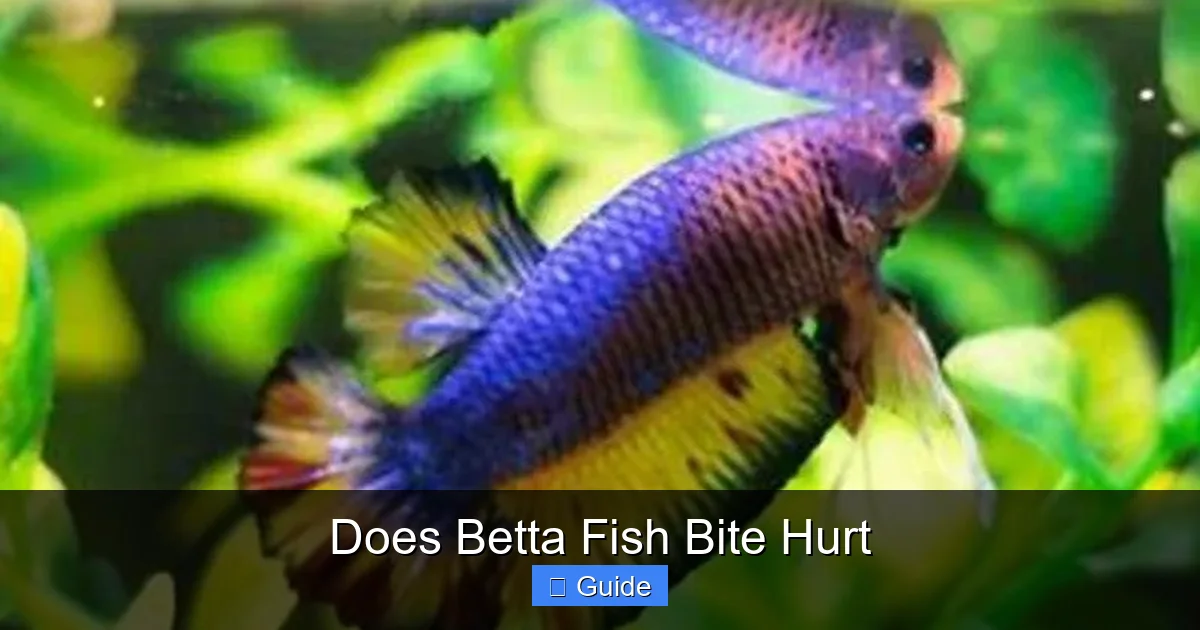
Visual guide about Does Betta Fish Bite Hurt
Image source: diyseattle.com
The Sequence of a Typical “Bite”
A betta’s interaction with your finger is rarely a sustained, powerful bite like a dog might deliver. It’s almost always a quick, investigative, or defensive “nip” or “sample.” Here’s the common sequence:
- Investigation: Your finger enters the water. The betta, curious or food-motivated, swims over. Bettas are incredibly visual and may see the glint of a watch or the movement of your finger as potential prey or a threat.
- The Test: It will often approach and gently bump or mouth your finger with its lips first. This is a tactile investigation. It’s feeling for texture and movement.
- The Nip: If the finger is stationary, it might give a quick, exploratory bite to see if it’s edible (food) or to assert dominance if it feels its territory is invaded. This bite is a rapid close-and-release action.
- The Retreat: After the nip, the betta will usually dart back to its favorite plant or hideout to observe your reaction. It’s a test, not a prolonged attack.
The Sensation: A Pinch, Not a Sting
People who have experienced a betta bite consistently describe it as a surprising, mild pinch or a firm pressure. It’s the feeling of several dozen tiny, sharp points pressing into your skin simultaneously and then instantly releasing. Because the teeth are so fine, they don’t create a broad area of pressure like a clamp. It’s more of a localized “tug” or “poke.” There is no venom, no drilling sensation, and no tearing. The shock of the unexpected contact is often more startling than the physical sensation itself.
For the vast majority of people, this sensation falls well below the threshold of what we would call “painful.” It’s a notable tactile event, but one that causes no real discomfort and leaves no lasting mark. The only exception might be for individuals with extremely sensitive skin or those who are particularly startled by the sudden contact.
Why Would a Betta Bite? Understanding the Triggers
A betta doesn’t bite for no reason. Recognizing the triggers is the key to 100% bite prevention. Their actions are driven by instinct, not malice.
Visual guide about Does Betta Fish Bite Hurt
Image source: fishkeepingguide.net
1. Mistaken Identity: The Most Common Culprit
This is the #1 reason for bites, especially during feeding. In the dim light of a tank, a moving finger can look remarkably like a worm or insect. The betta’s feeding instinct overrides its recognition of you as a non-food entity. If you feed your betta by hand-dropping pellets or using your fingers to present food, you are literally training it to associate your digits with a meal. This can lead to enthusiastic, accidental nips as it tries to grab the “food” (your finger).
2. Territorial Defense: “This is My Castle!”
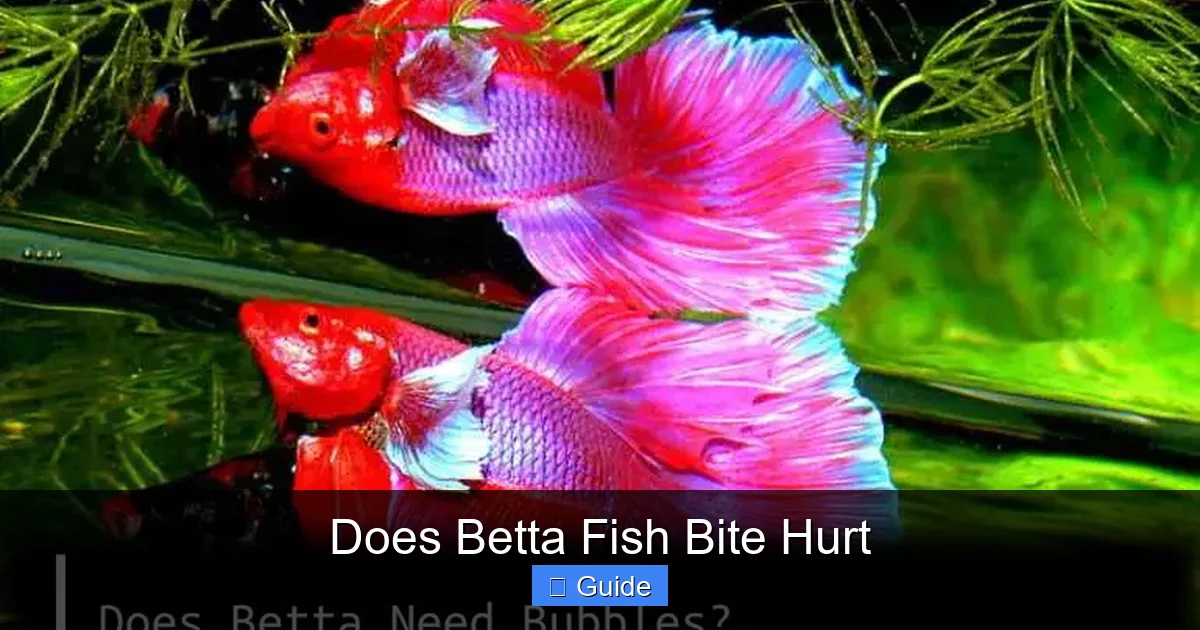
Betta fish are famously territorial. Their tank is their entire world, and they will defend it against perceived intruders. If you are rearranging plants, cleaning the glass near their preferred resting spot, or introducing a new object, they may see your hand as an invading force. A flared gill and a rapid approach followed by a quick bite is their way of saying, “Back off! This is mine!” This is most common in smaller, bare tanks with few hiding spots, where the betta feels exposed and must defend every inch.
3. Fear and Stress: A Panic Response
A stressed or frightened betta will bite as a last resort. Rapid hand movements overhead (which mimic a predator bird), sudden changes in lighting, or loud noises near the tank can send a betta into a panic. If you try to corner it or net it in a stressful way, a defensive bite is a natural reaction. It’s the fish equivalent of a cornered animal lashing out.
4. Curiosity and Exploration
Some bettas, particularly those with more bold personalities, are simply curious. They use their mouths to explore the world, much like a toddler puts things in their mouth. A gentle mouthing or a very light, exploratory nip might not be an aggressive act at all, but a form of tactile investigation. It’s still a bite, but the intent is different.
5. Redirected Aggression
This is common in community tanks or when a betta sees its own reflection (in a mirror or a polished tank wall). The betta may become agitated and flare at its rival (real or imagined). If you reach into the tank at that moment, the betta, in its heightened aggressive state, might mistakenly redirect that energy toward your hand. It’s not personal; it’s just bad timing.
Does It Actually Hurt? A Detailed Breakdown of Sensation
Let’s address the core question head-on with a nuanced analysis. The answer isn’t a simple yes or no; it’s “almost never, and here’s why.”
Visual guide about Does Betta Fish Bite Hurt
Image source: fishsubsidy.org
The Factors That Influence Sensation
While the baseline is “minimal to no pain,” a few variables can slightly alter the experience:
- Individual Pain Tolerance: Some people are simply more sensitive to tactile stimuli. What feels like a trivial pinch to one person might be more noticeable to another.
- Location of the Bite: The skin on your fingertips and palms is thicker and tougher than the skin on your wrist or the webbing between your fingers. A nip on a more sensitive area might feel slightly more pronounced, but still not painful.
- Fish Size and Age: A large, fully grown adult betta has slightly larger and potentially stronger teeth than a juvenile. The difference in bite force is negligible for humans, but it’s a factor.
- Depth of the Nip: A superficial scrape of the teeth across the skin’s surface is the most common outcome. For a betta to actually press its teeth in deeply enough to stimulate pain receptors significantly would require a force it cannot generate.
The Science of Force: Betta vs. Human
To put it in perspective, the average human bite force at the molars is about 162 pounds per square inch (PSI). A betta fish’s bite force has been estimated in studies to be a fraction of a single PSI—likely less than 0.5 PSI. For context, that’s less than the pressure you’d feel from a firm touch with a blunt pencil. Human skin can withstand pressures far higher than this before the pain receptors are activated. The betta’s bite is simply not mechanically capable of delivering a painful stimulus.
The most you might experience is a fleeting, “Huh, what was that?” sensation followed by looking at your finger and seeing a faint, almost invisible red line where a few microscopic tooth tips made contact. This mark usually vanishes within minutes. There is no risk of infection from the bite itself, as betta mouths are not harboring pathogens that are harmful to humans. Standard hygiene—washing your hands after tank maintenance—is all that’s required.
Proactive Prevention: How to Never Get Bitten
Since bites are so easy to prevent, why risk even the mildest surprise? Here is your actionable guide to harmonious, bite-free coexistence with your betta.
Master the Art of Tank Maintenance
This is the most common scenario for bites. When cleaning or adjusting the tank:
- Use a Net or Gravel Vacuum as a Shield: Never plunge your bare hand directly into a territorial betta’s space. First, gently corral the fish into a clean cup or use a soft net to temporarily relocate it to a holding container with water from its tank. Perform your work quickly and efficiently, then acclimate the betta back. For simple water changes or surface cleaning, a gravel vacuum can be your barrier—the betta will investigate the vacuum, not your hand.
- Move Slowly and Predictably: Fast, jerky movements trigger defensive responses. Enter the tank slowly. If your betta flares at you, pause. Let it settle before continuing.
- Work from the Top Down: Start your cleaning at the far end of the tank from your betta’s primary hiding spot and work toward it. This gives the fish an escape route and reduces the feeling of being cornered.
Re-Train Feeding Time
Break the association between your fingers and food.
- Use Tongs or a Feeding Ring: Drop pellets into the water using long tweezers or a dedicated feeding tong. Alternatively, use a floating feeding ring to contain the food in one spot. Your betta will learn to go to the ring for food, not your hand.
- Feed at the Same Spot Daily: Establish a routine. Tap the glass lightly or use a specific signal before adding food. The betta will learn to associate that signal with food, not your shadow.
- Never Hand-Feed: Resist the urge to let your betta nibble from your fingertips. It’s a cute trick that directly teaches them to bite fingers.
Read Your Betta’s Body Language
Your betta is constantly communicating. Learn the warning signs:
- Flared Gills and Puffed Up Body: This is the classic “I am ready to fight” display. Do not put your hand near a betta displaying this. It is in a high-stress, defensive state.
- Staring and Following: If your betta locks eyes on your hand and follows its every movement at the glass, it is highly alert and possibly agitated. Withdraw your hand slowly.
- Rapid Darting and Hiding: If your betta is hiding and only darting out nervously, it is scared. Your goal is to reduce its stress, not provoke it further. Avoid interaction until it seems calm.
- A Relaxed Betta: A happy, unbothered betta will be swimming leisurely, maybe resting on a leaf, with fins gently waving. Its gills are not flared. This is the only safe time for any necessary tank interaction.
Optimize the Environment to Reduce Stress
A stressed betta is a bitey betta. Provide an environment where it feels secure.
- Tank Size Matters: A 5-gallon tank is the absolute minimum. More space means your betta has its own territory that doesn’t constantly overlap with your cleaning path.
- Provide Abundant Hiding Spots: Use live or silk plants, caves, and driftwood. A betta that has places to retreat feels less need to defend a single spot.
- Avoid Reflective Surfaces: Polished glass or ornaments can trigger aggressive behavior toward its own reflection, leading to a perpetually stressed and bite-prone fish. Use a background on the outside rear and sides of the tank.
- Stable Water Conditions: Poor water quality causes chronic stress. Maintain proper temperature (78-80°F), perform regular partial water changes, and use a filter.
Special Considerations: Bettas and Children
If you have a betta in a home with children, these guidelines become even more critical. Children are naturally curious and may have a tendency to poke, tap, or try to catch the fish.
Setting Clear Rules
Teach children that the betta’s tank is not a toy. Establish firm rules:
- Look, Don’t Touch: The primary rule. The tank is for observation. Hands stay out.
- No Tapping on the Glass: This is incredibly stressful for the fish and can cause injury.
- Feeding is an Adult Job: To prevent hand-feeding associations and ensure correct portions, only adults should feed the betta, using the tong method.
- Supervision is Mandatory: Never leave young children unsupervised with any pet, including fish. They need to learn respect for living creatures.
The Perfect Starter Pet? Yes, with Guidance
Despite their reputation, bettas can be wonderful first pets. They teach responsibility and appreciation for nature. The key is managing expectations. Explain to children that bettas are beautiful but sometimes shy or grumpy. Frame the betta’s potential to nip not as a flaw, but as a natural behavior we can respect by observing from the outside. A child who learns to appreciate a betta’s beauty without needing to touch it is gaining a valuable lesson in coexistence with all animals.
Conclusion: Confidence Through Understanding
So, does a betta fish bite hurt? The overwhelming consensus from biology, physics, and countless owner experiences is a resounding no. The sensation is, at most, a fleeting, mild pinch—more surprising than painful. The real “hurt” comes from the anxiety of not knowing, which is now banished by knowledge.
Your betta’s tiny teeth are a marvel of evolutionary specialization, not a weapon of mass irritation. Its bites are communicative acts—messages of fear, territory, or food-motivation—not random acts of aggression. By learning to read its body language, respecting its space, and employing simple preventive strategies like using a net for tank maintenance and ditching hand-feeding, you create a relationship built on mutual respect.
You can now reach into your betta’s world with confidence, not fear. You’ll do so slowly, with purpose, and with an appreciation for the fierce, beautiful creature that guards its little kingdom. The vibrant flash of its flared fins is a sight to behold, and now you understand it for what it is: a spectacular display, not a prelude to a painful encounter. Enjoy your betta, understand its instincts, and your time together will be peaceful and beautifully bite-free.
Frequently Asked Questions
Do betta fish have teeth?
Yes, betta fish have tiny, sharp teeth on their jaws and the roof of their mouth. They use them to grip and tear small food like insects and worms, not for chewing.
Can a betta fish bite draw blood?
It is extremely rare. Their teeth are too small and their bite force too weak to pierce human skin. At most, you might see a faint, temporary red mark that quickly fades.
Are betta fish bites venomous or dangerous?
No. Betta fish are not venomous. A bite poses no medical risk beyond a possible minor irritation. Simply wash the area with soap and water, as you would after any minor contact with an animal.
Why did my betta fish bite my finger?
The most likely reason is mistaken identity—your finger looked like food. Other reasons include territorial defense if your hand was in its space, fear from sudden movements, or curiosity. It is almost never unprovoked aggression.
How can I stop my betta from biting during tank cleaning?
The most effective method is to use a net to gently move your betta to a separate holding container with tank water before you begin cleaning. This removes the stimulus (your hand in its territory) entirely. Always move slowly and avoid cornering the fish.
Should I be worried if my betta bites me?
No. It is a normal, instinctual behavior that rarely causes any discomfort. See it as a communication from your fish that you’ve triggered one of its instincts (food, fear, territory). Adjust your approach based on the reason, and don’t take it personally.