Can Shrimp Live with Betta Fish
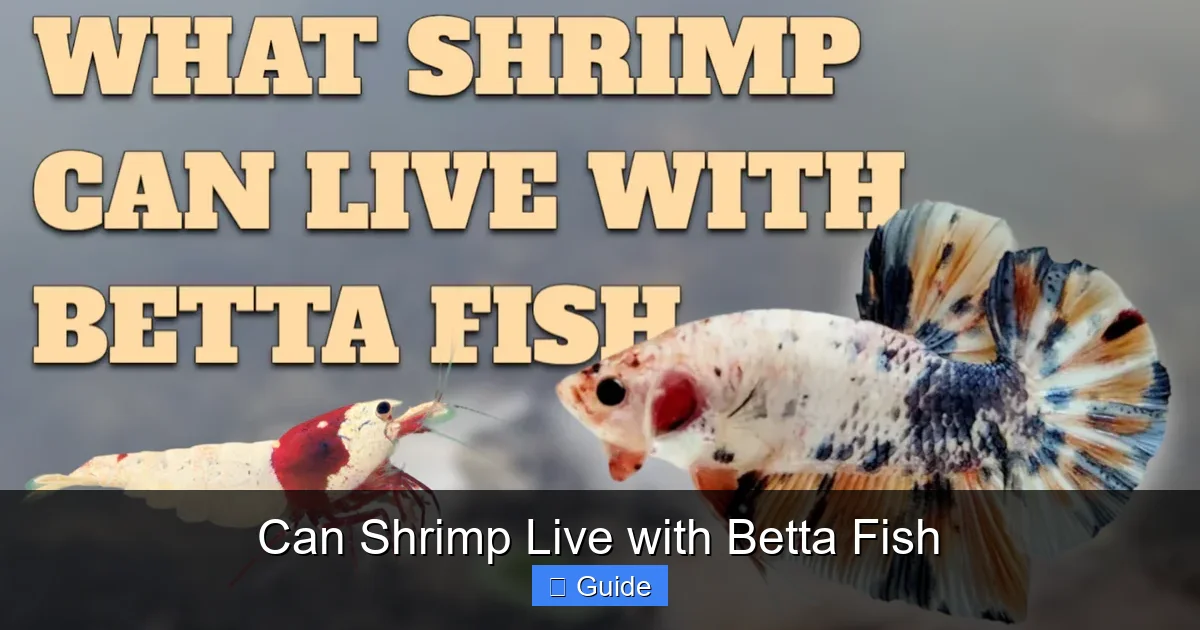
Yes, shrimp can often live with betta fish, but it’s not a guaranteed peaceful arrangement. Success depends entirely on your individual betta’s temperament, the shrimp species you choose, and providing a heavily planted tank with plenty of hiding spots. Smaller, fast-reproducing shrimp like cherry or ghost shrimp are common, but even they are at risk. A larger, aggressive betta will likely see shrimp as food. The key is to prioritize your betta’s needs, choose robust shrimp, and create an environment where shrimp can evade notice. It’s a calculated risk, not a simple yes or no.
Key Takeaways
- Your Betta’s Personality is Everything: A curious, mellow betta might ignore shrimp, while a territorial or aggressive one will hunt them. There is no universal rule.
- Shrimp Species Matter: Choose larger, faster, or more reclusive shrimp like Amano, Bamboo, or Ghost shrimp for the best chance. Small, colorful Neocaridina (e.g., cherry shrimp) are high-risk snacks.
- Tank Setup is Non-Negotiable: A heavily planted tank with dense foliage, driftwood, and rock caves is mandatory to provide shrimp with escape routes and break line-of-sight.
- Size Matters: A larger tank (20+ gallons) dilutes aggression and provides more space. A 5-gallon nano tank is a high-risk environment for any shrimp.
- Feeding is a Strategic Tool: A well-fed betta is less likely to hunt. Provide high-quality food first, and consider target feeding shrimp in remote areas.
- Observation is Crucial: Closely monitor interactions for the first 48-72 hours. Be prepared to remove the shrimp if your betta shows relentless, focused aggression.
- Shrimp are a “Cleanup Crew” with Risks: While they help eat algae and detritus, they are also a food source. Don’t add them solely for cleaning; add them as a potential community member you’re willing to lose.
📑 Table of Contents
- The Great Debate: Can Shrimp Live with Betta Fish?
- Understanding Your Betta: The Instinctual Predator
- The Shrimp Lineup: Choosing the Right Species
- The Tank: Your Most Powerful Tool for Success
- Feeding Strategies: Keeping Everyone Full
- The Introduction Protocol & First 72 Hours
- Troubleshooting and Long-Term Management
- Conclusion: Is It Worth the Risk?
The Great Debate: Can Shrimp Live with Betta Fish?
So, you’ve got a beautiful, solitary betta fish—a Siamese fighting fish with his flowing fins and bold personality. Your tank looks great, but maybe it feels a little… empty. You’ve heard about shrimp. Those little colorful crustaceans that scuttle around the bottom, cleaning up algae and adding a different kind of life. It sounds perfect, right? A betta and shrimp, living in harmony. But then you hear the horror stories: “My betta ate all the shrimp in one day!” The question can shrimp live with betta fish is one of the most common and hotly debated topics in the aquarium hobby. The honest, frustrating answer is: maybe. It’s not a simple yes or no. It’s a “it depends,” and what it depends on is a complex mix of your specific betta’s personality, your choice of shrimp species, and—most critically—your tank setup. This guide will dive deep into every factor, separating myth from reality, and giving you a clear roadmap to make an informed decision. We’re not just going to tell you if it’s possible; we’re going to teach you how to maximize your odds of success and, just as importantly, how to recognize when it’s doomed to fail.
Understanding Your Betta: The Instinctual Predator
Before we even talk about shrimp, we must talk about the betta. Betta splendens, the majestic fish you keep, is first and foremost a predator. In the shallow, sluggish waters of Thailand’s rice paddies, they are opportunistic hunters. They eat insects, larvae, and tiny crustaceans—exactly what shrimp are. This hunting instinct is hardwired. Any small, moving creature that enters their territory can trigger a chase response. This doesn’t mean all bettas are killers. Some are lazy, some are curious, some are downright bullies. Your job is to become a betta behavior detective.
Visual guide about Can Shrimp Live with Betta Fish
Image source: aquariumsphere.com
Reading Betta Body Language: The Warning Signs
You must learn to interpret your betta’s signals. A relaxed betta will swim calmly, perhaps flaring its gills briefly at its own reflection, but will ignore tank mates. A curious, potentially problematic betta will actively patrol the entire tank, inspecting every nook and cranny. It will follow the shrimp’s movements with intense focus, its body poised and still. This is the “hunting stance.” Flaring (puffing up its gills and fins) at the shrimp is a clear sign of aggression and territorial defense. If your betta spends all day chasing a shrimp, even if it never catches it, the stress will kill the shrimp eventually. The goal is to have a betta that notices the shrimp but then ignores them as uninteresting or too much trouble to chase.
The “Bubble Nest” Factor
Male bettas build bubble nests when they are feeling particularly content and ready to spawn. A male in full breeding condition can become more territorial and protective of his nest area. Introducing shrimp during this phase is a very bad idea. Conversely, some keepers report that a betta with a nest is too preoccupied to bother with shrimp. It’s another variable in the personality puzzle. Always introduce shrimp when your betta is in a normal, non-breeding state of mind.
The Shrimp Lineup: Choosing the Right Species
Not all shrimp are created equal in the eyes of a betta. Their size, speed, coloration, and behavior determine their survival odds. Let’s rank the common contenders from safest to riskiest.
Visual guide about Can Shrimp Live with Betta Fish
Image source: bettacarefishguide.com
Tier 1: The Best Bets (Larger &/or Camouflaged)
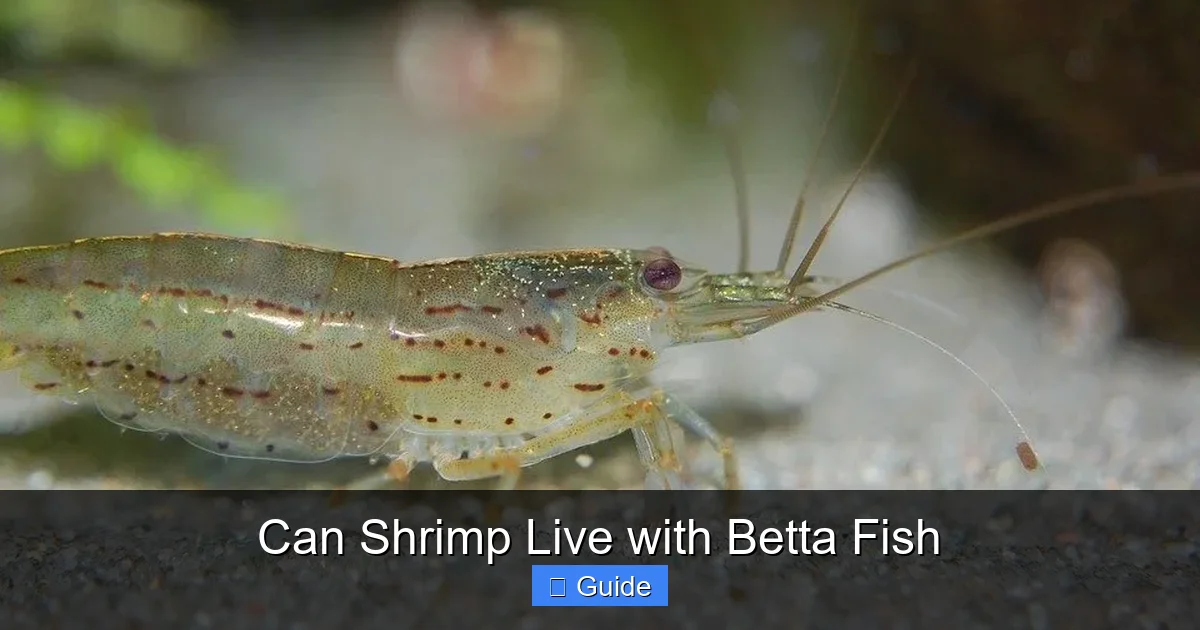
- Amano Shrimp (Caridina multidentata): The gold standard for a betta tank. They are large (2+ inches), fast, and have a translucent, speckled brown coloration that offers decent camouflage. They are primarily algae eaters and are incredibly active, often outswimming a determined betta. They cannot breed in freshwater, so you won’t have a population explosion.
- Bamboo Shrimp (Atyopsis moluccensis): Another large (3-4 inch) option. They are filter feeders, waving their fan-like legs in the current. Their size and unique, wood-like coloration make them less likely to be seen as “prey” and more as a weird, moving log. They also require specific water flow to feed properly.
- Ghost Shrimp (Palaemonetes spp.): The classic “cleanup crew” shrimp. They are fully transparent (hence the name), making them very hard for a betta to spot, especially in a planted tank. They are hardy, prolific breeders, and excellent scavengers. Their transparency is their greatest defense.
Tier 2: The Gamble (Small & Colorful)
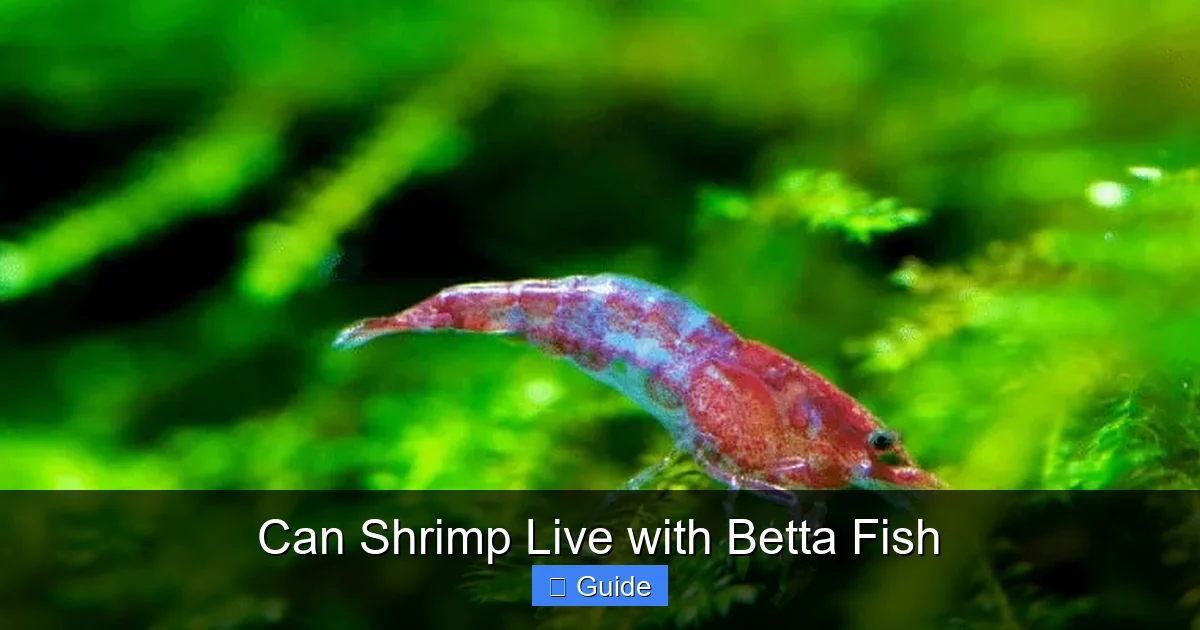
- Cherry Shrimp (Neocaridina davidi): The most popular and colorful shrimp. This is precisely why they are such a high-risk choice. Their bright red, blue, yellow, or orange coloration is like a flashing neon sign to a predator. They are small (1 inch) and relatively slow. A betta that notices one will almost certainly try to eat it. Success is possible only with the most mellow bettas and the most elaborate tank setups. They breed quickly, which can be a pro (replacing losses) or a con (leading to aggressive hunting).
- Other Neocaridina (Snowball, Blue Velvet, etc.): Same risks as cherry shrimp. Their beauty is their downfall.
Tier 3: Avoid (Specialized or Very Small)
- Bee/Crystal Shrimp (Caridina sp.): These are delicate, expensive, and require precise water parameters (soft, acidic). The stress of a betta’s presence alone could kill them. Do not attempt.
- Freshwater Prawns (Macrobrachium): Some larger species can be aggressive themselves and may fight the betta. Not recommended.
The Tank: Your Most Powerful Tool for Success
This is the section that makes or breaks the entire endeavor. You cannot put a shrimp in a bare 5-gallon tank with a betta and expect it to survive. You must build a fortress. The goal is to create a physical environment where the shrimp can disappear.
Visual guide about Can Shrimp Live with Betta Fish
Image source: bettacarefishguide.com
Size and Layout: Space is Safety
Minimum Tank Size: For even a chance, start with a 10-gallon tank. A 5-gallon is a boxing ring; a 20-gallon long is a city with alleys. The larger the volume, the more diluted the betta’s aggression and the more territory the shrimp can claim. A long, shallow tank (like a 20-gallon long) gives more horizontal swimming space than a tall, narrow one, which is better for shrimp to dart away.
The Plant Jungle: Essential Hiding Spots
You need density. Think “jungle,” not “garden.” Use a combination of:
- Floating Plants: (e.g., Frogbit, Salvinia, Duckweed). These are #1. They create a canopy at the surface where bettas rarely patrol. Shrimp will live their entire lives under this cover, feeding on biofilm. They also reduce light, which helps algae control and makes shrimp less visible.
- Stem Plants: (e.g., Rotala, Ludwigia, Limnophilia). Plant them densely in the midground and background. They create thickets.
- Mosses: (e.g., Java Moss, Marimo Moss Balls). The ultimate shrimp haven. They provide microscopic hunting grounds for baby shrimp and endless hiding places.
- Anubias & Java Fern: Attach these to driftwood and rocks. Their thick, sturdy leaves offer perfect perches and cover.
Hardscape as a Fortress
Driftwood, castle decorations, and rock piles are not just decor. They are essential architecture. Create small caves, overhangs, and crevices. Use multiple pieces to form “mazes” where the shrimp can be out of the betta’s line of sight. A single large cave is less effective than a complex network of small tunnels.
Feeding Strategies: Keeping Everyone Full
A hungry betta is a hunting betta. This is a simple, critical rule. Your feeding routine must ensure your betta’s belly is full before he even thinks about looking for shrimp snacks.
Feed the Betta First, Separately
Use a turkey baster or a feeding ring to deliver your betta’s high-quality pellets or frozen food directly to him, away from the main plant masses. Watch him eat. Once he’s done and has lost interest (which may take 2-3 minutes), you can then sprinkle a tiny amount of shrimp-specific food ( algae wafer, powdered fry food, blanched zucchini) in the dense planted areas for the shrimp. This trains the betta to expect his food at a specific spot and time, and the shrimp learn to emerge only after the betta is distracted or full.
What to Feed Your Shrimp
Shrimp are primarily detritivores and algae grazers. In a well-planted tank, they will find most of their food on their own: biofilm, decaying plant matter, and algae. Supplement with:
- Algae wafers (broken into tiny pieces)
- Blanched vegetables (zucchini, spinach, cucumber—remove after 24 hours)
- Specialized shrimp pellets or powder
- Powdered fry food (for baby shrimp)
Never overfeed. Excess food will foul your water, and a betta will definitely go after floating food pellets meant for shrimp.
The Introduction Protocol & First 72 Hours
How you introduce the shrimp is as important as the tank itself. Rushing this process is a death sentence for your shrimp.
Step 1: The Tank is Ready
Your tank must be fully cycled (ammonia and nitrite at 0ppm) for at least 4-6 weeks. The heavy planting should be established. The betta should have been living in this tank for at least a week, establishing his territory.
Step 2: The Drip Acclimation
Never dump shrimp directly into the tank. The water parameter shock can kill them. Use the drip acclimation method. Float the bag in the tank for 15-20 minutes to equalize temperature. Then, set up a siphon with airline tubing, creating a slow drip (1-2 drops per second) from the tank into the shrimp bag. This process should take 1-2 hours. Once the bag’s water volume has doubled, net the shrimp out of the bag and gently place them into the tank. Do not pour bag water into your tank.
Step 3: The “Drop & Hide” Technique
Use a cup or your net. Lower it into the dense planting or under a floating plant mat. Gently release the shrimp directly into the underwater jungle. This minimizes their initial exposure as they immediately have cover. Do not release them in open water.
Step 4: The Critical Observation Period
The next 72 hours are make-or-break. You must watch. Not constantly, but frequently. Look for:
- Chasing: The betta actively pursuing shrimp across the tank.
- Stalking: The betta motionless, eyes locked on a shrimp’s location.
- Successful Predation: The betta eating a shrimp.
- Shrimp Stress: Shrimp constantly hiding, not moving, or clamped in.
Some initial curiosity is normal. The betta will investigate the new “toys.” But if after 48 hours the behavior is relentless, focused hunting, you must accept that your specific betta is not shrimp-compatible. Do not wait for the shrimp population to dwindle to one. Act early.
Troubleshooting and Long-Term Management
Let’s say you’ve passed the 72-hour mark. The betta seems to ignore the shrimp. You see them foraging together. Success! But the story isn’t over. Long-term management is key.
The “Oh No, He Got One!” Moment
It will likely happen. Your betta will snatch a shrimp, maybe a molted one (which are softer and easier to eat). One loss is not a failure. It’s the circle of life. If it’s a rare event (once a month or less), your system is probably working. If it becomes a daily occurrence, your betta’s predatory drive is too high, and you need to rehome the shrimp.
Population Control (For Breeding Shrimp)
If you have Cherry or Ghost shrimp, they will breed. A thriving colony can sustain light predation. You may see dozens of baby shrimp (which are tiny and often ignored) and a stable adult population. This is actually a sign of a successful, balanced system. However, a massive population explosion can stress water quality. Monitor your parameters (ammonia, nitrite, nitrate) closely.
Water Quality is Paramount
Shrimp are extremely sensitive to poor water quality, especially copper and ammonia. A betta can tolerate slightly higher nitrates than shrimp. Your filtration must be excellent, and regular water changes (25-30% weekly) are non-negotiable. Use a water conditioner that detoxifies ammonia and heavy metals. Test your water regularly.
Conclusion: Is It Worth the Risk?
So, can shrimp live with betta fish? The definitive answer is: some can, sometimes, under the right conditions. It is not a beginner’s community tank addition. It is an advanced, calculated experiment in behavioral ecology on a tiny scale. You are essentially asking a natural predator to ignore prey in his own living room. Your success hinges on three pillars: selecting the right, robust shrimp species; building a fortress of a tank that gives shrimp a fighting chance to vanish; and having the patience and observational skills to accurately judge your betta’s true temperament. If you can commit to all three, the reward is a dynamic, beautiful micro-ecosystem. The sight of a ghost shrimp cleaning your glass under the watchful but indifferent eye of a flaring betta is a true aquarist’s triumph. But go into it with your eyes wide open. Have a backup plan (a separate “shrimp-only” tank ready) for the moment you realize your betta is a hunter. The welfare of both creatures must always come first. Happy fishkeeping!
Frequently Asked Questions
Will my betta definitely eat shrimp?
Not definitely, but it’s highly likely. Most bettas will at least try to chase and eat a small shrimp, especially a colorful one. Whether they succeed depends on the shrimp’s ability to hide and the betta’s persistence. There is no 100% guarantee of safety.
What is the safest shrimp to try with a betta?
The safest bets are larger, faster, or camouflaged species like Amano shrimp, Bamboo shrimp, or Ghost shrimp. Their size, speed, or transparency gives them the best chance to evade a curious betta and live to scuttle another day.
Can I put shrimp in a 5-gallon tank with my betta?
It is strongly discouraged. A 5-gallon tank offers almost no space for shrimp to escape a betta’s territory. The smaller the volume, the more intense the betta’s focus will be on any intruder. For any chance of success, a minimum of 10 gallons is recommended, with 20+ being ideal.
How many shrimp should I start with?
Start with a small group of 3-5 shrimp. This gives them a better chance of finding each other and establishing a colony if they are a breeding species. A single shrimp is a lonely, stressed target. A group can also dilute the betta’s attention.
My betta flares at the shrimp but hasn’t caught any. Is this okay?
No, it’s not okay. Flaring is a sign of stress and aggression. Even if the shrimp aren’t being eaten, the constant harassment and stress from being stalked will weaken and eventually kill them. Persistent flaring or chasing means the arrangement is not working.
Are there any signs my betta will never accept shrimp?
Yes. If your betta exhibits relentless, focused hunting behavior from the moment the shrimp are added—constantly patrolling, stalking, and attacking the glass where shrimp are hiding—this is an indication of a strong predatory drive. If he catches and eats a shrimp within the first few hours, that’s also a clear sign. These bettas are fundamentally incompatible with shrimp tank mates.