Can an Axolotl Live with a Betta Fish
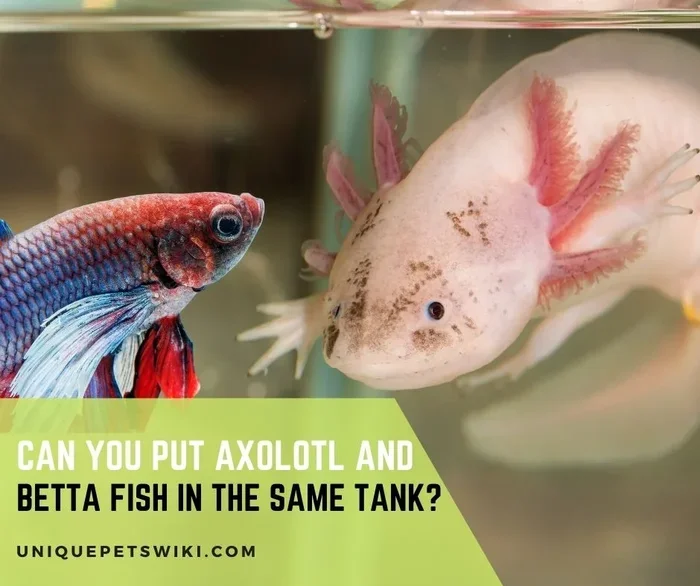
Can an axolotl live with a betta fish? The short answer is no. Axolotls and betta fish have very different needs, and keeping them together creates serious risks. Axolotls are cold-water creatures, while bettas need warm temperatures. Axolotls are also slow movers that may struggle to compete for food against a betta. This guide explains why these two species are incompatible and what you can do instead.
Many fish keepers dream of building a unique community tank. The idea of pairing an axolotl with a betta fish can sound exciting. Both creatures look fascinating. Both have big personalities. But can they really live together? The answer might surprise you.
Keeping an axolotl and a betta fish in the same tank is not recommended. These two species have very different needs. Their temperature preferences alone make cohabitation risky. On top of that, their behaviors, feeding habits, and habitat requirements clash in serious ways. In this guide, we will walk through every reason why this pairing does not work. We will also explore better alternatives for your aquarium.
If you are wondering about axolotl tank mate options or looking for betta fish compatibility advice, you are in the right place. Let us dive into the details and help you make the best decision for your aquatic pets.
Key Takeaways
- Axolotls and bettas have conflicting temperature needs — axolotls need cold water, while bettas thrive in warm water.
- Feeding conflicts are a major concern — bettas are faster eaters and will outcompete axolotls for food.
- Axolotl skin is delicate and sensitive — betta fins and aggressive behavior can injure axolotls easily.
- Tank size and habitat requirements differ greatly — axolotls need larger tanks with specific water flow and substrate.
- Keeping them separately is the safest option — each species thrives best in its own tailored tank setup.
- If you want peaceful tank mates for a betta — consider species that share similar water parameters and temperament.
📑 Table of Contents
Why Axolotls and Bettas Cannot Live Together
The idea of a mixed-species tank can be appealing. It saves space. It looks interesting. But compatibility is about more than just appearance. When it comes to axolotl and betta together setups, the differences between these two species create real problems.
Temperature Needs Are Completely Different
This is the biggest dealbreaker. Axolotls are cold-water animals. They thrive in water temperatures between 60 and 68 degrees Fahrenheit. Bettas, on the other hand, need warm water around 76 to 82 degrees Fahrenheit. You simply cannot satisfy both species in one tank. If you keep the water warm for your betta, your axolotl will become stressed and may stop eating. If you cool the water for your axolotl, your betta will become sluggish and prone to illness.
Temperature stress weakens the immune system of both animals. Over time, this leads to disease and a shortened lifespan. No aquarist wants that for their pets.
Feeding Habits Create Conflict
Bettas are fast, agile hunters. They dart to the surface to grab food quickly. Axolotls are slow, methodical eaters. They hover near the bottom and use their gills to create small currents that sweep food into their mouths. In a shared tank, the betta will almost always get the food first. The axolotl will be left struggling to find enough to eat.
Over time, this leads to malnutrition in the axolotl. A malnourished axolotl will lose weight, become lethargic, and eventually develop health problems. You do not want that on your conscience.
Behavioral Differences Cause Stress
Bettas can be territorial and aggressive. Male bettas, in particular, flare at anything that moves. An axolotl moving slowly through the water might trigger constant flaring from a betta. This causes chronic stress for the axolotl. Stressed axolotls are more susceptible to infections and disease.
Axolotls are gentle, passive creatures. They do not defend themselves well. A curious or nippy betta might also nip at the axolotl’s external gills. These gills are essential for breathing and are very sensitive. Any damage to them can cause serious health issues.
Understanding Axolotl Care Requirements
If you are considering an axolotl, you need to understand what this species truly requires. Axolotls are not your typical aquarium pet. They have very specific needs that set them apart from most freshwater fish.
Tank Size and Setup
An adult axolotl needs at least a 20-gallon tank. Larger is always better. These creatures produce a lot of waste, so strong filtration is essential. However, you must use a sponge filter or cover any intake tubes. Axolotls are curious and can suck themselves into filter intakes, which can be fatal.
The substrate matters too. Axolotls are bottom dwellers and may accidentally ingest gravel. This can cause impaction, a serious and sometimes deadly condition. Fine sand or no substrate at all is the safest choice.
Water Quality and Flow
Axolotls prefer clean, cool water with gentle flow. Strong water currents stress them out. They are fully aquatic and never leave the water. Their skin is very delicate, so any sharp decorations or rough surfaces can cause injuries.
Regular water changes are critical. Aim for 20 to 30 percent weekly. Test the water frequently for ammonia and nitrite levels. Both should always read zero.
Diet and Nutrition
Axolotls eat earthworms, bloodworms, and specialized sinking pellets. They feed at the bottom of the tank. You should feed them separately to ensure they get enough food. This is another reason why mixing them with a betta does not work.
Understanding Betta Fish Care Requirements
Bettas are popular for good reason. They are beautiful, hardy, and full of personality. But they need their own specific environment to thrive.
Warm Water Is Essential
A heater is a must for any betta tank. The water should stay consistently between 76 and 82 degrees Fahrenheit. Cold water makes bettas vulnerable to diseases like ich and fin rot. A betta fish tank setup should always include a reliable heater and a thermometer.
Tank Size and Enrichment
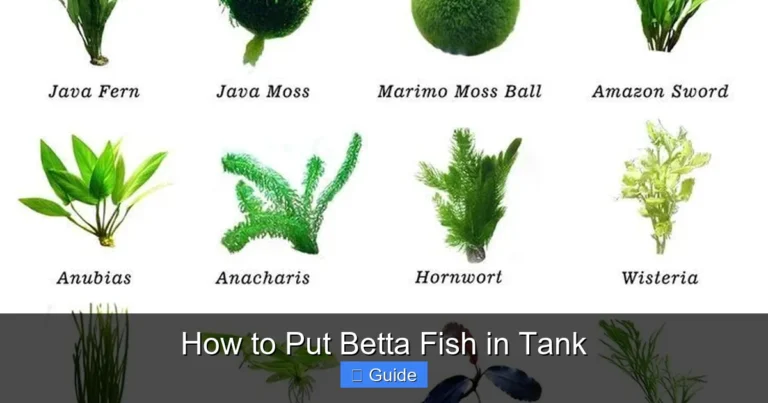
A single betta needs at least a 5-gallon tank. Ten gallons is even better. Bettas enjoy plants, caves, and places to explore. Live plants are excellent because they improve water quality and provide natural hiding spots.
If you are interested in adding plants to your betta tank, you might wonder about options like can you put a live plant with betta fish or can you put an ivy in with a betta fish. The good news is that many plants are safe and beneficial for bettas.
Betta Temperament and Tank Mates
Bettas can coexist with some species, but choosing the right tank mates for betta is crucial. Peaceful, small fish that prefer warm water are the best options. Avoid fin-nippers and aggressive species. If you are considering other creatures, you might ask can a betta fish live with a ghost shrimp or can a betta fish live with a hermit crab. Both of these can sometimes work in a well-planned tank.
What Happens If You Try to Mix Them
Some aquarists try to push the boundaries and house these species together. The results are almost always bad. Here is what typically goes wrong.
Stress and Disease
When an axolotl is kept in warm water, its metabolism speeds up unnaturally. It becomes stressed and stops eating properly. A betta in cold water becomes sluggish and prone to infections. Both animals suffer in ways that are not always visible at first.
Injury and Physical Harm
A betta may chase or nip at an axolotl. The axolotl’s gills, feet, and tail are all vulnerable. Axolotls can also accidentally bump into bettas during their slow movements, causing stress to the fish. Neither species benefits from this arrangement.
Shortened Lifespan
Axolotls can live 10 to 15 years in proper care. Bettas can live 3 to 5 years. Keeping either species in suboptimal conditions cuts their life short significantly. Responsible fish keeping means giving each animal the environment it needs to live a full, healthy life.
Better Tank Mate Options for Each Species
If you love both axolotls and bettas, the best solution is to keep them in separate tanks. Each species deserves an environment tailored to its needs. But if you are looking for compatible companions, here are some ideas.
Good Tank Mates for Axolotls
Axolotls do best housed alone. However, some keepers successfully add small, peaceful fish that prefer cool water. Always monitor any tank mate closely. The axolotl should never be the one doing the chasing.
Good Tank Mates for Bettas
Several species can coexist peacefully with bettas. Ghost shrimp, nerite snails, and small peaceful schooling fish like neon tetras or corydoras catfish are popular choices. Always research any new addition before adding it to your betta tank.
If you are curious about can a betta fish live with another fish or can a betta fish live in a tank with other fish, the answer is yes — but only with careful planning and the right species choices.
Final Thoughts on Axolotls and Bettas
The short answer to can an axolotl live with a betta fish is no. These two species have too many conflicting needs. The temperature difference alone makes cohabitation impossible. Add in feeding conflicts, behavioral issues, and different habitat requirements, and the case becomes even clearer. Keeping them in separate tanks is the kindest and safest choice for both animals.
If you are a new fish keeper, start with one species at a time. Learn its needs. Master its care. Then, if you want to expand your aquarium, choose a compatible companion. Rushing into mixed-species setups often leads to heartbreak and sick animals. Take your time. Do your research. Your pets will thank you for it.
Remember, every species deserves an environment where it can thrive. Whether you choose an axolotl, a betta, or both in separate tanks, the effort you put into proper care will be worth it. Happy fish keeping!
Frequently Asked Questions
Can an axolotl and a betta fish ever live together safely?
In almost all cases, no. The temperature needs alone make it impossible. Axolotls need cold water, while bettas need warm water. Even if you try to compromise, neither species will thrive. It is best to keep them in separate tanks.
What is the best tank mate for an axolotl?
Axolotls do well on their own. If you want a tank mate, look for small, peaceful creatures that prefer cool water. Always monitor interactions closely and be prepared to separate them if needed.
Can bettas live with any type of frog or salamander?
Most frogs and salamanders have different temperature and habitat needs than bettas. For example, can an African dwarf frog live with a betta fish is a common question, and the answer is sometimes yes — but each species combination needs careful research before mixing.
What should I feed my axolotl to keep it healthy?
Axolotls do well on earthworms, bloodworms, and sinking pellets. Feed them at the bottom of the tank. Make sure they get enough food, especially if they are housed near faster eaters. Always remove uneaten food to keep the water clean.
How big of a tank does an axolotl need?
A single adult axolotl needs at least a 20-gallon tank. Larger tanks are better because axolotls produce a lot of waste. Always use a sponge filter and avoid gravel substrate to prevent impaction.
Are bettas aggressive toward other aquatic creatures?
Bettas can be territorial, especially males. They may flare at or chase other fish, especially those with long fins. However, many peaceful species can coexist with bettas if the tank is large enough and properly arranged. Always research compatibility before adding new tank mates.