What Temperature Water for Betta Fish
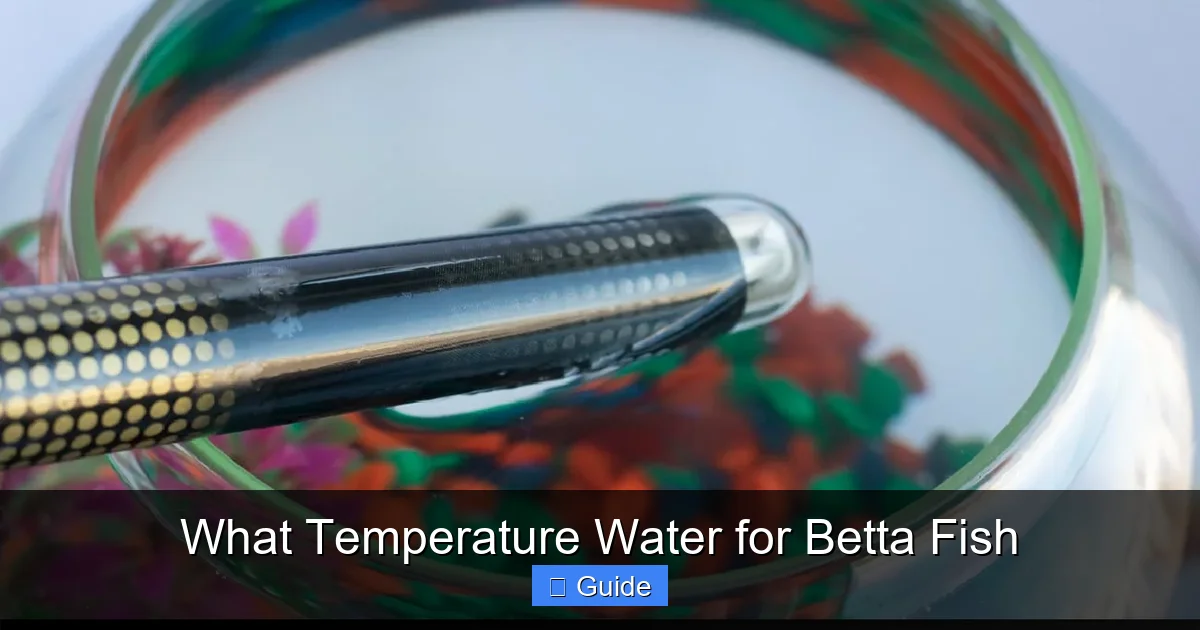
Betta fish are tropical creatures that require consistently warm water to thrive. The ideal temperature range is 78-80°F (25.5-26.5°C). Water that is too cold weakens their immune system and metabolism, while water that is too hot causes stress and accelerates oxygen depletion. Maintaining this precise temperature with a reliable aquarium heater and thermometer is the single most important factor in preventing disease and ensuring a vibrant, long-lived pet.
Key Takeaways
- Ideal Range is 78-80°F (25.5-26.5°C): This mimics their native Southeast Asian shallow waters and supports optimal immune function and metabolism.
- Temperature is Not Optional: Unlike some “hardy” fish, bettas absolutely require a heater in most climates to survive year-round.
- Stability is Crucial: Sudden temperature swings of more than 2-3 degrees are dangerously stressful. A good heater with an external thermostat provides stability.
- Cold Water = Sick Betta: Water below 76°F significantly slows their immune system, making them prone to fin rot, velvet, and other common illnesses.
- You Must Acclimate Slowly: Never add a betta directly to tank water. Use the drip or floating bag method to equalize temperature over 30-60 minutes.
- Thermometer Placement Matters: Place it away from the heater’s direct output for an accurate reading of the tank’s ambient temperature.
- Small Tanks Fluctuate Faster: In tanks under 5 gallons, temperature changes happen rapidly, requiring even more vigilant monitoring.
📑 Table of Contents
- Understanding Your Betta’s Tropical Origins
- The “Goldilocks Zone”: The Ideal Temperature Range
- Essential Equipment: Heater and Thermometer
- The Acclimation Process: Bridging the Temperature Gap
- Common Mistakes and Troubleshooting
- Seasonal Adjustments and Long-Term Care
- Conclusion: Temperature as the Foundation of Health
Understanding Your Betta’s Tropical Origins
To truly understand what temperature water for betta fish is correct, we must first take a quick trip to their natural home. Betta splendens, the fancy-finned beauties in our tanks, hail from the shallow, slow-moving rice paddies, marshes, and floodplain streams of Thailand, Cambodia, and Vietnam. These aren’t deep, cool rivers. They are sun-drenched, shallow pools where the water temperature can easily soar under the tropical sun and stay warm year-round, typically ranging from 75°F to 85°F (24°C to 29°C).
This environment shaped their biology. They are labyrinth fish, meaning they have a special organ that allows them to gulp air from the surface. This adaptation evolved for surviving in warm, oxygen-poor water—the very kind that would suffocate many other fish. But this doesn’t mean they like cold water! Their entire physiology—their metabolism, digestion, and immune system—is optimized for warm, stable conditions. Keeping them in cold water is like asking a human to run a marathon in a snowsuit; everything slows down, weakens, and eventually fails.
The “Goldilocks Zone”: The Ideal Temperature Range
So, what is that perfect, just-right temperature? The consensus among reputable betta breeders and aquatic veterinarians is a consistent 78°F to 80°F (25.5°C to 26.5°C). This is the sweet spot. Let’s break down why this range is so critical.
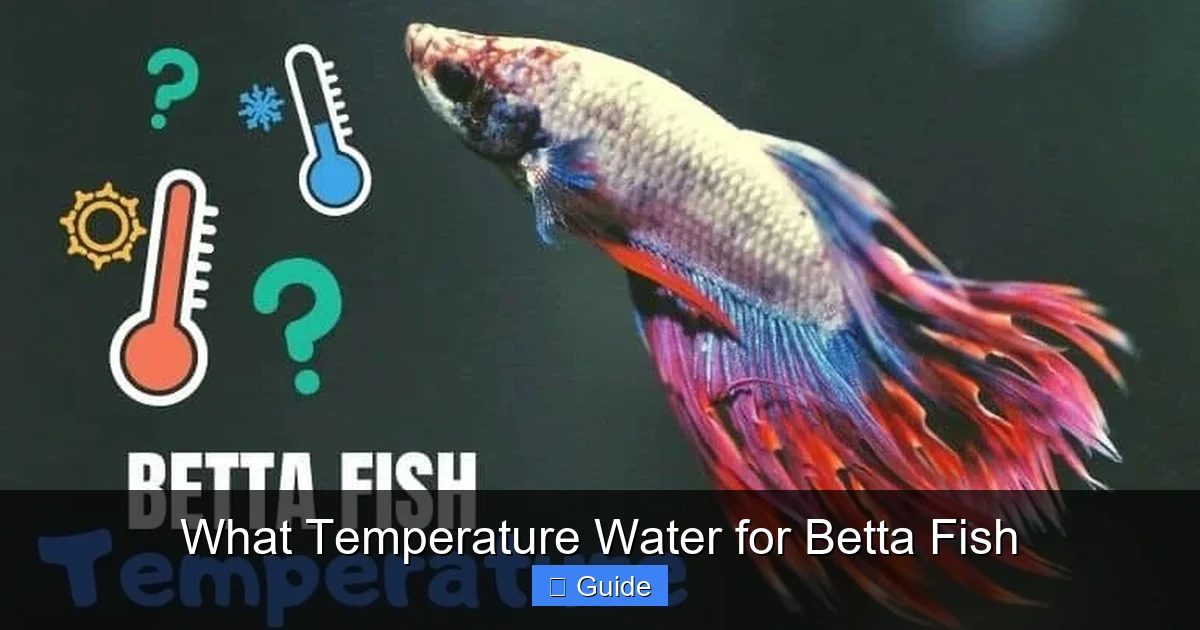
Visual guide about What Temperature Water for Betta Fish
Image source: japanesefightingfish.org
Why Not Just “Warm”? The Dangers of Being Too Cold
This is the most common mistake new betta owners make. The myth of the betta as a “disposable” fish that lives in a vase or a cold desk bowl is pervasive and deadly. When water temperature drops below 76°F (24°C), a betta’s metabolism crawls to a halt.
- Immune System Collapse: Their immune cells become sluggish. What might be a minor bacterial or parasitic issue in a warm tank can explode into a full-blown, often fatal infection like fin rot or columnaris in a cold one.
- Digestive Shutdown: Food passes through their system very slowly, leading to constipation and a bloated, swollen belly (dropsy is often a symptom, not the cause). They will often refuse food entirely.
- Lethargy and Stress: Your active, curious betta will become listless, clamp its fins, and spend all day hiding at the bottom. This chronic stress releases cortisol, which further suppresses their immune system.
Water in the low 70s or below is a death sentence for a long-term betta tank. They may survive for weeks or months in a slow decline, but they are not thriving.
The Hidden Stress of Being Too Hot
While less common than the cold-water problem, overheating is equally dangerous. Water consistently above 82°F (28°C) creates its own set of severe issues.
- Oxygen Depletion: Warm water holds far less dissolved oxygen than cool water. Even with a labyrinth organ, bettas need oxygen from the water through their gills. In hot, stagnant water, they can literally suffocate, gasping frantically at the surface.
- Accelerated Metabolism & Aging: Their bodily processes speed up excessively. This shortens their lifespan and can lead to premature organ failure. They burn through energy faster, even at rest.
- Algae and Bacteria Boom: Unwanted tank pests thrive in warm water, leading to cloudy water, algae blooms, and spikes in harmful bacteria.
- Extreme Temperature Swings: If you are manually heating water or using an unreliable heater, the risk of rapid overheating is high. A spike to 85°F+ can cause immediate shock and death.
Therefore, the 78-80°F range provides a buffer—it’s comfortably warm for their biology but not so hot as to cause oxygen or stress issues, even with minor heater inaccuracies.
Essential Equipment: Heater and Thermometer
You cannot guess or feel the water to get what temperature water for betta fish right. You need tools. This is non-negotiable equipment for a responsible betta keeper.
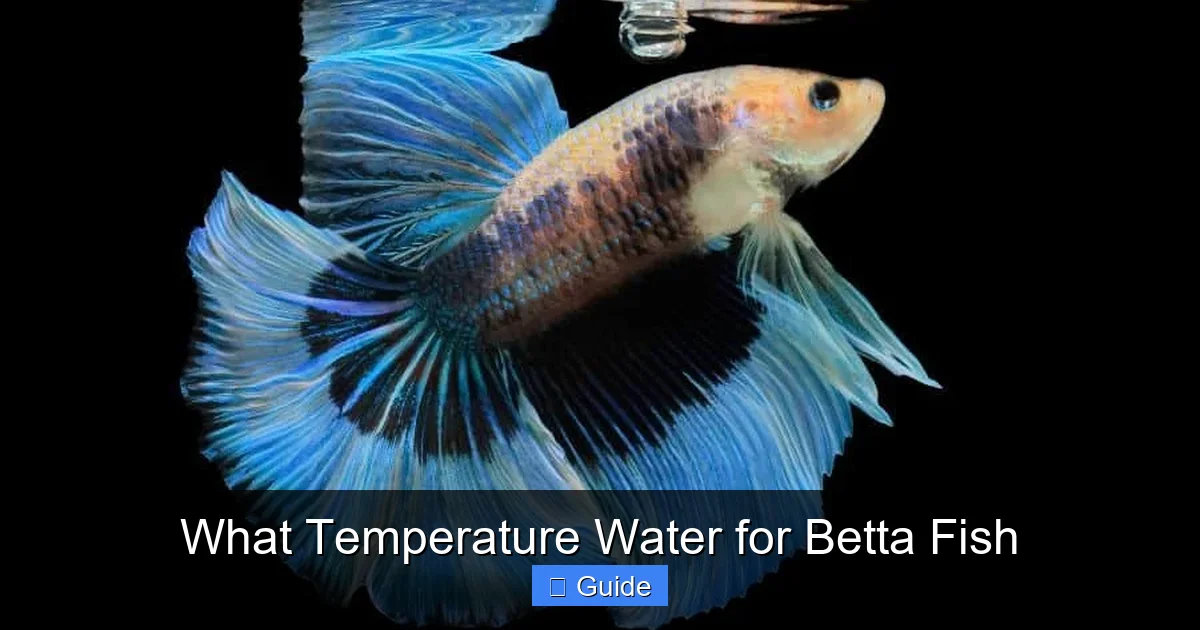
Visual guide about What Temperature Water for Betta Fish
Image source: ouraquariumlife.com
Choosing the Right Aquarium Heater
Forget the cheap, stick-on “adjustable” heaters. Invest in a reputable brand with a built-in, accurate thermostat (like Eheim, Fluval, Aqueon, or Hygger). For a single betta in a 5-gallon tank, a 25-watt adjustable submersible heater is perfect. For a 10-gallon community tank, move up to a 50-watt. The rule of thumb is 3-5 watts per gallon.
Key Features to Look For:
- Fully Submersible: Allows for better placement and cleaner look.
- External Thermostat Control: The dial should be outside the tank for safe, easy adjustment without getting your hands wet.
- Auto-Shutoff: A safety feature that turns the heater off if it runs dry or malfunctions.
- Indicator Light: Shows when it’s actively heating.
Placement Tip: Position the heater near a water current (like the output of a filter) to distribute heat evenly throughout the tank. Never place it where it can touch the glass directly or be buried in substrate.
The Indispensable Aquarium Thermometer
Do not rely on your heater’s built-in gauge alone; they are notoriously inaccurate. A separate, high-quality thermometer is your window into your tank’s true temperature.
- Digital Stick-On Thermometers: Easy to read, accurate, and stick to the outside glass. They are the best balance of cost and function.
- Floating/Submersible Glass Thermometers: The classic, cheap option. They work, but can be harder to read precisely and can break.
- Digital Probe Thermometers: The most accurate. A probe goes in the water, and a digital display sits outside. Great for precise monitoring.
Placement is Everything: Place your thermometer on the opposite side of the tank from the heater’s output. You want to measure the ambient tank temperature, not the superheated water jet coming directly from the heater. Also, place it at mid-tank height, not at the very top or bottom.
The Acclimation Process: Bridging the Temperature Gap
You’ve set your heater to 79°F and confirmed it with your thermometer. You bring home a gorgeous betta in a bag from the store. The water in that bag is likely a different temperature. What do you do? This is the moment of truth for what temperature water for betta fish becomes a practical, life-or-death skill.
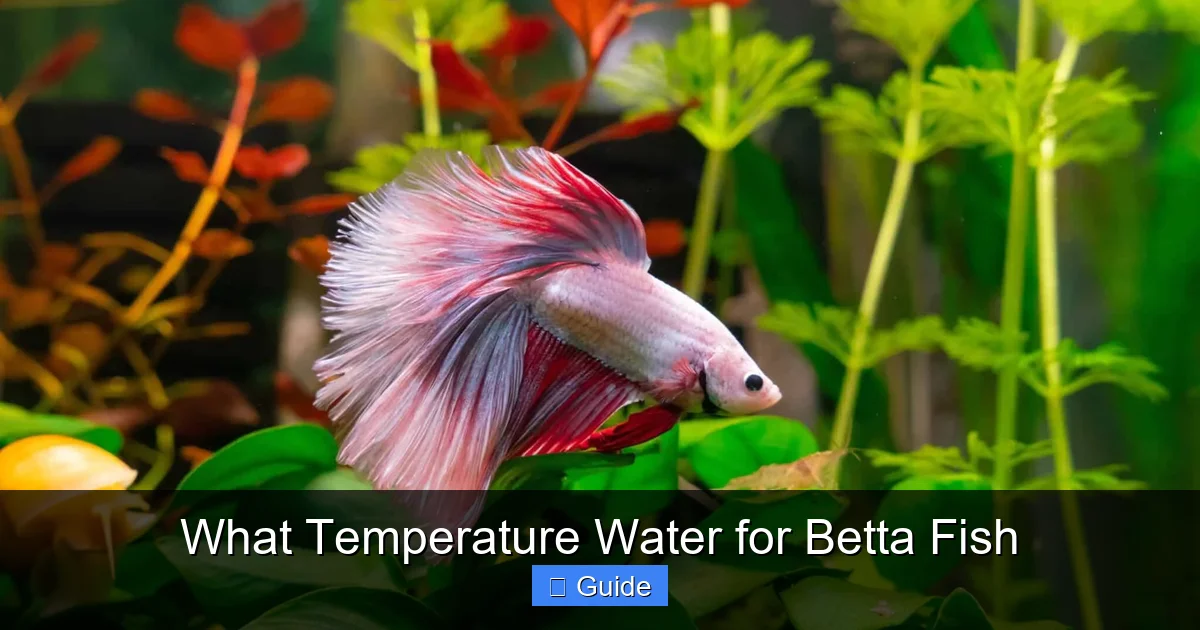
Visual guide about What Temperature Water for Betta Fish
Image source: aquariumwhisperer.com
Why You CANNOT Just Dump Him In
Fish are ectotherms (cold-blooded). Their body temperature is the water temperature. A rapid change of even 5-10 degrees causes severe thermal shock. Their cells cannot adjust that quickly, leading to organ stress, immune collapse, and often death within hours or days. The “float the bag” method is for temperature acclimation only, but it’s a vital first step.
The Two-Part Acclimation Method (Best Practice)
This method addresses both temperature and water chemistry (pH, hardness) safely.
- Float & Temperature Equalize: Turn off your tank lights to reduce stress. Float the sealed bag in your aquarium for 15-20 minutes. This allows the temperature in the bag to slowly match the tank water temperature through the plastic.
- Drip Acclimation (for chemistry): After floating, open the bag and roll down the top. Using airline tubing and a simple control valve (or even just knotting the tubing), start a very slow siphon from your tank into the bag. Aim for 2-4 drips per second. Let this continue for 30-60 minutes. This slowly introduces your betta to your tank’s water chemistry.
- Release: Using a net, gently scoop your betta out of the bag and lower him into the tank. Do not pour the store water into your clean tank. That water can contain pathogens or medications from the store.
- Observe: For the next few hours, watch him closely. He should begin exploring within an hour. If he is hiding excessively or gasping, re-check your parameters.
For a true “no-drip” setup: If you can’t drip, after floating the bag for 20 minutes, slowly add a small cup of your tank water to the bag every 10 minutes for an hour, then net the fish out. It’s less ideal but better than nothing.
Common Mistakes and Troubleshooting
Even with the best intentions, things can go wrong. Let’s diagnose common issues related to what temperature water for betta fish is actually in your tank.
“My Heater is On, But the Thermometer Says It’s Too Cold/Hot”
This is almost always a placement or equipment issue.
- Thermometer in the Wrong Spot: Is it right next to the heater’s output? Move it across the tank. Is it at the very top? Heat rises, so the top may be warmer. Move it to mid-level.
- Heater Too Small: A 25-watt heater in a 20-gallon tank will struggle. Match heater wattage to your tank size.
- Heater Faulty: Test it in a separate container with a thermometer. If it’s not maintaining the set temp, replace it.
- Drafts or Room Temperature: Is your tank near an air conditioner vent, a cold window, or a heater vent? Room air can dramatically affect tank temperature. Move the tank.
“I Have a Small Tank/Bowl. Do I Still Need a Heater?”
Yes, emphatically yes. Small volumes of water (under 5 gallons) are thermally unstable. They heat up and cool down at an alarming rate with any change in room temperature. A 2.5-gallon “betta tank” will drop 5 degrees overnight in a cool room. You must use a small, reliable heater (5-10 watts) and monitor it daily. A bowl is never appropriate for a betta for this and many other reasons.
“My Betta Is Lethargic and Clamped. Is It the Temperature?”
It’s the first thing to check! Immediately verify your thermometer reading. If it’s below 76°F, raise the temperature slowly (by 1-2 degrees per day) to the target range. If the temperature is correct, then you must look for other causes: poor water quality (test ammonia/nitrite/nitrate!), disease, or stress from tankmates. But temperature is always the primary suspect.
Seasonal Adjustments and Long-Term Care
Your job isn’t done after you set the heater to 79°F and walk away. Responsible betta ownership requires ongoing vigilance.
Summer Heatwaves and Winter Chills
Your heater is designed to *add* heat, not remove it. In a summer heatwave, if your room temperature pushes your tank to 84°F, your heater will be off, but the tank is still too hot.
- Summer Solutions: Use a small aquarium fan to blow across the water surface (evaporative cooling). Float frozen water bottles (sealed!) in the tank to bring temp down gradually. Ensure the tank is not in direct sunlight.
- Winter Solutions: This is when your heater works hardest. Ensure it’s not being fought by a cold draft. You may need to insulate the back and sides of the tank with polystyrene foam if the room is very cold. Never use a “heater pad” under a glass tank; they can cause uneven heating and cracks.
The Importance of a Temperature Log
For the first month with a new betta or new equipment, check your thermometer at the same time each day and log the reading. This will reveal if your heater is maintaining a stable temperature or cycling on and off too much (large swings). A stable 79°F is infinitely better than a fluctuating 77-81°F. Once you confirm stability over two weeks, you can check slightly less frequently, but always make it a part of your weekly tank observation routine.
Conclusion: Temperature as the Foundation of Health
So, what temperature water for betta fish? The answer is clear and non-negotiable: a stable 78-80°F (25.5-26.5°C). This is not a suggestion or a preference; it is a biological requirement. Think of your heater and thermometer not as optional accessories, but as the foundational life-support system for your betta. Getting this one parameter right does more to prevent disease, encourage vibrant color and active behavior, and ensure a long, happy life (often 3-5 years) than any other single thing you can do. It is the ultimate expression of providing an environment that truly mimics the warm, stable waters of their ancestry. By respecting this simple, scientific need, you move from being a casual pet owner to a dedicated caretaker, and your betta will reward you with its dazzling presence for years to come.
Frequently Asked Questions
Can I use a regular fish tank heater for my betta?
Yes, absolutely. You must use a fully submersible, adjustable aquarium heater with a built-in thermostat. Avoid cheap, non-adjustable “preset” heaters, as they often lack precision. Size the heater correctly for your tank volume (3-5 watts per gallon).
What happens if my betta’s water temperature fluctuates a lot?
Frequent or large temperature swings (more than 2-3 degrees in a day) cause severe chronic stress. This suppresses the immune system, making your betta highly susceptible to diseases like fin rot and ich. A good heater with an external thermostat is essential for stability.
Is it ever okay for a betta to be in cold water?
No. “Cold” for a betta is anything below 76°F (24°C). While they might survive for a time in cooler water, their immune and digestive systems will fail, leading to illness and a shortened lifespan. Cold water is a primary cause of most common betta diseases.
What’s the absolute minimum temperature a betta can survive in?
While a betta might physically survive in water as low as 72°F (22°C) for a short period, this is a state of severe stress and immunosuppression. It is not a “safe” or acceptable temperature for any extended time. The functional minimum for long-term health is 76°F.
Do betta fish need a heater if my room is always warm?
Probably. Room temperature (often 68-72°F) is far too cold for a betta. Even if your room is 75°F, tank temperature can be a few degrees cooler due to evaporation and glass conductivity. You must use a heater to maintain the target 78-80°F range consistently, regardless of ambient room temperature.
How do I cool down my betta tank if it gets too hot in summer?
First, ensure your heater is turned off (it won’t cool the tank, it will just stay off). Improve air circulation with a small clip-on fan blowing across the water surface. You can also float a sealed, frozen water bottle in the tank to gently lower the temperature. Remove any sources of excess heat, like direct sunlight or overly powerful lighting.