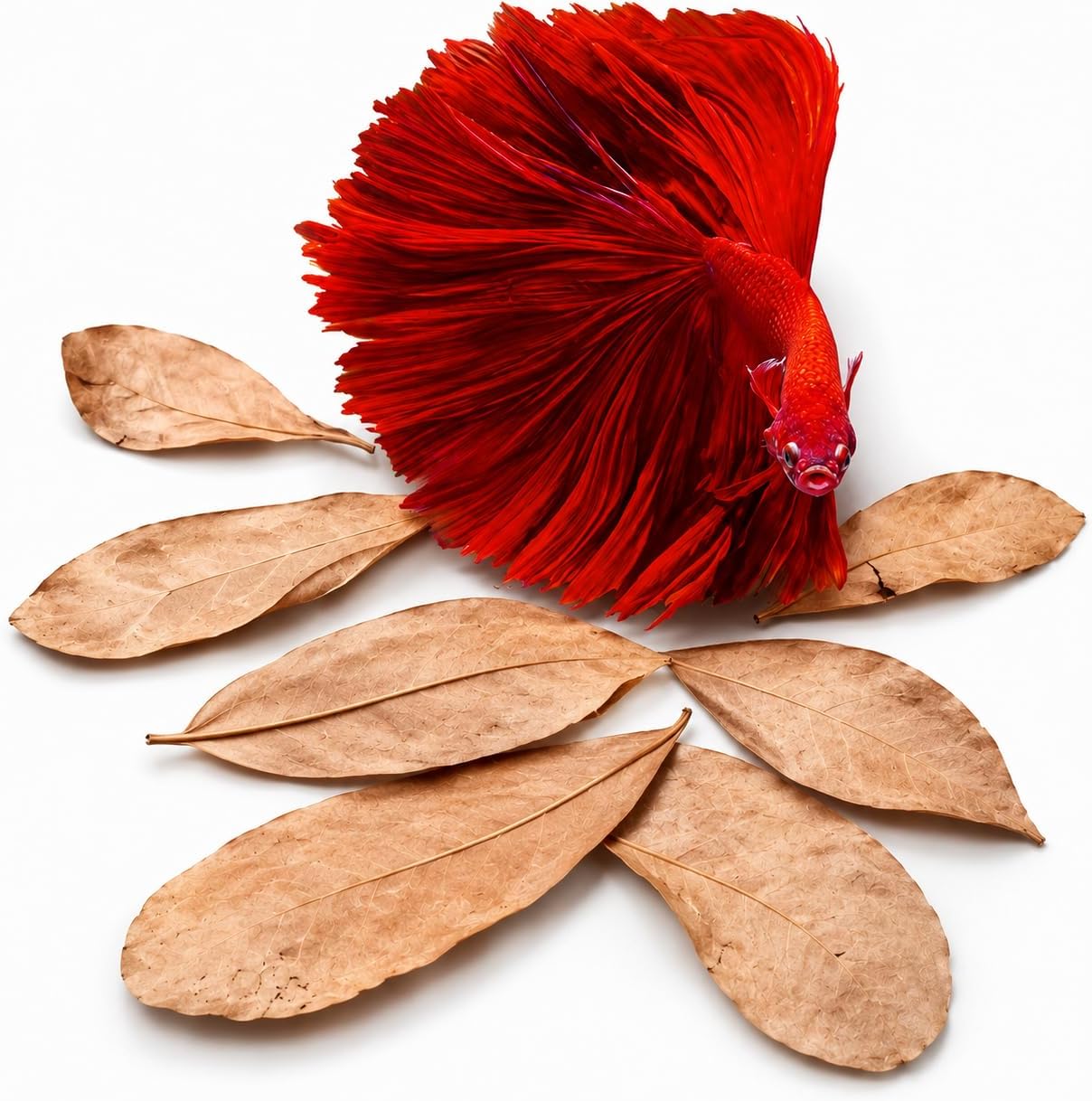
Choosing the right tank is the single most important decision for a healthy betta. A 5‑gal (or larger) filtered aquarium with gentle flow, live plants, and proper heating gives your fish room to thrive. Follow our step‑by‑step guide to pick, set up, and maintain the best tank for betta fish.
Key Takeaways
- Size matters: Aim for at least 5 gallons; larger is always better for water stability.
- Shape counts: Long, low‑profile tanks provide surface area for oxygen exchange.
- Filtration: A gentle, sponge‑type filter protects delicate fins while keeping water clean.
- Heating & temperature: Keep water at 76‑82 °F (24‑28 °C) with a reliable heater.
- Plants & décor: Live plants, driftwood, and smooth rocks mimic a natural habitat and reduce stress.
- Maintenance routine: Weekly water changes of 25‑30 % and regular filter checks prevent disease.
- Future upgrades: A larger tank lets you add compatible tank mates if you ever want a community setup.
📑 Table of Contents
- Introduction: Why the Right Tank Makes All the Difference
- 1. How Big Should the Tank Be?
- 2. Choosing the Right Shape and Material
- 3. Filtration: Gentle Yet Effective
- 4. Heating and Temperature Control
- 5. Water Quality: What to Fill the Tank With
- 6. Decorating the Tank: Plants, Hides, and Substrate
- 7. Setting Up Your New Tank – Step by Step
- 8. Ongoing Care and Maintenance
- Conclusion: Your Betta Deserves the Best
Introduction: Why the Right Tank Makes All the Difference
When you first see a betta fish’s brilliant fins, it’s easy to think a tiny bowl will do. The truth is, a cramped bowl can shorten a betta’s life and cause stress‑related illnesses. Giving your betta a proper aquarium—what tank for betta fish—creates a stable environment where it can display its natural behaviors, grow strong, and live many happy years.
In this guide we’ll walk through everything you need to know: the ideal size, shape, filtration, heating, décor, and how to set it all up. By the end you’ll feel confident picking a tank that meets both your budget and your fish’s needs.
1. How Big Should the Tank Be?
Minimum size recommendations
Most beginners hear “2‑gallon bowl” and think it’s enough. Research shows a minimum of 5 gallons is the sweet spot for a single betta. Larger volumes dilute toxins, keep temperature steady, and give you more room for live plants.

Visual guide about What Tank for Betta Fish
Image source: highreshdwallpapers.com
Why bigger is better
- Water stability: In a 5‑gal tank, a small amount of waste changes pH and ammonia far less dramatically than in a 2‑gal bowl.
- Oxygen exchange: A larger surface area lets more oxygen dissolve, which is crucial because bettas breathe air at the surface.
- Space to explore: Bettas love to swim up and down; a taller tank lets them use the whole water column.
Future‑proofing your choice
If you think you might ever add a compatible tank mate (like a snail or a shy shrimp), consider a 10‑gallon tank. It provides the extra space needed for coexistence without crowding your betta.
2. Choosing the Right Shape and Material
Long vs. tall tanks
A rectangular, low‑profile tank offers more surface area than a tall, narrow one. More surface means more oxygen and a better spot for floating plants.

Visual guide about What Tank for Betta Fish
Image source: slashgear.com
Glass vs. acrylic
- Glass: Scratch‑resistant, less expensive, but heavier.
- Acrylic: Lighter and clearer, but prone to scratches and may yellow over time.
Either works, but glass is often the go‑to for beginners because it’s easy to clean and less likely to get damaged during setup.
3. Filtration: Gentle Yet Effective
Why filtration matters for bettas
Bettas are delicate; strong currents can tear their fins. A filter that creates a slow, laminar flow is ideal. Sponge filters, hang‑on‑back (HOB) filters with adjustable flow, or a small internal filter with a spray bar work well.

Visual guide about What Tank for Betta Fish
Image source: thedrive.com
Setting up a sponge filter
- Place the sponge in the tank’s corner.
- Attach an air pump with airstone to create water movement.
- Rinse the sponge weekly in tank water to keep beneficial bacteria alive.
Maintenance tips
Clean only 20‑30 % of the filter media each month; removing all bacteria can cause a spike in ammonia.
4. Heating and Temperature Control
Ideal temperature range
Bettas are tropical; they thrive at 76‑82 °F (24‑28 °C). Use a submersible heater with an adjustable thermostat and a reliable thermometer.
Preventing temperature fluctuations
- Cover the tank with a lid to reduce heat loss.
- Avoid placing the aquarium near drafts, windows, or heating vents.
- Check the heater daily for proper operation.
For more on temperature specifics, see our article on what temperature should water be for a betta fish.
5. Water Quality: What to Fill the Tank With
Tap water vs. conditioned water
Most tap water contains chlorine or chloramine, which are lethal to fish. Use a water conditioner that neutralizes both and adds beneficial minerals.
pH and hardness
Bettas prefer a pH of 6.5‑7.5 and moderately soft water (50‑150 ppm GH). Test kits are inexpensive and help you keep parameters stable.
Read more about water basics in what water to use for betta fish.
6. Decorating the Tank: Plants, Hides, and Substrate
Live plants vs. silk plants
- Live plants: Provide natural filtration, oxygen, and a calming environment. Easy starters include Java fern, Anubias, and Marimo moss balls.
- Silk plants: Safer than plastic because they won’t tear fins, but they don’t help with water quality.
Choosing a substrate
A thin layer (1‑2 cm) of fine sand or smooth gravel works. Avoid sharp gravel that can injure delicate fins.
Hiding spots and enrichment
Driftwood, smooth rocks, and cave‑like decorations give your betta places to rest and explore. Ensure all décor has no sharp edges.
7. Setting Up Your New Tank – Step by Step
Step 1: Clean the tank
Rinse the glass, substrate, and décor with warm water—no soap.
Step 2: Add substrate and décor
Place the substrate, then arrange plants and hides. Leave open swimming space in the center.
Step 3: Fill with conditioned water
Slowly pour water over a plate to avoid disturbing the substrate. Treat with conditioner.
Step 4: Install heater and filter
Set the heater to 78 °F (25.5 °C) and turn on the filter. Let the system run for 24 hours.
Step 5: Cycle the tank
Even though bettas are hardy, cycling builds beneficial bacteria. Use a bacterial starter or add a few hardy fish for a few weeks. See how to cycle a fish tank for betta for details.
Step 6: Acclimate your betta
Float the sealed bag in the tank for 15 minutes, then slowly add tank water to the bag over another 15 minutes before releasing the fish.
8. Ongoing Care and Maintenance
Weekly water changes
Change 25‑30 % of the water each week. Use a siphon to remove debris from the substrate.
Testing water parameters
Test for ammonia, nitrite, nitrate, and pH weekly for the first month, then bi‑weekly.
Cleaning the filter
Rinse filter media in tank water (never tap water) to keep beneficial bacteria alive.
Feeding schedule
Feed high‑quality betta pellets or frozen foods once or twice a day, only as much as they can eat in two minutes.
Conclusion: Your Betta Deserves the Best
Choosing the right tank for betta fish isn’t just about size; it’s about creating a balanced, low‑stress environment where the fish can flourish. A 5‑gallon (or larger) tank with gentle filtration, stable temperature, live plants, and regular maintenance will give your betta a long, colorful life. Follow the steps above, stay consistent with care, and you’ll enjoy watching your betta’s fins dance for years to come.
Frequently Asked Questions
What is the minimum tank size for a betta?
The smallest recommended size is 5 gallons. Anything smaller can lead to rapid water quality swings and stress.
Can I keep a betta in a bowl with a heater?
While a heater can maintain temperature, bowls lack filtration and surface area, making them unsuitable for long‑term health.
Do bettas need a filter?
Yes. A gentle filter removes waste and helps maintain stable water parameters without creating strong currents.
How often should I change the water?
Replace 25‑30 % of the water weekly. More frequent changes are needed if you notice cloudy water or a spike in ammonia.
Can I add live plants to a betta tank?
Absolutely. Live plants improve water quality, provide hiding spots, and mimic a natural habitat, which reduces stress.
Is a tank with a lid necessary?
Yes. Bettas are jumpers, and a lid also helps retain heat and reduce evaporation.