Can Betta Fish Be Autistic
Betta fish do not have autism, but they can show quirky, repetitive, or shy behaviors that owners sometimes mistake for neuro‑developmental disorders. Understanding normal betta habits, stress triggers, and proper tank care helps you spot genuine health issues and keep your finned friend happy.
Key Takeaways
- Autism is a human‑specific condition: No scientific evidence shows fish can have autism.
- Behavioral quirks are normal: Bettas naturally display bold, territorial, and sometimes repetitive actions.
- Stress mimics “autistic‑like” signs: Poor water, overcrowding, or lack of enrichment can cause lethargy or repetitive swimming.
- Proper tank setup prevents problems: Adequate space, clean water, and hiding spots keep bettas thriving.
- Observe and record: Keeping a simple log of your betta’s daily activity helps spot real health concerns.
- Consult a vet for odd behavior: Persistent loss of appetite, color fading, or abnormal swimming warrants professional advice.
- Enjoy the bond: Learning your betta’s personality strengthens the keeper‑pet relationship.
📑 Table of Contents
- Introduction: Why the Question Pops Up
- What Is Autism, and Does It Apply to Fish?
- Typical Betta Behaviors That May Appear “Autistic”
- Common Stressors That Mimic “Autistic‑Like” Signs
- Creating an Environment That Supports Healthy Behavior
- When to Seek Professional Help
- Understanding the Human Tendency to Anthropomorphize
- Conclusion: A Happy Betta Is a Healthy Betta
Introduction: Why the Question Pops Up
When you first bring home a betta, you quickly notice a personality that seems almost human. Some owners describe their fish as “shy,” “curious,” or even “obsessive” when it darts back and forth along the glass. In recent years, the phrase “can betta fish be autistic?” has trended on forums and social media. The curiosity is understandable—autism is a widely discussed condition, and people love to anthropomorphize their pets.
This article separates fact from fiction. We’ll explore what autism really means, why fish can’t be diagnosed with it, and what normal or abnormal betta behaviors really look like. By the end, you’ll have a clear checklist to tell whether your betta is simply being a betta or needs extra care.
What Is Autism, and Does It Apply to Fish?
Autism Defined
Autism Spectrum Disorder (ASD) is a neurodevelopmental condition that affects social interaction, communication, and behavior in humans. It is diagnosed based on a range of criteria that involve language, sensory processing, and repetitive actions. The science behind ASD is rooted in complex brain structures that are unique to mammals, especially primates.
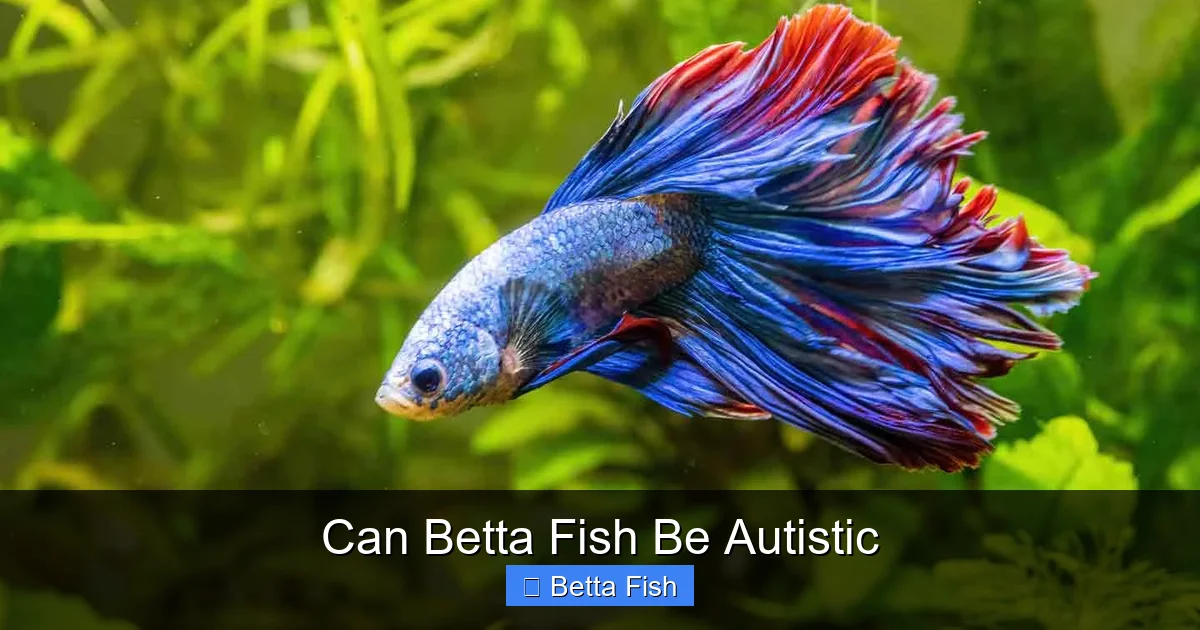
Visual guide about Can Betta Fish Be Autistic
Image source: media-be.chewy.com
Neurobiology of Fish
Fish have brains, but they lack the cerebral cortex and many of the neural pathways implicated in human autism. Research on zebrafish models does examine “autism‑like” genetic mutations, yet these studies are strictly laboratory tools—not evidence that pet fish can have ASD.
Bottom Line
Current veterinary and scientific consensus says: no, betta fish cannot be autistic. The term is sometimes used loosely to describe odd or repetitive behavior, but it is not a medical diagnosis for fish.
Typical Betta Behaviors That May Appear “Autistic”
Territorial Flaring
Bettas are famous for flaring their gill covers when they see a reflection or a rival. This is a natural display of dominance, not a sign of neurological disorder.
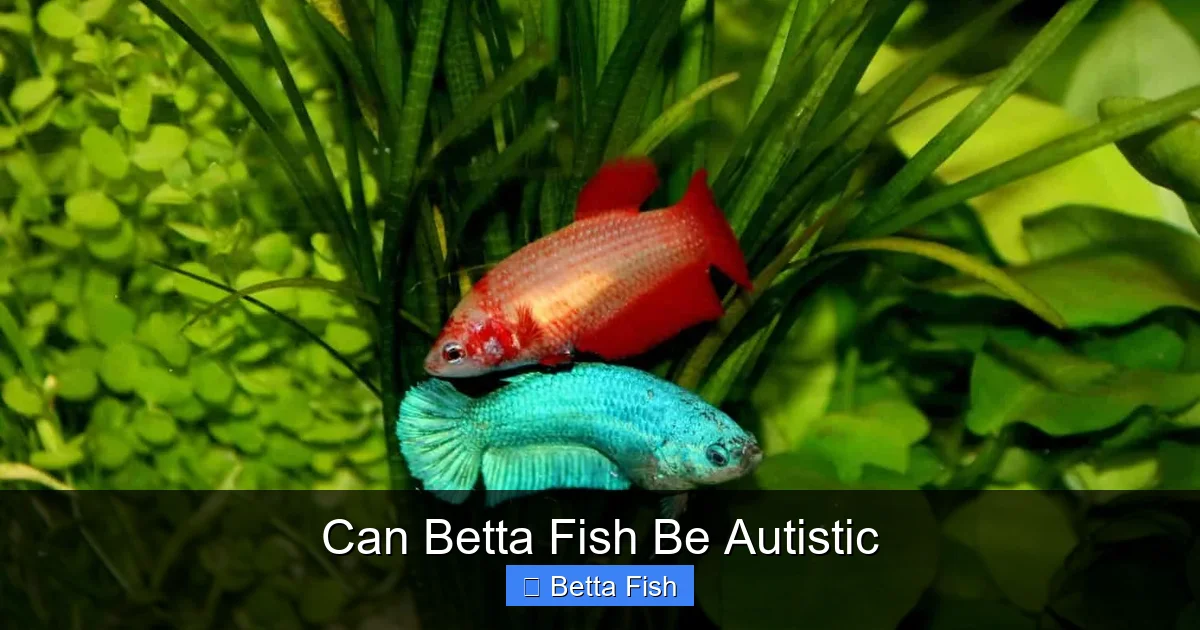
Visual guide about Can Betta Fish Be Autistic
Image source: a-z-animals.com
Repetitive Swimming Patterns
Many owners notice a betta swimming in a figure‑eight or pacing the same spot for hours. This “patterned swimming” often results from:
- Limited tank space
- Insufficient enrichment (plants, caves)
- Stress from bright lights or sudden noises
Shyness and Hiding
Some bettas prefer the bottom or hide behind decorations. A shy fish is simply exercising its natural instinct to avoid predators, not displaying social withdrawal like in ASD.
Feeding Oddities
If a betta snaps at food but then stops, it could be a sign of water quality issues rather than a “pickiness” disorder.
Common Stressors That Mimic “Autistic‑Like” Signs
Poor Water Quality
High ammonia, nitrite spikes, or incorrect pH can make a betta lethargic, cause loss of color, and lead to erratic swimming. Test your water weekly and perform partial water changes of 25‑30%.
Visual guide about Can Betta Fish Be Autistic
Image source: cdn.shopify.com
Overcrowding
Even though bettas can live alone, many owners try to keep multiple bettas together. Without proper partitioning, aggression spikes, and the fish may hide or become overly defensive. Learn more about how bettas interact with other fish before adding tank mates.
Incorrect Temperature
Bettas thrive at 76‑82°F (24‑28°C). Temperatures outside this range cause sluggishness or hyperactivity. Use a reliable aquarium heater and a thermometer.
Lighting Issues
Bright, constant lighting can stress bettas. Provide a dimming cycle that mimics sunrise and sunset, and offer hiding spots.
Creating an Environment That Supports Healthy Behavior
Tank Size and Layout
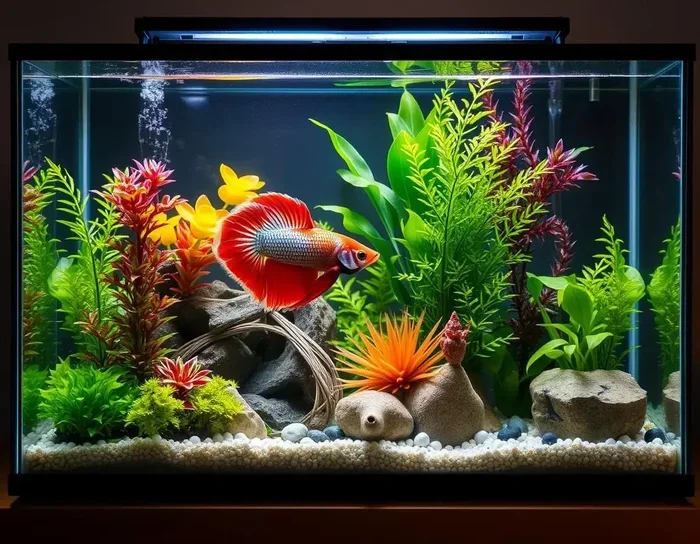
Even a single betta benefits from a minimum of 5 gallons. Larger tanks reduce stress and give more room for exploration. Include live or silk plants, driftwood, and caves to encourage natural foraging.
Enrichment Ideas
- Floating mirrors for short, controlled flaring sessions.
- Gentle water currents created by a low‑flow filter.
- Live foods (brine shrimp, daphnia) a few times a week.
Routine Health Checks
Observe your betta daily for:
- Changes in color intensity.
- Fin damage or ragged edges.
- Loss of appetite for more than 48 hours.
- Unusual swimming (spinning, sinking).
If any of these appear, test water parameters and consider a vet visit.
When to Seek Professional Help
Red Flags
While “autistic‑like” behavior isn’t a diagnosis, persistent symptoms can indicate disease:
- White spots (ich) or cotton‑like growths.
- Fin rot or fungal patches.
- Swollen abdomen (dropsy).
- Consistent refusal to eat.
Finding a Vet
Look for an aquarium‑specialized veterinarian or a clinic that lists fish care. Bring a water sample and a photo of the betta to help the vet assess the situation.
Understanding the Human Tendency to Anthropomorphize
Why We See Human Traits in Fish
We love to relate to our pets, assigning emotions and personalities that match our own experiences. This bond can improve care, but it also leads to misconceptions like “can betta fish be autistic?” Recognizing the line between empathy and scientific fact helps you provide the best care.
Positive Aspects of Anthropomorphism
Seeing a betta as a “character” encourages owners to notice subtle changes, leading to quicker interventions when something is wrong. The key is to pair that empathy with factual knowledge.
Conclusion: A Happy Betta Is a Healthy Betta
Betta fish cannot be autistic, but they do exhibit a range of fascinating behaviors that can sometimes look repetitive or shy. By maintaining optimal water conditions, providing enrichment, and monitoring for stress signs, you’ll keep your betta thriving. Remember, the best way to understand your fish is through observation, consistent care, and, when in doubt, professional advice.
Enjoy the colorful personality of your betta, and let science guide your love.
Frequently Asked Questions
Can betta fish show repetitive swimming?
Yes, repetitive swimming often results from limited space or boredom. Adding plants and increasing tank size can reduce this behavior.
Is there any scientific evidence that fish can have autism?
No. Autism is a human neurodevelopmental disorder, and current research does not support the idea that fish can be diagnosed with it.
What are the most common stress signs in bettas?
Look for faded colors, fin damage, constant hiding, loss of appetite, and erratic swimming. These usually point to water quality or environmental issues.
How often should I change the water in a betta tank?
Perform a 25‑30% water change weekly, and test for ammonia, nitrite, and pH each time to keep conditions stable.
Can I keep more than one betta in the same tank?
Only certain varieties, like compatible betta types, can share a divided tank. Otherwise, they are highly territorial and should live alone.
What should I feed my betta to keep it active and healthy?
Offer high‑quality betta pellets daily, supplemented with occasional live foods such as brine shrimp or daphnia for enrichment.