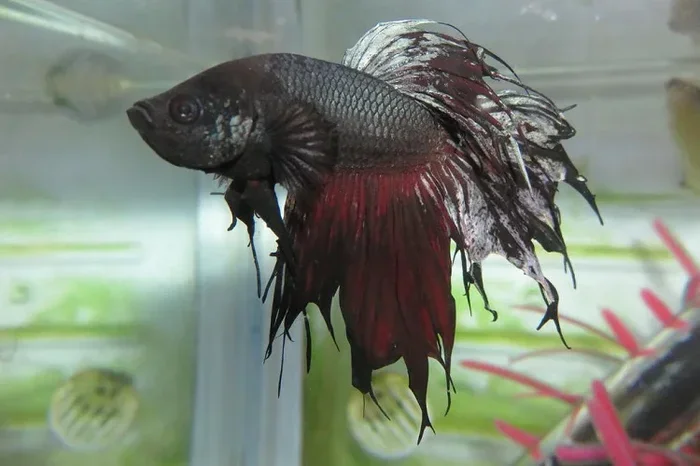
Will Betta Fish Attack Other Fish

Betta fish can be aggressive, but attacks on other fish depend on size, gender, and tank conditions. By choosing the right companions, providing plenty of space, and monitoring behavior, you can often keep bettas and other species together safely.
Key Takeaways
- Betta temperament varies: Males are usually more territorial than females, but individual personalities differ.
- Tank size matters: A cramped space increases the chance that a betta will attack other fish.
- Choose peaceful tank mates: Small, non‑fin‑nipping species are less likely to trigger aggression.
- Observe early interactions: Quick removal of aggressive bettas prevents injuries.
- Water quality and hiding spots: Clean water and plenty of plants reduce stress and aggression.
- Gender considerations: Two males together almost always fight, while a single male with females can sometimes work.
- Know the signs: Glaring, flaring fins, and rapid swimming are warning signals of an impending attack.
📑 Table of Contents
- Introduction: The Curious Question “Will Betta Fish Attack Other Fish?”
- Understanding Betta Behavior
- Factors That Influence Aggression
- Will Betta Fish Attack Other Fish? Common Scenarios
- How to Minimize the Risk of an Attack
- What to Do If an Attack Happens
- Long‑Term Success Stories
- Conclusion: Will Betta Fish Attack Other Fish?
Introduction: The Curious Question “Will Betta Fish Attack Other Fish?”
If you’ve ever watched a betta flare its gorgeous fins and wonder whether that show of strength means it will bite, chase, or even kill its tank mates, you’re not alone. The phrase “will betta fish attack other fish” pops up in forums, hobbyist blogs, and pet‑store chats daily. Betta fish—also called Siamese fighting fish—are famous for their bold colors and feisty personalities, which can make them seem like the bullies of the aquarium world.
But the reality is more nuanced. Not every betta will turn into a miniature gladiator, and many can coexist peacefully with the right setup. In this article we’ll break down the science behind betta aggression, explore the factors that influence whether a betta will attack other fish, and give you practical steps to create a harmonious community tank.
Understanding Betta Behavior
Natural instincts and territoriality
Betta fish evolved in the shallow rice paddies and slow‑moving streams of Thailand. In those environments, males defend small territories that contain food and breeding sites. This instinct carries over to home aquariums. When a betta perceives another fish as a rival for space or food, it may flare, puff its gills, and charge.
Gender differences
Male bettas are the classic “fighters.” They have larger, more elaborate fins and a stronger urge to protect their domain. Female bettas can also be aggressive, but they are generally less territorial and more tolerant of conspecifics. That’s why many hobbyists keep groups of females—called sororities—together, provided the tank is large enough.
Personality is not one‑size‑fits‑all
Just as people have unique temperaments, individual bettas differ. Some males will tolerate a peaceful neon tetra, while others will attack the same species within minutes. Observing your fish’s body language—especially fin flaring and rapid darting—helps you predict whether it might attack other fish.
Factors That Influence Aggression
Tank size and layout
Cramped conditions amplify stress. A 2‑gallon bowl offers no room for a betta to establish a territory without constantly bumping into neighbors, increasing the likelihood that it will attack. A minimum of 10‑gallon for a community tank is a good rule of thumb, with plenty of vertical space and décor.
Water parameters
Betta fish thrive in water that is warm (76‑82°F / 24‑28°C), slightly acidic to neutral (pH 6.5‑7.5), and soft to moderately hard. Poor water quality raises cortisol levels, which can trigger aggression. Regular water changes and a reliable filter keep the environment calm.
Fin type and appearance
Long‑fin or veil‑tail bettas display more surface area, making them appear larger and more intimidating. Unfortunately, those same fins can become easy targets for fin‑nipping fish, prompting the betta to defend itself aggressively. If you plan a community tank, a short‑fin or “fighter” type may reduce conflict.
Feeding habits
Starving bettas become more territorial over food. Feeding multiple small meals throughout the day, and spreading food across the tank, reduces competition. Over‑feeding can also cloud the water, leading to stress.
Compatibility of tank mates
Fish that are fast‑swimming, brightly colored, or have flowing fins can trigger a betta’s defensive instincts. Conversely, slow‑moving bottom dwellers that stay out of the betta’s line of sight are less likely to be attacked. For a deeper dive on suitable companions, see our guide on what other fish can live with betta fish.
Will Betta Fish Attack Other Fish? Common Scenarios
Scenario 1: A male betta with small tetras
Many hobbyists report success keeping a single male betta with neon or ember tetras. The tetras are small, swim in the mid‑to‑upper levels, and have a silvery flash that isn’t easily mistaken for a rival male. However, if the betta feels cramped or the tetras dart too close to his fins, an attack can occur.
Scenario 2: A female sorority with a male betta
Putting a single male with a group of females is risky. The male may view the females as rivals, especially during breeding season. If the tank is large and there are plenty of hiding spots, the male may coexist peacefully, but vigilance is essential.
Scenario 3: Two males together
Two male bettas in the same tank is almost always a recipe for fighting. Their instinct to defend territory is so strong that even a divider cannot fully prevent aggression. For more details, read Can Betta Fish Live With Other Betta Fish.
Scenario 4: Betta with bottom‑dwelling catfish
Species like Corydoras catfish stay near the substrate and rarely interact with the betta’s upper‑water domain. This makes them excellent tank mates, and they are unlikely to provoke an attack.
Scenario 5: Betta with fin‑nippers
Fish such as guppies, some barbs, or certain rasboras may nip at the betta’s long fins. The betta perceives this as a threat and may retaliate aggressively, often resulting in both fish being injured. Avoid fin‑nippers if you want to keep a betta safe.
How to Minimize the Risk of an Attack
1. Choose the right tank size
Start with at least a 10‑gallon tank for a community setup. Larger tanks dilute territories, giving the betta room to claim a spot without constantly bumping into neighbors.
2. Provide plenty of hiding places
Live plants, driftwood, and smooth rocks create visual barriers. When a betta can retreat behind a leaf or a piece of bark, it’s less likely to feel threatened and lash out.
3. Use a proper filtration system
Even a low‑flow sponge filter keeps the water clean without creating strong currents that stress bettas. Clean water reduces cortisol, which in turn lowers aggression.
4. Introduce fish gradually
Acclimate new tank mates in a separate container inside the main tank for 30‑60 minutes. This allows the betta to see the newcomers without direct contact, reducing surprise attacks.
5. Monitor body language
Watch for signs such as raised gill covers, flared fins, or a “hunched” posture. If you see these warning signals, be ready to separate the fish before a full‑blown attack.
6. Feed at multiple locations
Scatter food pellets across the tank to prevent competition. A well‑fed betta is less likely to view other fish as rivals for limited resources.
7. Consider a “peaceful” betta
Some bettas are naturally calmer. When purchasing, look for individuals that glide calmly rather than constantly flaring or darting at their reflection.
What to Do If an Attack Happens
Immediate steps
Turn off any bright lights to calm the fish, then use a net to gently remove the aggressor or the victim, depending on the severity. Place the removed fish in a separate quarantine tank with clean water and plenty of hiding spots.
Treatment for injuries
Fin tears can become infected. Treat with a mild antibacterial medication (e.g., Maracyn) and keep water parameters stable. If the wound looks severe, consult a veterinarian experienced with fish.
Re‑evaluate tank setup
After an incident, assess whether the tank is too small, lacks décor, or contains incompatible species. Often, simply adding more plants or moving the betta to a different corner resolves the issue.
Long‑Term Success Stories
Many hobbyists share stories of a male betta living peacefully with a group of small shrimp, snails, and a few rasboras for years. Success usually comes down to careful planning, regular water changes, and paying close attention to the betta’s behavior. For more inspiration, read about Will Betta Fish Eat Snails and how to create a shrimp‑friendly environment.
Conclusion: Will Betta Fish Attack Other Fish?
The short answer is: sometimes, but not always. Whether a betta will attack other fish depends on its gender, temperament, tank size, water quality, and the choice of companions. By providing ample space, plenty of hiding spots, and selecting peaceful tank mates, you can dramatically lower the odds of aggression. Keep a watchful eye, be ready to intervene, and enjoy the vibrant colors and fascinating personality of your betta—whether it lives solo or shares its home with friends.
Frequently Asked Questions
Will a male betta always fight other male bettas?
Yes. Male bettas are highly territorial and will usually attack each other, even when separated by a divider. Keeping two males together is not recommended.
Can a betta live with small shrimp?
Often, yes. Shrimp that stay near the bottom and are quick to hide are usually safe, but larger, more aggressive bettas may see them as food.
Do bettas eat other fish?
Betta fish are primarily surface feeders and will not actively hunt larger fish, but they may eat very small or sick fish they can fit in their mouths.
How can I tell if my betta is about to attack?
Look for flared fins, raised gill covers, a rapid side‑to‑side swimming motion, and a darkened or “hunched” posture. These are warning signs of impending aggression.
Is it safe to keep a betta with a neon tetra?
Neon tetras are generally good tank mates for a single male betta if the tank is at least 10 gallons and has plenty of plants or decorations to break the line of sight.
What should I do if my betta has injured another fish?
Separate the injured fish immediately, treat any wounds with a mild antibacterial medication, and reassess your tank setup to prevent future incidents.