How Much and Often to Feed a Betta Fish

Knowing how much and often to feed a betta fish is the single most important part of keeping your fish happy and healthy. Overfeeding is the number one mistake new betta owners make, and it can lead to serious health problems. This guide covers exact portion sizes, feeding frequency, and the best foods to use so your betta thrives.
So you just brought home a beautiful betta fish, and now you are wondering about the right way to feed them. The truth is that feeding your betta might seem simple on the surface, but there is a lot more to it than just tossing food in the tank. Getting the balance right between how much and often to feed a betta fish can mean the difference between a fish that thrives and one that struggles with health issues.
Many new betta owners make the mistake of thinking that more food equals a happier fish. That could not be further from the truth. Betta fish have small stomachs, and overfeeding can lead to a host of problems that shorten their lifespan. In this guide, we will walk you through everything you need to know about feeding your betta fish the right way, including portion sizes, frequency, and the best food choices.
Whether you are a complete beginner or have had bettas for years, this article will give you practical advice you can use right away. We will cover betta fish feeding schedules, portion control, the best types of food, and common mistakes to avoid. By the end, you will feel confident about your feeding routine and know exactly what your betta needs to stay healthy.
Key Takeaways
- Feed your betta fish 1-2 times per day with small portions sized to about the size of their eyeball.
- Overfeeding is more dangerous than underfeeding and can cause bloating, constipation, and poor water quality.
- A varied diet of pellets, frozen foods, and occasional treats keeps your betta healthy and active.
- Watch for hunger cues like begging behavior, but resist the urge to overfeed even when they seem hungry.
- Skip one feeding day per week to help your betta’s digestive system stay clean and healthy.
- Adjust feeding amounts based on your fish’s age, size, and activity level for the best results.
📑 Table of Contents
- Understanding Your Betta Fish’s Stomach and Digestive System
- How Often to Feed Your Betta Fish
- How Much to Feed a Betta Fish at Each Meal
- Best Foods for Betta Fish
- Signs of Overfeeding and Underfeeding
- Common Feeding Mistakes to Avoid
- Adjusting the Feeding Routine for Different Situations
- Quick Tips for Perfect Betta Feeding
- Conclusion
Understanding Your Betta Fish’s Stomach and Digestive System
Before we dive into specific feeding amounts, it helps to understand a bit about how a betta fish’s body works. Betta fish have very small stomachs, and their digestive systems are designed for frequent but tiny meals. In the wild, bettas eat small insects and larvae throughout the day. They do not get one big meal. Instead, they graze on small amounts of food over time.
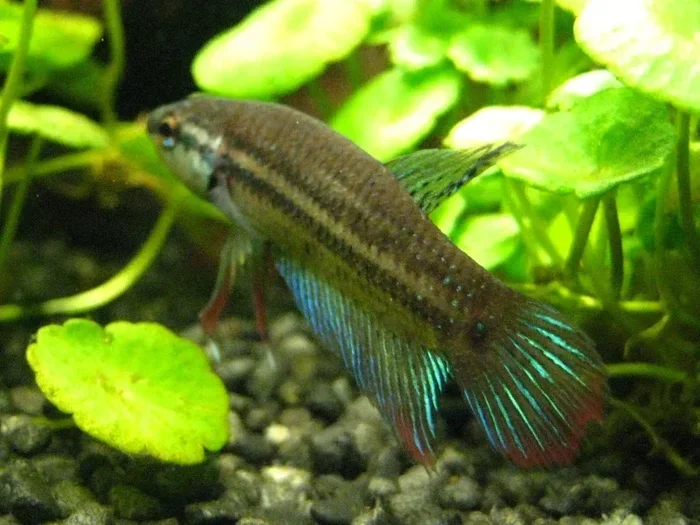
This is why portion control matters so much when you are keeping a betta in a home aquarium. A betta’s stomach is roughly the size of their eye, which gives you a perfect visual guide for how much food to offer. Anything beyond that can sit in their stomach too long and cause digestive issues. Understanding this basic biology helps you make better decisions every time you feed your fish.
Why Small and Frequent Meals Work Best
Betta fish do best when they eat small amounts multiple times a day rather than one large feeding. This mimics their natural eating pattern in the wild. When you feed your betta small portions, their body can process the food efficiently and extract all the nutrients they need. Large meals, on the other hand, can overwhelm their digestive system and lead to bloating and constipation.
Another reason small meals work better is that they help maintain stable water quality in your tank. Uneaten food breaks down quickly and releases ammonia, which is toxic to fish. By offering smaller portions that your betta can consume within a few minutes, you reduce the amount of leftover food that pollutes the water. This keeps your betta fish tank cleaner and your fish healthier.
How Often to Feed Your Betta Fish
The general rule for how often to feed a betta fish is twice a day, once in the morning and once in the evening. This schedule works well for most adult bettas and gives them a consistent routine. However, the frequency can vary depending on your fish’s age, health, and activity level. Let us break this down further.
Feeding Schedule for Adult Betta Fish
For adult bettas, feeding twice a day is the sweet spot. Offer a small portion in the morning and another small portion in the evening. Space the feedings about 8 to 12 hours apart. This gives your betta time to digest the food between meals and keeps their metabolism active.
Some experienced fish keepers also recommend fasting your betta for one day each week. This rest day helps clear out their digestive system and can prevent constipation. It might seem counterintuitive, but giving your betta a break from food actually supports better digestion and overall health. Many betta owners report that their fish seem more active and vibrant after incorporating a weekly fasting day.
Feeding Schedule for Baby and Juvenile Betta Fish
Young betta fish need to eat more frequently than adults. If you are caring for a baby betta, you should feed them three to four times a day in very small amounts. Baby bettas have high metabolisms and are still growing, so they need a steady supply of nutrients. The key difference is the portion size. For baby bettas, each feeding should be even smaller than what you would offer an adult.
As your betta grows, you can gradually reduce the number of feedings per day. By the time they reach adulthood at around six months old, you can transition to the standard twice-daily feeding routine. Watch your fish’s behavior and body condition during this transition to make sure they are adjusting well.
How Much to Feed a Betta Fish at Each Meal
Now let us talk about the actual amount of food. This is where many betta owners get confused. The answer depends on the type of food you are using, but there is a simple rule of thumb that works across the board. How much to feed a betta fish should always be measured by portion size, not by the number of flakes or pellets alone.
The Eyeball Rule for Portion Sizing
The easiest way to measure the right amount of food is the eyeball rule. Each meal should be roughly the size of your betta fish’s eyeball. For most adult bettas, this translates to about two to four pellets or a small pinch of flakes. This amount is small enough to be fully digested but large enough to satisfy your fish’s hunger.
It is tempting to give your betta more food, especially when they swim up to the surface begging. But remember that bettas are opportunistic eaters in the wild. They will eat as much as you offer because food availability is not guaranteed. Your job as the caretaker is to provide the right amount, not to overindulge them. If there is any food left after a few minutes, remove it from the tank to protect your water quality.
How Many Pellets Per Feeding
When using commercial betta pellets, how many pellets to feed a betta fish depends on the size of the pellets. Most high-quality betta pellets are small, and two to four pellets per feeding is a good starting point. If you are using larger pellets, you may only need one or two. Adjust based on how quickly your betta consumes the food and whether any remains after a few minutes.
Some brands make smaller pellets specifically designed for bettas, and these are often easier to portion control. Look for pellets that sink slowly, as bettas prefer to eat from the mid-water level or the surface. Sinking pellets can also make it easier to measure exact portions before adding them to the tank.
Best Foods for Betta Fish
Not all fish foods are created equal, and bettas are carnivorous fish that need a protein-rich diet. The food you choose plays a big role in your betta’s health, color, and energy levels. Let us look at the best options for feeding your betta.
High-Quality Betta Pellets
Betta pellets should be the foundation of your fish’s diet. Look for pellets where the first ingredient is a real protein source like fish meal or shrimp. Avoid pellets that are filled with fillers like corn or wheat, as bettas cannot digest these well. High-quality pellets provide balanced nutrition and are easy to portion control, making them ideal for your daily feeding routine.
Frozen and Freeze-Dried Foods
Frozen and freeze-dried foods like bloodworms, brine shrimp, and daphnia make excellent treats for bettas. These foods are packed with protein and mimic what bettas would eat in their natural habitat. You should offer these as supplements to their regular pellet diet, not as the main food source. Treats should make up no more than 10 to 15 percent of your betta’s overall diet.
When feeding frozen foods, always thaw them first by placing a small amount in a cup of tank water before adding it to the aquarium. This prevents the food from expanding inside your betta’s stomach, which can cause bloating. Freeze-dried foods should also be soaked briefly before feeding to make them easier to digest.
Live Foods for Betta Fish
Live foods are the most natural option for bettas and can be a great way to add variety to their diet. Mosquito larvae, brine shrimp, and micro worms are all excellent choices. Many bettas go wild for live foods and show increased activity and color during live feeding sessions. However, live foods can carry parasites or bacteria, so only source them from reputable suppliers.
If you are interested in what to feed a betta fish without fish food, live foods and certain prepared foods like boiled peas or cucumber can work in a pinch. Just remember that these should not replace a balanced commercial diet. They are best used as occasional supplements or treats.
Signs of Overfeeding and Underfeeding
One of the most important skills for any betta owner is recognizing the signs of both overfeeding and underfeeding. Both problems can seriously impact your fish’s health, and catching them early makes a big difference. Let us look at what to watch for.
Signs Your Betta Is Being Overfed
- Uneaten food floating in the tank after feeding sessions is a clear sign you are giving too much food.
- A bloated or distended belly that lasts more than a few hours after eating can indicate digestive issues from overfeeding.
- Cloudy or dirty water that worsens quickly after feeding suggests excess food is breaking down in the tank.
- Lethargy and loss of appetite can occur when a betta’s digestive system is overwhelmed by too much food.
- Constipation, where your betta has trouble passing waste or produces long stringy feces, is a common result of overfeeding.
If you notice any of these signs, reduce the portion size immediately and consider adding a fasting day to help your betta recover. It is also a good idea to check your how often to clean a betta fish tank routine, as overfeeding can quickly lead to water quality issues that require more frequent maintenance.
Signs Your Betta Is Being Underfed
- Rapid weight loss and a visibly thin body shape are the most obvious signs of underfeeding.
- Lethargy and hiding behavior can indicate that your betta does not have enough energy from its diet.
- Dull colors that fade over time may suggest your betta is not getting enough nutrients.
- Aggressive or frantic behavior at feeding time can be a sign that your betta is genuinely hungry.
- Slow growth in young bettas that is not keeping pace with expected development may point to insufficient food intake.
If you see signs of underfeeding, gradually increase the portion size or add an extra small feeding during the day. Always make changes slowly so you do not shock your betta’s digestive system. A healthy betta should have a rounded but not bloated body, vibrant colors, and steady energy throughout the day.
Common Feeding Mistakes to Avoid
Even experienced betta owners can fall into bad feeding habits. Here are the most common mistakes and how to avoid them.
Feeding Too Much at Once
This is the number one mistake people make with bettas. It is easy to overestimate how much food a small fish needs, especially when they eat so enthusiastically. Remember that a betta’s stomach is tiny, and even a slight excess can cause problems. Stick to the eyeball rule and resist the urge to give in to those begging behaviors.
Feeding Too Frequently
Some owners think that feeding their betta three or four times a day will keep them healthy. For adult bettas, this is too much. More frequent feedings mean more food entering the tank, which increases waste and degrades water quality faster. Stick to the twice-daily schedule and use the fasting day each week to give their digestive system a break.
Relying on Flakes Alone
While betta flakes can work, they are not always the best option. Many commercial flakes are designed for tropical community fish and do not have the protein content bettas need. Additionally, flakes break apart quickly in water, making it hard to measure portions accurately and leading to excess waste in the tank. Pellets are generally a better staple food choice.
Ignoring Water Quality After Feeding
Feeding is directly connected to water quality, and many owners overlook this connection. After each feeding, check that your betta has consumed the food within a few minutes. Remove any leftovers promptly. Also, monitor your ammonia and nitrate levels regularly, especially after you change your feeding routine. Poor water quality from overfeeding can lead to how to treat ich on a betta fish and other health problems that are entirely preventable.
Adjusting the Feeding Routine for Different Situations
Every betta is unique, and there are times when you may need to adjust your standard feeding routine. Understanding these situations helps you provide the best care for your fish no matter what life stage they are in.
Feeding During Water Changes
When you are performing a water change, it is a good idea to feed your betta less than usual. Fresh water can cause stress, and a full stomach adds to that stress. Offer a smaller portion before the water change and wait a few hours after the change to feed again. This approach keeps your betta comfortable and helps maintain stable water parameters.
Feeding a Sick or Recovering Betta
If your betta is recovering from an illness or stress event, their appetite may be reduced. In these cases, offer very small portions and consider soaking their food in tank water before feeding to make it easier to digest. If your betta refuses food for more than two days, you should investigate the cause and potentially consult a vet who specializes in fish health.
Feeding During Breeding
Breeding bettas have higher energy needs and may benefit from more frequent feedings and a richer diet. Live foods and frozen foods become especially important during this time. If you are breeding bettas, increase the variety of foods and offer small meals more frequently to support the extra physical demands of reproduction.
Quick Tips for Perfect Betta Feeding
- Feed at the same times every day to establish a routine your betta can rely on.
- Use the eyeball rule to measure portions accurately every time.
- Soak freeze-dried and frozen foods before adding them to the tank.
- Remove uneaten food after five minutes to protect water quality.
- Fast your betta for one day per week to support healthy digestion.
- Rotate between pellets, frozen foods, and occasional treats for a balanced diet.
- Watch your betta’s body condition and adjust portions as needed over time.
- Do not feed your betta right before or after a water change to minimize stress.
Conclusion
Getting the feeding routine right for your betta fish is one of the most important things you can do as a fish owner. The key is to keep portions small, feed consistently twice a day, and offer a varied diet that meets all of your betta’s nutritional needs. Remember that how much and often to feed a betta fish directly impacts their health, lifespan, and overall happiness.
By following the guidelines in this article, you will avoid the most common feeding mistakes and set your betta up for a long, healthy life. Pay attention to your fish’s behavior and body condition, adjust as needed, and never be afraid to give them a rest day. A well-fed betta is a happy betta, and that is what we all want for our fish friends.
Take what you have learned here and put it into practice today. Your betta will thank you with vibrant colors, active behavior, and a long, healthy life by your side. And as you continue to learn more about betta care, always keep how much and often to feed a betta fish at the top of your priority list. It is the foundation of everything else you do for your fish.