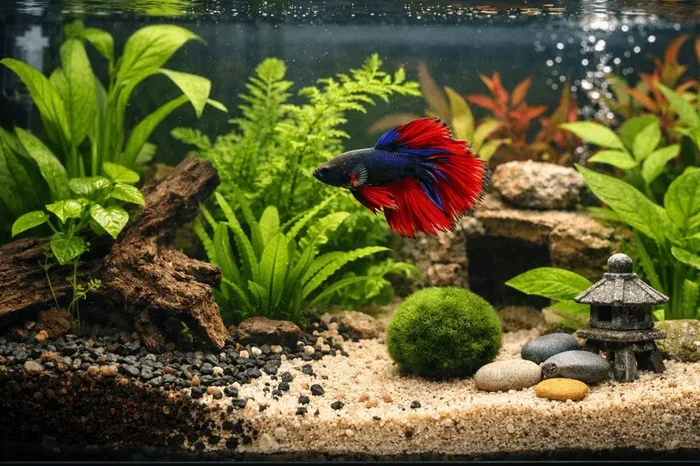
How to Choose Betta Fish

Choosing the right betta fish starts with spotting health signs, understanding color varieties, and matching temperament to your lifestyle. This guide walks you through every step—from selecting a healthy betta at the store to preparing the ideal tank—so you can enjoy a vibrant, thriving companion.
Key Takeaways
- Health first: Look for bright eyes, intact fins, and active swimming to ensure you’re buying a healthy betta.
- Know the gender: Males are more colorful and aggressive; females are less flamboyant but can live in sororities.
- Tank matters: A minimum 5‑gallon filtered tank with heater and cover gives your betta space to thrive.
- Color & tail type: Choose a pattern you love, but remember some varieties need extra care.
- Acclimation is key: Properly acclimate your new fish to avoid stress and illness.
- Research before buying: Use trusted resources like our guide on how to choose a healthy betta fish to avoid common pitfalls.
- Long‑term commitment: Betta care includes regular water changes, feeding, and health checks.
📑 Table of Contents
- Introduction: Why Picking the Right Betta Matters
- 1. Spotting a Healthy Betta at the Store
- 2. Understanding Betta Gender and Temperament
- 3. Choosing the Right Color and Tail Type
- 4. Setting Up the Perfect Home Before You Buy
- 5. Feeding and Ongoing Care
- 6. Long‑Term Considerations and Common Mistakes
- Conclusion: Bring Home a Betta You’ll Love
Introduction: Why Picking the Right Betta Matters
Betta fish, also called Siamese fighting fish, are tiny dynamos of color and personality. Their dazzling fins and bold behavior make them a favorite for beginners and seasoned aquarists alike. But not every betta you see in a pet store is ready for a happy life in your home. Choosing a healthy, compatible betta from the start can save you weeks of frustration, costly vet visits, and a sad goodbye.
In this article we’ll walk through the entire decision‑making process. You’ll learn how to read a betta’s body language, what to ask a retailer, how to match a fish’s temperament to your schedule, and how to set up the perfect environment before you even bring the fish home. By the end, you’ll feel confident that you’ve selected the best possible betta for your space.
1. Spotting a Healthy Betta at the Store
Look at the eyes
Clear, bright eyes are a tell‑tale sign of health. Avoid bettas with cloudy, sunken, or bulging eyes—these can indicate infection or poor water quality.

Visual guide about How to Choose Betta Fish
Image source: justmylook.com
Check the fins
Fins should be whole, smooth, and free of ragged edges. Torn, frayed, or ragged fins often point to fin rot, a common problem in stressed or sick fish. A quick visual inspection can save you a lot of trouble later.
Examine the body shape
A healthy betta has a streamlined, slightly elongated body. Look for a firm, upright posture. A sagging belly or bloated abdomen may be a sign of dropsy or swim‑bladder issues. For more details on dropsy, see our article on how to tell if a betta fish is dying.
Observe swimming behavior
When the tank lid is lifted, a healthy betta will swim actively, exploring the water column. If it stays at the bottom, clings to decorations, or appears lethargic, the fish may be stressed or ill.
Smell the water
Freshwater should have little to no odor. A strong, sour, or ammonia smell indicates poor tank maintenance, which can affect the fish’s health.
2. Understanding Betta Gender and Temperament
Male vs. female differences
Male bettas are famous for their vibrant colors and long, flowing tails. They are also more territorial and should be kept singly. Females are generally smaller, with shorter fins and less vivid coloration, but they can coexist in groups called sororities if given enough space.

Visual guide about How to Choose Betta Fish
Image source: m.media-amazon.com
How to tell the gender
Look for the “egg spot” (a small white dot) on the underside of a female’s belly. Males have a broader, more pronounced dorsal fin and a hooked “beard” (ventral fins). For a deeper dive, read how to tell the gender of a betta fish.
Temperament matching
If you’re a busy professional, a male betta’s independent nature may suit you, provided you maintain a regular feeding schedule. If you enjoy interactive fishkeeping and want to watch social dynamics, a female sorority can be fascinating, though it requires a larger tank and careful monitoring.
3. Choosing the Right Color and Tail Type
Popular color varieties
- Solid colors: Red, blue, or black—classic and easy to spot.
- Multicolor (marble, koi): Swirls of different hues; stunning but may fade with age.
- Metallic and opalescent: Shimmering scales that catch the light.
Tail types and care considerations
- Veil tail: Long and flowing; beautiful but prone to damage.
- Half‑moon: Wide, semi‑circular; requires gentle water flow.
- Plakat: Short, stubby tail; ideal for beginners because it’s sturdier.
- Delta and Crowntail: Elegant, but the delicate extensions can snag on decorations.
When selecting a tail type, think about your tank setup. Strong currents can tear delicate fins, so a low‑flow filter or sponge filter is best for veil and half‑moon bettas.

Visual guide about How to Choose Betta Fish
Image source: p9.qhimg.com
4. Setting Up the Perfect Home Before You Buy
Tank size and shape
Contrary to myth, bettas need more than a tiny bowl. A minimum of 5 gallons provides enough swimming room and helps maintain stable water parameters.
Filtration and heating
Betta fish thrive at 76‑82°F (24‑28°C). A reliable heater is essential. Choose a gentle filter—sponge or low‑flow hang‑on‑back—to keep water clean without creating strong currents that stress the fish.
Substrate and décor
Fine gravel or sand works well, but avoid sharp edges. Add live or silk plants for hiding spots; bettas love to rest on broad leaves. Driftwood and smooth rocks add visual interest and places to rest their fins.
Water parameters
- pH: 6.5–7.5
- Ammonia & nitrite: 0 ppm
- Nitrate: < 20 ppm
Test kits are inexpensive and help you keep the water stable. Regular partial water changes (≈25 % weekly) maintain water quality.
Acclimation process
When you bring your betta home, float the sealed bag in the tank for 15‑20 minutes to equalize temperature. Then slowly add tank water to the bag over 30 minutes before gently releasing the fish. For a step‑by‑step guide, see how to acclimate a betta fish.
5. Feeding and Ongoing Care
Choosing the right diet
High‑quality betta pellets should be the staple—look for ingredients like krill or mosquito larvae. Supplement with occasional frozen or live foods (brine shrimp, daphnia) to boost color and health.
Feeding schedule
Feed 2–3 small meals per day for juveniles, and 1–2 meals for adults. Overfeeding leads to cloudy water and digestive issues.
Health checks
Weekly visual inspections for torn fins, white spots, or abnormal swimming can catch problems early. If you notice signs of fin rot, dropsy, or other illnesses, consult our troubleshooting pages such as how to tell if a betta fish is dying.
Cleaning routine
Perform a 25 % water change every week, scrub algae from the glass, and rinse any décor with dechlorinated water. Avoid using soaps or chemicals.
6. Long‑Term Considerations and Common Mistakes
Overcrowding myths
While bettas can live with certain peaceful species (like small shrimp or snails), they should never share a small bowl. Overcrowding leads to stress and aggression.
Temperature swings
Even a 2‑degree drop can cause a betta to become lethargic. Keep the heater set within the recommended range and use a thermostat to avoid fluctuations.
Ignoring water quality
Clear water does not always mean safe water. Test regularly; invisible ammonia spikes can be lethal.
Choosing based on price alone
Very cheap bettas often come from overcrowded farms and may have hidden health issues. Investing a little more in a reputable store increases the odds of a healthy, vibrant fish.
Conclusion: Bring Home a Betta You’ll Love
Choosing the right betta fish is a blend of science and intuition. By focusing on health indicators, understanding gender and temperament, selecting a tail type you adore, and preparing a stable tank, you set the stage for a thriving, colorful companion. Remember, the effort you put in before the first splash pays off in a happy, active betta that brightens your day for years to come.
Now that you’re equipped with the know‑how, head to your local pet store, use the checklist we’ve provided, and enjoy the excitement of bringing a new betta into your home. Happy fish‑keeping!
Frequently Asked Questions
What are the most important signs of a healthy betta?
Bright eyes, intact smooth fins, an upright posture, active swimming, and clear water are the top indicators of health.
Can I keep a male betta with other fish?
Male bettas are highly territorial and should be housed alone, unless the tank is large enough and the tank mates are truly peaceful and non‑fin‑nipping.
How often should I change the water in a betta tank?
Replace about 25 % of the water weekly, and perform a full water change every 4‑6 weeks, testing parameters each time.
Do bettas need a heater?
Yes. Betta fish are tropical and thrive at 76‑82°F (24‑28°C). A reliable heater with a thermostat is essential.
What should I feed my betta to keep its colors vibrant?
High‑quality betta pellets supplemented with occasional frozen or live foods like brine shrimp or daphnia help maintain bright coloration.
Is a small bowl ever okay for a betta?
While a bowl can be a short‑term holding container, a minimum 5‑gallon tank is needed for long‑term health, water stability, and enrichment.