What Temp Do Betta Fish Like

Betta fish thrive in warm, stable water, ideally between 76°F and 82°F (24°C‑28°C). Maintaining this range supports their immune system, coloration, and overall happiness. Use a reliable heater and monitor the temperature regularly to prevent stress and disease.
Key Takeaways
- Ideal range: 76‑82°F (24‑28°C) keeps bettas active and colorful.
- Stability matters: Sudden swings of more than 2‑3°F can stress or kill a betta.
- Heater choice: Submersible heaters with a built‑in thermostat are most reliable.
- Regular checks: Use a digital aquarium thermometer at least twice daily.
- Seasonal tips: Adjust heating in winter and avoid over‑heating in summer.
- Tank size impact: Smaller tanks lose heat faster; larger tanks hold temperature better.
- Water quality link: Proper temperature supports beneficial bacteria and reduces ammonia spikes.
📑 Table of Contents
- Introduction: Why Temperature Is the Heartbeat of Betta Care
- 1. The Goldilocks Zone: Ideal Temperature Range
- 2. Choosing the Right Heater
- 3. Monitoring Temperature: Tools and Techniques
- 4. Seasonal Adjustments and Room Temperature
- 5. Temperature’s Impact on Betta Health and Behavior
- 6. Common Temperature Mistakes and How to Fix Them
- Conclusion: Keep It Warm, Keep It Happy
Introduction: Why Temperature Is the Heartbeat of Betta Care
Imagine trying to run a marathon in a freezer. That’s how a betta feels when its water is too cold. These little Southeast Asian fighters are native to warm, shallow rice paddies where the water stays comfortably tropical year‑round. In the home aquarium, replicating that cozy environment is the single most important factor for a happy, healthy betta.
In this guide we’ll walk through the exact temperature range bettas love, how to achieve and maintain it, and what to do when the thermostat goes rogue. By the end you’ll be able to set up a perfect thermal home for your finned friend—no PhD in marine biology required.
1. The Goldilocks Zone: Ideal Temperature Range
What scientists say
Research on Betta splendens shows optimal metabolic function between 76°F and 82°F (24°C‑28°C). Below 72°F (22°C) the fish’s immune response drops, making them prone to fungal infections. Above 86°F (30°C) oxygen levels dip and stress hormones spike.

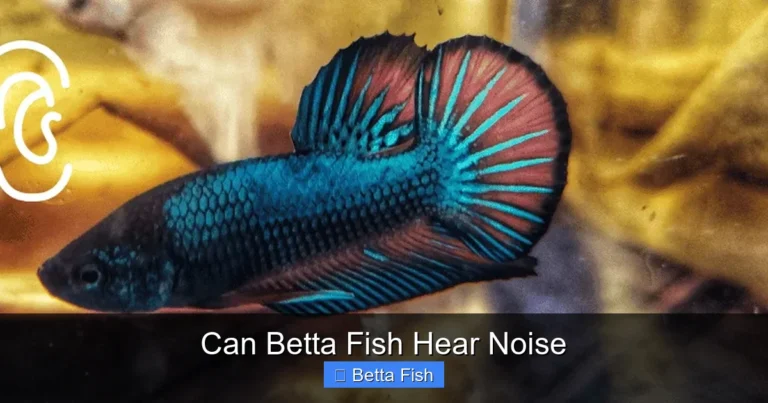
Visual guide about What Temp Do Betta Fish Like
Image source: i.ytimg.com
How the range translates to your tank
- 76‑78°F (24‑26°C): Perfect for most beginners; color is vibrant and activity steady.
- 78‑80°F (26‑27°C): Enhances breeding behavior—males build larger bubble nests.
- 80‑82°F (27‑28°C): Ideal for tropical community tanks when housed with compatible species.
For a deeper dive on temperature specifics, see our article on what temperature should water be for a betta fish.
2. Choosing the Right Heater
Types of heaters
There are three main heater styles:

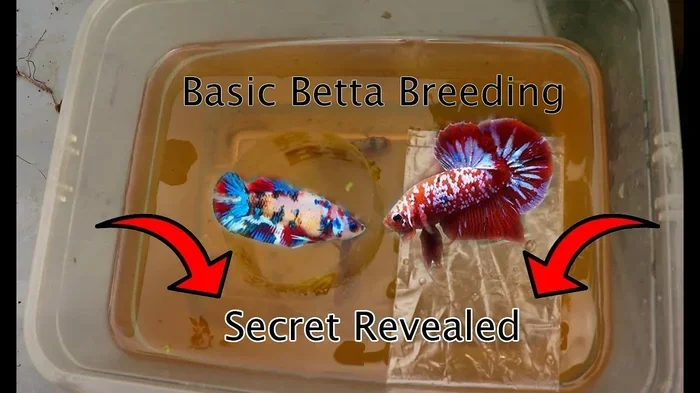
Visual guide about What Temp Do Betta Fish Like
Image source: images.imyfone.com
- Submersible: Fully waterproof, sits at the bottom, most accurate.
- Immersible: Clips onto the side, good for larger tanks.
- Inline: Fits into the filter line, great for sleek setups.
Wattage matters
Rule of thumb: 2‑5 watts per gallon. A 5‑gallon tank needs a 10‑25 W heater. Oversized heaters cause hot spots; undersized ones can’t keep up on cold nights.
Installation tip
Place the heater near a water flow source (like a filter outlet) to distribute heat evenly. Always use a thermostat‑controlled model and never leave the heater unattended for more than a few weeks.
3. Monitoring Temperature: Tools and Techniques
Digital vs. glass thermometers
Digital stick‑on or probe thermometers give precise readings (±0.5°F). Glass strip thermometers are cheap but can be inaccurate after a few weeks of use.

Visual guide about What Temp Do Betta Fish Like
Image source: temp.now
How often to check
Check twice daily—morning and evening—especially after adding new equipment or during seasonal changes.
Setting up a temperature alarm
Many modern heaters have built‑in alarms that sound if temperature deviates beyond 2°F. Pair this with a smartphone‑compatible probe for remote alerts.
4. Seasonal Adjustments and Room Temperature
Winter: Keeping the heat in
Cold rooms can pull heat out of the tank faster than the heater can replace it. Insulate the back of the aquarium with a foam board or use a tank cover to trap warmth.
Summer: Preventing overheating
Direct sunlight is a silent temperature enemy. Position the tank away from windows and consider a small fan blowing across the surface to increase evaporation (which cools the water).
Room temperature guidelines
Keep the room between 70°F and 78°F (21‑26°C). If the room temperature swings wildly, a thermostat‑controlled heater becomes essential.
5. Temperature’s Impact on Betta Health and Behavior
Immune system
At the ideal range, the betta’s white blood cells function efficiently, reducing the risk of ich and velvet disease.
Color intensity
Warmer water (78‑82°F) often makes a male’s fins glow brighter, a sign of good health. If colors fade, first check the temperature.
Breeding cues
Male bettas start building bubble nests when water sits around 80°F for several days. Consistent temperature mimics the rainy season in their native habitat.
For more on breeding conditions, read our piece on what do betta fish eggs look like.
6. Common Temperature Mistakes and How to Fix Them
Over‑heating
Signs: Lethargy, rapid gill movement, loss of color. Solution: Lower heater setting by 2°F, add a small fan, or replace a high‑watt heater with a lower‑watt model.
Cold shock
Signs: Erratic swimming, clamped fins. Solution: Gradually raise temperature by 1°F per hour using a secondary heater or a warm water bath.
Thermostat failure
Never rely on a single device. Keep a backup thermometer and test the heater weekly by adjusting the set point and watching the readout.
Conclusion: Keep It Warm, Keep It Happy
Betta fish are resilient, but they thrive when you respect their tropical roots. Maintaining a steady 76‑82°F (24‑28°C) with a reliable heater, regular monitoring, and seasonal tweaks will give your betta the best chance at a long, colorful life. Remember, temperature isn’t just a number—it’s the foundation of health, color, and behavior. Keep it right, and your betta will reward you with dazzling flares and playful fins for years to come.
Frequently Asked Questions
What temperature range is safest for a betta fish?
The safest range is 76°F‑82°F (24°C‑28°C). Staying within this window supports immunity, coloration, and normal activity.
Can a betta survive in cooler water?
Betas can survive short periods down to 72°F (22°C), but prolonged cold stress weakens their immune system and can lead to illness.
Do I need a heater for a small betta tank?
Yes. Even a 2‑gallon tank loses heat quickly. A small submersible heater (25‑50 W) with a thermostat will keep the water stable.
How often should I check my betta’s water temperature?
Check at least twice daily—once in the morning and once in the evening—and after any major changes like adding new equipment.
What can I do if my tank gets too warm?
Move the tank away from direct sunlight, add a gentle fan to increase surface evaporation, or lower the heater setting by a few degrees.
Will a higher temperature make my betta’s colors brighter?
Generally, yes. Temperatures near the upper end of the ideal range (80‑82°F) often enhance fin coloration, especially in males during breeding season.