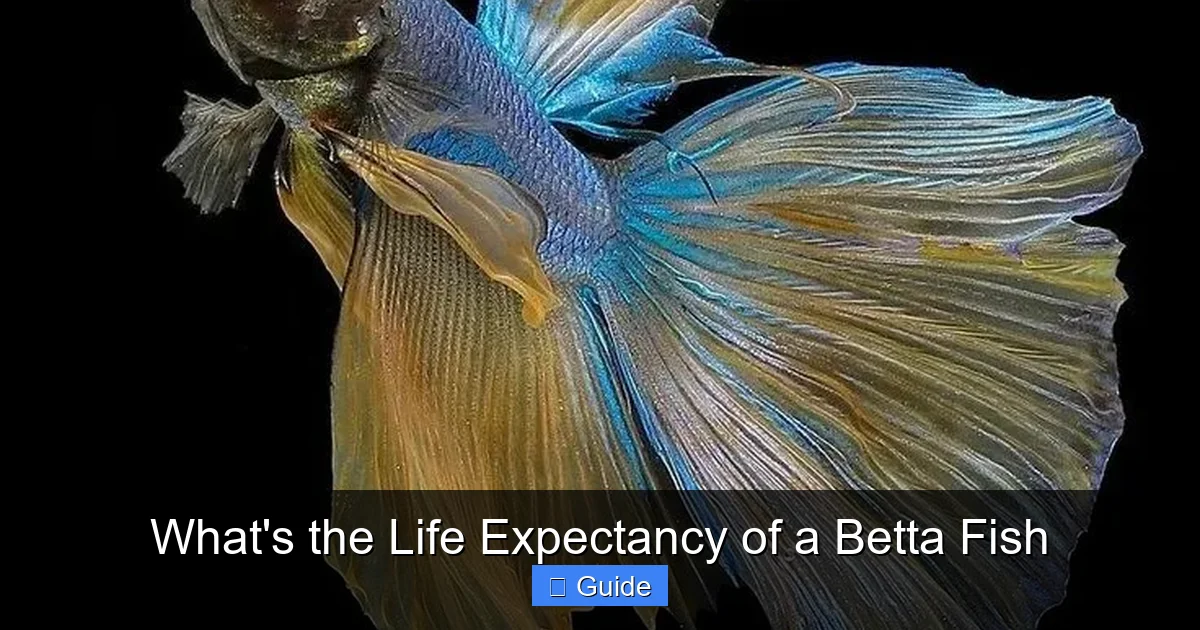
What’s the Life Expectancy of a Betta Fish
The average life expectancy of a betta fish is 2-5 years in captivity, but with exceptional care, they can live 7-10 years or more. Their lifespan is not set in stone; it is directly influenced by critical factors like water quality, tank size, diet, genetics, and overall health management. Moving beyond the misleading “bowl” myth and providing a proper, stable environment is the single most important thing you can do to give your betta a long, thriving life.
Key Takeaways
- Average vs. Potential Lifespan: While the average is 2-5 years, proactive, high-quality care can consistently push bettas into the 7-10 year range, with rare outliers living longer.
- Water Quality is Non-Negotiable: Clean, warm, dechlorinated water with stable parameters is the foundation of betta health. Frequent, small water changes are more effective than infrequent large ones.
- Tank Size & Setup Matter: A filtered, heated tank of at least 5 gallons is the absolute minimum. A small, unheated bowl is a guaranteed path to a shortened life.
- Diet is More Than Just Pellets: A varied diet of high-quality pellets, supplemented with frozen or live foods (like brine shrimp or daphnia), provides essential nutrients and prevents obesity and constipation.
- Genetics & Source Play a Role: Bettas from reputable breeders or stores with healthy stock have a genetic advantage. Avoid fish showing signs of stress, injury, or fin rot at the point of purchase.
- Stress is a Silent Killer: Chronic stress from poor water, aggressive tank mates, boredom, or improper handling weakens the immune system, making bettas susceptible to disease.
- Observation is Your Best Tool: Daily checks for changes in activity, appetite, color, and fin condition allow for early detection and treatment of health issues, dramatically improving outcomes.
📑 Table of Contents
- Understanding the True Life Expectancy of a Betta Fish
- The Pillars of Longevity: Key Factors That Influence Lifespan
- Building a Thriving Habitat: The Complete Betta Fish Care Guide
- Myth vs. Reality: What Really Affects a Betta’s Years
- Recognizing Aging and Providing End-of-Life Comfort
- Conclusion: Your Betta’s Lifespan is in Your Hands
Understanding the True Life Expectancy of a Betta Fish
So, you’ve brought home a beautiful betta fish, with its flowing fins and vibrant colors, and you’re wondering: “How long will my new friend be with me?” It’s one of the most common questions for new betta owners, and the answer is more nuanced than a simple number. The life expectancy of a betta fish is a spectrum, heavily dependent on the care it receives. In the best-case scenario, with optimal conditions, your betta can be a companion for many years. In the worst-case scenario, often seen in the infamous “betta in a bowl” setup, their life is tragically short.
The commonly cited average lifespan for a betta fish in captivity is 2 to 5 years. However, this number represents a wide range of care levels. Many bettas, purchased from big-box stores and kept in tiny, unheated containers, may only survive 1-2 years. Conversely, with dedicated, informed ownership—providing a proper aquarium, pristine water, a nutritious diet, and low stress—it is entirely possible for a betta to live 7, 8, or even 10+ years. There are documented cases of bettas reaching 12-14 years, though these are exceptional. Your betta’s “life clock” starts ticking from the moment it hatches, so the age you get it from the store is already a factor. A young, vibrant fish has more potential years ahead than an older, more subdued one. Ultimately, the life expectancy of your betta fish is a direct reflection of the environment and care you provide. This guide will unpack every factor that influences that timeline, empowering you to maximize the years you have with your aquatic buddy.
The Pillars of Longevity: Key Factors That Influence Lifespan
Think of your betta’s lifespan as a building. Its potential height is determined by its genetics (the blueprint), but the actual structure’s strength and durability depend entirely on the materials and maintenance you provide. Several critical pillars support a long, healthy life. Neglecting any one of them can shorten your betta’s years significantly. Let’s break down these fundamental influences.
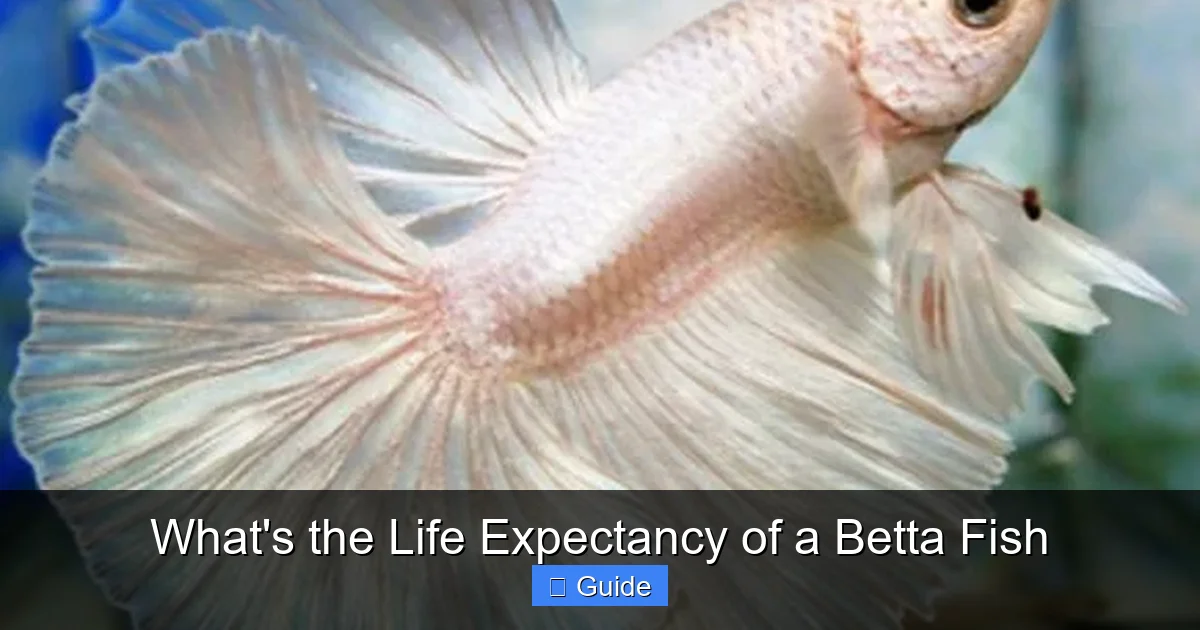
Visual guide about What’s the Life Expectancy of a Betta Fish
Image source: iqss.eu
Genetics and the Source: The Starting Point
You cannot change your betta’s genetics, but you can choose wisely from the start. Bettas bred for generations in poor conditions or for extreme, unhealthy physical traits (like excessively large, heavy fins that impede swimming) may have weaker constitutions. A betta sourced from a responsible breeder or a reputable aquarium store that prioritizes fish health over flashy colors is starting with a better genetic foundation. When selecting your fish, look for one that is active, has undamaged fins, clear eyes, and no signs of fungal or bacterial infections (like white spots, fuzzy patches, or clamped fins). The healthiest-looking fish at the store is often the one with the strongest immune system and greatest longevity potential.
The Tank Environment: More Than Just a Container
This is the most misunderstood and impactful factor. The persistent myth that bettas can live happily in small, unfiltered bowls is the primary reason for their short average lifespan. Bettas are tropical fish native to the shallow, warm, slow-moving waters of Thailand’s rice paddies and floodplains. While these waters are shallow, they are vast, filled with plants, and have a complex, stable ecosystem. They are not stagnant puddles. A proper tank setup mimics this environment.
- Tank Size: A 5-gallon tank is the absolute minimum for a single betta. This provides enough room for stable water parameters, exploration, and exercise. Larger is always better. A 10-gallon tank offers even more stability and space.
- Heating: Bettas require warm water, ideally between 78°F and 80°F (25.5°C – 26.5°C). A small, adjustable aquarium heater is essential. Cold water slows their metabolism, suppresses their immune system, and leads to lethargy and disease like dropsy.
- Filtration: A gentle filter is crucial. It houses beneficial bacteria that process toxic ammonia and nitrite from fish waste into less harmful nitrate. It also keeps the water clear and oxygenated. Choose a filter with an adjustable flow, as bettas’ long fins make them poor swimmers in strong currents.
- Decor & Hiding Spots: Live or silk plants, caves, and other decorations provide mental stimulation, reduce stress, and offer resting places near the water’s surface (where bettas prefer to sleep). Avoid sharp decorations that can tear delicate fins.
Water Quality: The Single Most Important Daily Task
Even in a perfectly sized, heated, and filtered tank, water quality is paramount. The nitrogen cycle must be fully established before adding your betta. This process, which takes 4-6 weeks, cultivates bacteria that consume toxic fish waste. Once the cycle is complete, regular maintenance is key.
- Water Changes: Perform weekly water changes of 25-50%. This dilutes nitrates and other dissolved wastes that the filter cannot remove. Use a gravel vacuum to clean the substrate. Never change 100% of the water at once, as this destroys beneficial bacteria and shocks the fish with sudden parameter shifts.
- Dechlorination: Always treat tap water with a reliable water conditioner that neutralizes chlorine, chloramines, and heavy metals. These chemicals are lethal to fish and beneficial bacteria alike.
- Testing: Use a liquid test kit (not strips) to regularly check Ammonia, Nitrite, Nitrate, and pH. Ammonia and nitrite should always be at 0 ppm. Nitrate should be kept below 20 ppm.
Poor water quality is the direct cause of ammonia poisoning, fin rot, and chronic stress, all of which drastically shorten a betta’s life.
Diet and Nutrition: Fuel for a Long Life
You are what you eat, and the same is true for your betta. As a carnivore (insectivore, to be precise), a betta’s diet must be protein-rich and varied.
- Staple Food: High-quality betta-specific pellets or granules should make up the base of their diet. Look for brands with whole fish or seafood as the first ingredient.
- Variety is Key: Supplement the pellets 2-3 times a week with frozen or live foods. Excellent options include brine shrimp, daphnia, bloodworms, and mysis shrimp. Daphnia is particularly good as a natural laxative to prevent constipation, a common issue in bettas.
- Feeding Schedule & Quantity: Feed small amounts 1-2 times daily. A betta’s stomach is roughly the size of its eye. Overfeeding is a major cause of obesity, constipation, and poor water quality from uneaten food decaying. A good rule: feed only what they can consume in 2-3 minutes.
A营养不良 or obese betta is a weak betta, prone to disease and a shorter lifespan.
Health Management and Disease Prevention
Prevention is infinitely better than cure. A strong immune system, bolstered by the factors above, is the best defense. However, being able to spot early signs of illness is critical.
- Common Ailments: Know the signs of fin rot (torn, fraying, discolored fins), ich (white salt-like spots), dropsy (pinecone-like scales, severe bloating), and velvet (golden or rust-colored dusting).
- Quarantine: Any new fish, plants, or decorations should be quarantined separately before introducing them to your main tank to prevent introducing pathogens.
- Immediate Action: At the first sign of illness, isolate the betta in a hospital tank. Research the specific disease and treat accordingly with appropriate medications (like aquarium salt for mild external issues, or specific antibiotics for bacterial infections). Always follow dosage instructions carefully.
Early intervention can mean the difference between life and death, directly impacting overall lifespan.
Building a Thriving Habitat: The Complete Betta Fish Care Guide
Now that we’ve outlined the “why,” let’s dive into the “how.” Creating an environment where your betta can not just survive but truly thrive is a step-by-step process. This is your actionable blueprint for maximizing the life expectancy of your betta fish.
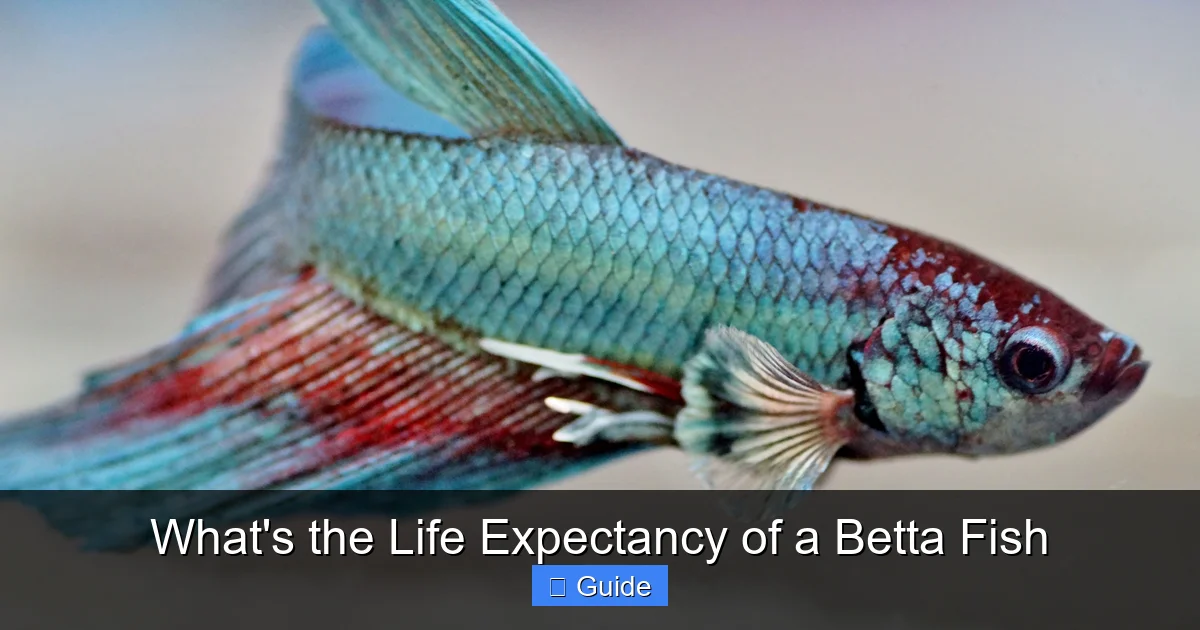
Visual guide about What’s the Life Expectancy of a Betta Fish
Image source: i.pinimg.com
Tank Setup: The Foundation
Start with the right equipment. For a single betta, a 5-gallon tank kit is a great starting point. Ensure it includes:
- A Filter: A sponge filter is an excellent, gentle choice for bettas. It provides biological filtration and surface agitation without a strong current. Hang-on-back (HOB) or internal power filters with adjustable flow settings also work well.
- A Heater: A 25-50 watt submersible heater with an automatic thermostat is necessary for a 5-gallon tank. Always use a thermometer to verify the actual water temperature.
- A Secure Lid: Bettas are labyrinth fish and can jump. A tight-fitting lid is essential to prevent escape.
- Substrate: Sand or smooth gravel is ideal. Avoid sharp edges.
- Plants & Decor: Use live plants like Anubias, Java Fern, or Marimo Moss Balls. They improve water quality and provide natural cover. Add a silk or live plant that reaches the surface for your betta to rest and build bubble nests (a sign of a happy, healthy fish!).
Establishing and Maintaining the Nitrogen Cycle
This is the most critical technical step. Before adding your betta, you must “cycle” the tank. This means setting up the filter and heater, adding a source of ammonia (like fish food, pure ammonia, or a bacteria starter), and testing the water daily for 4-6 weeks. You will witness the rise and fall of ammonia and nitrite, followed by the appearance and rise of nitrate. Only when ammonia and nitrite read 0 ppm and nitrate is present is the cycle complete. This establishes a colony of beneficial bacteria that will protect your fish from its own waste. Adding a betta to an uncycled tank is a death sentence, as ammonia burns are fatal and extremely stressful.
A Daily and Weekly Care Routine
Consistency is key to long-term health.
- Daily: Observe your betta for 5-10 minutes. Is it active? Eating well? Are its fins intact? Is its color bright? Check the filter and heater are functioning.
- Weekly: Perform a 25-30% water change using a gravel vacuum. Test water parameters (Ammonia, Nitrite, Nitrate, pH). Clean the glass with an algae pad or magnetic cleaner. Rinse mechanical filter media (like sponge or floss) in the old tank water you’ve removed during the water change—never under tap water, as it kills beneficial bacteria.
- Monthly: Deep clean the filter media more thoroughly, replace carbon if used, and prune live plants if necessary.
Enrichment and Stress Reduction
A bored betta is a stressed betta. Enrichment is part of care.
- Companionship: Bettas are solitary and territorial. Male bettas must be kept alone. Female bettas can sometimes be kept in carefully monitored “sorority” tanks of 5+ females in a large, heavily planted setup, but this is advanced. Avoid all other fish with long, flowing fins (like guppies) that may trigger aggression. Safe tank mates for a single male in a 10+ gallon tank include small, fast schooling fish like neon tetras or harlequin rasboras, and bottom dwellers like corydoras catfish or khuli loaches. Always research compatibility thoroughly.
- Toys: Bettas can be curious. A floating ping-pong ball, a smooth mirror (for short periods to encourage flaring, which is exercise), or a betta log can provide stimulation.
- Consistent Routine: Fish thrive on predictability. Feed at the same times each day. Avoid sudden loud noises or vibrations near the tank.
Myth vs. Reality: What Really Affects a Betta’s Years
Misinformation is the biggest enemy of the betta fish. Let’s dismantle the most pervasive myths that directly contribute to a shortened life expectancy.
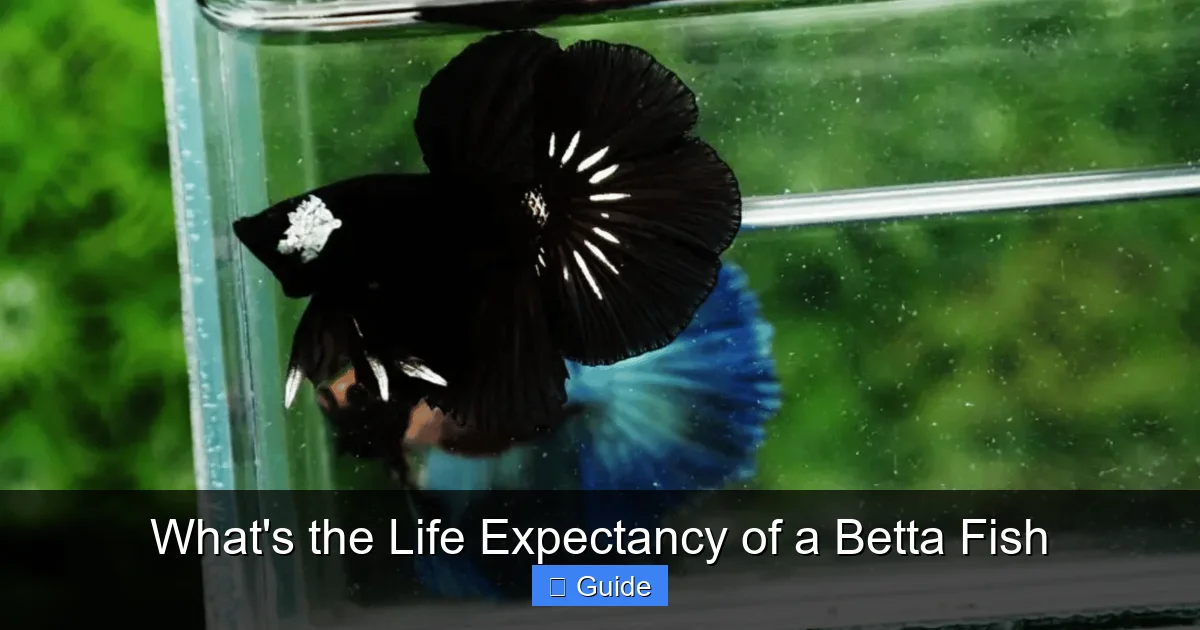
Visual guide about What’s the Life Expectancy of a Betta Fish
Image source: nicebettathailand.com
Myth 1: “Bettas Can Live Happily in Small Bowls”
Reality: This is the most damaging myth. A small bowl (under 2 gallons) has no water volume to dilute toxins, cannot accommodate a heater or filter, and experiences rapid temperature and pH swings. It is a toxic, stressful prison. The “bowl” is a marketing gimmick, not a suitable home. This setup typically leads to a lifespan of 1-2 years.
Myth 2: “Bettas Are Low-Maintenance Pets”
Reality: “Low-maintenance” compared to a dog or cat? Perhaps. “No-maintenance”? Absolutely not. They require the same fundamental care as any other tropical fish: stable temperature, clean water, proper diet, and environmental enrichment. The maintenance is different, not less. Neglecting any of these pillars leads to suffering and an early death.
Myth 3: “Bettas Don’t Need Filters Because They Breathe Air”
Reality: While bettas have a labyrinth organ allowing them to gulp atmospheric air, this is an adaptation for surviving in low-oxygen wild waters, not a substitute for filtration. A filter performs the vital task of biological filtration (housing bacteria that process toxic ammonia). Without it, ammonia from fish waste will build up rapidly and poison your betta, regardless of its ability to breathe air from the surface.
Myth 4: “You Should Feed Bettas as Much as They’ll Eat”
Reality: Overfeeding is a leading cause of betta health problems. It leads to constipation, swim bladder disorder, obesity, and catastrophic water quality issues as uneaten food decomposes. A betta’s stomach is tiny. Feed sparingly, 1-2 times a day, and remove any uneaten food after a few minutes.
Recognizing Aging and Providing End-of-Life Comfort
As your betta enters its senior years (typically around 4-5 years old, depending on its starting age), you’ll notice changes. Understanding these helps you adjust care and provide comfort.
Physical and Behavioral Signs of Aging
An aging betta may:
- Have faded colors.
- Develop frayed or torn fins more easily.
- Be less active, spending more time resting on plants or the tank bottom.
- Have a reduced appetite or be slower to react to food.
- Have cloudy eyes (a common age-related change, not necessarily disease).
- Build fewer or smaller bubble nests.
These are normal signs of aging, not necessarily illness. However, any sudden change should be investigated.
Adjusting Care for Senior Bettas
For your elderly companion:
- Easier Access to Food: Use a feeding ring or place food directly in front of them if mobility is an issue.
- Softer Water Flow: Ensure the filter output is very gentle or temporarily turn it off during feeding if swimming is difficult.
- Warmer Water: Slightly increasing the temperature to the upper end of their range (80°F/26.5°C) can help with metabolism and digestion, but do so gradually.
- Easier Resting Spots: Add broad leaves or a betta hammock near the surface where they can rest without effort.
- Gentler Water Changes: Be extra careful during water changes to avoid startling them. Use a slower flow from the siphon.
The goal shifts from promoting growth to ensuring comfort, minimizing stress, and maintaining water quality to prevent additional health burdens. When quality of life declines significantly (inability to eat, chronic distress, disease unresponsive to treatment), humane euthanasia using clove oil is the kindest final act of care.
Conclusion: Your Betta’s Lifespan is in Your Hands
The question “What’s the life expectancy of a betta fish?” does not have a single answer. The number on the clock is a variable you directly control. While genetics set a baseline range, the day-to-day reality of your betta’s life—the temperature of its water, the cleanliness of its home, the quality of its food, the absence of chronic stress—will determine whether it thrives for a few short years or blossoms into a vibrant, long-lived companion. Moving beyond the outdated bowl myth and committing to the simple, science-backed pillars of fishkeeping—proper cycling, adequate tank size, reliable heating and filtration, consistent water changes, and a nutritious diet—is the promise you make when you bring a betta into your life. By providing this level of care, you are not just extending the years on a calendar; you are enriching every single one of them. You are giving your betta the opportunity to display its full personality, its stunning colors, and its fascinating behaviors for as long as possible. That is the true measure of success as a betta keeper. Your betta’s long, healthy life starts with the choices you make today.
Frequently Asked Questions
What is the actual average life expectancy of a betta fish in a good home?
With proper care in a filtered, heated tank of at least 5 gallons, a high-quality diet, and clean water, the average life expectancy of a betta fish is 5 to 7 years. Many dedicated owners consistently see their bettas live into their 8th or 9th year.
Can betta fish live for 10 years or more?
Yes, it is possible for a betta to live 10 years or more, though this is considered exceptional. Achieving this requires outstanding genetics (from a reputable source) and meticulous, unwavering care throughout its entire life, with no major disease outbreaks.
Why do betta fish from pet stores often die so quickly (within a year)?
>Pet store bettas often endure chronic stress from poor shipping conditions, overcrowded and cold display cups, and a lack of proper nutrition. This severely compromises their immune system before you even bring them home. When combined with the common mistake of keeping them in a small, unheated bowl, their life expectancy plummets to 1-2 years.
How can I tell if my betta is happy and healthy, indicating a potentially long life?
A happy, healthy betta will be active, swimming leisurely and exploring its environment. It will have bright, vibrant colors, long, flowing fins without tears or rot, and a hearty appetite. It will also build bubble nests at the water’s surface, a classic sign of a content male (and sometimes females). Lethargy, faded color, clamped fins, or a loss of appetite are red flags.
Is a bigger tank always better for a betta’s lifespan?
Generally, yes. A larger volume of water (10 gallons or more) provides greater stability in water temperature, pH, and toxin levels. This reduces stress on the fish and makes the ecosystem more forgiving of occasional maintenance oversights, contributing to a longer, healthier life. However, a meticulously maintained 5-gallon tank is far superior to a neglected 20-gallon tank.
How often should I do water changes to maximize my betta’s life?
In a properly cycled, filtered tank, perform a 25-30% water change every week. This is the gold standard for maintaining pristine water quality. For very small, unfiltered “bowl” setups (which we strongly advise against), water changes would need to be 50% every other day, and even then, water quality would remain poor and unstable.