What Can Be in a Tank with Betta Fish
Bettas are often kept alone in tiny containers, but they thrive in properly stocked community tanks. With the right tankmates, plants, and setup, your betta can live a longer, healthier life. Avoid common mistakes like incompatible fish or poor water conditions to create a vibrant underwater world.
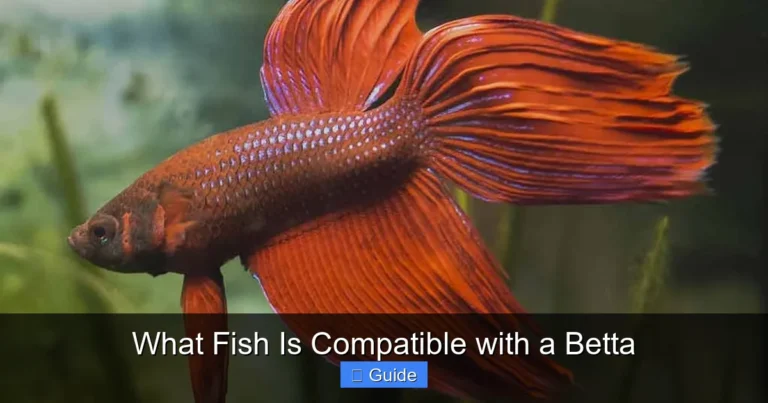
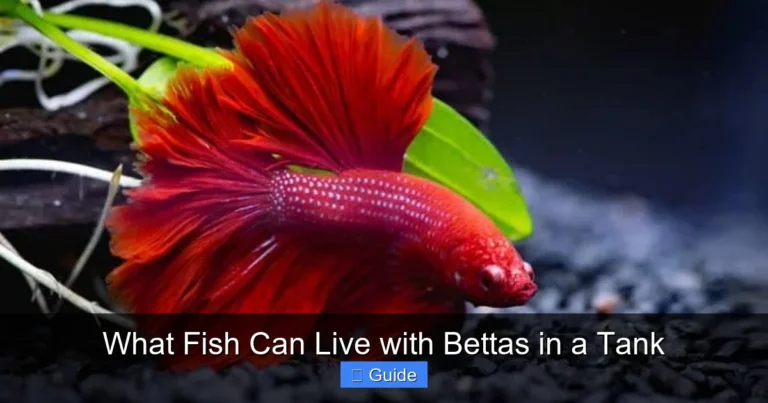
You’ve probably seen them: a solitary Betta splendens, its flowing fins gracefully drifting in a small glass vase on a desk or countertop. It’s an iconic image, but it’s also one of the most persistent and harmful myths in the aquarium hobby. The question of what can be in a tank with betta fish opens up a world of possibilities far beyond that lonely vase. Bettas are intelligent, curious, and often social creatures that can thrive in well-planned community setups. Creating a shared environment requires understanding their specific needs, territorial nature, and the delicate balance of a aquatic ecosystem. This guide will walk you through everything you can safely and successfully keep with your betta, from compatible fish and invertebrates to plants and decorations, while highlighting critical pitfalls to avoid.
Key Takeaways
- Bettas need proper housing: A minimum 5-gallon filtered and heated tank is essential, not a small vase or bowl.
- Choose peaceful, fast-swimming fish: Tankmates should be non-aggressive, have short fins, and occupy different tank levels to avoid bothering the betta.
- Invertebrates can be great companions: Shrimp and certain snails often work well, but there’s a risk the betta may eat them.
- Live plants and decor reduce stress: They provide hiding spots, improve water quality, and mimic a natural habitat, making the betta feel secure.
- Never house bettas with fin-nippers or aggressive fish: Species like tiger barbs or guppies will harass and injure a betta’s delicate fins.
- Water quality is non-negotiable: A cycled tank with stable parameters and regular maintenance is the foundation for any successful community.
- Research is crucial: Every betta has a unique personality; what works for one may not work for another, so be prepared to monitor and adjust.
📑 Table of Contents
- Debunking the “Betta in a Vase” Myth: Why a Community Tank is Better
- The Ideal Betta Tank Setup: The Foundation for Success
- Suitable Tankmates: Fish That Can Coexist with Bettas
- Invertebrate Companions: Shrimp, Snails, and More
- Live Plants and Decor: Creating a Stimulating and Safe Environment
- Dangers and Pitfalls: What NEVER to Put with a Betta
- Maintenance and Long-Term Care: Keeping the Peace
- Conclusion: Building a Thriving Underwater World
Debunking the “Betta in a Vase” Myth: Why a Community Tank is Better
The idea that Bettas, also known as Siamese fighting fish, are perfectly content in isolation within a tiny container is not just incorrect; it’s a recipe for a short, stressed life. Originating from the shallow, sprawling rice paddies and slow-moving streams of Southeast Asia, wild bettas are accustomed to vast, planted environments with ample space to explore, hunt insects, and interact with other non-aggressive fish. A vase or small bowl provides none of this. It lacks filtration, stable temperature, and space, leading to poor water quality, chronic stress, and a weakened immune system.
The Need for Space and Stimulation
A proper tank for a betta, whether it’s a solo male or part of a carefully chosen community, should be a minimum of 5 gallons, with 10 gallons or more being ideal. This space isn’t just about volume; it’s about creating zones. A betta needs a clear territory, often centered around a plant or decor, but also needs open swimming space. In a larger, planted tank, a betta will be more active, display natural behaviors like bubble-nesting (even without a female present), and interact with its environment. Introducing peaceful tankmates provides visual and behavioral stimulation, combating the boredom that leads to lethargy or depression in confined spaces.
Understanding Betta Temperament
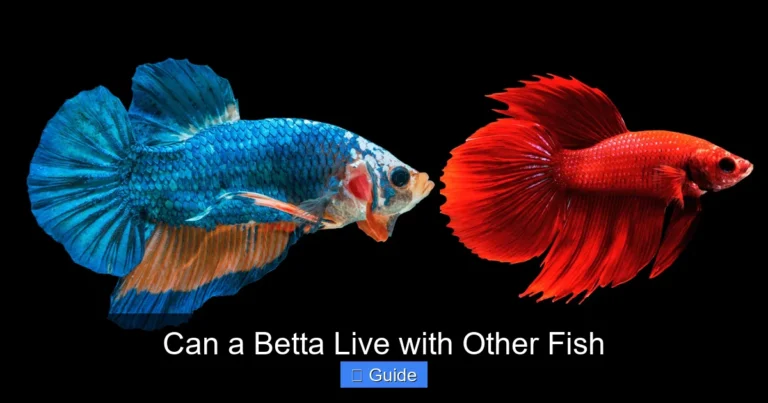
Not all bettas are created equal. While the species is known for male aggression toward other males, individual personalities vary widely. Some males are docile “gentlemen” who ignore most tankmates, while others are hyper-territorial and will flare (display their gills and fins aggressively) at any perceived intruder. Female bettas are generally less aggressive but can still be feisty. This individuality is why what can be in a tank with betta fish requires careful observation and a plan for separation if needed. Always have a backup “hospital” or quarantine tank ready.
The Ideal Betta Tank Setup: The Foundation for Success
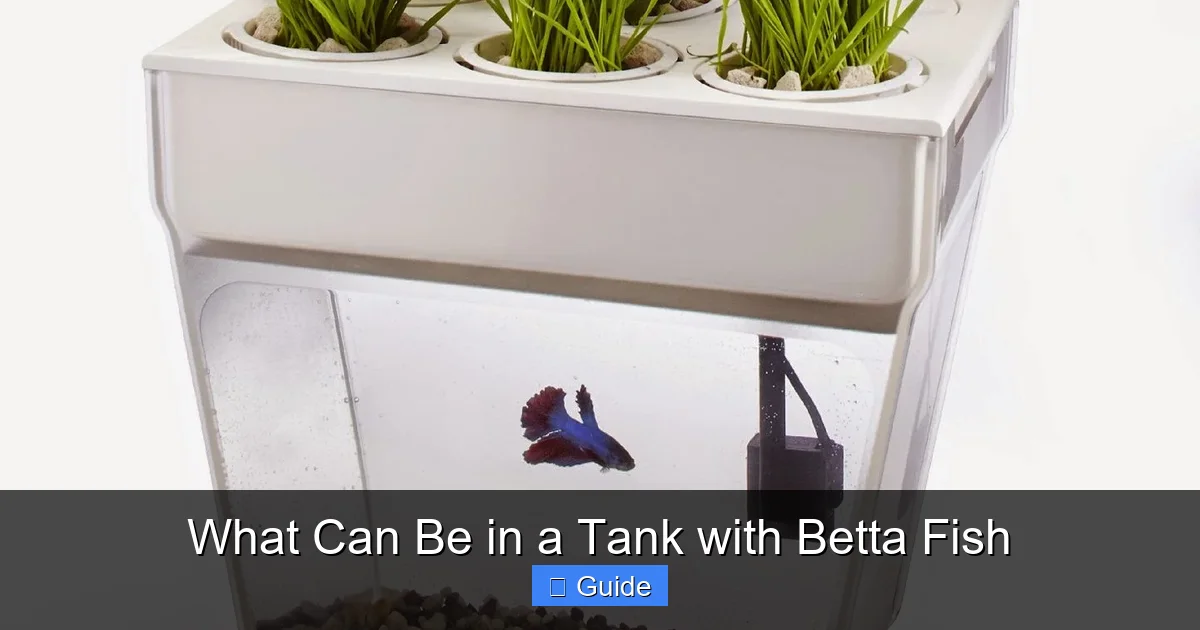
Before even considering tankmates, you must build a healthy, stable home. A poorly set up tank will fail regardless of how compatible your fish seem. The right environment is the single most important factor in determining if a community tank with a betta will succeed.
Visual guide about What Can Be in a Tank with Betta Fish
Image source: 2.bp.blogspot.com
Tank Size and Shape Matter
As mentioned, start with at least 5 gallons. A long, rectangular tank is preferable to a tall, narrow one. Bettas are labyrinth fish that need to gulp air from the surface, so a wide water surface area is crucial for proper oxygenation. A longer tank also provides more horizontal swimming space and makes it easier to establish distinct territories, reducing the chance of constant confrontation.
Heating and Filtration: Non-Negotiable Equipment
Bettas are tropical fish originating from waters around 78-82°F (25-28°C). A reliable aquarium heater is essential. Cold water slows their metabolism and makes them susceptible to diseases like ich. Filtration is equally vital. A gentle filter is key—strong currents will stress a betta, as they are not powerful swimmers. Look for filters with adjustable flow, or use a sponge filter, which provides excellent biological filtration with minimal current. The filter should process the tank’s volume at least 4-5 times per hour.
The Nitrogen Cycle: You Can’t Skip This
A cycled tank is one that has established colonies of beneficial bacteria that convert toxic fish waste (ammonia) into less harmful nitrates. This process takes 4-6 weeks. Adding fish to an uncycled tank is a death sentence, as ammonia spikes will burn gills and poison them. You must cycle the tank fully before introducing your betta or any tankmates. Use a liquid test kit to monitor ammonia, nitrite, and nitrate levels.
Suitable Tankmates: Fish That Can Coexist with Bettas
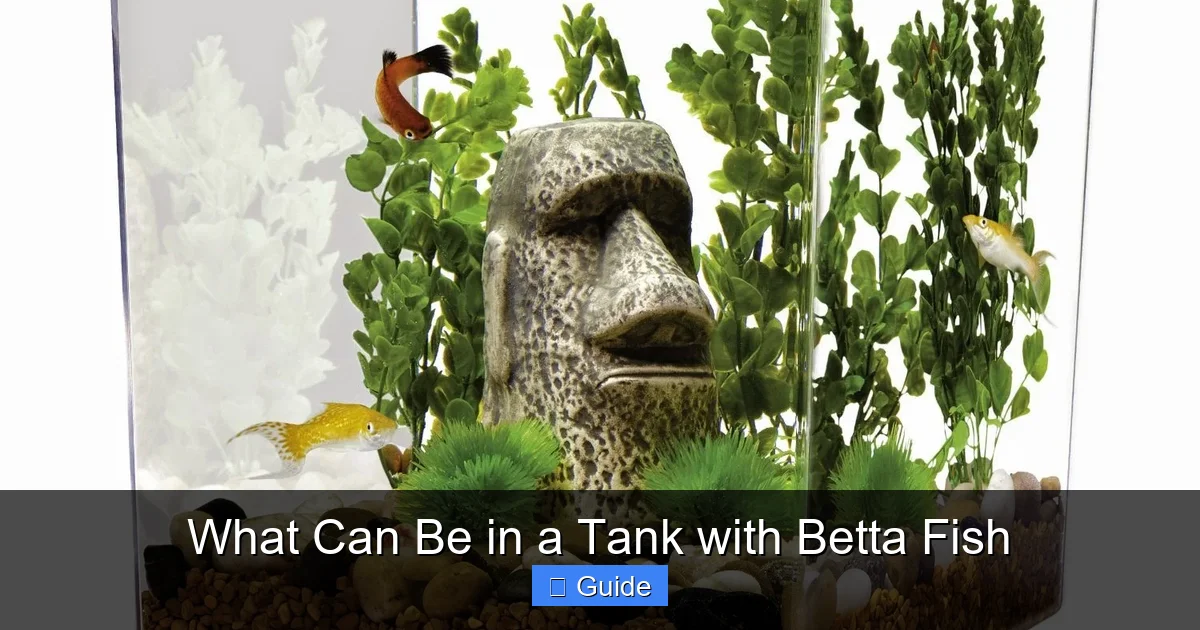
This is the most asked question: what fish can be in a tank with betta fish? The answer is a carefully selected list of species that are peaceful, fast, and occupy different swimming levels. The goal is to choose fish that won’t nip at the betta’s long, flowing fins and won’t compete aggressively for the same territory.
Visual guide about What Can Be in a Tank with Betta Fish
Image source: i.pinimg.com
The “Golden Rules” for Betta Tankmates
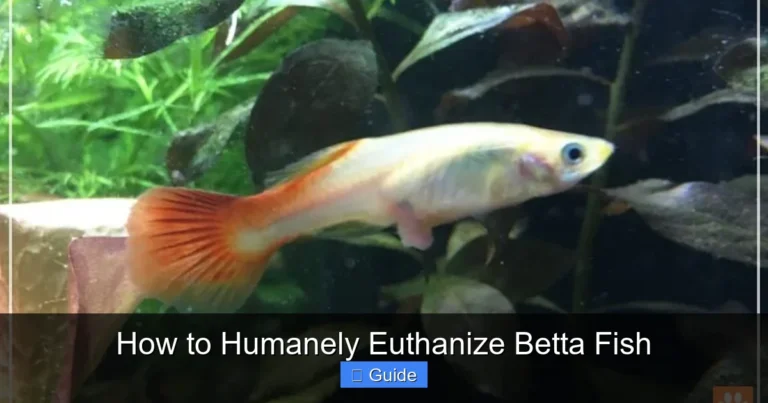
- No Long, Flowing Fins: Guppies, fancy male mollies, and some goldfish varieties are terrible choices. The betta will see them as a rival male and attack, or they may nip at the betta’s fins.
- Fast is Best: Tankmates should be quick enough to dart away if the betta gets curious or aggressive. Slow-moving fish like some dwarf gouramis (which are closely related and can be aggressive) are risky.
- Different Levels of the Tank: A good community uses all the water column. Bettas prefer the top and middle. Choose bottom-dwellers (like corydoras) or mid-to-top swimmers (like rasboras) to minimize overlap.
- Schooling Fish are Ideal: Fish that are comfortable in groups of 6+ are less likely to single out and harass the betta. They are focused on their own school.
Top Recommended Species
Harlequin Rasboras (Trigonostigma heteromorpha): Perhaps the best choice. They are peaceful, active, fast-swimming schooling fish that prefer the top and middle levels. Their small size (under 2 inches) and shimmering color make them a beautiful addition without threatening the betta.
Kuhli Loaches (Pangio kuhlii): Eel-like, peaceful bottom dwellers that are nocturnal. They sift through the substrate for food and will largely ignore the betta during the day, providing excellent cleanup and unique activity.
Pygmy Corydoras (Corydoras pygmaeus): The smallest cory species, these adorable “dwarf cats” are active little bottom feeders that school in groups of 6+. They are too small and quick to be seen as a threat and help keep the tank clean.
Ember Tetras (Hyphessobrycon amandae): Tiny, fiery orange tetras that are peaceful and form tight schools. Their small size and speed make them good candidates, but always observe for signs of stress from the betta.
Bristlenose Plecostomus (Ancistrus sp.): A single small pleco (3-4 inches) can be a good addition for algae control. They are armored, stay on the glass and decor, and are generally peaceful. Ensure you get a dwarf species and provide plenty of wood for grazing.
White Cloud Mountain Minnows (Tanichthys albonubes): Hardy, active, and peaceful cold-water fish that can tolerate the betta’s warm temperatures. They are fast and prefer the top levels.
Important Considerations and Cautions
Even with “safe” species, introduction order matters. Add the betta to the tank last, after all other fish have established their territories. Use a divider in the tank for a few weeks or introduce the betta in a breeder box to let them see each other without contact first. Always have a plan to rehome or separate fish if aggression becomes a consistent problem. Never add more than one male betta to a community tank unless it’s a carefully managed sorority of females (which is a separate, advanced topic).
Invertebrate Companions: Shrimp, Snails, and More
Invertebrates are a fantastic way to add diversity, color, and cleaning power to a betta tank. They occupy a different niche and are generally not seen as territorial competition by the betta. However, they are often viewed as a potential snack.
Visual guide about What Can Be in a Tank with Betta Fish
Image source: i.redd.it
Freshwater Shrimp
Cherry Shrimp (Neocaridina davidi): The most popular. Their vibrant red color is stunning, and they are prolific breeders. A large, mature colony can often sustain some losses to a betta. Provide dense planting (java moss, hairgrass) for them to hide and breed in. The betta may eat a few, but the colony will persist.
Amano Shrimp (Caridina multidentata): Larger (2-3 inches), more robust, and primarily algae eaters. Their size and behavior make them less likely to be seen as food, and they are excellent at cleaning hair algae.
Ghost Shrimp (Palaemonetes spp.): Very common, inexpensive, and great for a beginner’s betta tank. They are transparent, so they are less likely to trigger the betta’s predatory instinct. They are also excellent scavengers.
Snails
Snails are almost always safe with bettas, as they are too slow to be seen as a threat and are protected by their shells. They are fantastic cleanup crews.
- Nerite Snails: The best algae eaters. They come in many patterned varieties (zebra, ruby, etc.) and will not reproduce in freshwater (they require brackish water to breed), preventing overpopulation.
- Mystery/Apple Snails: Larger, more visible snails. They are peaceful and will munch on decaying plant matter and leftover food. They can produce a lot of waste, so don’t overstock.
- Ramshorn Snails: Small, efficient cleaners. They reproduce quickly, so their population should be monitored.
Crayfish and Lobsters: A Hard No
Despite their appeal, freshwater crayfish (like dwarf Mexican crayfish) are generally NOT safe. They are opportunistic feeders with powerful claws. Even small species will eventually nip at a sleeping betta’s fins or compete aggressively for food. The risk of injury or death is too high.
Live Plants and Decor: Creating a Stimulating and Safe Environment
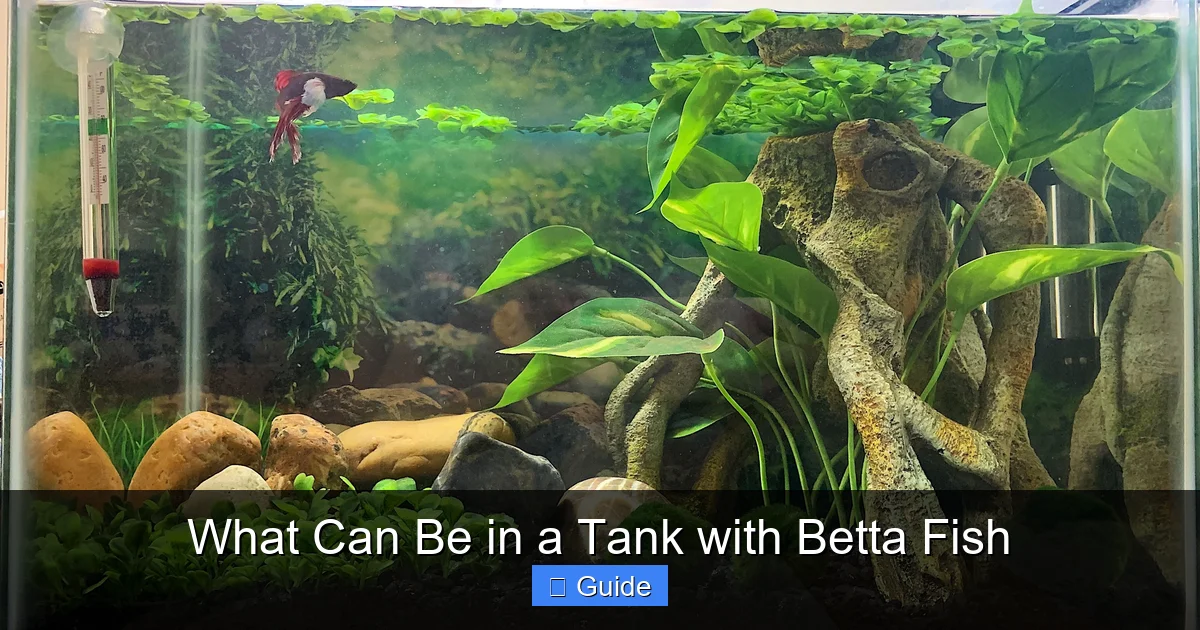
What can be in a tank with betta fish goes beyond living creatures. The physical environment is a critical component of your betta’s well-being. A barren tank is a stressful tank. Plants and decor provide security, improve water quality, and create a beautiful, naturalistic scene.
The Power of Live Plants
Live plants are the ultimate multi-tool in an aquarium. They absorb nitrates and other pollutants, oxygenate the water, and provide essential cover. For a betta tank, focus on:
- Low-light, hardy plants: Anubias, Java Fern, and Java Moss are nearly indestructible. They can be attached to driftwood or rocks and thrive in a range of conditions.
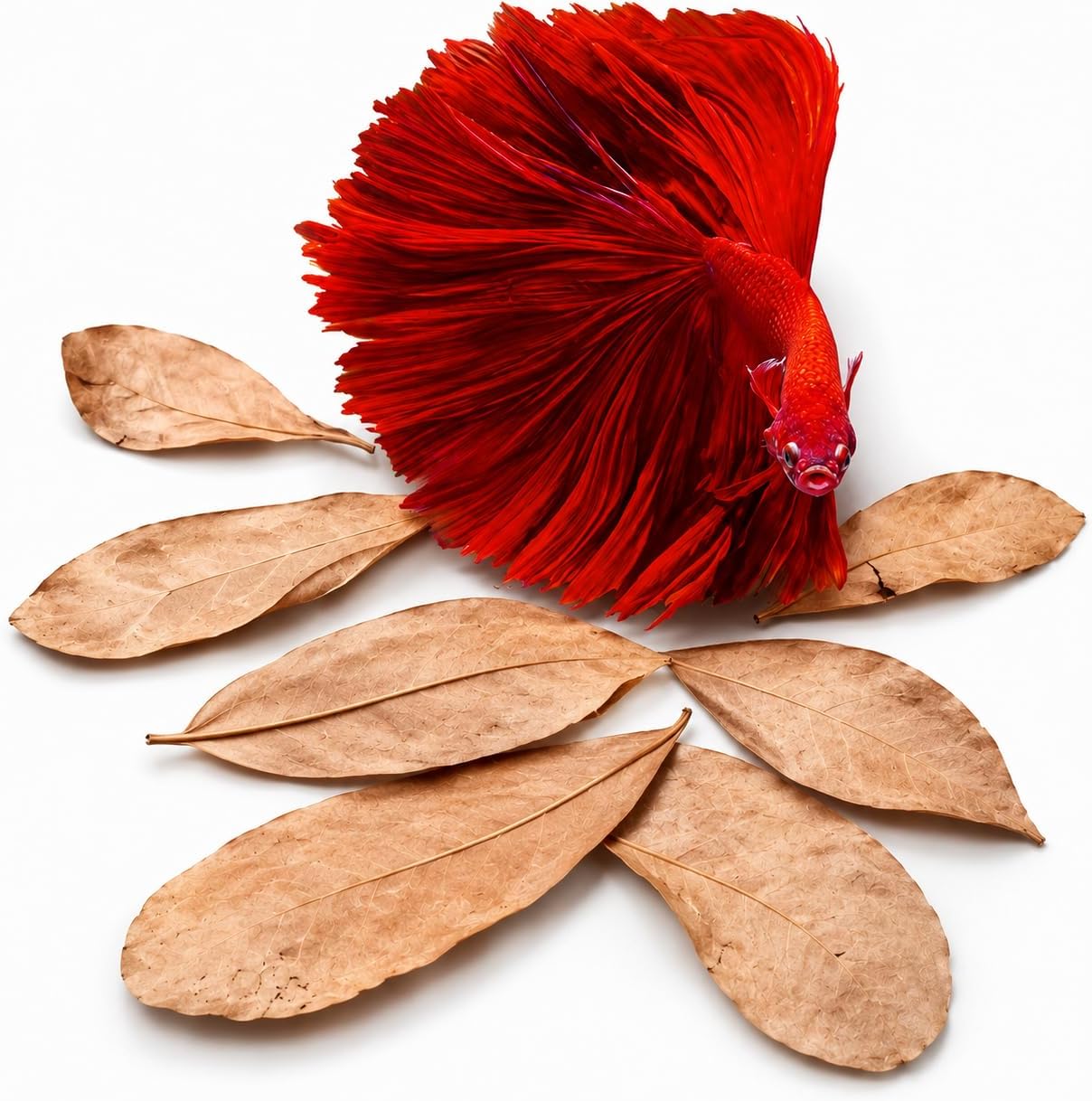
- Floating plants: Indian Almond Leaves (Catappa) are legendary in the betta hobby. They release tannins that can lower pH slightly and have mild antibacterial/antifungal properties, mimicking the blackwater conditions of their native habitat. Floating plants like Salvinia or Water Lettuce also provide shade and a sense of security, as bettas often build bubble nests underneath them.
- Foreground plants: Dwarf Hairgrass or Micranthemum ‘Monte Carlo’ can create a lush carpet, offering exploration.
Silk Plants and Safe Decor
If live plants are too daunting, high-quality silk plants are a safe and attractive alternative. Avoid any plastic plants with sharp edges or stiff leaves that can tear a betta’s delicate fins. Always run your fingers over plastic plants—if they feel rough at all, don’t use them.
Decor should provide hiding places and break lines of sight. Excellent options include:
- Driftwood: Natural, beautiful, and a surface for beneficial bacteria and plants like Java Fern to attach to.
- Rocks and Caves: Smooth, non-porous rocks (like slate) or ceramic/plastic caves offer secure hiding spots. Ensure any rocks are aquarium-safe and won’t alter water chemistry.
- PVC Pipes or Terracotta Pots: Simple, inexpensive hiding spots. Ensure terracotta pots are unglazed and have no sharp edges.
Substrate Choice
Sand or fine-grained gravel is ideal. Avoid sharp, jagged gravel that can damage the betta’s sensitive underside as it rests. A dark substrate often makes colors pop and feels more natural.
Dangers and Pitfalls: What NEVER to Put with a Betta
Knowing what to avoid is just as important as knowing what to include. A single bad choice can lead to injury, stress, or death for your betta or its tankmates.
Aggressive or Fin-Nipping Species
These are the absolute worst choices for a betta tank:
- Tiger Barbs, Tinfoil Barbs, and other “fin-nippers”: These fish have a genetic tendency to bite at the long, flowing fins of other fish. A betta is a prime target. This causes severe stress, torn fins, and opens the door to infections like fin rot.
- Other Gouramis (especially Dwarf Gouramis): While some keepers have success, gouramis are closely related to bettas and can be just as, if not more, territorial and aggressive. They will often fight for dominance.
- Cichlids (except some very small, peaceful South American dwarfs): Most cichlids are aggressive, territorial, and will bully or kill a betta. They are a definite no.
- Large, Boisterous Fish: Species like Buenos Aires Tetras or some barbs can be hyperactive and may harass a betta simply by being too energetic and intrusive.
Other Bettas
Two male bettas will fight to the death. This is non-negotiable. A male and female should only be kept together for breeding under strict, supervised conditions, as the male will often harm the female. Female bettas can sometimes be kept in “sororities” of 4-5+ in a heavily planted, spacious tank (20+ gallons), but this is advanced and requires expert management to prevent bullying and fatalities.
Poor Water Conditions and Overstocking
The biggest danger is often invisible: bad water. Adding too many fish to a tank that is too small or has insufficient filtration will cause ammonia and nitrite spikes, which are lethal. Even with a good filter, overstocking leads to high stress, increased aggression as fish compete for space, and rapid deterioration of water quality. Always research the adult size and bioload of any fish you add.
Maintenance and Long-Term Care: Keeping the Peace
Setting up a perfect community is only the first step. Long-term success depends on consistent maintenance and keen observation.
Water Changes and Testing
Perform weekly water changes of 25-30% in a 5-10 gallon tank. Use a gravel vacuum to remove detritus from the substrate. Test water parameters (ammonia, nitrite, nitrate, pH, temperature) weekly with a liquid test kit. Nitrates should be kept below 20 ppm. Stable, clean water is the single greatest stress reducer for all aquatic life.
Feeding a Community
Feed your betta a high-quality pellet or frozen food (like brine shrimp or bloodworms) once a day, only what it can consume in 2-3 minutes. For tankmates, provide a quality flake or micro-pellet food for the schooling fish, and algae wafers or blanched vegetables for bottom feeders and shrimp. Observe during feeding to ensure the betta isn’t bullying others away from food. You may need to target-feed shy tankmates with a pipette or feeding ring.
Observation and Intervention
Spend time watching your tank daily. Look for signs of stress: the betta constantly flaring at a specific fish, a fish hiding all the time, torn fins, or fish being chased to the point of exhaustion. If aggression is persistent and causing harm, you must be prepared to remove either the betta or the problem tankmate. Have a backup tank or a trusted local fish store (LFS) that will take returns. Sometimes, a seemingly perfect combination just doesn’t work due to personality.
Conclusion: Building a Thriving Underwater World
The question of what can be in a tank with betta fish reveals that the possibilities are vast and rewarding. Moving beyond the myth of the solitary vase allows you to provide a richer, more natural life for your betta. By starting with a properly sized, cycled, and heated tank, selecting peaceful and fast tankmates from the recommended lists, incorporating plenty of live plants and hiding decor, and avoiding aggressive or fin-nipping species, you can create a stunning community aquarium. Remember, the key is research, observation, and a commitment to maintaining pristine water quality. Your betta is not just a decorative object; it’s a living creature capable of interacting with its environment and, in many cases, with other species. With patience and care, you can build a peaceful, vibrant underwater world where your betta truly thrives.
Frequently Asked Questions
Can betta fish live with other betta fish?
No, two male bettas will fight to the death. Female bettas can sometimes be kept in groups (sororities) in large, heavily planted tanks, but this is advanced and risky. A male and female should only be together for breeding under controlled conditions.
What are the absolute safest tankmates for a betta?
The safest options are invertebrates like cherry shrimp, ghost shrimp, and nerite snails, as they occupy a different niche and are not seen as territorial competitors. Among fish, peaceful, fast-swimming schooling fish like harlequin rasboras, pygmy corydoras, and white cloud mountain minnows are the best choices when introduced properly.
Can I put a betta with a goldfish?
No. Goldfish are cold-water fish that prefer temperatures in the 60s-70s°F, while bettas need tropical temperatures around 78-82°F. Keeping them together would stress one or both. Goldfish also produce a massive amount of waste, quickly fouling the water and overwhelming the tank’s capacity.
Are live plants necessary for a betta tank with tankmates?
While not strictly necessary, live plants are highly recommended. They provide crucial hiding spots and break lines of sight, which reduces stress and aggression for the betta and its tankmates. They also improve water quality. Silk plants are a suitable alternative if live plants are difficult to maintain.
How do I introduce a betta to an existing community tank?
Always add the betta last. First, use a tank divider or a breeder box to let the betta see the existing fish for several days without contact. Rearrange the tank decor before releasing the betta to disrupt established territories. Monitor closely for the first 24-48 hours for any signs of aggression and be ready to separate if needed.
What should I do if my betta starts attacking a tankmate?
If the betta is relentlessly chasing or nipping at a specific fish, causing it to hide constantly or sustain injuries, you must intervene. The safest action is to remove the victim to a separate hospital tank immediately to prevent death. Then, assess if the betta can be rehomed or if the tankmate was a poor choice. Sometimes, a betta’s personality simply won’t allow for tankmates.