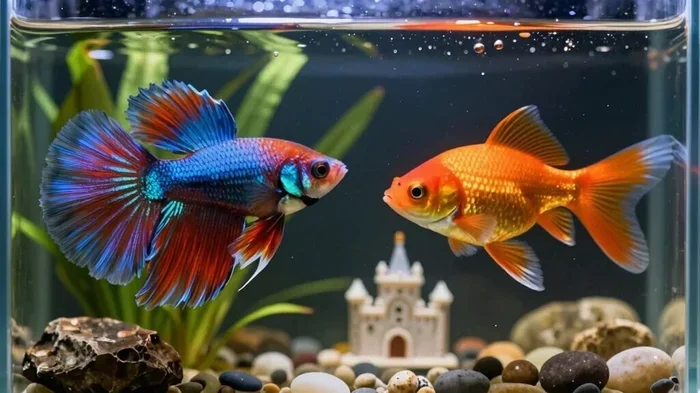
Can You Put Any Other Fish with a Betta

You can absolutely keep other fish with a betta, but choosing the right tank mates is crucial for a peaceful aquarium. Not every fish species is compatible with bettas, as their territorial and sometimes aggressive nature means the wrong pairing can lead to stress, injury, or even death. Learn which betta tank mates work best, what to avoid, and how to set up a community aquarium that keeps your betta happy and healthy.
Key Takeaways
- Not all fish can safely live with bettas due to their territorial nature.
- Choose peaceful, non-aggressive tank mates with similar water and temperature preferences.
- Provide plenty of hiding spots and visual barriers to reduce territorial stress.
- Start with a well-established tank and introduce new fish gradually.
- Never keep two male bettas together — they will fight aggressively.
- Monitor tank behavior daily to catch signs of stress or aggression early.
- Tank size matters — a minimum of 20 gallons supports a peaceful community.
📑 Table of Contents
- Can You Put Any Other Fish with a Betta
- Understanding Betta Fish Temperament
- Best Tank Mates for Betta Fish
- Fish to Avoid When Choosing Tank Mates
- Setting Up a Community Tank for Your Betta
- How to Tell If Your Betta Is Happy With Tank Mates
- Common Mistakes to Avoid
- Final Thoughts on Adding Fish to a Betta Tank
Can You Put Any Other Fish with a Betta
If you own a betta fish, you have probably wondered whether you can add other fish to the tank. The short answer is yes, but it is not as simple as dropping any fish into the same water. Can you put any other fish with a betta depends on several important factors. These include your betta’s personality, the tank size, and the species you choose as companions.
Many fish owners love bettas for their bright colors and flowing fins. But bettas can also be territorial and aggressive. This makes choosing the right tank mates a real challenge. In this guide, we will walk you through everything you need to know. You will learn which fish work well, which ones to avoid, and how to set up a peaceful community tank. By the end, you will feel confident about making the best choice for your betta.
Putting other fish with a betta can create a beautiful and lively aquarium. But it takes planning and patience. Not every fish species is a good match. Let us dive into the details so you can build a happy, healthy home for all your fish.
Understanding Betta Fish Temperament
Why Bettas Can Be Territorial
Betta fish, also called Siamese fighting fish, are known for their bold personalities. In the wild, they claim small territories in rice paddies and slow-moving streams. Male bettas, in particular, will defend their space fiercely. They flare their gills, spread their fins, and may even fight to the death with another male betta.
This territorial behavior is deeply wired into their nature. When you put other fish with a betta, you are asking your betta to share its space. Some bettas accept this just fine. Others see every new fish as a threat. Understanding this helps you set realistic expectations.
When Bettas Get Along With Others
Not all bettas are the same. Some are docile and curious. Others are bold and confrontational. A lot depends on how your betta was raised and its individual personality. Female bettas tend to be less aggressive than males. This is why many owners ask, can you put a female betta fish with other fish and the answer is often yes, with the right setup.
Here are a few signs your betta may be open to tank mates:
- Your betta swims calmly around the tank
- It does not flare at every movement it sees
- It explores the whole tank, not just one corner
- It eats normally and shows healthy energy
If your betta shows these behaviors, you have a better chance of success. But always introduce new fish slowly and watch closely.
Best Tank Mates for Betta Fish
Peaceful Community Fish That Work Well
When choosing companions, you want species that are calm and non-threatening. These fish will not bother your betta’s fins or invade its territory. Here are some of the best options:
- Corydoras catfish — These small bottom dwellers stay out of your betta’s way. They are peaceful and fun to watch.
- Neon tetras — Bright and active, tetras tend to keep to themselves. Just make sure your betta is not too nippy.
- Ghost shrimp — These tiny cleaners are mostly ignored by bettas. They help keep the tank tidy.
- Amano shrimp — Great algae eaters. They are sturdy enough to coexist with most bettas.
- Kuhli loaches — These quirky, eel-like fish stay hidden during the day and come out at night.
If you are unsure where to start, check out our guide on what other fish can you put with a betta for more specific recommendations.
Bottom Dwellers and Cleaners
One smart strategy is to add fish that stay at the bottom of the tank. Bettas are top dwellers. They spend most of their time near the surface. This means bottom-dwelling fish rarely cross paths with your betta. It reduces the chance of conflict.
Some great bottom-dwelling options include corydoras, kuhli loaches, and ottocinco catfish. These fish are peaceful and do their own thing. They also help clean up leftover food, which keeps the tank healthier for everyone.
Fish to Avoid When Choosing Tank Mates
Aggressive and Fin-Nipping Species
Some fish are simply too aggressive or too nippy to share a tank with a betta. Fin-nippers like tiger barbs and serpae tetras can cause real damage. They chase bettas and bite their long, flowing fins. This leads to stress, injury, and even infection.
Other aggressive species to avoid include:
- Guppies with bright, flowing tails that may trigger aggression
- Angelfish, which can become territorial as they grow
- Goldfish, which grow too large and produce too much waste
- Other male bettas, who will almost certainly fight
Also, avoid keeping two male bettas in the same tank. If you are curious about mixing males and females, look into putting a male betta fish with other fish to understand the risks involved.
Fish With Similar Colors or Fins
This is a mistake many beginners make. Fish that look similar to bettas can trigger territorial behavior. For example, fish with bright colors or long fins may be seen as rivals. Your betta may attack them constantly. Stick to fish that look different from your betta to reduce tension.
Setting Up a Community Tank for Your Betta
Tank Size Matters
The size of your tank plays a huge role in whether can you put any other fish with a betta successfully. A small tank leaves no room for escape or territory separation. This increases stress and aggression. A larger tank gives every fish its own space.
Here is a quick guide to minimum tank sizes:
| Setup | Minimum Tank Size | Why This Size |
|---|---|---|
| Betta alone | 5 gallons | Enough room to swim and explore |
| Betta + 2-3 small fish | 10 gallons | Extra space reduces territorial stress |
| Betta + community of 5+ fish | 20 gallons or more | Plenty of room for everyone to coexist |
Bigger is always better. A larger tank also makes it easier to maintain stable water conditions, which keeps all your fish healthy.
Adding Hiding Spots and Plants
A well-decorated tank makes a big difference. When fish can hide, they feel safer. This lowers aggression across the board. Add live plants, caves, driftwood, and floating decorations. These give your betta places to retreat when it feels stressed.
Live plants also help clean the water and provide natural cover. Floating plants like java moss or frogbit are especially good because bettas love resting near the surface underneath them. If you are interested in adding plants, you can read about adding live water plants with betta fish for helpful tips.
How to Introduce New Fish Safely
Do not just dump new fish into the tank. Follow these steps for a smooth introduction:
- Quarantine new fish for at least two weeks. This helps you spot any diseases before they spread.
- Dim the lights in the tank before adding new fish. This reduces stress for everyone.
- Add the new fish slowly. Watch your betta’s reaction closely for the first few hours.
- If your betta flares constantly or chases the new fish, be ready to separate them.
- Give it a few days. Some initial chasing is normal, but persistent aggression is a problem.
How to Tell If Your Betta Is Happy With Tank Mates
Behavioral Cues to Watch For
After adding new fish, pay close attention to your betta’s behavior for the first few weeks. Signs that things are going well include:
- Your betta swims normally and eats regularly
- It does not flare at the new fish constantly
- All fish in the tank are eating and active
- No fin damage or hiding behavior from any fish
On the other hand, warning signs include constant flaring, refusal to eat, clamped fins, or visible chasing. If you notice these signs, you may need to rearrange the tank or remove the problematic fish.
When to Separate Fish
Sometimes, despite your best efforts, things do not work out. If your betta is bullying another fish or if another fish is nipping at your betta’s fins, separation is the kindest choice. You can use a tank divider or move one fish to a different tank. No fish should suffer just because you want a pretty community setup.
Common Mistakes to Avoid
Many fish owners make avoidable mistakes when adding tank mates to a betta tank. Here are the most common ones:
- Overcrowding the tank. Too many fish create stress and waste. Stick to the recommended tank sizes.
- Ignoring water quality. Poor water conditions make all fish more aggressive and prone to illness. Test your water regularly.
- Choosing fish that are too big. Large fish can intimidate or even eat small bettas. Keep tank mates similar in size.
- Adding too many fish at once. Introduce new fish one or two at a time. This gives your betta time to adjust.
- Skipping the quarantine period. New fish can carry diseases that spread quickly in a closed tank.
Avoiding these mistakes gives your community tank the best chance of success. Patience and observation are your greatest tools.
Final Thoughts on Adding Fish to a Betta Tank
Can you put any other fish with a betta? Yes, but it requires thought and care. The right tank mates can turn a simple betta tank into a vibrant, lively ecosystem. Choose peaceful species, provide enough space, and watch your fish closely during the introduction period.
Remember that every betta is different. What works for one betta may not work for another. Some bettas love company and thrive in community tanks. Others prefer to live alone, and that is perfectly okay too. The key is to pay attention to your fish and respond to its needs.
If you are ready to start building a community tank, begin with one or two peaceful species. Give them time to adjust. With the right setup and a little patience, you can create a beautiful aquarium where your betta and its tank mates all thrive together. The effort is worth it when you see a happy, healthy tank full of life.
Frequently Asked Questions
Can You Put Any Other Fish with a Betta?
Yes, you can put other fish with a betta, but choosing the right tank mates is essential. Bettas can be territorial, so you need peaceful, non-aggressive species that won’t nip at their fins. Good options include snails, shrimp, and certain small schooling fish that keep to themselves.
What Fish Can Live with a Betta Fish?
Some of the best tank mates for a betta include corydoras catfish, kuhli loaches, and ember tetras. These fish are calm, occupy different areas of the tank, and won’t trigger your betta’s aggression. Always monitor their behavior when first introducing new fish to the same tank.
Can Betta Fish Live with Guppies?
Guppies can sometimes live with bettas, but it depends on your individual fish’s temperament. Male bettas may chase guppies because of their bright colors and flowing fins, which can cause stress. If you try this combination, provide plenty of hiding spots and watch closely for signs of aggression.
Why Can’t You Put a Goldfish with a Betta?
Goldfish and bettas have very different water temperature and tank size requirements, making them incompatible tank mates. Goldfish produce a lot of waste, which can quickly dirty the water and harm your betta. They also grow much larger and may bully or nip at your betta’s delicate fins.
Can Two Male Bettas Live in the Same Tank?
No, you should never put two male bettas together because they will almost certainly fight. Male bettas are highly territorial and will attack each other, often resulting in serious injury or death. Even keeping them in separate tanks side by side can cause stress and flaring behavior.
What Fish Should You Avoid Putting with a Betta?
Avoid pairing your betta with aggressive fish like cichlids, tiger barbs, or other colorful fish that may trigger territorial behavior. Fish with long, flowing fins like angelfish or fancy guppies can also provoke your betta into thinking they are a rival. Always research any potential tank mate carefully before adding them to your betta’s aquarium.