What Fish Get Along with Betta Fish

Looking to share a home with your vibrant betta? Not all fish are suitable roommates, but several peaceful species can coexist happily. This guide reveals the best companions, essential tank conditions, and practical tips for a harmonious community tank.
Key Takeaways
- Temperament matters: Choose calm, non‑aggressive species that won’t trigger a betta’s territorial instincts.
- Tank size is crucial: A minimum of 10‑20 gallons provides enough space for hiding spots and reduces stress.
- Water parameters must match: Keep temperature (78‑82 °F) and pH (6.5‑7.5) consistent for all inhabitants.
- Bottom‑dwellers are safe bets: Snails, shrimp, and small catfish stay out of the betta’s line of sight.
- Introduce slowly: Add new fish after the betta has settled for at least two weeks and monitor behavior closely.
- Avoid fin‑nippers and fin‑showers: Long‑finned or brightly colored fish can provoke aggression.
- Provide plenty of cover: Plants, caves, and driftwood give every fish a place to retreat.
📑 Table of Contents
Introduction: Why Tank Mates Matter
Betta fish are famous for their dazzling fins and feisty personalities. Many beginners think a betta must live alone, but that isn’t always true. With the right companions, a betta can enjoy a lively community tank that mimics its natural habitat.
Choosing fish that get along with betta fish isn’t about random pairings; it’s about matching temperament, water needs, and space. In this article we’ll walk through the most compatible species, the set‑up basics, and step‑by‑step tips to keep peace in the aquarium.
1. Understanding Betta Behavior
Territorial instincts
Bettas are natural defenders of their space, especially males. They will flare their gills and display their fins when they feel threatened. This doesn’t mean they are constantly aggressive—just that they need a well‑structured environment.

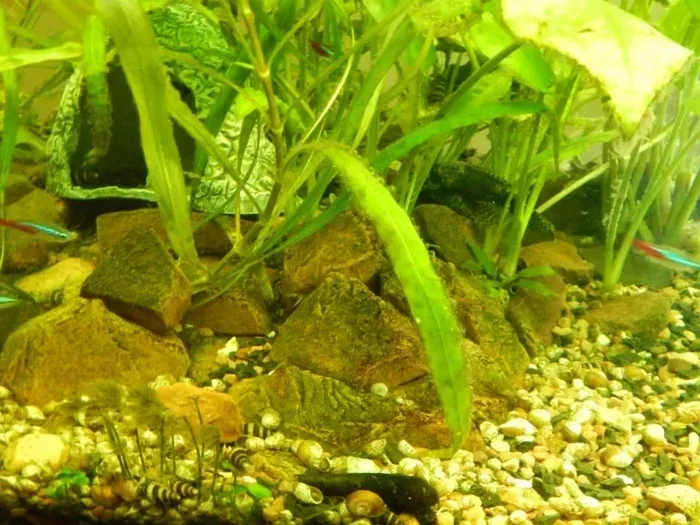
Visual guide about What Fish Get Along with Betta Fish
Image source: acaquarium.com
Gender differences
Female bettas (often called “societies”) can tolerate more companions than males, but they still appreciate hiding spots. Male bettas are best kept with species that stay low in the water column or are too busy to notice them.
What triggers aggression?
- Bright, flowing fins that resemble a rival betta.
- Overcrowding that limits personal space.
- Incompatible water parameters (temperature, pH, hardness).
2. Ideal Tank Mates: The Best Fish to Pair With a Betta
Small, fast‑swimming schooling fish
Species such as neon tetras, ember tetras, and harlequin rasboras move quickly near the surface and don’t linger near the betta’s territory. Their bright colors add visual interest without provoking a fight.

Visual guide about What Fish Get Along with Betta Fish
Image source: modestfish.com
Bottom‑dwelling catfish
Corydoras catfish (especially dwarf varieties) glide along the substrate, keeping out of the betta’s line of sight. They are peaceful, hardy, and love to scavenge leftover food.
Peaceful livebearers
Guppies, platies, and mollies are generally calm and occupy different water levels. Choose single‑color or muted varieties to avoid fin‑flaring triggers.
Snails and shrimp
Amaze your betta with mystery snails, nerite snails, or cherry shrimp. They help clean algae, are too small to bother the betta, and provide fascinating movement.
Non‑fish options
While not fish, freshwater shrimps and certain snail species are excellent companions. They’re covered in What Snails Can Live With Betta Fish for more detail.
3. Fish to Avoid
Fin‑nippers and aggressive species
Barbs, loaches, and larger tetras can nip at a betta’s delicate fins. Avoid them to prevent stress and injury.

Visual guide about What Fish Get Along with Betta Fish
Image source: petshun.com
Other bettas
Two male bettas in the same tank will almost always fight. Even a male with a female can lead to constant breeding attempts and stress.
Long‑fin, bright‑colored fish
Guppies with extravagant tails, fancy goldfish, or koi can be mistaken for rivals. Keep them separate.
4. Setting Up the Tank for Harmony
Tank size and layout
Even a modest 10‑gallon tank can host a betta with a few small tank mates if the space is well‑decorated. Aim for at least 2‑3 inches of swimming area per fish.
Plants and hiding places
Live plants like Java fern, Anubias, and floating moss create natural barriers. Add caves, driftwood, and PVC pipes for extra refuge.
Water parameters
Maintain a temperature of 78‑82 °F, pH 6.5‑7.5, and gentle filtration. Consistency is key; sudden changes can make a betta irritable.
Lighting and flow
Soft lighting reduces stress. Use a gentle flow to keep water moving without creating strong currents that a betta may struggle against.
5. Introducing New Tank Mates
Quarantine first
Always quarantine new fish for 2‑4 weeks to prevent disease spread.
Gradual introduction
Place the new fish in a separate container inside the tank for a few days. This allows the betta to get used to their scent without direct contact.
Watch for signs
- Flared fins or rapid gill movement.
- Chasing or nipping behavior.
- Loss of appetite or hiding.
If aggression appears, be ready to re‑home the newcomer or provide additional hiding spots.
6. Real‑World Examples and Success Stories
Case study: Neon tetras + male betta
A hobbyist set up a 15‑gallon tank with a male betta, 6 neon tetras, and a dwarf Corydoras. After a two‑week acclimation period, the betta displayed calm behavior, and the tetras swam peacefully near the surface.
Case study: Cherry shrimp colony
Another keeper added a small group of cherry shrimp to a betta’s tank. The shrimp grazed on algae and were ignored by the betta, creating a low‑maintenance, colorful display.
For more detailed stories, see What Fish Do Bettas Get Along With and What Other Fish Can Live With Betta Fish.
Conclusion: Creating a Peaceful Community
Knowing what fish get along with betta fish opens the door to vibrant, interactive aquariums. By respecting the betta’s territorial nature, matching water conditions, and providing plenty of cover, you can enjoy a thriving community tank that showcases the best of both worlds. Start with a few hardy, low‑key companions, observe behavior closely, and adjust as needed. Your betta—and your aquarium hobby—will thank you.
Frequently Asked Questions
Can I keep a male betta with other male fish?
Yes, as long as the other males are small, fast‑swimming, and non‑aggressive (e.g., neon tetras). Avoid other male bettas or similarly flamboyant species.
Are shrimp safe tank mates for bettas?
Most shrimp, especially larger ones like Amano or cherry shrimp, are safe. They stay near the bottom and are usually ignored by the betta.
What temperature should the tank be for a mixed community?
Keep the water between 78‑82 °F (25‑28 °C). This range suits both bettas and most small community fish.
How many fish can I add to a 10‑gallon betta tank?
Limit the total to 3‑4 small schooling fish or a couple of bottom dwellers. Overcrowding increases stress and aggression.
Do bettas get along with goldfish?
No. Goldfish are messy, require cooler water, and are much larger, making them unsuitable companions for bettas.
What should I do if my betta attacks a new tank mate?
Remove the aggressive fish immediately, provide extra hiding places, and consider a different species that is less likely to trigger the betta’s territorial response.