What Other Fish Can Live with Betta Fish
Looking to share your aquarium? We break down what other fish can live with betta fish, covering peaceful companions, tank requirements, and practical tips for a harmonious community tank. Find out which species thrive alongside bettas and how to keep the peace.
Key Takeaways
- Compatibility matters: Choose non‑aggressive, similarly sized fish to avoid stress.
- Tank size is crucial: A minimum of 10‑20 gallons gives bettas room to establish territory.
- Water parameters must match: Keep temperature, pH, and hardness consistent for all species.
- Introduce slowly: Use a quarantine or acclimation period to monitor behavior.
- Avoid fin‑nippers: Species with long, flowing fins can become targets for bettas.
- Plants and hiding spots: Live plants, caves, and decorations reduce aggression.
- Regular monitoring: Watch for signs of stress and be ready to rehome if needed.
📑 Table of Contents
- Introduction: Why Consider Tank Mates for Your Betta?
- Understanding Betta Behavior
- Essential Tank Requirements
- Top Candidates: What Other Fish Can Live with Betta Fish?
- Practical Tips for a Successful Community Betta Tank
- Case Studies: Real‑World Success Stories
- Conclusion: Making the Right Choice for Your Betta’s Companions
Introduction: Why Consider Tank Mates for Your Betta?
Betta fish, often called Siamese fighting fish, are famous for their vivid colors and bold personalities. Many new owners think a betta must live alone, but that isn’t always true. With the right conditions, a betta can coexist peacefully with other species. Knowing what other fish can live with betta fish helps you create a lively, balanced aquarium that’s both beautiful and healthy.
In this guide we’ll explore the science behind betta behavior, the key factors that affect compatibility, and a curated list of fish that are proven companions. By the end, you’ll feel confident choosing tank mates that enhance your betta’s life rather than cause stress.
Understanding Betta Behavior
Territorial Nature
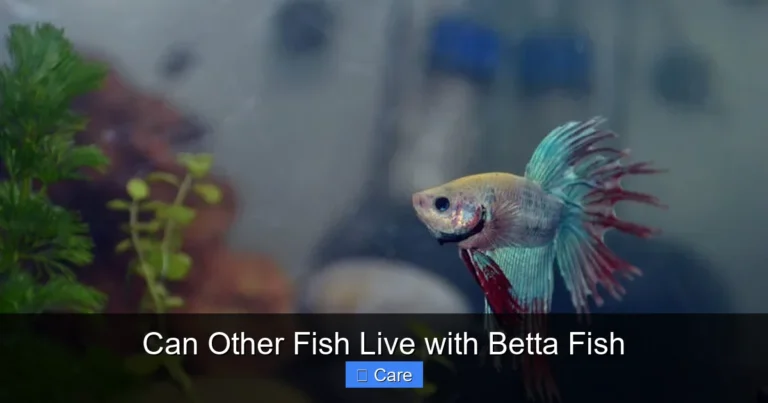
Male bettas are naturally territorial. In the wild they defend a small stretch of water, chasing away rivals. In a home aquarium, this instinct can translate into aggression toward fish that look or swim too similarly.
Visual guide about What Other Fish Can Live with Betta Fish
Image source: infishtank.com
Peaceful vs. Aggressive Moods
Not every betta is a bully. Some are calm, especially females or those raised with other fish from a young age. Observing your betta’s personality is the first step in answering what other fish can live with betta fish without conflict.
Gender Differences
Male bettas are usually more aggressive than females. If you plan a community tank, many hobbyists recommend a female betta or a “peaceful” male that has shown tolerance in a test tank.
Essential Tank Requirements
Size and Space
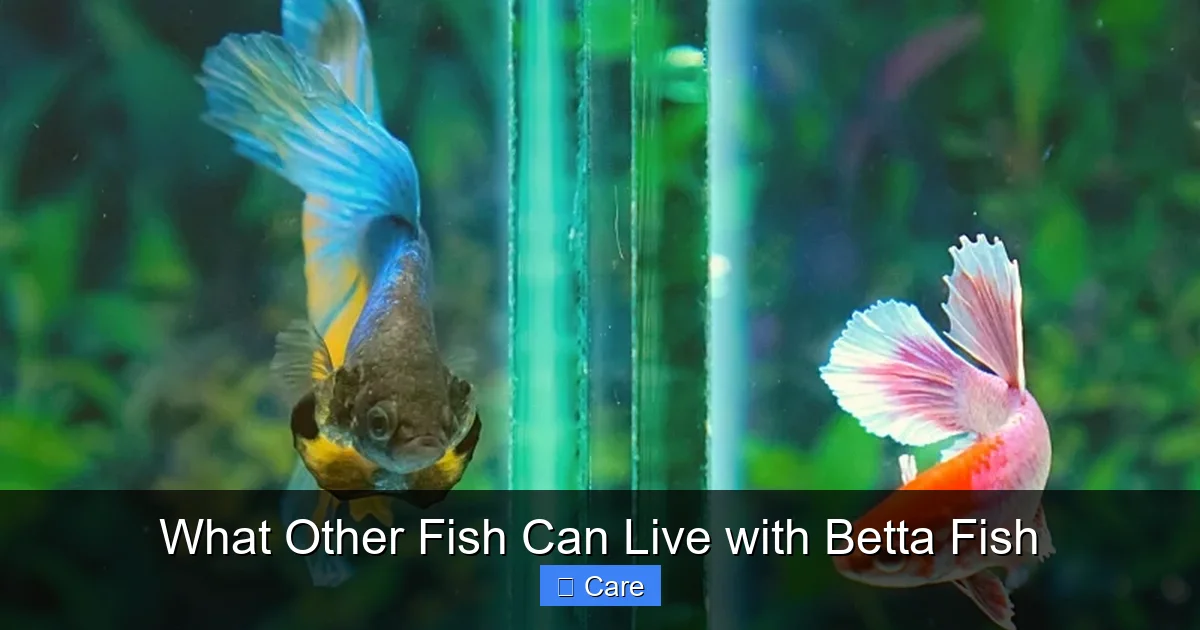
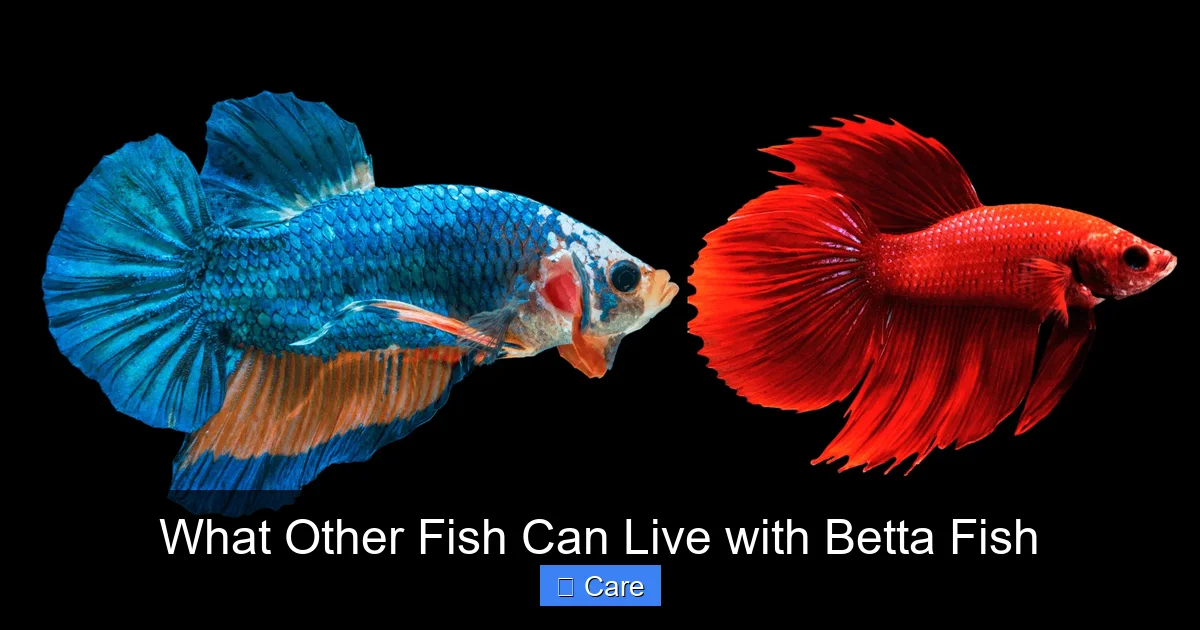
Even the most tolerant betta needs room to establish a territory. A minimum of 10 gallons is recommended for a single betta; add 5‑10 gallons for each additional species. This extra space reduces the chance of territorial clashes.
Visual guide about What Other Fish Can Live with Betta Fish
Image source: aniimad.com
Water Parameters
- Temperature: 76‑82°F (24‑28°C) – most tropical tank mates share this range.
- pH: 6.5‑7.5 – a neutral to slightly acidic environment suits bettas and many community fish.
- Hardness: 5‑20 dGH – moderate hardness works for most compatible species.
Filtration and Flow
Bettas are “labyrinth” fish; they can breathe air from the surface. However, they still appreciate gentle water movement. Choose a low‑flow filter or use a sponge filter to keep water clean without creating strong currents that stress bettas.
Plants and Hiding Spots
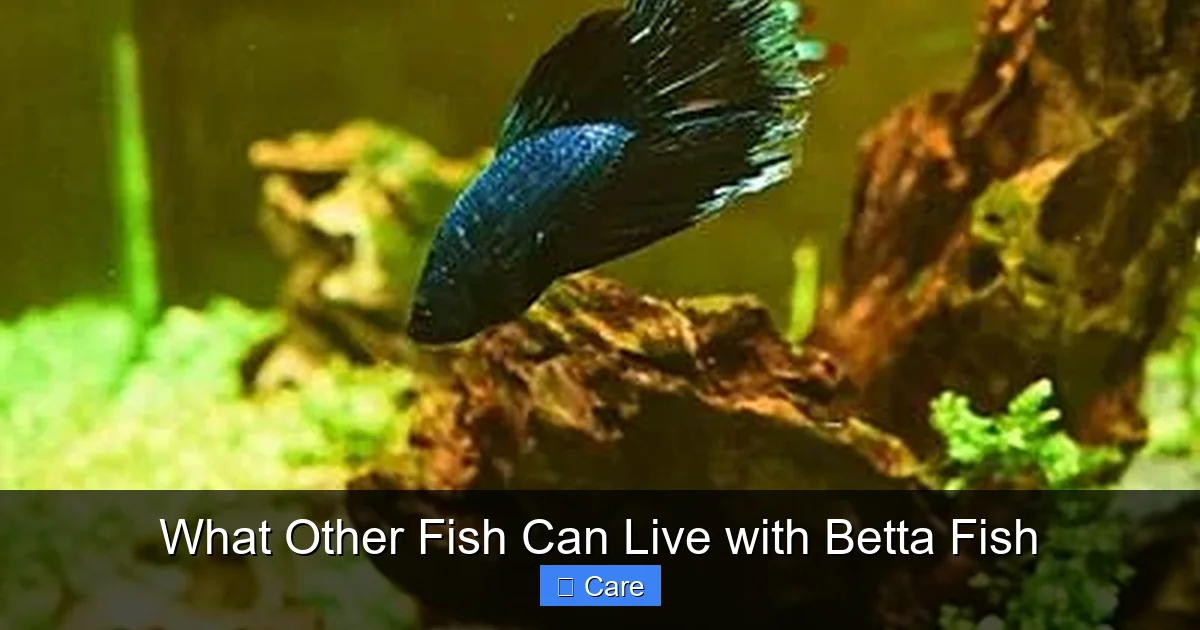
Live plants, driftwood, and caves provide hiding places for shy tank mates and give the betta a sense of security. They also break lines of sight, which can reduce aggression.
Top Candidates: What Other Fish Can Live with Betta Fish?
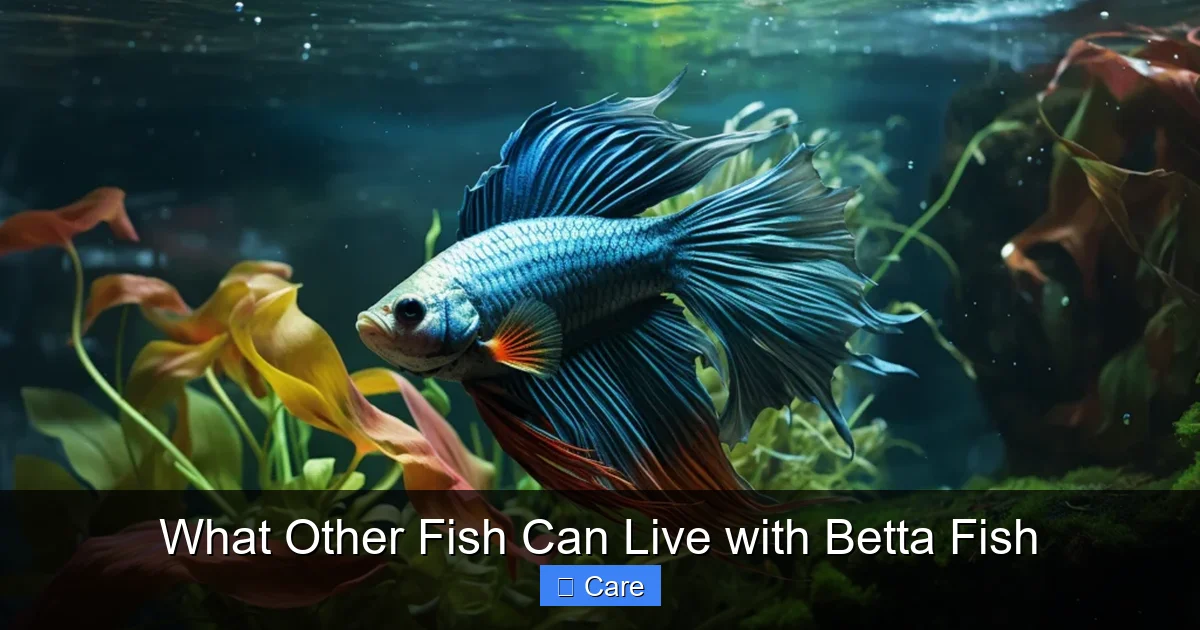
Below is a vetted list of species that have repeatedly proven compatible with bettas. Each entry includes size, temperament, and care tips to help you decide if they fit your aquarium.
Visual guide about What Other Fish Can Live with Betta Fish
Image source: fishkeepingadvice.com
1. Neon Tetras
Neon tetras are small (1‑1.5 in), schooling fish that add a flash of electric blue to the tank. Their peaceful nature and fast swimming style keep them out of a betta’s direct line of sight.
- Tank size: 10 gallons minimum.
- Group size: Keep at least 6 together to feel secure.
- Why they work: Their bright colors are different enough to avoid triggering a betta’s aggression.
2. Ember Rasboras
These tiny orange fish (0.8 in) are peaceful and love to school. They thrive in similar temperature ranges and are quick enough to dodge a curious betta.
- Tank size: 5‑10 gallons.
- Group size: Minimum 6.
- Tip: Provide floating plants; Ember Rasboras like to stay near the surface.
3. Corydoras Catfish
Corys are bottom‑dwelling, gentle scavengers that rarely interact with bettas in the mid‑water column. Their armored bodies make them less likely to be nipped.
- Size: 2‑3 in.
- Group size: 3‑5.
- Care note: Keep substrate soft (sand) to protect their barbels.
4. Harlequin Rasboras
With a striking black‑orange pattern, Harlequin Rasboras are slightly larger (1.5 in) but remain peaceful. Their mid‑level swimming habit keeps them separated from the betta’s territory.
- Tank size: 10 gallons.
- Group size: 6‑8.
- Compatibility tip: Provide plenty of vertical plants to break up sight lines.
5. Kuhli Loaches
These eel‑like fish hide in the substrate and are nocturnal. Their secretive nature means they rarely cross paths with a betta, making them excellent tank mates.
- Size: 4‑6 in.
- Group size: 3‑5.
- Substrate: Use sand or fine gravel.
6. Otocinclus Catfish
Known as “Otos,” these tiny algae eaters (1‑1.5 in) are extremely peaceful. They spend most of their time grazing on surfaces, staying out of the betta’s way.
- Group size: 4‑6.
- Water flow: Gentle; strong currents can stress them.
- Feeding tip: Supplement with algae wafers.
7. Dwarf Gourami (Peaceful Strains)
While many gouramis can be aggressive, the “Dwarf Sparkling Gourami” and “Blue Velvet Gourami” are known for calm temperaments. They share similar water needs and can coexist if the tank is large enough (20‑30 gallons).
- Size: 2‑2.5 in.
- Territory: Provide separate hiding spots.
- Note: Monitor closely during the first week.
8. Small Shrimp (e.g., Cherry Shrimp)
Although not fish, many ask what other fish can live with betta fish and include invertebrates. Shrimp are usually safe if the betta is not a fin‑nipper. They help clean algae and add color.
- Size: 1‑1.5 in.
- Safety tip: Keep a dense planting cover.
Species to Avoid
Even with careful planning, some fish simply do not mix well with bettas. Avoid the following if you’re answering what other fish can live with betta fish and want a peaceful tank:
- Fin‑nipping species: Guppies, Endlers, and other small livebearers.
- Long‑fin fish: Fancy goldfish, other bettas, and some ornamental gouramis.
- Aggressive cichlids: Dwarf cichlids, African cichlids.
- Other bettas: Males will fight; even females can become territorial.
Practical Tips for a Successful Community Betta Tank
Acclimation Process
When adding new fish, use the drip or bag‑float method to match water parameters slowly. This reduces shock and gives the betta time to adjust to new shapes moving in the tank.
Observe and Record
Spend at least 24‑48 hours watching interactions. Note any flaring, chasing, or hiding. If aggression appears, be ready to separate the fish.
Feeding Strategies
Feed bettas at the surface with pellets or frozen foods, and give bottom feeders (Corys, Loaches) sinking wafers. This reduces competition and keeps everyone well‑fed.
Regular Maintenance
Weekly water changes (20‑30%) keep nitrate levels low, which is especially important for sensitive species like rasboras and shrimp.
Backup Plan
Always have a quarantine tank or a “temporary home” ready. If a fish shows signs of stress or the betta becomes overly aggressive, a quick re‑home prevents loss.
Case Studies: Real‑World Success Stories
Case 1: 12‑Gallon Community with a Male Betta
Owner Alex added a male betta, 8 neon tetras, and a trio of Corydoras to a 12‑gallon tank. After a two‑day acclimation period, the betta displayed occasional flares but never attacked. The tetras stayed near the top, while Corys cleaned the bottom. Regular monitoring and a few extra plants kept the environment calm.
Case 2: Female Betta with Dwarf Gourami
Sara’s 20‑gallon tank housed a female betta, a Blue Velvet Gourami, and a small group of Ember Rasboras. The betta initially ignored the gourami, and after a week of adding floating plants, both species settled into their own zones. No fin damage was observed over six months.
Case 3: Betta and Shrimp – A Cautionary Tale
Mike tried keeping cherry shrimp with a betta. The betta was a fin‑nipper, and within a day, several shrimp were missing. The lesson: always assess your betta’s temperament before adding delicate invertebrates.
Conclusion: Making the Right Choice for Your Betta’s Companions
Answering what other fish can live with betta fish isn’t a one‑size‑fits‑all answer. It depends on the betta’s personality, tank size, water parameters, and the chosen species’ behavior. By selecting peaceful, appropriately sized fish, providing ample space and hiding spots, and monitoring interactions closely, you can enjoy a vibrant, community aquarium that showcases the betta’s beauty without compromising anyone’s wellbeing.
Remember, every betta is an individual. Start with a small, compatible group, and be prepared to adjust as needed. With patience and careful planning, you’ll create a thriving underwater world that both you and your fish will love.
Frequently Asked Questions
Can I keep a male betta with other male bettas?
No. Male bettas are highly territorial and will fight to the death. They should always be housed alone.
Are female bettas less aggressive than males?
Generally, yes. Female bettas tend to be calmer, but they can still be territorial. Observe each individual before adding tank mates.
What is the smallest tank size for a community with a betta?
A minimum of 10 gallons is needed for a single betta. Add 5‑10 gallons for each additional species to maintain space and reduce aggression.
Can I keep live plants with my betta?
Absolutely. Live plants provide hiding spots, improve water quality, and create a more natural environment that reduces stress.
Do bettas get along with snails?
Yes, most snails (like Nerite or Mystery snails) are safe tank mates. They help clean algae and are usually ignored by bettas.
How long should I observe new tank mates before deciding they’re compatible?
Watch the fish for at least 48‑72 hours. Look for signs of stress, fin damage, or persistent chasing. If problems appear, be ready to separate them quickly.