What Fish Can Male Bettas Live With

Male bettas are beautiful but territorial, so choosing the right tank mates is crucial. Peaceful community fish, shrimp, and snails can coexist when the tank is well‑planted, spacious, and properly filtered. Follow our guide to create a harmonious aquarium that keeps both your betta and its companions happy.
Key Takeaways
- Tank size matters: A minimum of 20 gallons gives a male betta room to claim his space without bullying.
- Choose peaceful, non‑fin‑nipping species: Small tetras, rasboras, and dwarf gouramis are top candidates.
- Provide plenty of hiding spots: Live plants, driftwood, and caves reduce stress for all inhabitants.
- Monitor behavior daily: Early signs of aggression mean it’s time to re‑evaluate the community.
- Consider invertebrates too: Ghost shrimp and nerite snails are often safe companions.
- Water parameters must suit everyone: Keep temperature, pH, and hardness within the overlapping range of all species.
- Never house two male bettas together: Their aggression is too strong for a community setting.
📑 Table of Contents
- Introduction: The Male Betta’s Personality
- 1. Understanding Compatibility Basics
- 2. Top Community Fish That Get Along With Male Bettas
- 3. Species to Avoid With Male Bettas
- 4. Setting Up a Betta‑Friendly Community Tank
- 5. Monitoring Behavior and Troubleshooting
- 6. Frequently Overlooked Options: Invertebrates and Small Amphibians
- Conclusion
Introduction: The Male Betta’s Personality
Male bettas (Betta splendens) are famous for their vivid colors and flowing fins, but they’re also known for being fiercely territorial. In the wild they defend small puddles, and in the aquarium they often see any newcomer as a rival. That reputation can make new hobbyists wonder if a community tank is even possible.
Good news: with the right tank size, careful species selection, and smart aquascaping, many peaceful fish, shrimp, and snails can live happily alongside a male betta. This article walks you through the science of compatibility, lists the best and worst tank mates, and gives practical tips for setting up a stress‑free community.
1. Understanding Compatibility Basics
Why Some Fish Trigger Aggression
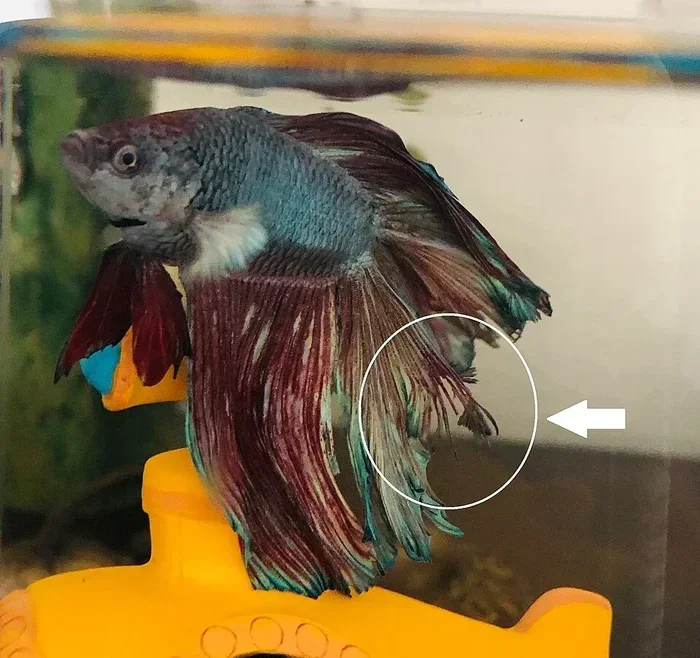
Male bettas are attracted to bright colors and long, flowing fins—traits that many aquarium fish share. When a newcomer resembles a rival (bright reds, flowing tails), the betta may flare, chase, or even bite. Fin‑nipping species also pose a risk because a betta’s delicate fins can be torn, leading to infection.

Visual guide about What Fish Can Male Bettas Live With
Image source: pawtracks.com
Key Water Parameter Overlap
Most tropical community fish thrive in 76‑80°F (24‑27°C) water, a pH of 6.5‑7.5, and soft to moderately hard water. Male bettas prefer the same temperature range but can tolerate slightly softer water. Choose mates whose ideal range sits comfortably within these limits to avoid stressing any animal.
Space and Territory
In a cramped 5‑gallon bowl, a betta will claim every inch and attack any intruder. A 20‑gallon (or larger) tank provides distinct zones, allowing the betta to establish a personal “throne” while other fish occupy the mid‑ and back‑water levels. The rule of thumb: add at least 5 gallons for each additional species.
2. Top Community Fish That Get Along With Male Bettas
Small, Fast‑Moving Tetras
Neon tetras, ember tetras, and black neon tetras are popular choices. Their schooling behavior keeps them out of the betta’s line of sight, and their size (under 1.5 in) makes them non‑threatening. Keep them in groups of six or more to reduce stress.

Visual guide about What Fish Can Male Bettas Live With
Image source: aquariumbuddies.com
Rasboras and Harlequin Rasboras
These peaceful shoaling fish swim near the surface, a zone the betta often avoids. Their silvery bodies and subtle coloration are less likely to trigger aggression.
Dwarf Gourami (Male or Female)
Despite also having long fins, dwarf gouramis are generally calm and can coexist if the tank is spacious and heavily planted. Choose a single gourami to avoid competition for the same “floater” territory.
Snails and Shrimp
Ghost shrimp, cherry shrimp, and nerite snails are excellent cleanup crew members. They’re too small to be seen as rivals and can help keep the tank spotless. Just watch for any betta that becomes unusually curious and may try to nip at them.
Bottom Dwellers: Corydoras and Kuhli Loaches
These gentle catfish stay near the substrate, far from the betta’s preferred mid‑water zone. Their peaceful nature and active scavenging make them great tank mates.
3. Species to Avoid With Male Bettas
Fin‑Nippers
Betta fish, guppies, and some varieties of swordtails have long, flowing fins that a betta may mistake for a rival. Even if they’re not aggressive, the betta might nip at their fins, causing injury.

Visual guide about What Fish Can Male Bettas Live With
Image source: articles.hepper.com
Brightly Colored Males
Male guppies, betta‑like fish such as the half‑moon guppy, and certain rasboras with vivid reds can provoke a betta’s territorial instincts.
Large, Active Swimmers
Goldfish, koi, and large barbs are too big for a small community tank and produce a lot of waste, quickly degrading water quality for the betta.
Other Male Bettas
Two male bettas in the same tank is a guaranteed fight. Even with a massive aquarium, the aggression will likely end in injury or death for one of them.
4. Setting Up a Betta‑Friendly Community Tank
Tank Layout and Aquascaping
Use plenty of live plants such as Java fern, Anubias, and Vallisneria to create natural barriers. Add driftwood and smooth rocks for caves and hiding spots. A well‑planted tank breaks sight lines, reducing the chance that a betta will see a newcomer as an intruder.
Filtration and Water Quality
A gentle, sponge‑type filter provides adequate flow without creating strong currents that can stress a betta. Perform weekly 25‑30% water changes to keep nitrate levels low.
Lighting and Temperature
Maintain a stable temperature of 78°F (25.5°C) using an aquarium heater. Use a dimmable LED light on a 10‑hour on/off cycle to mimic natural daylight, which helps reduce stress for all species.
Introducing New Tank Mates
Quarantine any new fish for at least two weeks in a separate tank. When you’re ready to introduce them, use a plastic bag or a breeding box to let the betta see the newcomers without direct contact. After 24‑48 hours, monitor for any signs of aggression before fully releasing the new fish.
5. Monitoring Behavior and Troubleshooting
Signs of Compatibility
Healthy interactions include the betta ignoring the other fish, occasional curious glances, or the community fish swimming past without being chased. A calm betta will display its fins normally and eat well.
Red Flags
Frequent flaring, chasing, or nipping at fins indicates incompatibility. If the betta isolates itself or stops eating, stress is likely. In such cases, be prepared to relocate the aggressive fish to a separate tank.
When to Rehome
Never force a betta to share space if aggression escalates. It’s better for the health of both the betta and the community fish to provide separate habitats.
6. Frequently Overlooked Options: Invertebrates and Small Amphibians
Snails as Peaceful Co‑habitants
Nerite snails, mystery snails, and ramshorn snails are generally ignored by male bettas. They also help control algae, making them a functional addition.
Freshwater Shrimp
Ghost and cherry shrimp are tiny, fast, and tend to hide among plants. Most bettas see them as food only if they’re very curious, so a well‑planted tank keeps shrimp safe.
Small Aquatic Frogs
Species like the African dwarf frog can share a tank if the water parameters match. Their slow movement and bottom‑dwelling habits usually keep them out of the betta’s way.
Conclusion
Male bettas can live peacefully with a carefully chosen group of community fish, shrimp, and snails. The key ingredients are a spacious, well‑planted tank, compatible water parameters, and vigilant observation of behavior. By respecting the betta’s territorial nature and providing plenty of hiding places, you can enjoy a vibrant, diverse aquarium that showcases the betta’s beauty without compromising the welfare of its tank mates.
Ready to start your community tank? Check out our detailed guide on what other fish can bettas live with for more species ideas, and read which fish can live with male bettas for a quick reference list. For setup tips, see our article on can male bettas live with other fish.
Frequently Asked Questions
Can a male betta live with neon tetras?
Yes, neon tetras are small, fast‑moving shoalers that usually stay out of a betta’s line of sight, making them a good match in a well‑planted tank.
What should I do if my betta starts flaring at new fish?
Give the betta a few days to adjust, keep the new fish in a breeder box, and ensure there are plenty of plants and hiding spots. If aggression continues, consider rehoming the newcomer.
Are snails safe for male bettas?
Most snails, especially nerite and mystery snails, are ignored by bettas and can coexist peacefully while helping with algae control.
Can I keep a male betta with a dwarf gourami?
In a large (20‑gallon) tank with dense planting, a single dwarf gourami can coexist, but monitor closely for any signs of fin‑nipping.
Do bettas get along with Corydoras catfish?
Yes, Corydoras stay at the bottom and are shy, making them excellent, low‑risk tank mates for a male betta.
How often should I feed a community tank with a betta?
Feed small amounts 2‑3 times a day, offering a varied diet of high‑quality betta pellets, frozen or live foods for the other fish, and occasional vegetable matter.