What Fish Do Bettas Get Along With

Betta fish can share a tank with the right tank mates, but choosing compatible species is crucial. Consider size, temperament, and water conditions to create a harmonious community that keeps both bettas and their companions healthy and stress‑free.
Key Takeaways
- Size matters: Choose small, non‑aggressive fish that won’t trigger a betta’s territorial instincts.
- Water parameters must match: Keep temperature, pH, and hardness consistent for all species.
- Provide plenty of hiding spots: Live plants, caves, and décor reduce stress and prevent fights.
- Female vs. male bettas: Females are generally more tolerant of tank mates than males.
- Gradual introductions work best: Use a quarantine or breeder box to monitor behavior before full release.
- Avoid fin‑nippers and long‑finned fish: They are likely to become targets of a betta’s aggression.
- Regular observation is key: Spot signs of stress early and be ready to separate fish if needed.
📑 Table of Contents
- Introduction: The Social Life of a Betta
- 1. Core Principles for Mixing Betta Fish with Others
- 2. Ideal Community Fish for Betta Tanks
- 3. Species to Avoid: Common Mistakes
- 4. Setting Up the Tank for Success
- 5. Monitoring Compatibility and Handling Problems
- Conclusion: Creating a Peaceful Betta Community
Introduction: The Social Life of a Betta
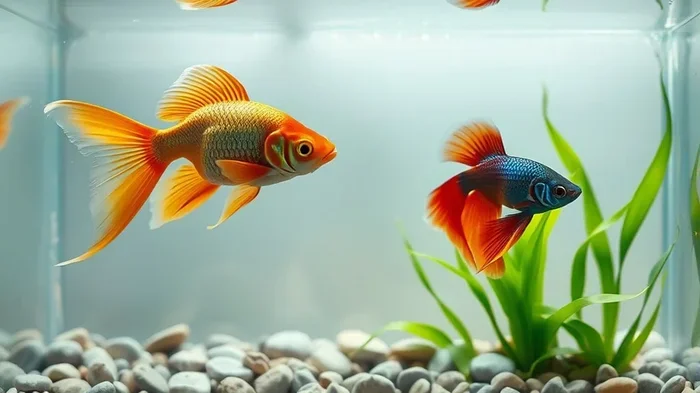
When most people think of betta fish, they picture a solitary, flamboyant male flaunting its long fins in a tiny bowl. In reality, bettas are native to the shallow, vegetation‑rich waters of Southeast Asia, where they coexist with many other small fish and invertebrates. This natural setting shows that, under the right conditions, bettas can be part of a community tank.
However, not every fish is a good roommate. Betta temperament varies by gender, personality, and even strain. A male betta, especially one with a striking tail, may see any similarly colored or long‑finned fish as a rival. A female, on the other hand, is often more tolerant but can still become territorial if the tank is cramped. The key to success lies in understanding these nuances, matching water parameters, and providing plenty of space and hiding places.
1. Core Principles for Mixing Betta Fish with Others
Know Your Betta’s Temperament
Before you pick any tank mates, observe your betta’s behavior. Is it calm, curious, or constantly flaring its gills? A calm betta usually adapts well, while a hyper‑aggressive one may need a solo setup.

Visual guide about What Fish Do Bettas Get Along With
Image source: bettafishworld.com
Match Water Requirements
All fish in a community must thrive in the same temperature (78‑82°F / 25‑28°C), pH (6.5‑7.5), and hardness (5‑20 dGH). Betta fish love warm, slightly acidic water, so choose companions that enjoy the same range.
Size and Activity Level
Small, peaceful fish that stay near the bottom or mid‑level are ideal. Fast swimmers that dart around can stress a betta, while very slow, delicate fish may become easy prey.
Provide Hiding Spaces
Live plants, driftwood, and ceramic caves create visual barriers. These give shy fish a place to retreat and help a betta feel secure in its territory.
2. Ideal Community Fish for Betta Tanks
Neon Tetras (Paracheirodon innesi)
Neons are a classic choice. Their small size (1‑1.5 in), bright blue‑red coloration, and peaceful nature make them unlikely to provoke a betta. Keep them in a school of at least six to reduce stress.

Visual guide about What Fish Do Bettas Get Along With
Image source: bettafishworld.com
Corydoras Catfish
These bottom‑dwelling “catfish” are gentle, love to sift through substrate, and rarely interact with bettas. A small group of three to five corys will clean up leftovers and add activity to the lower tank level.
Harlequin Rasboras
Harlequins are hardy, schooling fish that prefer the mid‑water zone. Their silver‑blue bodies with a black triangular patch are distinct enough not to be mistaken for a betta rival.
Otocinclus Catfish
Otos are tiny algae eaters (about 1 in) that stick to glass and plants. They are shy, non‑aggressive, and will not challenge a betta’s territory.
Snails and Shrimp
Apple snails, mystery snails, and cherry shrimp are excellent for cleanup and add movement without posing a threat. Shrimp may be nipped if the betta is hungry, so provide plenty of hiding spots and feed the betta first.
Other Peaceful Species
- Kuhli Loaches: eel‑like, bottom‑dwelling, very calm.
- White Cloud Mountain Minnows: tolerate cooler temps but can adapt to betta’s warmth.
- Endler’s Livebearers: small, colorful, and active, but keep them in a separate section if you have a very aggressive male.
3. Species to Avoid: Common Mistakes
Fin‑Nippers and Aggressive Swimmers
Guppies, especially those with long, flowing tails, are prime targets for a betta’s aggression. Barbs, danios, and tiger barbs are fast and may trigger a chase.
Visual guide about What Fish Do Bettas Get Along With
Image source: bettafishworld.com
Other Betta Species
Two male bettas together almost always result in a fight. Even two females can become territorial if the tank is too small.
Large or Aggressive Cichlids
Even dwarf cichlids like Apistogramma can be too bold for a betta’s space. Their bright colors may be seen as a challenge.
Long‑Finned Fish
Betta’s instinct is to attack anything that resembles a rival’s fin. Fancy goldfish, fancy guppies, and other long‑tailed varieties should stay away.
4. Setting Up the Tank for Success
Tank Size and Layout
While a 5‑gallon tank can house a single betta, a community needs at least 10‑gallon to give each species room to claim its own zone. Use a rectangular tank; corners create natural boundaries.
Filtration and Water Flow
A gentle sponge filter or low‑flow hang‑on filter is ideal. Strong currents stress bettas, which prefer calm waters. Keep water changes at 25‑30% weekly to maintain water quality.
Plants and Décor
Live plants like Java moss, Anubias, and Amazon sword not only hide fish but also help maintain water parameters. Add driftwood and smooth rocks for caves.
Feeding Strategy
Feed bettas high‑quality pellets or frozen foods twice daily. Offer community fish their own food (microworms, brine shrimp) at the opposite end of the tank to prevent competition.
5. Monitoring Compatibility and Handling Problems
Observation Checklist
- Check for flared gills, rapid swimming, or constant hiding.
- Look for faded colors or torn fins on any fish.
- Note any dead or dying fish within the first two weeks.
What to Do If Aggression Occurs
If the betta repeatedly attacks a specific fish, use a breeder box to separate them for 24‑48 hours. Re‑evaluate tank size, décor, and the number of fish. Sometimes moving the betta to a larger tank or switching to a more tolerant female solves the issue.
Quarantine and Health Checks
Always quarantine new fish for at least two weeks. This prevents disease spread and gives you a chance to observe temperament before introducing them to the community.
Conclusion: Creating a Peaceful Betta Community
Betta fish are not the solitary monsters they’re often portrayed to be. With careful selection of tank mates, proper tank setup, and vigilant observation, you can enjoy a vibrant, interactive aquarium where your betta thrives alongside peaceful companions. Remember the core rules—match water conditions, provide hiding spots, and respect the betta’s territory—and you’ll have a beautiful community tank that’s a joy to watch every day.
Frequently Asked Questions
Can male bettas live with other male bettas?
No. Male bettas are highly territorial and will fight to the death if placed together in the same tank.
Are female bettas safe to keep with other fish?
Female bettas are generally more tolerant, but they still need space and hiding places. A well‑planted 10‑gallon tank works well.
What is the minimum tank size for a betta community?
At least 10 gallons is recommended for a community tank with a betta, providing enough room for swimming and territories.
Do bettas get along with shrimp?
Yes, many bettas coexist peacefully with larger shrimp like Amano or ghost shrimp, especially if the shrimp have plenty of plants to hide in.
How long should I wait before adding new fish to a betta tank?
Give your betta at least two weeks to establish its territory, then introduce new fish slowly using a breeder box.
What signs indicate my betta is stressed?
Frequent gill flaring, faded colors, loss of appetite, or hanging at the bottom of the tank are common stress signals.