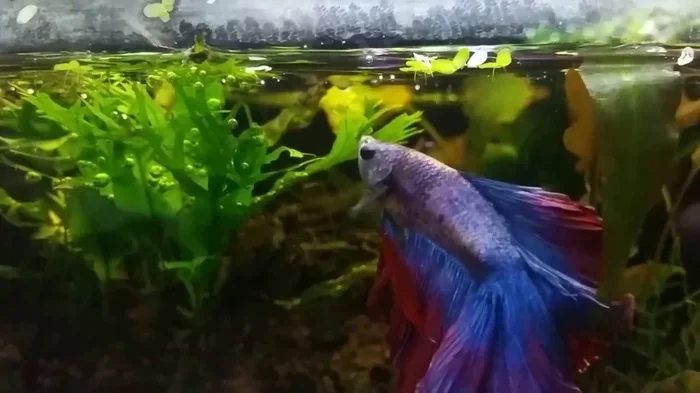
Where to Buy Betta Fish
Choosing the right source for your betta fish is crucial for its long-term health and happiness. Avoid big-box stores where bettas are often neglected. Instead, seek out dedicated local fish stores (LFS), reputable online breeders, or betta rescues. Always inspect the fish for signs of illness and ask the seller about its history and care. A healthy start from a ethical seller sets the foundation for a thriving, interactive companion that can live for 3-5 years or more.
So, you’ve decided to welcome a betta fish into your life. Congratulations! These intelligent, personable fish with their dazzling fins and bold personalities can make fantastic, low-maintenance companions. But before you get swept up in choosing the perfect colorful crown or half-moon tail, there’s one critical decision that will impact everything: where to buy betta fish. This isn’t just about convenience or price; it’s about ethics, animal welfare, and setting yourself up for success. A betta bought from a poor source is often a betta destined for a short, stressful life, filled with health battles. A betta from a reputable source, however, can thrive for three, four, or even five years, becoming a interactive centerpiece of your home. This guide will walk you through every possible avenue for acquiring a betta, arming you with the knowledge to make a choice that’s good for you and the fish.
Key Takeaways
- Prioritize animal welfare over convenience: The cheapest or easiest option (like a big-box store) often leads to a sickly fish and higher vet bills. Seek out sellers who prioritize betta health.
- Local Fish Stores (LFS) are often the gold standard: Specialized stores typically house bettas in filtered, heated setups and have knowledgeable staff who can offer ongoing advice.
- Online breeders offer variety and quality: Reputable online breeders ship healthy, quarantined fish with guarantees. Research extensively before purchasing.
- Adoption is a compassionate choice: Betta rescues save fish from neglectful situations. Adopted bettas may need extra TLC but make incredibly rewarding pets.
- You are the final health inspector: Regardless of source, learn to spot a healthy betta (vibrant color, intact fins, active swimming) versus a sick one (clamped fins, lethargy, frayed fins).
- Prepare the tank BEFORE you buy: A properly cycled, heated, and filtered tank is non-negotiable. Never bring a betta home to a bowl or uncycled tank.
- Ask the right questions: Inquire about the fish’s age, feeding regimen, water parameters, and if it has been quarantined. A transparent seller is a good sign.
📑 Table of Contents
- Why the Source Matters: More Than Just a Pretty Face
- The Local Fish Store (LFS): Your First and Best Stop
- Online Betta Breeders and Sellers: A World of Variety
- Big-Box Retailers and Department Stores: The Risky Choice
- Betta Rescues and Adoption: Giving a Second Chance
- What to Look For: The Ultimate Health Checklist
- The Questions You Must Ask Before You Buy
- Setting the Stage: Your Tank MUST Be Ready First
- Bringing Your Betta Home: Acclimation is Key
- Conclusion: Your Choice Shapes a Life
Why the Source Matters: More Than Just a Pretty Face
Before we dive into the “where,” let’s hammer home the “why.” The betta fish you see in a small cup at a large chain store has already endured significant stress. Often shipped long distances from massive breeding facilities in Southeast Asia, they are placed in tiny, unheated, unfiltered containers upon arrival. This environment suppresses their immune system, making them prone to diseases like fin rot and velvet. When you buy from such a source, you’re not just buying a fish; you’re often buying a pre-existing health problem and supporting a cycle of neglect.
Conversely, a betta from a quality local fish store or dedicated breeder has been raised in conditions closer to its natural needs—warmer water, better nutrition, and less chronic stress. These fish are hardier, have better genetics (reducing issues like poor fin development), and are more likely to be the vibrant, curious pet you envision. The initial cost might be higher, but you save money and heartache on medications and premature loss. Your choice of where to buy a betta fish is your first act of responsible pet ownership.
The Ripple Effect of Your Purchase
Think of your purchase as a vote. Buying from a retailer that treats bettas poorly signals that this treatment is acceptable, encouraging them to continue ordering more fish in the same conditions. Seeking out and supporting businesses that keep bettas in filtered, heated community tanks or dedicated betta systems tells the market that consumers demand better. It supports small business owners and breeders who are passionate about the species. This consumer-driven shift is already happening, and your informed choice contributes to improving the lives of countless future bettas.
The Local Fish Store (LFS): Your First and Best Stop
If you have a dedicated, well-run local fish store in your area, this should be your top consideration for where to buy betta fish. These are not the big-box pet chains; these are independent shops run by people who are often lifelong aquarists with a genuine passion for fish health. Walking into a good LFS, you should see their bettas housed in something resembling a proper aquarium—a filtered, heated tank, often with other peaceful community fish or at least with plenty of space and clean water.

Visual guide about Where to Buy Betta Fish
Image source: cdn.shopify.com
What to Look For in a Quality LFS
Upon entering, make a beeline for the betta section. Your observations here tell you everything you need to know.
- The Setup: Are the bettas in individual containers or a community tank? Individual containers are acceptable if they are spacious (at least 1-2 gallons), clean, and have a heater and filter running. A community tank with peaceful tankmates is even better, as it indicates the store understands bettas can be social. Absolutely avoid stores where bettas are floating in tiny, dirty cups with no heat source.
- Water Clarity & Cleanliness: The water should be clear. There should be no excessive slime coat on the surface, no murkiness, and no strong ammonia odor (it should smell like a clean aquarium, if anything).
- Fish Appearance: The bettas should be active, responsive to movement at the glass, and have fully extended, undamaged fins. Colors should be vibrant. Look for any signs of distress: clamped fins (held tight against the body), lethargy, lying on the bottom, white spots (velvet), cotton-like growths (fungus), or torn/frayed fins (fin rot).
- Staff Knowledge: Ask the employee a few questions. “What do you feed these bettas?” (Answer should be a quality pellet or frozen food, not just flakes). “How often do you change the water in these tanks?” “Do you quarantine new arrivals?” A knowledgeable, enthusiastic staff member is your greatest asset. They should be able to tell you about the individual fish’s personality.
The Advantages of Buying Local
Purchasing from an LFS offers several key benefits that online shopping can’t match. First, you can see the exact fish you’re taking home. You can select a specific individual based on personality and health. Second, you build a relationship with an expert. That staff member becomes your go-to resource for advice on diet, tank mates, and troubleshooting problems for the life of the fish. Many LFS will also accept returns or offer store credit if a fish passes away shortly after purchase due to a pre-existing condition, which is a significant safety net. Finally, you support your local economy and keep animal care decisions in the hands of people who can see the animals directly.
Online Betta Breeders and Sellers: A World of Variety
The internet has revolutionized where to buy betta fish, opening up a world of specialized breeders and sellers that simply don’t exist in most local areas. This is the primary avenue for finding specific, high-quality varieties—like the stunning Koi or Nemo Halfmoon bettas, or the rare Dumbo ear types. However, the online world is a double-edged sword, filled with both exceptional, ethical breeders and unscrupulous sellers looking to make a quick buck.
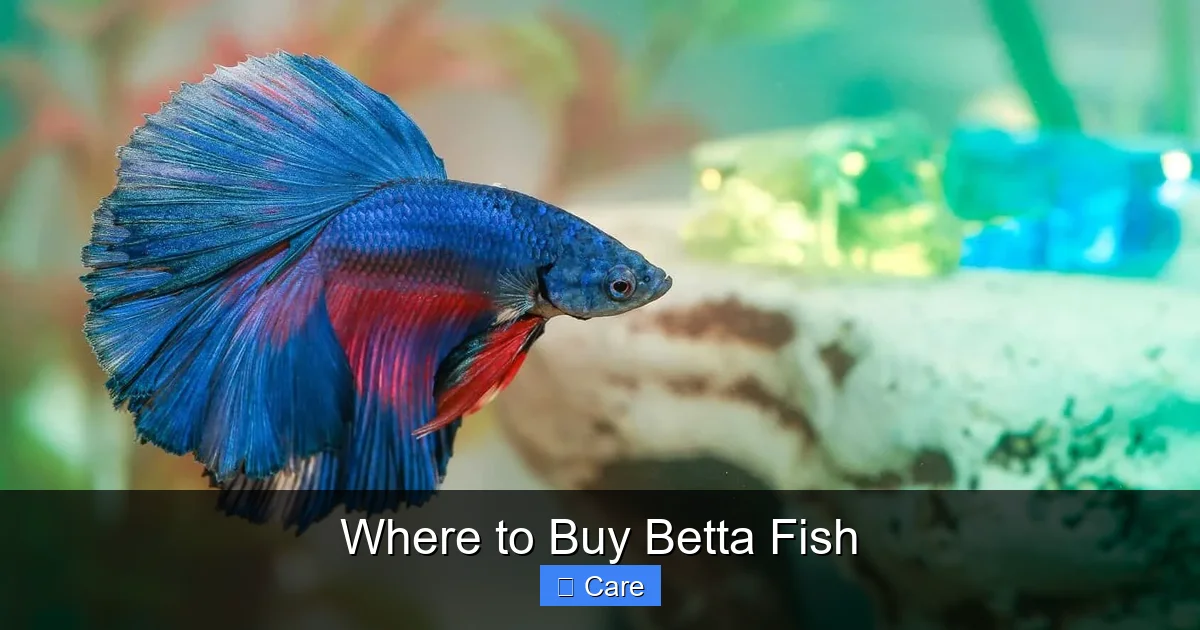
Visual guide about Where to Buy Betta Fish
Image source: fishkeepingworld.com
How to Vet an Online Seller
Your due diligence is paramount here. Start with a deep dive into their website and social media.
- Look for Transparency: A good breeder will have a detailed “About” page explaining their philosophy, breeding practices, and facilities. They should be proud of their setup. They will have clear policies on shipping, live arrival guarantees, and what happens if something goes wrong.
- Shipping Practices: Shipping live fish is stressful. Reputable sellers ship via fast, overnight services (like FedEx Priority Overnight) in insulated boxes with heat or cold packs as needed, and oxygenated bags. They will only ship on certain days (usually Monday-Wednesday) to avoid the fish being stuck in a warehouse over the weekend. They will have a clear, generous live arrival guarantee (e.g., 100% refund or replacement if the fish arrives deceased or severely injured).
- Quarantine Protocols: Any responsible breeder or seller will quarantine all new fish for a minimum of 30 days before offering them for sale. This is non-negotiable for preventing the spread of disease. They should state this clearly.
- Health and Genetics: Look for photos and videos of their fish in their actual facilities, not just perfect studio shots. Do the fish look healthy? Are their fins in good condition? Do they have proper body proportions (a common issue in poorly bred bettas is a stunted, bloated body)?
- Community Reputation: Search for the seller’s name on forums like Fishlore, Seriously Fish, or Reddit’s r/bettafish. See what other hobbyists are saying. Are there consistent complaints about dead-on-arrival fish or poor customer service?
The Online Buying Process
If you find a seller you trust, the process is straightforward but requires patience. You will typically select your fish from a current stock list or photo portfolio, place your order, and wait. The seller will then schedule the shipment for the next appropriate shipping day. You must be home to receive the box—do not let it sit on your porch. Upon arrival, immediately float the sealed bag in your prepared tank to acclimate the temperature (this can take 30-60 minutes). Then, carefully net the fish out of the shipping bag and place it in your tank, discarding the shipping water (it contains high ammonia from the fish’s stress). Do not pour the water in. Have a hospital/quarantine tank ready if possible, to observe the new fish for 2-4 weeks before introducing it to a community.
Big-Box Retailers and Department Stores: The Risky Choice
Let’s address the elephant in the room: the large chain pet stores and department stores with aquarium sections. This is, by far, the most common place people think of for where to buy betta fish. It’s convenient, and the fish are often cheap. However, this convenience comes at a severe cost to the animal and, often, to your wallet in the long run. While not every single store is uniformly terrible, the business model for these chains relies on high volume and low cost, which directly conflicts with the specialized care bettas require.

Visual guide about Where to Buy Betta Fish
Image source: tankarium.com
The Reality of the Betta Cup
The iconic image of a betta in a small plastic cup is a hallmark of these stores. The water is often cold, dirty, and filled with their own waste. There is no heater, no filter, and the cup is so small the fish cannot even fully extend its fins. Bettas are tropical fish requiring water consistently at 78-80°F (25.5-26.5°C). In a cold cup, their metabolism slows, their immune system shuts down, and they become sitting ducks for disease. They are also frequently overfed by well-meaning customers, leading to poor water quality. The staff at these stores are rarely trained specialists in fish health; their knowledge is usually limited to basic care sheets. You cannot ask them meaningful questions about the fish’s history or specific needs.
What to Do If You *Must* Buy From One
Sometimes, a person’s only accessible option is a big-box store. If you find yourself in this situation, you must become a hyper-vigilant inspector. Your selection process is critical.
- Timing is Everything: Go on a day when the store has just received a new shipment. These fish, while still stressed from shipping, are often in better condition than those who have been sitting in the cup for weeks. Ask an employee when their last betta delivery was.
- The Health Check is Non-Negotiable: This is your only defense. Do not feel rushed. Observe each fish for at least a minute. Look for:
- Activity: Is it swimming purposefully, flaring at its reflection, or hovering near the top? Lethargy or sinking is a major red flag.
- Fins: Are they full, flowing, and undamaged? Look for tears, blackening edges (fin rot), or a ragged appearance.
- Body: Is it sleek and torpedo-shaped? Avoid any fish with a bloated, pinecone-like scale appearance (dropsy) or severe swelling.
- Eyes: They should be clear. Cloudy or bulging eyes indicate serious issues.
- Scales: Should be smooth and flat. Raised, pinecone-like scales are a sign of dropsy, which is almost always fatal.
- Gills: Should move rhythmically. Rapid, labored breathing is a sign of distress or parasites.
- Ask to See the Back Stock: Sometimes, healthier fish are kept in a back room filtration system. It doesn’t hurt to politely ask if they have any bettas in a better setup.
- Be Prepared for a Rescue Mission: If you buy from here, assume the fish may have a weakened immune system. Have a hospital tank ready with pristine water, Indian almond leaves for tannins, and medications (like Paraguard or Methylene Blue) on standby. Quarantine it for at least 4 weeks before any introduction to other fish.
Betta Rescues and Adoption: Giving a Second Chance
One of the most rewarding, though often challenging, avenues for where to buy betta fish is through a rescue or adoption. These are fish saved from neglectful situations—abandoned in cups at pet stores, given up by owners who didn’t understand their needs, or confiscated by animal control. Organizations like the International Betta Community or local aquarium society rescues have networks of foster homes who rehabilitate these fish before offering them for adoption.
The Rescue Process and What to Expect
Adopting a rescue betta is different from buying one. The process often involves an application, a small donation (which goes toward medical care and food for the rescue), and a thorough screening to ensure you have a proper setup. The rescuers know the personalities and health statuses of their fosters intimately. They will be brutally honest about a fish’s needs—some may have permanent fin damage, chronic health issues, or extreme skittishness. You are not getting a “perfect” fish from a breeder; you are giving a home to a survivor.
- Pros: You save a life. You support a charitable cause. You often get incredible, detailed knowledge about the fish’s personality and history from its foster parent. Many rescues have a return policy if the adoption doesn’t work out, which is a huge safety net.
- Cons: The fish may require extensive medical care, a specialized diet, or a very calm environment. It may have psychological scars (extreme fear) that require immense patience. It is a commitment to rehabilitation, not just ownership.
Where to Find Rescues
Start your search with national organizations like the International Betta Community (IBC), which has a rescue committee and a Facebook group dedicated to betta rescues. Search for “betta rescue [your state/country]” on social media. Local aquarium clubs (like the Greater Seattle Aquarium Society or similar groups in your area) often have rescue committees. Petfinder.com sometimes lists betta rescues under “fish.” Be prepared to wait for the right fish to become available, as rescues operate on the fish’s timeline, not yours.
What to Look For: The Ultimate Health Checklist
Regardless of your chosen source, your ability to assess a betta’s health is your most important skill. This checklist is your bible for where to buy betta fish. Use it every single time you look at a potential new pet.
The Healthy Betta Profile
- Vibrant, Even Color: Colors should be rich and uniform. Faded colors, especially on the head or body, can indicate stress or illness. Some varieties (like Koi) have changing patterns, but the colors should still be bold.
- Fully Extended, Intact Fins: Fins should be held open and flowing, not clamped tight to the body. They should be whole, without tears, blackening edges, or a ragged, chewed appearance.
- Active & Responsive: A healthy betta is curious. It should swim actively around its container, flare at its reflection or your finger, and come to the front when you approach. It should not be lying on the bottom lethargically or gasping at the surface (unless the water is very warm and oxygen-poor, which is also a sign of poor conditions).
- Clear Eyes and Body: Eyes should be bright and clear, not cloudy or bulging. The body should be smooth, sleek, and free of lumps, bumps, or raised scales (the “pinecone” sign of dropsy).
- Clean, Undamaged Scales: Scales lay flat and smooth. No missing scales or sores.
- Normal Breathing: Gills should move at a steady, moderate pace. Rapid flaring can indicate stress, poor water quality, or parasites.
- Intact Barbels: The two whisker-like feelers (barbels) on its face should be present and undamaged.
Red Flags: Walk Away Immediately
- Clamped Fins: Fins held tightly against the body is a universal sign of severe stress, poor water quality, or illness.
- Fin Rot: Look for frayed, blackened, or rotting fin edges, often with a white or black dead tissue margin. It looks like the fin is melting away.
- Velvet Disease: Appears as a fine, rust-colored or gold dusting on the body, especially visible under a flashlight held at an angle. The fish will scratch against objects (flashing).
- Ich (White Spot Disease): Classic salt-like grains on the body and fins. The fish will also flash.
- Dropsy: Severe, generalized swelling making the fish look like a pinecone. Scales raise. This is almost always a symptom of internal organ failure and is typically fatal.
- Pop Eye: One or both eyes bulge unnaturally.
- Lethargy & Loss of Appetite: If the fish is not moving, not responding, and not eating when fed, it is very sick.
- Severe Bloating/Constipation: A large, tight swelling near the vent (anus). Can be constipation but may also be a tumor or internal infection.
The Questions You Must Ask Before You Buy
Your due diligence doesn’t end with a visual inspection. You are interviewing the seller as much as they are “selling” you a fish. A reputable seller, whether local or online, will welcome your questions. A dodgy one will give vague or dismissive answers.
Essential Questions for Any Seller
- “How long have you had this fish, and where did it come from?” This establishes the chain of custody. A fish that just arrived from a wholesaler is at higher risk. A fish the store has had for a month and is thriving in their system is a better bet. For online sellers, they should know the lineage and how long it’s been in their quarantine.
- “What are you feeding it?” The answer should be a high-quality betta pellet (like Hikari Betta Bio-Gold, New Life Spectrum Betta, or Fluval Betta), supplemented occasionally with frozen foods (brine shrimp, daphnia). If they say “flakes” or “anything,” be wary.
- “What are the water parameters and temperature in this tank?” They should be able to tell you the temperature is between 78-80°F. If they have a test kit, they might know ammonia, nitrite, nitrate, and pH levels. Not knowing isn’t a deal-breaker for a small store, but they should at least know the tank is heated and filtered.
- “Do you quarantine new arrivals?” As mentioned, a 30-day quarantine is the industry standard for responsible sellers. If they say no, or “we just put them right in the display,” walk away.
- “What is your policy if the fish arrives dead or dies within 48 hours?” For online, this is your legal protection. They must have a clear, written live arrival guarantee. For local stores, ask about their return or exchange policy for fish. A good store will work with you.
- “Can I see the parent fish or the breeding setup?” This is more for breeders. A serious breeder will be proud to show you their setup and parent fish, as it demonstrates their dedication to quality.
Setting the Stage: Your Tank MUST Be Ready First
This is the cardinal rule of responsible fish buying, and it cannot be stressed enough. You must have a fully cycled, heated, and filtered tank ready and running before you even think about where to buy betta fish. The nitrogen cycle is a biological process where beneficial bacteria colonize your filter and substrate, converting toxic fish waste (ammonia) into less toxic nitrite and then nitrate. This process takes 4-6 weeks. Adding a fish to an uncycled tank is a death sentence, as ammonia burns will ravage its gills and skin.
The Betta’s Non-Negotiable Home
Forget the meme of a betta in a vase or a bowl. It is animal cruelty. A proper betta home is:
- Tank Size: Minimum 5 gallons. This is widely accepted by serious hobbyists and provides stable water parameters and room to explore.
- Heater: A reliable, adjustable aquarium heater to maintain 78-80°F (25.5-26.5°C) consistently. A small, preset heater is acceptable in a 5-gallon tank but can be risky if room temperature fluctuates.
- Filter: A gentle filter is essential for biological filtration. A sponge filter is ideal as it provides biological filtration and gentle flow, which bettas (with their long fins) appreciate. Hang-on-back (HOB) or internal power filters are fine if you can baffle the flow with a sponge or adjust the output.
- Heater & Filter: You need both. No exceptions.
- Lid: Bettas are labyrinth fish and can jump. A secure lid is mandatory.
- Decor & Hiding Spots: Provide silk or live plants, driftwood, and caves. Bettas love to rest on leaves near the surface. Avoid sharp decorations that can tear fins.
Have this tank fully set up, filled with dechlorinated water, running for at least a week (ideally a full cycle) with the heater and filter on. Test the water with a liquid test kit to confirm ammonia and nitrite are 0 ppm, and nitrate is low (<20 ppm). Only then are you ready to bring your new betta home.
Bringing Your Betta Home: Acclimation is Key
The journey home is stressful. Proper acclimation eases the transition.
For a Local Purchase: Gently net the fish from its container, trying not to agitate the water. Place the bag with the fish and its store water in your tank to float for 15-20 minutes to equalize temperature. Then, carefully open the bag and use a clean cup or turkey baster to slowly add small amounts of your tank water to the bag over the next 30-45 minutes. Finally, net the fish out of the bag and gently place it in your tank. Discard the bag water—do not pour it in.
For an Online Purchase: The bag will be in a box. Open the box immediately. Check the fish. If it’s deceased, document it and contact the seller per their policy. If alive, float the unopened bag in your tank for 30-60 minutes to acclimate temperature. Then, open the bag, roll down the top, and use a cup to slowly add your tank water as described above. Net the fish out. Do not acclimate to the shipping water, as it is toxic with ammonia from the fish’s stress.
For the first few days, keep the lights dim and avoid loud noises near the tank. Offer small amounts of high-quality food. If you have a hospital/quarantine tank, use it. If not, observe the main tank closely for any signs of disease in the coming weeks.
Conclusion: Your Choice Shapes a Life
Deciding where to buy betta fish is the first and most important step in your journey as a betta keeper. It’s a decision that reflects your values as a pet owner. You can choose the path of convenience and support an industry that often treats these beautiful, intelligent creatures as disposable ornaments. Or, you can seek out the dedicated local fish store owner who agonizes over the health of every fish, the passionate small-scale breeder perfecting a line of stunning, healthy bettas, or the compassionate rescuer giving a mistreated fish a new lease on life. The latter choices require more research, patience, and often a higher initial investment. But the reward is a vibrant, healthy, interactive companion that will grace your life with its personality and beauty for years to come. A betta is not a decoration; it is a living being dependent on you for its welfare. Start that relationship on the right foot by choosing a source that respects that truth. Your future finned friend is counting on you to make the smart choice.
Frequently Asked Questions
Is it ever okay to buy a betta from a big-box store?
While it’s possible to find a healthy fish with meticulous selection, it’s generally not recommended due to the consistently poor conditions. If you must, inspect the fish thoroughly using the health checklist above, ask about their arrival date, and be prepared to quarantine and treat the fish immediately. The risk of bringing home a sick fish is very high.
How much should I expect to pay for a quality betta fish?
Prices vary wildly. Common varieties from a good LFS might cost $10-$25. High-quality, show-grade bettas from specialized online breeders can range from $30 to $100+ for exceptional specimens. Adoption fees from rescues are typically $15-$40 and go toward care costs. Remember, the fish’s price is a small fraction of your total setup cost.
What is the single biggest red flag when looking at a betta for sale?
Clamped fins. If a betta’s fins are held tightly against its body, it is a universal sign of severe stress, illness, or poor water quality. This is often the first and most obvious indicator that a fish is not healthy and should be avoided, regardless of how beautiful its color pattern is.
Are online betta breeders safe? How do they ship live fish?
Reputable online breeders are very safe and have perfected shipping. They use fast overnight services, insulated boxes, and oxygenated bags. They ship only on early-week days and have strict live arrival guarantees. The key is researching the seller extensively through reviews, forums, and their transparency about quarantine and shipping practices. Never buy from a seller without a clear, written guarantee.
Should I quarantine a new betta fish even if it looks healthy?
Absolutely yes. Quarantine is one of the most important practices in fish keeping, yet it’s often overlooked. A new fish, even from the best source, can be carrying latent diseases or parasites that will explode in your main tank’s conditions. A separate, cycled hospital tank for 4 weeks allows you to observe and treat any issues without risking your established ecosystem or other fish.
What questions should I NOT ask a seller?
Avoid questions that reveal you haven’t done basic research, as it may signal you’re an unprepared owner. Don’t ask, “Can I keep it in a bowl?” or “Do I need a heater?” These are fundamental care questions you should have answered before even considering a purchase. Instead, ask advanced questions about their specific stock, like water parameters, feeding regimen, or quarantine protocols. This shows you’re serious and knowledgeable.