What Can Live with Betta Fish
Thinking about adding tankmates to your betta’s home? This guide breaks down the best fish, invertebrates, and even amphibians that can coexist peacefully with betta fish, plus tips on tank size, water parameters, and temperament. Follow our easy steps to create a thriving community tank without stressing your betta.
Key Takeaways
- Tank size matters: A minimum of 10‑20 gallons gives most bettas enough space to establish territory.
- Peaceful, small‑bodied fish are safest: Neon tetras, ember rasboras, and dwarf gouramis usually get along well.
- Snails and shrimp can help clean: Nerite snails and cherry shrimp are excellent low‑maintenance companions.
- Avoid fin‑nippers and fin‑nibblers: Aggressive cichlids, barbs, and large gouramis can cause serious injury.
- Monitor water parameters: Keep temperature (76‑82 °F) and pH (6.5‑7.5) consistent for all species.
- Introduce slowly and observe: Use a divider or a “quarantine” tank first to gauge temperament.
- Gender matters: Male bettas are more territorial; females can sometimes tolerate more tankmates.
📑 Table of Contents
- Introduction: Why Add Tankmates?
- 1. The Basics: Tank Size, Water Conditions, and Betta Temperament
- 2. Fish That Get Along With Betta Fish
- 3. Invertebrates: Snails and Shrimp as Tankmates
- 4. Amphibians and Unusual Tankmates
- 5. Setting Up a Community Tank: Step‑by‑Step Guide
- 6. Troubleshooting Common Issues
- Conclusion: Building a Harmonious Betta Community
Introduction: Why Add Tankmates?
Betta fish are famous for their vivid colors and flowing fins, but many hobbyists think they must live alone. In reality, a well‑planned community tank can enrich a betta’s life, reduce boredom, and even help keep the water cleaner. The key is choosing the right companions and providing enough space.
In this article we answer the burning question, what can live with betta fish, by exploring fish, invertebrates, and even amphibians that share similar water needs. You’ll also get practical tips on tank setup, feeding, and how to spot early signs of stress.
1. The Basics: Tank Size, Water Conditions, and Betta Temperament
Minimum Tank Size
While a single‑sex betta can survive in a 2‑gallon bowl, adding tankmates demands a larger habitat. Aim for at least 10 gallons for a single male betta with a few peaceful fish. If you plan a community of several small species, 20 gallons gives everyone room to swim and establishes clear territories.
Visual guide about What Can Live with Betta Fish
Image source: jvbettafishforsale.com
Temperature and pH
Betta fish thrive at 76‑82 °F (24‑28 °C). Most small community fish prefer the same range, making temperature matching easy. Keep the pH between 6.5 and 7.5; avoid sharp swings, as bettas are sensitive to stress.
Understanding Betta Aggression
Male bettas are naturally territorial, especially toward fish with bright, flowing fins that resemble their own. Females are generally less aggressive but can still defend space. Observing your betta’s behavior before adding new residents is crucial—look for flaring, chasing, or frequent hiding.
2. Fish That Get Along With Betta Fish
Choosing the right fish is the heart of the “what can live with betta fish” puzzle. Below are groups that typically coexist peacefully.

Visual guide about What Can Live with Betta Fish
Image source: wallpaperaccess.com
Small, Fast‑Swimming Schooling Fish
- Neon Tetras: Their bright blue line adds a splash of color, and they stay near the top, away from the betta’s mid‑level territory.
- Ember Rasboras: Tiny orange fish that move in a tight school, creating a calm visual effect.
- Harlequin Rasboras: Slightly larger than ember rasboras, they are still peaceful and keep to the upper water column.
These species are covered in detail in our article What Other Fish Can Live With Betta Fish, which explains how to acclimate them safely.
Dwarf Gouramis and Other Peaceful Gouramis
Dwarf gouramis (Trichogaster lalius) are often suggested because they share a similar water preference and are calm. However, choose a single male dwarf gourami to avoid extra aggression. Avoid larger gouramis like the pearl or honey gourami, as they can dominate the betta.
Bottom‑Dwelling Peaceful Species
- Corydoras Catfish: Tiny, armored catfish that scavenge the substrate without bothering the betta.
- Otocinclus (Otos): These algae eaters cling to glass and plants, staying out of the betta’s way.
Both are excellent for keeping algae in check while adding movement near the tank floor.
Other Compatible Options
Small livebearers like guppies or mollies can sometimes work, but only if the betta shows no fin‑nipping tendencies. For a more reliable choice, consider the “what fish can live with a male betta” guide here, which lists safe livebearer options.
3. Invertebrates: Snails and Shrimp as Tankmates
Snails and shrimp are low‑impact companions that help with algae control and detritus breakdown. They’re also fascinating to watch.
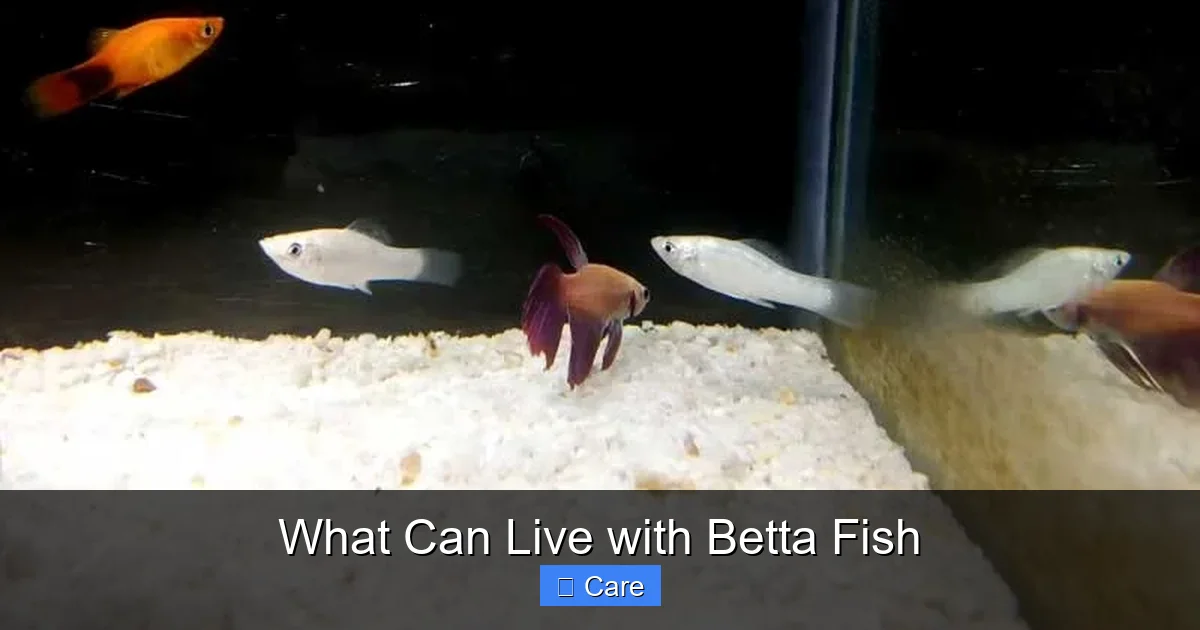
Visual guide about What Can Live with Betta Fish
Image source: bettafishnest.com
Snails
- Nerite Snails: Excellent algae eaters that won’t reproduce in freshwater, keeping the tank tidy.
- Ramshorn Snails: Easy to care for, but they can breed quickly if over‑fed.
- Apple Snails: Larger and more robust, but require a diet of algae wafers and fresh veggies.
Read more about safe snail choices in What Snails Can Live With Betta Fish.
Freshwater Shrimp
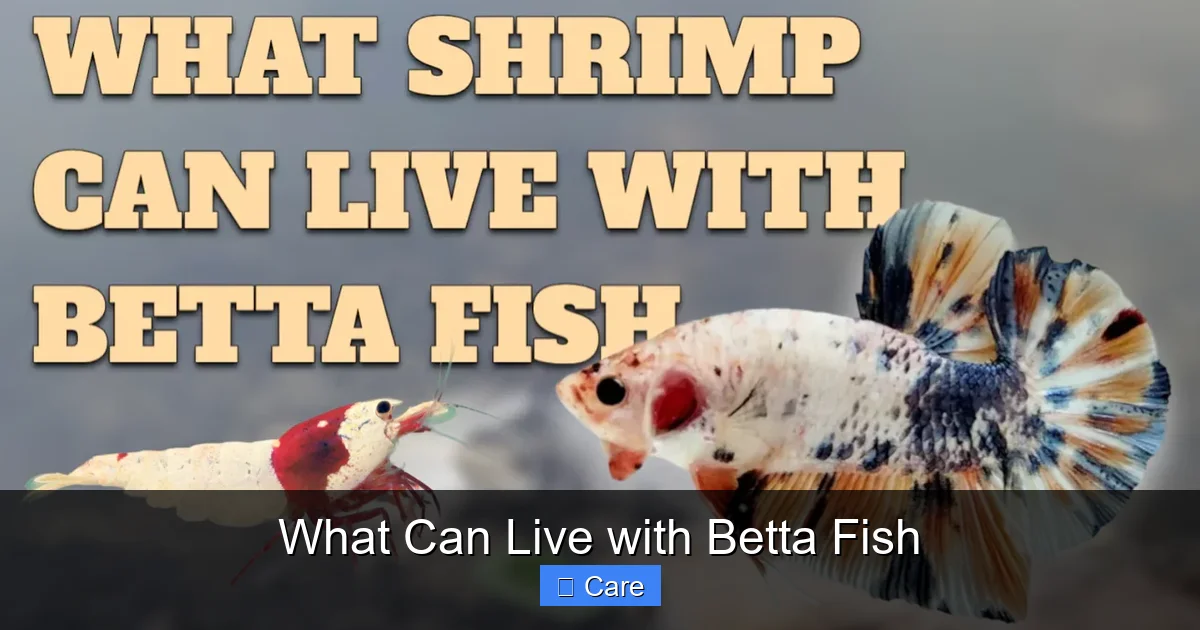
Cherry shrimp and ghost shrimp are popular because they’re colorful and active. They usually keep to the lower and middle levels, avoiding direct confrontations with the betta. However, a particularly aggressive betta may see them as food, so monitor interactions closely.
4. Amphibians and Unusual Tankmates
While fish and invertebrates are the most common companions, some hobbyists wonder about amphibians.
Axolotls and Small Aquatic Frogs
Axolotls prefer cooler water (60‑68 °F) and a soft substrate, making them unsuitable for most betta setups. Small aquatic frogs, like African dwarf frogs, can coexist if the temperature matches and there are plenty of hiding spots. For a deeper dive, see our article Can Aquatic Frogs Live With Betta Fish.
Turtles
Most turtles are far too large and aggressive for a betta tank. Their waste output also spikes ammonia levels, stressing the betta. Therefore, turtles are not recommended as companions.
5. Setting Up a Community Tank: Step‑by‑Step Guide
Step 1: Choose the Right Tank and Filter
Pick a tank with a gentle flow filter; bettas dislike strong currents. A sponge filter works well, providing filtration without a powerful stream.
Step 2: Cycle the Tank
Never add fish to an uncycled tank. Allow the nitrogen cycle to complete (usually 4‑6 weeks) and test for ammonia, nitrite, and nitrate levels.
Step 3: Add Substrate and Plants
Live plants like Java fern, Anubias, and Marimo moss create hiding places and improve water quality. If live plants aren’t an option, use silk or soft artificial plants to prevent fin damage.
Step 4: Introduce the Betta First
Acclimate your betta slowly, letting it adjust to temperature and water chemistry. Let it establish its territory for a few days before adding any tankmates.
Step 5: Add Tankmates Gradually
Use a quarantine or a small container within the main tank to introduce new fish. Observe for any signs of aggression for 24‑48 hours before releasing them.
Step 6: Monitor and Maintain
Perform weekly 25‑30% water changes, keep an eye on temperature, and watch for fin nipping or stress behaviors. Adjust feeding amounts to avoid excess waste, which can harm both betta and invertebrates.
6. Troubleshooting Common Issues
Fin Nipping
If you notice missing fin edges, remove the aggressor immediately. Consider switching to a larger tank or alternative tankmates.
Water Quality Problems
Betta fish are sensitive to ammonia spikes. Test water weekly, and ensure your filter is appropriately sized for the tank’s volume.
Compatibility Mismatches
Sometimes, even “safe” species can clash due to individual personalities. Keep a backup plan—such as a separate hospital tank—to relocate any fish that become stressed.
Conclusion: Building a Harmonious Betta Community
Answering the question what can live with betta fish isn’t about forcing all creatures together; it’s about matching temperaments, water needs, and space. By selecting small, non‑aggressive fish, helpful snails, or gentle shrimp, you can create a vibrant, low‑maintenance community that keeps your betta active and healthy.
Remember to start with a properly cycled, adequately sized tank, introduce tankmates slowly, and watch for any signs of stress. With patience and observation, your betta can thrive alongside a variety of peaceful companions, turning a simple aquarium into a lively underwater tableau.
Frequently Asked Questions
Can a male betta live with other fish?
Yes, but only with peaceful, small‑bodied species that do not resemble the betta’s long fins. Provide at least a 10‑gallon tank and monitor behavior closely.
What snails are safest for a betta tank?
Nerite snails are ideal because they eat algae, stay out of the betta’s way, and do not breed in freshwater, keeping the population under control.
Are shrimp compatible with bettas?
Cherry and ghost shrimp can coexist with a calm betta, but a very aggressive betta may view them as prey. Offer plenty of hiding spots and observe initial interactions.
Can a betta share a tank with a dwarf gourami?
A single male dwarf gourami can be a good companion if the tank is large enough (20 gallons) and the betta shows no fin‑nipping behavior.
Is it possible to keep a betta with livebearers like guppies?
Sometimes, but guppies have bright tails that can trigger aggression. If you try this pairing, use a spacious tank and be ready to separate them if fighting starts.
Do bettas get stressed by tank decorations?
Betas prefer plenty of plants and hiding places. Avoid sharp décor and fast‑flow ornaments, as these can stress the fish and damage delicate fins.