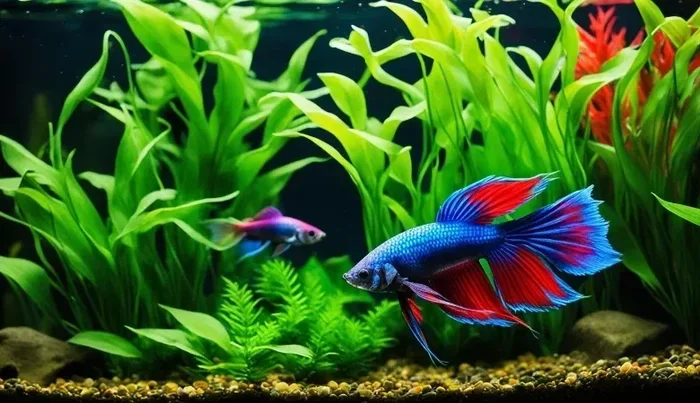
What Fish Are Compatible with Bettas
Choosing the right tank mates for your betta is key to a stress‑free aquarium. This guide explains what fish are compatible with bettas, highlights safe species, and offers practical tips for setting up a peaceful community tank. Follow our step‑by‑step advice to keep both your betta and its companions thriving.
Key Takeaways
- Temperament matters: Male bettas are territorial; choose calm, non‑aggressive species.
- Tank size is crucial: A minimum of 20 gallons gives enough space for a betta and compatible fish.
- Water parameters must match: Keep temperature, pH, and hardness consistent for all inhabitants.
- Hideouts reduce stress: Live plants, caves, and driftwood give shy fish places to retreat.
- Introduce slowly: Acclimate new fish gradually and monitor behavior for any signs of aggression.
- Avoid fin‑nippers: Species with long, flowing fins can trigger a betta’s instinct to flare.
- Research each species: Even “compatible” fish can vary in temperament based on size and gender.
📑 Table of Contents
- Introduction: Why Tank‑Mate Compatibility Is So Important
- 1. Understanding Betta Behavior
- 2. Core Requirements for a Community Tank
- 3. Top Fish Species That Get Along With Bettas
- 4. Species to Avoid
- 5. Setting Up the Tank: Step‑by‑Step Guide
- 6. Frequently Overlooked Tips
- Conclusion: Creating a Harmonious Betta Community
Introduction: Why Tank‑Mate Compatibility Is So Important
Betta fish are famous for their dazzling colors and flamboyant fins, but they also have a reputation for being solitary fighters. A single male betta will often flare at its own reflection, and if you add the wrong tank mates, the result can be torn fins, stressed fish, and a very unhappy aquarium.
That’s why many hobbyists ask, what fish are compatible with bettas? The answer isn’t a one‑size‑fits‑all list; it depends on tank size, water conditions, and the betta’s gender. In this article we’ll walk you through the most reliable companions, the red‑flag species to avoid, and the steps you need to set up a peaceful community tank.
1. Understanding Betta Behavior
Male vs. Female Temperaments
Male bettas are typically more territorial than females. A male will protect his space, especially if there are bright colors or long fins that resemble a rival. Female bettas can be kept in groups called sororities, but they still need plenty of hiding places to prevent bullying.

Visual guide about What Fish Are Compatible with Bettas
Image source: d2csxpduxe849s.cloudfront.net
Natural Habitat Clues
In the wild, bettas live in shallow, slow‑moving waters with lots of vegetation. They are surface‑feeders and like to rest among floating plants. Replicating these conditions helps reduce aggression and makes it easier to introduce other fish.
2. Core Requirements for a Community Tank
Tank Size and Layout
While a single betta can survive in a 5‑gallon tank, a community setup needs at least 20 gallons. This gives each fish its own territory and reduces the chance of the betta feeling cramped.

Visual guide about What Fish Are Compatible with Bettas
Image source: ehk-aquatics.com
Water Parameters
- Temperature: 76‑82 °F (24‑28 °C)
- pH: 6.5‑7.5
- Hardness: 3‑8 dGH
All potential tank mates must thrive within these ranges. A mismatch in temperature or pH can stress the betta and make aggression more likely.
Filtration and Flow
Bettas prefer gentle water movement. Use a sponge filter or a power filter with a spray bar set low to create a calm surface.
3. Top Fish Species That Get Along With Bettas
Below are the most reliable companions, grouped by size and temperament.

Visual guide about What Fish Are Compatible with Bettas
Image source: seafishpool.com
Small, Peaceful Tetras
- Neon Tetra (Paracheirodon innesi): Their bright blue‑red coloration is eye‑catching, yet they stay in the mid‑to‑bottom levels, away from the betta’s surface zone.
- Ember Tetra (Hyphessobrycon amandae): Slightly smaller than neon tetras, they are shy and rarely trigger a betta’s aggression.
Harlequin Rasboras
These schooling fish move in the middle of the tank and have a calm demeanor. Because they are active swimmers, they keep the betta occupied and less likely to focus on them.
Bottom‑Dwelling Catfish
- Corydoras (Corydoras spp.): Peaceful, nocturnal, and always on the tank floor. They help keep the substrate clean.
- Otocinclus (Otocinclus affinis): Tiny algae eaters that hide under plants and rocks, making them invisible to a betta’s line of sight.
Livebearers
Guppies, platies, and mollies can work if you choose a male betta with a calm personality and keep the livebearers in a separate area of the tank. Avoid overly colorful guppies with large, flowing tails, as they may provoke the betta.
Snails and Shrimp
While not fish, they are excellent tank mates. Nerite snails and cherry shrimp are hardy, help clean algae, and usually stay out of the betta’s way.
Examples of Successful Community Set‑ups
One popular combination is a 20‑gallon tank with a male betta, 6 neon tetras, 4 Corydoras, and a Nerite snail. The betta gets its own vertical space, the tetras occupy the middle, and the catfish patrol the bottom.
4. Species to Avoid
Fin‑Nipping Fish
Barbs, tiger guppies, and loaches love to nip at long fins. A betta’s beautiful tail becomes a target, leading to infection.
Other Aggressive Bettas
Never house two male bettas together, and avoid keeping a male betta with a female betta unless you have a very large tank and plenty of hiding spots.
Large, Fast‑Swim Species
Goldfish, large danios, and other fast swimmers can out‑compete a betta for food and create stressful water turbulence.
Brightly Colored Species With Long Fins
Fancy guppies, fancy swordtails, and other ornamental fish with flowing fins can be mistaken for rival bettas, prompting a flare.
5. Setting Up the Tank: Step‑by‑Step Guide
Step 1: Choose the Right Tank
Pick a 20‑gallon long tank with a lid (bettas love to jump). Add a background to reduce stress.
Step 2: Add Substrate and Plants
Fine sand or smooth gravel works best. Live plants such as Java fern, Anubias, and floating “duckweed” create natural cover.
Step 3: Install Filtration
Use a sponge filter rated for 20 gallons. It provides gentle flow and a surface for beneficial bacteria.
Step 4: Cycle the Tank
Allow the nitrogen cycle to complete (usually 4‑6 weeks). Test water for ammonia, nitrite, and nitrate before adding any fish.
Step 5: Introduce the Betta First
Acclimate the betta slowly using the drip method. Let it explore the tank for a few days before adding any companions.
Step 6: Add Community Fish Gradually
Introduce a small school of tetras or rasboras first, followed by bottom dwellers a week later. Observe behavior for 24‑48 hours after each addition.
Step 7: Ongoing Maintenance
- Weekly 20‑25 % water changes.
- Check temperature and pH daily.
- Trim plants and remove dead foliage.
- Watch for signs of stress: faded colors, clamped fins, or excessive hiding.
6. Frequently Overlooked Tips
Use a Divider for the First Week
If you’re unsure about compatibility, a clear acrylic divider lets the betta see but not touch the new fish. Remove the divider after a week of calm behavior.
Feed a Varied Diet
High‑quality betta pellets, frozen brine shrimp, and occasional daphnia keep the betta healthy and less likely to become territorial over food.
Consider the Betta’s Personality
Every betta is unique. Some are surprisingly tolerant, while others are hyper‑aggressive. Spend time observing your betta’s response before committing to a full community.
Conclusion: Creating a Harmonious Betta Community
Finding out what fish are compatible with bettas is a blend of science and observation. By choosing peaceful, similarly sized species, providing ample space, and matching water parameters, you can enjoy a vibrant, active tank where your betta and its companions flourish together. Remember to start slow, monitor behavior, and adjust as needed—your patience will be rewarded with a stunning, stress‑free aquarium.
Frequently Asked Questions
Can I keep a male betta with other male bettas?
No. Male bettas are highly territorial and will fight aggressively. Only one male betta should be kept per tank.
Are neon tetras safe with a female betta?
Yes. Neon tetras stay in the middle of the tank and are small enough not to trigger a female betta’s aggression, making them a good match.
What is the minimum tank size for a betta and community fish?
A minimum of 20 gallons is recommended. Smaller tanks increase stress and limit space for both the betta and its tank mates.
Do snails compete with bettas for food?
Snails like Nerite or Mystery snails are mostly algae eaters and rarely compete with bettas for the same food.
How often should I feed my betta in a community tank?
Feed small amounts two times a day. Remove any uneaten food after a few minutes to keep water quality high.
What signs show that a betta is stressed by its tank mates?
Look for faded colors, clamped fins, constant hiding, or frequent gill flaring. These indicate the betta feels threatened.
—
For more detailed species lists and personal experiences, check out our related articles: What Fish Are Compatible With Betta Fish, Which Fish Are Good With Bettas, and Can You Keep Male Bettas With Other Fish.