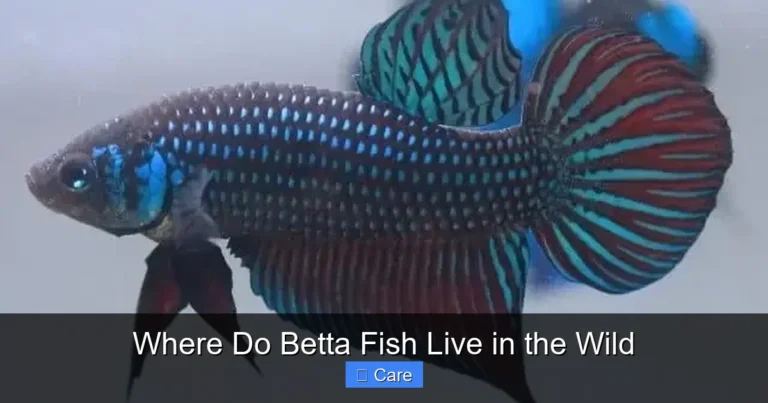
What Temperature Is Best For Betta Fish To Thrive

The ideal water temperature for betta fish is between 78°F and 80°F (25.5°C to 26.5°C). Keeping your tank in this betta fish temperature range prevents stress and supports a strong immune system. You will learn how to set up a reliable heater, monitor water temperature stability, and avoid common mistakes that harm your fish. A stable aquarium temperature is the fastest way to help your betta live a long, active life.
Key Takeaways
- Ideal Range: The best temperature for betta fish is 78°F to 80°F (25.5°C to 26.5°C) for daily health and activity.
- Stability Matters: Sudden temperature swings cause more stress than a slightly cooler but steady tank.
- Use a Heater: A adjustable aquarium heater helps you maintain a consistent tropical fish temperature year-round.
- Monitor Often: A reliable thermometer is essential for tracking water temperature and catching problems early.
- Avoid Extremes: Water that is too cold slows metabolism, while water that is too hot reduces oxygen and increases stress.
- Acclimate Slowly: When changing water or moving your betta, match temperatures gradually to prevent shock.
- Seasonal Care: Room changes, drafts, and sunlight can shift tank temperature, so check your setup in every season.
📑 Table of Contents
- What Temperature Is Best For Betta Fish To Thrive
- The Ideal Betta Fish Temperature Range
- Why Water Temperature Stability Matters More Than You Think
- Choosing the Right Heater for Your Betta Tank
- How to Monitor and Maintain Aquarium Temperature
- Common Temperature Mistakes Betta Owners Make
- Seasonal Care and Temperature Troubleshooting
- Quick Tips for a Healthy Betta Temperature Setup
- Expert Insights and Final Thoughts
What Temperature Is Best For Betta Fish To Thrive
If you just brought home a betta, you probably want one simple answer. What temperature is best for betta fish to thrive? The short answer is a steady range around 78°F to 80°F. That range mimics the warm tropical waters your betta naturally prefers. It also supports healthy digestion, strong immunity, and bright colors.
Many new owners focus on food, tank size, and decorations. Those things matter, but water temperature is just as important. A stable betta fish temperature range keeps your fish calm and active. In contrast, a tank that swings too warm or too cool can cause stress, sluggishness, and illness. This guide will walk you through the ideal range, why it matters, and how to keep your tank steady every day.
The Ideal Betta Fish Temperature Range
Bettas come from warm, shallow waters in Southeast Asia. Because of that, they do best in a tropical fish temperature setup rather than a cold room-temperature tank. The sweet spot is usually 78°F to 80°F. Some keepers run their tanks a little higher, around 82°F, for short periods during treatment or breeding. Still, for everyday care, 78°F to 80°F is the most reliable target.
Why This Range Works So Well
This temperature range supports a healthy metabolism without pushing your fish too hard. At this warmth, your betta can digest food properly and stay active during the day. It also helps the immune system work efficiently. When the water stays in the right zone, your fish is less likely to become vulnerable to common issues.
A few important points to remember:
- 78°F to 80°F is the best temperature for betta fish in most home aquariums.
- Warmer water can increase activity, but it also lowers oxygen levels.
- Cooler water slows your betta down and can weaken its defenses.
- Consistency matters just as much as the exact number on the thermometer.
What Happens Outside the Ideal Range
If the water drops too low, your betta may become lethargic and eat less. Its immune response can slow down, which makes it easier for illness to take hold. If the water gets too warm, your fish may breathe faster and seem restless. High heat can also reduce dissolved oxygen, which adds stress. That is why water temperature stability is one of the most important parts of betta care.
Why Water Temperature Stability Matters More Than You Think
A lot of beginners ask about the perfect number, but a perfect number that keeps changing is not perfect at all. Fish feel temperature shifts through their skin and gills. Even small swings can be uncomfortable if they happen often. A tank that stays at 76°F all week is often better than a tank that bounces between 74°F and 82°F.
Daily Fluctuations and Stress
Room temperature changes can affect your tank, especially if the aquarium is small. A betta bowl or tiny tank changes temperature much faster than a larger filtered tank. That means your fish may experience repeated stress every time the room warms up or cools down. Over time, that stress can lead to poor appetite, faded color, and lower energy.
Long-Term Health Benefits of a Steady Tank
When you keep the aquarium temperature steady, you create a calm environment. Your betta spends less energy reacting to changes and more energy on normal daily functions. This can support better feeding, cleaner movement, and a more relaxed demeanor. It also makes it easier for you to notice real problems because your fish is not already dealing with temperature stress.
Choosing the Right Heater for Your Betta Tank
If your home runs cool, a heater is usually the easiest way to maintain the right betta fish temperature range. You do not need the most expensive model, but you do need one that is reliable and sized correctly for your tank. A good heater helps you avoid guesswork and keeps the water from drifting too low at night.
Types of Heaters to Consider
There are a few common heater styles used in small aquariums. Each one can work well if it fits your setup.
- Submersible heaters: These sit fully underwater and are often easy to adjust.
- Hang-on heaters: These clip to the tank edge and are common in smaller setups.
- Adjustable thermostats: These let you set a target temperature instead of guessing.
- Preset heaters: These are simpler, but they may not be as precise for every tank.
Sizing the Heater Correctly
Heater size matters because an undersized heater may struggle to keep the water warm. A small tank loses heat quickly, so it needs a heater that can keep up. On the other hand, a heater that is too powerful can make temperature control harder if it does not have a good thermostat. For most betta tanks, a small adjustable heater designed for the tank’s volume is the safest choice.
Placement and Safety Tips
Place the heater where water flow can help spread the warmth evenly. Avoid hiding it under gravel or pressing it against the glass. Make sure the heater is fully submerged if it is designed for that use. If you ever need to remove it, unplug it first and let it cool before handling. A careful setup prevents burns, damage, and sudden temperature changes.
How to Monitor and Maintain Aquarium Temperature
Buying a heater is only part of the job. You also need a way to check the water regularly. Many heaters have built-in thermostats, but the dial on the heater is not always accurate. A separate thermometer gives you a second opinion and helps you spot problems early.
Best Tools for Tracking Temperature
A simple stick-on thermometer or a small digital thermometer can work well. The best choice is one that is easy to read at a glance. If you check the tank every day, you will notice trends before they become emergencies.
- Use a reliable thermometer that you can read quickly.
- Check the temperature at the same time each day when possible.
- Compare your thermometer reading with the heater setting.
- Watch for small drifts that may signal a failing heater or room change.
Simple Maintenance Habits
Good temperature care is mostly about consistency. Keep the tank away from cold drafts, direct sunlight, and heating vents. If you do water changes, match the new water to the tank temperature before adding it. This prevents sudden drops that can irritate your betta. It also makes maintenance much safer and easier.
Common Temperature Mistakes Betta Owners Make
Even experienced keepers can overlook temperature issues. The problems are often small at first, but they add up. Here are the most common mistakes and how to avoid them.
Mistake 1: Assuming Room Temperature Is Enough
Some people believe a betta can live happily in an unheated bowl at normal room temperature. That may work in a very warm room, but it is risky in many homes. Room temperature can fall at night or change with the seasons. If the water drifts below the ideal zone, your betta may become sluggish and more vulnerable to stress.
Mistake 2: Using a Heater Without a Thermometer
A heater setting is not a guarantee. If you never check the water, you may not notice that the heater is stuck, inaccurate, or set too high. A thermometer helps you confirm that the tank is actually staying where you want it.
Mistake 3: Making Sudden Water Changes
Large water changes with cold water can shock your fish. The same thing happens if you add hot water too quickly. Always aim for gradual changes. If you need to clean the tank, replace a portion of the water and match the temperature before refilling.
Mistake 4: Ignoring Seasonal Shifts
Your tank may be fine in summer but too cool in winter. A setup that works in one season may need adjustment later. Check the temperature more often when the weather changes, especially if your aquarium sits near a window or exterior wall.
Mistake 5: Overheating the Tank
More heat is not always better. If the water gets too warm, your betta may struggle with lower oxygen levels and extra stress. If you notice your fish gasping near the surface or acting frantic, check the temperature right away. A cooler, steadier tank is usually better than an overheated one.
Seasonal Care and Temperature Troubleshooting
Temperature problems do not always come from the heater. Sometimes the issue is the room, the tank location, or the way water is added. A little troubleshooting goes a long way.
What to Do If the Water Gets Too Cold
If the temperature drops below the ideal zone, start by checking the heater and thermometer. Make sure the heater is working and set correctly. Move the tank away from drafts if possible. During a water change, use warmed water that matches the tank. If the room is consistently cold, you may need a stronger heater or a more insulated setup.
What to Do If the Water Gets Too Warm
If the tank runs hot, reduce the heater setting first. Improve airflow around the tank if the room is warm. Avoid placing the aquarium in direct sun or near a heat source. In a pinch, you can do a small water change with slightly cooler water, but do it slowly. The goal is to bring the temperature down gradually, not all at once.
Signs Your Betta May Be Feeling Temperature Stress
Fish cannot tell you when they are uncomfortable, so you have to watch their behavior. Look for changes in movement, breathing, and feeding.
- Hiding more than usual
- Floating quietly near the bottom or top
- Breathing faster than normal
- Eating less or ignoring food
- Faded color or dull appearance
These signs do not always mean temperature is the problem, but they are good reasons to check the water right away.
Quick Tips for a Healthy Betta Temperature Setup
If you want the easiest path to a stable tank, these habits will help:
- Keep the tank in a room with a fairly steady temperature.
- Use an adjustable heater sized for your aquarium.
- Place a separate thermometer in the tank and check it daily.
- Avoid drafts, direct sun, and strong heat sources.
- Match water temperatures during changes and top-offs.
- Watch your betta’s behavior as an early warning system.
Expert Insights and Final Thoughts
The best temperature for betta fish is not just a number on a dial. It is a stable environment that supports your fish’s normal life. When the water stays in the right range, your betta can eat well, move naturally, and handle daily care with less stress. That is why temperature control is one of the first things you should set up and keep checking.
A good routine is simple. Set the heater to a safe target, verify it with a thermometer, and make small adjustments only when needed. Keep the tank out of drafty spots and avoid sudden water changes. If you ever move your betta or clean the tank, take extra care to match the temperature before introducing new water. These small habits make a big difference over time.
If you are also thinking about treats, air access, or water choices, those topics work together with temperature care. For example, you may want to read about Do Betta Fish Have Treats For A Snack when you plan a balanced feeding routine. You might also find it useful to learn Do Betta Fish Have To Come Up For Air, since temperature and oxygen levels can affect breathing behavior. And if you have ever worried about old water, our guide on Didn T Change Betta Fish Water For 1 Month can help you understand why maintenance and stability matter together.
In the end, the best betta fish temperature range is the one that stays steady and supports a healthy, active fish. Aim for 78°F to 80°F, monitor it often, and make changes slowly. With a little attention, your betta can enjoy a comfortable home and a much better quality of life.
Frequently Asked Questions
What temperature is best for betta fish in a home aquarium?
The best temperature for betta fish is usually between 78°F and 80°F. This range supports healthy activity, good digestion, and a stronger immune system. Keep the water as steady as possible for the best results.
Can betta fish live in room temperature water?
They may survive in room temperature water, but it is not always ideal. Room temperature can drop at night or shift with the seasons, which may stress your fish. A heater is often the safest way to keep the tank in the right range.
Is 82 degrees too hot for a betta fish?
It can be too warm for everyday use, especially if the tank has low oxygen or poor airflow. Some keepers use higher temperatures briefly for specific reasons, but long-term heat can increase stress. If your tank runs that warm, watch your fish closely and make sure it has good oxygen levels.
How do I know if my betta tank is too cold?
Common signs include sluggish movement, less interest in food, and more time spent hiding. Your betta may also seem dull or less responsive than usual. The easiest way to confirm is to check the water with a reliable thermometer.
Do I need a thermometer if I already have a heater?
Yes, because heater dials are not always accurate. A separate thermometer helps you confirm the actual water temperature and catch problems early. It is a simple tool that makes betta care much safer.
What should I do if the water temperature changes suddenly?
Check the heater, thermometer, and tank location right away. If the water is too cold, warm it gradually with matched water or adjust the heater. If it is too warm, lower the setting and cool the tank slowly instead of making a sudden drop.