Best Fish That Go Well With Bettas for Safe Community Tanks
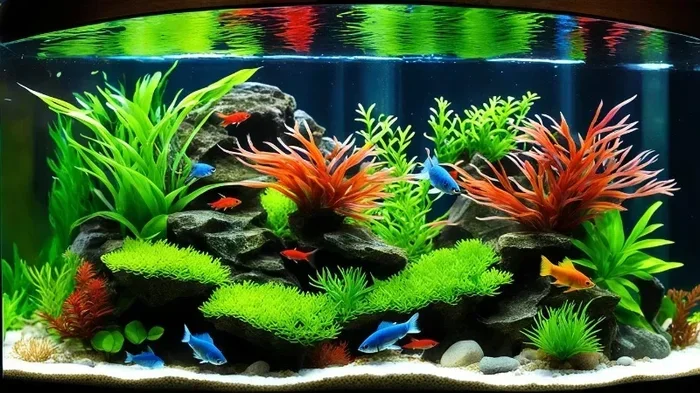
Choosing the right tank mates for your betta starts with understanding what fish go well with bettas in a calm, well-planted community tank. Peaceful, slow-moving species like corydoras, small tetras, and certain shrimp often thrive alongside bettas when you prioritize space, hiding spots, and careful introductions. Always research behavior, water needs, and tank size before mixing species, because a thoughtful setup keeps aggression low and stress minimal.
Key Takeaways
- Prioritize temperament over appearance: calm, non-fin-nipping fish make the best companions for bettas.
- Match water parameters: choose species that thrive in the same warm, clean conditions bettas prefer.
- Start with a spacious tank: a larger aquarium gives everyone room to establish territories and reduces conflict.
- Add hiding places: plants, caves, and driftwood help shy fish feel secure and break line of sight.
- Introduce tank mates carefully: add the betta last or use a divider at first to lower territorial stress.
- Watch for warning signs: faded color, torn fins, hiding, or loss of appetite mean you should separate fish quickly.
- Skip risky species: fin nippers, aggressive cichlids, and very active schooling fish often cause problems.
📑 Table of Contents
- What Fish Go Well With Bettas for a Peaceful Community Tank
- Understanding Betta Behavior Before You Add Tank Mates
- Best Fish That Go Well With Bettas for Safe Community Tanks
- Choosing Tank Mates by Species Type and Tank Zone
- Tank Setup Tips for Keeping Bettas With Other Fish
- How to Introduce Tank Mates Safely
- Red Flags and Common Mistakes to Avoid
- Expert Insights and Quick Tips for Long-Term Success
- Final Thoughts on What Fish Go Well With Bettas
What Fish Go Well With Bettas for a Peaceful Community Tank
Bettas are beautiful, bold, and full of personality. They also have a reputation for being feisty, which makes many aquarists ask the same question: what fish go well with bettas without turning the tank into a battleground? The good news is that many peaceful species can share a home with a betta when you plan carefully. The key is to match temperament, water needs, and space. A calm community tank is absolutely possible, but it works best when you choose slow, gentle companions and give them plenty of places to hide.
This guide walks you through the best tank mates, the setup details that matter most, and the warning signs that tell you something is off. You will learn how to read your betta’s behavior, how to introduce new fish safely, and which species are usually a smart fit. If you want a lively tank without constant chasing or torn fins, this is the practical roadmap you need.
Understanding Betta Behavior Before You Add Tank Mates
Bettas are not aggressive toward everything, but they do have strong territorial instincts. Males, in particular, often defend their space and may flare at fish that swim too close or look like rivals. That does not mean every tank mate is doomed. It means you need to understand what triggers your betta and design the tank around those triggers.
A few common behaviors matter a lot:
- Flaring: a betta may puff up and spread its fins when it feels challenged. Occasional flaring is normal, but constant flaring signals stress.
- Chasing: brief chasing can happen during introductions, but repeated chasing is a red flag.
- Hiding or hovering: if your betta stays in one corner, it may feel threatened rather than relaxed.
- Fin nipping risk: some fish nip fins, and bettas often react badly to that kind of irritation.
If you want what fish go well with bettas to be a successful mix, start by observing your betta’s personality. Some bettas are surprisingly mellow. Others are intensely territorial. Neither type is wrong, but each one needs a different approach. A calmer betta can handle more active companions. A bold, feisty betta usually does best with quiet bottom dwellers and species that keep to themselves.
Best Fish That Go Well With Bettas for Safe Community Tanks
When people ask what fish go well with bettas, the best answers are usually small, peaceful, and non-competitive. You want tank mates that do not chase, do not nip fins, and do not constantly invade the betta’s space. The safest choices often stay in different zones of the tank, which lowers conflict.
Here are some reliable options that many betta keepers use successfully:
- Corydoras catfish: these gentle bottom dwellers stay near the substrate and rarely bother surface fish. They are social, so keep them in a small group.
- Small tetras: calm schooling fish like neon tetras can work in a larger tank, especially when they have plants and cover. They usually stay midwater and ignore bettas.
- Harlequin rasboras: these peaceful fish are often a good fit because they are calm and not overly flashy.
- Small livebearers: certain peaceful livebearers can coexist with bettas in a roomy tank, as long as the betta is not overly aggressive.
- Snails and shrimp: many hobbyists keep snails or shrimp with bettas. Some bettas ignore them, while others may view shrimp as snacks, so proceed with caution.
If you are curious about shrimp specifically, it helps to read more about whether betta fish do well with shrimp before you add them. Shrimp can be a great clean-up crew, but they are not always safe in every tank.
The biggest mistake is choosing a tank mate because it looks cool. Compatibility is about behavior first. A peaceful fish that stays out of the betta’s face is usually a much better choice than a flashy fish that darts around and triggers chasing.
Choosing Tank Mates by Species Type and Tank Zone
A well-planned community tank works best when each species uses a different area. Bettas spend a lot of time near the surface and midwater, so it often helps to choose companions that stay lower or keep to the edges. This simple strategy reduces direct encounters and helps everyone feel more secure.
Bottom Dwellers
Bottom-dwelling fish are often the easiest companions because they live lower in the water column. Corydoras are a classic example. They spend most of their time scavenging the substrate and generally ignore bettas. They also prefer being in groups, which gives them a more natural social setup.
Other bottom-oriented options can work too, but you should always check temperament. Some bottom fish are peaceful, while others can be pushy or territorial. If you want to explore whether certain bottom fish are suitable, you may find it useful to look at whether sucker fish can go with a betta and similar species that stay near the glass or decor.
Midwater Schooling Fish
Schooling fish can add movement and color without creating much trouble, provided the tank is large enough and the species is calm. Small tetras and rasboras are often considered when people ask what fish go well with bettas for a balanced community. The trick is to avoid fish that are too fast, too bold, or known for nipping.
A school also helps spread attention. One betta may chase one fish, but a group gives the betta less focus on any single target. That said, a crowded tank can still cause stress, so do not use schooling fish as a way to overstock the aquarium.
Invertebrates and Clean-Up Helpers
Snails and shrimp can be useful additions, but they come with different risks. Snails are usually slower and less likely to provoke a betta. Shrimp are smaller and can become prey if your betta is hunting. If you want to test the waters with invertebrates, start by reviewing whether snails can go in a tank with betta fish so you know what to expect.
Invertebrates can help keep the tank tidy, but they should never be treated as disposable extras. They still need good water quality, proper food, and a safe environment.
Tank Setup Tips for Keeping Bettas With Other Fish
Even the best tank mate choices can fail in a poor setup. A cramped, bare tank makes every fish more stressed and more likely to fight. A spacious, planted tank gives animals room to spread out and lowers tension. If you want to know what fish go well with bettas in practice, the environment matters just as much as the species list.
Use these setup principles:
- Give them space: a larger tank gives each fish more territory and reduces the chance of constant encounters.
- Add plants: live or artificial plants create visual barriers and hiding spots. This helps shy fish and gives the betta less reason to patrol every inch.
- Include hardscape: driftwood, rocks, and caves break up sightlines and create separate zones.
- Keep water clean: stable, filtered water supports healthier fish and calmer behavior.
- Avoid sharp decor: rough ornaments can tear fins, which is especially risky in a community tank.
If you are wondering what fish go well with bettas in a shared setup, the answer often depends on how much cover the tank provides. A well-decorated tank can turn a borderline pairing into a workable one. A bare tank can make even peaceful fish feel exposed.
How to Introduce Tank Mates Safely
Introductions are where many community tanks succeed or fail. A rushed addition can trigger territorial behavior right away. A careful introduction gives fish time to adjust and reduces the odds of a bad first impression.
Try this simple process:
- Quarantine new fish: keep newcomers separate for a while so you do not bring in disease.
- Prepare the tank: make sure temperature, filtration, and water quality are stable before adding anyone new.
- Use a divider or bag float: let the fish see each other before full contact if you want a slower introduction.
- Add the calmest fish first: in some cases, adding the betta last can reduce immediate territorial claims, though results vary.
- Watch closely: observe for chasing, flaring, hiding, and feeding behavior during the first days.
If you want a broader view of mixed-tank success, you can also explore whether bettas can go with other fish and related community-tank topics before you start mixing species. Reading up ahead of time helps you avoid common surprises.
Red Flags and Common Mistakes to Avoid
Not every community tank works out, even with good intentions. The safest approach is to watch for stress signals and act quickly when things go wrong. Ignoring early warning signs is one of the most common mistakes betta keepers make.
Warning Signs That the Mix Is Not Working
- Constant flaring: a betta that never settles may be too stressed.
- Torn fins: this can mean chasing, fin nipping, or sharp decor issues.
- Fish hiding all day: excessive hiding can signal fear or poor conditions.
- Loss of appetite: stressed fish often eat less.
- Injured or missing tank mates: this is a serious sign that the pairing is unsafe.
Common Mistakes
- Overcrowding the tank: too many fish create competition and stress.
- Choosing flashy or aggressive species: bright colors and long fins can sometimes provoke a betta.
- Skipping the acclimation process: sudden changes make fish more vulnerable.
- Assuming one setup fits all: every betta has a unique temperament.
- Forgetting water quality: poor maintenance can make even compatible fish act badly.
If you are ever unsure about a pairing, it is better to separate the fish than to wait for damage to happen. A good community tank should feel calm, not chaotic.
Expert Insights and Quick Tips for Long-Term Success
Experienced keepers usually say the same thing: start conservatively. If you are learning what fish go well with bettas, it is smarter to begin with one or two calm tank mates instead of filling the aquarium right away. You can always add more later if everyone is thriving.
A few practical tips help a lot:
- Keep a journal: note behavior after introductions so you can spot patterns.
- Feed strategically: spread food around the tank so lower-dwelling fish get their share.
- Maintain a routine: regular water changes and filter care keep the environment stable.
- Watch the betta’s body language: relaxed fins and normal swimming are good signs.
- Be ready to separate: a backup plan makes introductions much less stressful.
If you want to compare different companion options, it can help to think in terms of zones, size, and activity level. A simple comparison table can make the decision easier.
Quick Comparison of Common Tank Mate Types
| Tank Mate Type | Typical Zone | Compatibility Notes | Best For |
|---|---|---|---|
| Corydoras | Bottom | Peaceful, social, usually ignores bettas | Calm community tanks with substrate cover |
| Small tetras | Midwater | Can work if calm and tank is large enough | Adding gentle movement and color |
| Rasboras | Midwater | Often peaceful and less likely to provoke | Bettas that tolerate quiet schooling fish |
| Snails | Various | Slow, low conflict, useful for cleanup | Low-risk additions in many tanks |
| Shrimp | Various | Helpful but may be eaten by some bettas | Careful setups with good cover |
Final Thoughts on What Fish Go Well With Bettas
If you want a peaceful community tank, the best answer to what fish go well with bettas is simple: choose calm, compatible companions and build the tank around their needs. Bottom dwellers, quiet schooling fish, and select invertebrates can all work under the right conditions. The real secret is not just the species you pick, but the space, cover, and care you provide.
A successful mix usually comes down to patience. Introduce new fish carefully, watch behavior closely, and make changes early if something feels off. When you focus on temperament, water quality, and thoughtful setup, you give your betta and its tank mates the best chance to live together comfortably. That is how you create a community tank that looks beautiful and stays balanced.
Frequently Asked Questions
What fish go well with bettas in a beginner community tank?
Peaceful bottom dwellers like corydoras and calm small schooling fish are often the easiest starting choices. They usually stay out of the betta’s main territory and create less competition. A well-planted tank and careful introduction still matter a lot.
Can bettas live with neon tetras safely?
They can in many cases, but only if the tank is large enough and the tetras are calm and well-acclimated. Neon tetras are small and fast, so a betta may still chase them if it feels threatened. Good cover and close observation help a lot.
Do bettas get along with shrimp and snails?
Sometimes yes, but it depends on the betta’s personality. Snails are usually lower-risk, while shrimp can become snacks if the betta is hunting. Dense plants and hiding spots improve the odds of success.
What fish should I avoid putting with a betta?
Avoid fin nippers, highly aggressive fish, and species that are much larger or much more active than your betta can tolerate. Fish that constantly dart around or compete for the same space often trigger stress and chasing.
How many tank mates can I add to a betta tank?
That depends on tank size, filtration, and the betta’s temperament, so there is no one-size-fits-all number. It is better to start with one or two compatible fish and add more only if everyone remains calm and healthy. Overcrowding is a common cause of trouble.
Should I add the betta first or last when building a community tank?
Either approach can work, but many keepers prefer adding the betta last so it does not claim the whole tank immediately. Others find that introducing fish gradually and using a divider helps reduce conflict. The best method depends on the individual betta’s behavior.