What to Feed Betta Fish
Betta fish are strict carnivores, not vegetarians. Their diet must be protein-rich, primarily consisting of high-quality pellets, frozen, or live foods. Overfeeding is the most common and dangerous mistake, leading to obesity, constipation, and fatal water pollution. A proper feeding routine involves small portions once or twice daily, with a weekly fast to aid digestion. Avoid generic fish food and plant-based materials, focusing instead on foods formulated specifically for bettas or their natural prey.
Key Takeaways
- Bettas are obligate carnivores: Their digestive systems are designed for a meat-based diet. They cannot process plant matter effectively and require high-protein foods to thrive.
- Pellets are the dietary cornerstone: High-quality, betta-specific pellets should make up the bulk of their diet, providing balanced nutrition in a convenient, less-messy form.
- Variety is essential for peak health: Supplement pellets 2-3 times weekly with frozen (bloodworms, brine shrimp) or live foods (daphnia, microworms) to mimic a natural diet and provide enrichment.
- Portion control is non-negotiable: A betta’s stomach is roughly the size of its eye. Feed only what they can consume in 2-3 minutes, typically 2-3 pellets per meal. Overfeeding is the #1 cause of health issues.
- Fasting is a crucial health tool: Implement a 24-hour fast once a week. This prevents constipation, gives their digestive system a rest, and helps maintain a clean tank.
- Never use generic tropical fish flakes: These are usually plant-based and nutritionally inadequate for bettas, leading to long-term health decline and poor coloration.
- Water quality is directly tied to feeding: Any uneaten food must be immediately removed with a net or siphon to prevent ammonia spikes and toxic water conditions.
📑 Table of Contents
- Understanding Your Betta’s Natural Diet: The Carnivore Truth
- The Best Staple Food: High-Quality Betta Pellets
- Supplementing with Frozen & Live Foods: The Vital Variety
- The Critical Art of the Feeding Schedule: Less is More
- Feeding Mistakes That Can Kill Your Betta: What to Avoid
- Putting It All Together: Your Betta’s Weekly Feeding Plan
- Conclusion: Feeding as an Act of Ownership
Understanding Your Betta’s Natural Diet: The Carnivore Truth
Before we dive into the “what,” we must understand the “why.” The single most important fact about feeding a betta fish is this: your betta is a strict carnivore. This isn’t a suggestion or a preference; it’s a biological imperative written into their digestive system over millennia of evolution. In the shallow, warm rice paddies and slow-moving streams of Thailand, their natural menu consists almost exclusively of insects, insect larvae (especially mosquito wrigglers), tiny crustaceans, and zooplankton. They are surface feeders by nature, ambushing prey that lands or swims near the water’s top layer.
This carnivorous nature has profound implications for their care. Their short, simple digestive tract is optimized for processing high-protein, high-fat animal matter. It lacks the enzymes and length needed to break down significant amounts of plant cellulose. Feeding a betta a vegetarian or plant-heavy diet—like generic tropical flakes or “vegetable” sinking pellets—is like feeding a lion a salad. They might eat it out of desperation, but they will not receive the essential amino acids, lipids, and vitamins they require for vibrant color, sturdy fins, and robust immune function. Over time, this nutritional mismatch leads to faded colors, lethargy, fin rot, and a shortened lifespan. The foundation of everything we discuss is this: think protein, think prey, think animal-based.
The Myth of the “Vegetarian Betta”
You may have heard that bettas can eat peas to relieve constipation. While a **blanched, skinned pea** is a recognized remedy for digestive blockage, it is not a dietary staple. It is a temporary, medicinal treatment, not a food group. Relying on peas or other vegetables as a regular part of their diet is a surefire way to create malnutrition. Their systems are not built for it. Our goal is to replicate, as closely as possible in captivity, the nutrient profile of the wild insects they would chase.
The Best Staple Food: High-Quality Betta Pellets
For daily, reliable nutrition, nothing beats a premium betta pellet. But not all pellets are created equal. The market is flooded with cheap, generic “tropical fish food” that is wholly unsuitable. You must become a label detective.
Visual guide about What to Feed Betta Fish
Image source: ekk4j69ebaa.exactdn.com
What to Look For on the Label
- Primary Ingredient: The first ingredient should be a specific animal protein like “whole fish,” “fish meal,” “krill meal,” or “shrimp meal.” Avoid pellets where “wheat flour,” “soybean meal,” or “brewers yeast” are at the top of the list.
- Protein Content: Aim for a minimum of 40% crude protein. The best formulations hit 45-50% or more. This reflects their carnivorous needs.
- Formulation: Look for pellets specifically labeled for “Betta” or “Siamese Fighting Fish.” These are sized correctly (small, sinking or slow-sinking) and formulated with the higher fat content bettas require for their labyrinth organ and energy.
- Color Enhancers: Natural color enhancers like astaxanthin (from krill or algae) and spirulina are beneficial. Avoid pellets with artificial dyes.
Practical Tip: Brands like New Life Spectrum OPTI-Betta, Hikari Betta Bio-Gold, and Fluval Betta Bug Bites are consistently recommended by experienced hobbyists for their high-quality, betta-specific ingredients. Always purchase from a reputable store with good stock turnover to ensure freshness.
How to Feed Pellets Properly
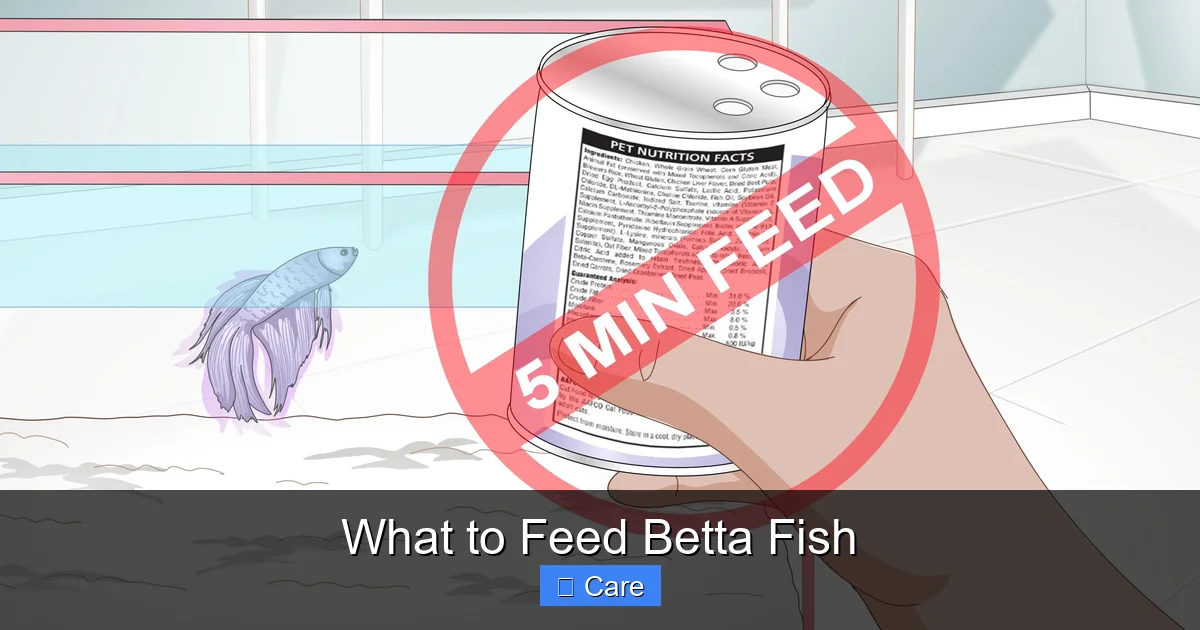
Even the best pellet is harmful if overfed. The “eye-size” rule is your best friend. For most adult bettas, this means 2-3 high-quality pellets per meal. Here’s a simple routine:
- Place the pellet(s) on the water’s surface near the betta.
- Observe. They should dart up and consume them immediately.
- Wait 2-3 minutes. If any pellet sinks and is ignored, scoop it out with a net.
- Repeat this process once or twice a day. Most adults do well on one feeding, but two smaller feedings can be fine if portions are strictly controlled.
Remember, a slightly hungry betta is a healthy, active, and curious betta. Their metabolism is slow, and they are built to endure periods without food in the wild.
Supplementing with Frozen & Live Foods: The Vital Variety
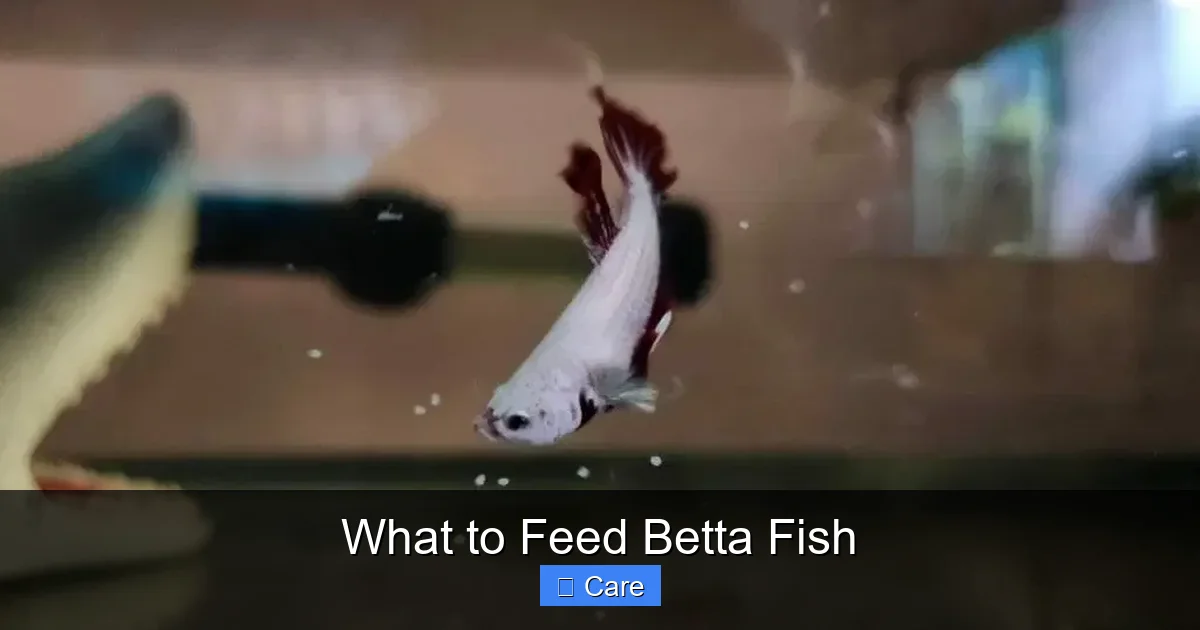
While pellets provide consistent daily nutrition, frozen and live foods are the equivalent of a wild-caught feast for your betta. They offer unparalleled nutritional density, natural textures that stimulate hunting instincts, and vital moisture content. Think of these not as daily meals, but as 2-3 “treats” per week that complete their dietary profile.
Visual guide about What to Feed Betta Fish
Image source: ekk4j69ebaa.exactdn.com
The Frozen Food Powerhouse
Frozen foods are the gold standard for supplementation. They are typically flash-frozen at peak freshness, locking in nutrients and killing parasites. You store them in your freezer and break off a tiny cube as needed. Top choices include:
- Frozen Bloodworms: The classic betta treat. Rich in protein and iron. Always rinse a small piece in a cup of tank water before offering to remove any ice glaze or debris.
- Frozen Brine Shrimp: Lower in protein than bloodworms but excellent for providing essential fatty acids and roughage. Their exoskeleton can aid digestion. Great for younger or more delicate bettas.
- Frozen Daphnia: Often called “water fleas,” these are fantastic for digestive health due to their high fiber content. They are a perfect food to offer after a period of constipation or as a regular weekly supplement to keep things moving.
- Frozen Mysis Shrimp: A premium option, high in protein and containing a balanced exoskeleton and muscle meat. Excellent for promoting vibrant color.
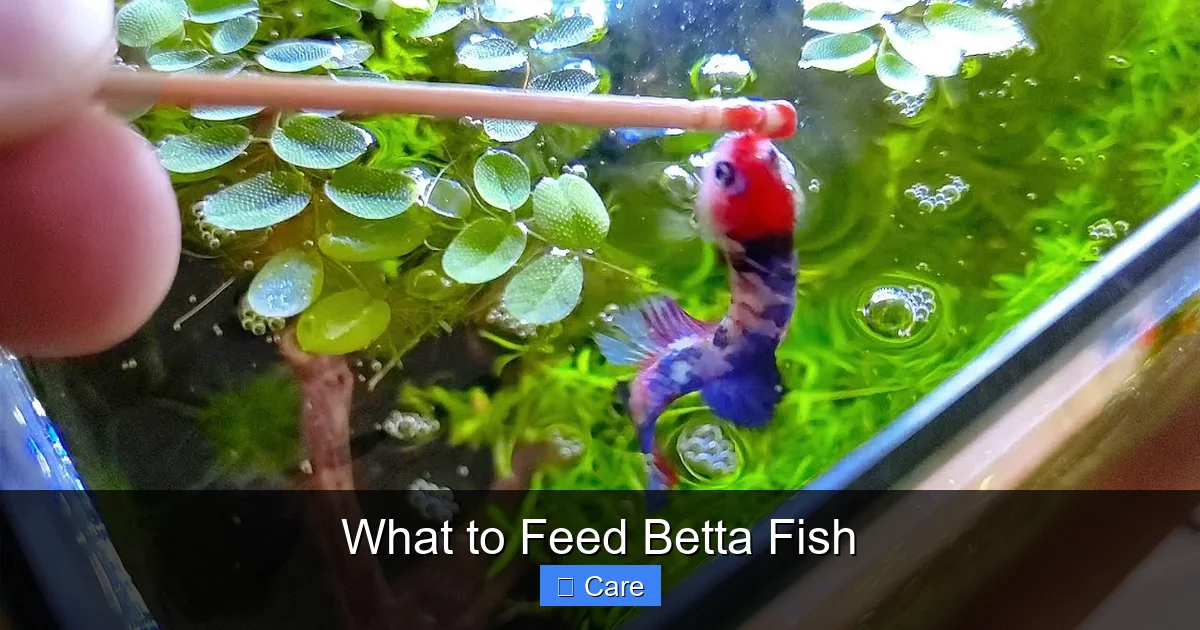
How to Serve: Break off a tiny piece (no larger than the betta’s eye). Thaw and rinse in a separate container with a small amount of tank water. Offer with tweezers or drop it in. Remove any uneaten portion after 5-10 minutes.
Live Foods: The Ultimate Enrichment (With Caution)
Live foods offer the ultimate hunting stimulation, but they come with significant risks. The primary dangers are introducing parasites, pesticides, or other pests into your pristine aquarium.
- Safe Options (If Cultured Yourself): Microworms, Vinegar Eels, and small cultures of Daphnia or Brine Shrimp (from a trusted, pesticide-free source) are relatively safe if you maintain your own clean cultures. These are small, appropriate-sized live foods.
- High-Risk Options (Generally Avoid): Tubifex worms (often polluted), mosquito larvae (can carry disease, and you may accidentally breed pests), and feeder fish (can introduce pathogens and are nutritionally poor).
Rule of Thumb: For 99% of hobbyists, sticking to high-quality frozen foods is safer and more practical than risking live foods from unknown sources. The enrichment benefit of live food can often be mimicked by using feeding rings or tweezers to move frozen food around the tank, triggering the chase instinct.
The Critical Art of the Feeding Schedule: Less is More
This is the section where most betta owners fail. The instinct to feed is strong, but the consequences of overfeeding are severe and often fatal. Establishing a strict, minimal schedule is the single most important thing you can do for your betta’s long-term health.
Visual guide about What to Feed Betta Fish
Image source: i.ytimg.com
The Daily Routine: Precision Portions
Once you have chosen your staple pellet, determine the exact number that constitutes a proper meal for your specific fish. A young, active male may eat 4-5 small pellets, while an older, sedentary female may only need 2. The eye-size rule is your starting point. Feed once or twice daily, at the same time each day. Consistency helps reduce stress. Your betta should be alert and eager at feeding time, but not ravenously desperate (a sign of underfeeding or poor water quality).
The Non-Negotiable Weekly Fast
Choose one day a week—commonly Sunday—to not feed your betta at all. This 24-hour fast is not cruel; it is biologically beneficial. In the wild, they do not eat every single day. This fast:
- Allows the digestive system to fully clear, preventing constipation and swim bladder issues.
- Gives the liver and other organs a metabolic rest.
- Helps regulate metabolism and can prevent obesity.
- Provides a natural break that mirrors their evolutionary history.
Your betta will be perfectly fine. This practice is standard among serious betta breeders and keepers. If you have a very young, growing betta (under 4 months) or a severely underweight rescue, you may skip the fast initially, but introduce it as soon as they are robust.
Fry and Juvenile Feeding: A Different Protocol
Baby bettas (fry) and growing juveniles have vastly different needs. Their metabolisms are in overdrive, and they require near-constant feeding of appropriately sized foods.
- First few days: They survive on their yolk sacs.
- Days 3-4 onward: Start with infusoria (a culture of microscopic organisms) or commercial liquid fry food.
- After ~1 week: Introduce newly hatched brine shrimp nauplii. This is the ideal first “solid” food—packed with protein and perfectly sized.
- 2-3 weeks old: Can begin transitioning to finely crushed high-quality betta pellets and larger frozen foods like daphnia.
- Schedule: Fry should be fed 2-3 times daily, with only as much as they can consume in a few minutes. Water changes must be very frequent (sometimes daily) to remove uneaten food and maintain pristine conditions.
Feeding Mistakes That Can Kill Your Betta: What to Avoid
Knowing what to feed is only half the battle. Knowing what not to do is equally critical. These are the most common, deadly mistakes:
Mistake 1: Overfeeding (The Silent Killer)
This cannot be stressed enough. The consequences cascade:
- Constipation: Blocked digestive tract, leading to bloating, lethargy, and loss of appetite. A constipated betta is a sick betta.
- Swim Bladder Disorder (SBD): Often caused by constipation pressing against the swim bladder, leading to sinking, floating, or swimming upside down.
- Obesity: Fat deposits build up internally, straining organs and drastically shortening lifespan.
- Water Pollution: Uneaten food decays instantly, producing toxic ammonia and nitrite. This causes stress, suppresses the immune system, and can lead to sudden death from ammonia poisoning, even in a cycled tank. If you see food on the bottom 5 minutes after feeding, you fed too much.
Mistake 2: Using the Wrong Foods
- Generic Tropical Flakes: Almost always plant-based. Avoid completely.
- Generic “Betta” Pellets from Big Box Stores: Often low-quality fillers. Check ingredients.
- Bread or Crackers: Absolutley no. They swell in the stomach and contain no usable nutrition.
- Fruit or Vegetables (as a staple): As discussed, their systems cannot process this. A pea for constipation is a medicinal exception, not a food.
- Live Earthworms or Grubs: Can be too large, carry parasites, and contain pesticides from the soil.
Mistake 3: Inconsistent Feeding and “Just One More Treat”
Bettas are intelligent and will learn to beg. That charming dance at the tank glass is often a conditioned response, not a sign of hunger. Giving in to those puppy-dog eyes and adding an extra pellet or a few extra bloodworms “just this once” is a slippery slope to chronic overfeeding. Stick to the schedule and portion.
Putting It All Together: Your Betta’s Weekly Feeding Plan
Let’s synthesize all this information into a simple, actionable weekly menu. This assumes a healthy adult betta in a heated, filtered tank of at least 5 gallons.
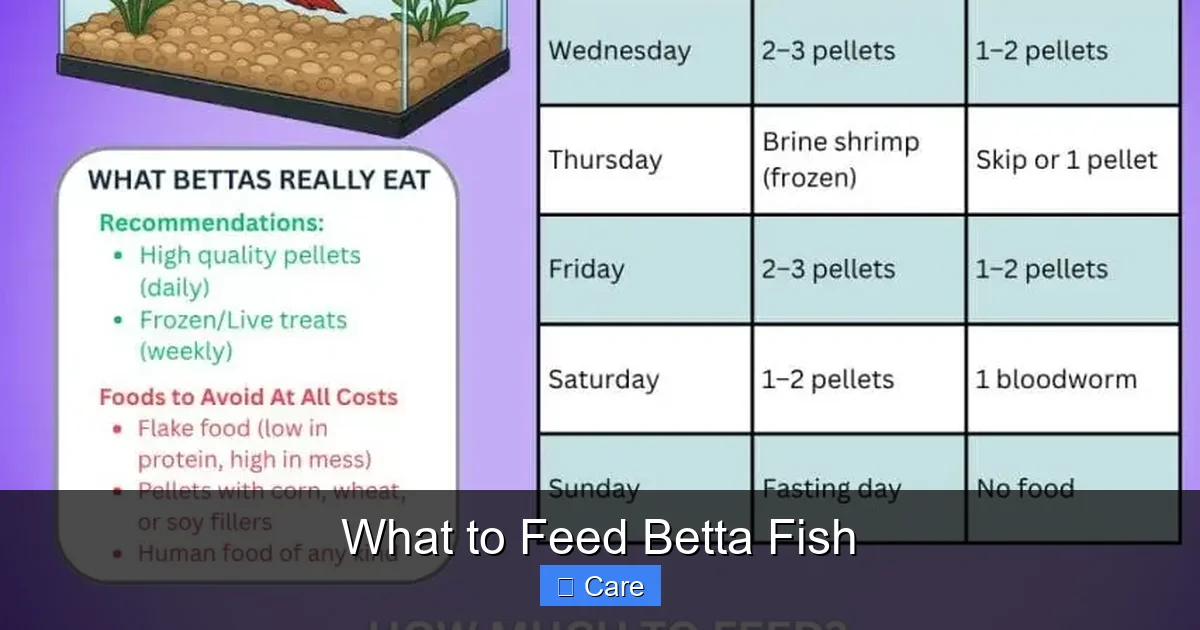
- Monday: 2-3 high-quality betta pellets in the morning.
- Tuesday: 2-3 pellets in the morning. Fasting day begins after this meal. (No food Tuesday evening or all day Wednesday).
- Wednesday: Fasting day. No food.
- Thursday: 2-3 pellets in the morning.
- Friday: 2-3 pellets in the morning. Supplement: A tiny, rinsed piece of frozen daphnia or brine shrimp in the evening.
- Saturday: 2-3 pellets in the morning.
- Sunday: 2-3 pellets in the morning. Supplement: A tiny, rinsed piece of frozen bloodworm or mysis shrimp in the evening.
Note: This is a template. You might choose to supplement on Tuesday and Friday instead. The key is: pellets 5-6 days a week, 1-2 supplements, 1 full fast. Adjust pellet count based on your betta’s size and activity. A plump, round betta is overweight; a slightly tapered waistline is ideal.
Special Considerations: Sick, Old, or Picky Bettas
For a betta that has lost its appetite due to illness (like dropsy or severe fin rot), try offering frozen daphnia. Its mild flavor and digestibility often entices sick fish. For an elderly betta with worn teeth (yes, they have teeth!), you may need to soak pellets for a minute in tank water to soften them. For a famously picky betta who spits out pellets, try soaking the pellets in a bit of garlic juice (a natural appetite stimulant) or switching pellet brands. Persistence with a high-quality food is key; they will eventually eat when hungry.
Conclusion: Feeding as an Act of Ownership
Feeding your betta is far more than a daily chore; it is the primary act of care that directly shapes their health, beauty, and lifespan. By respecting their true nature as carnivores, committing to high-protein staples, practicing ruthless portion control, and embracing the weekly fast, you move from being a pet owner to a responsible steward. You are not just putting food in a tank; you are providing the precise biochemical building blocks for vibrant fins, a strong immune system, and active, curious behavior. The most common betta ailments—constipation, swim bladder issues, dropsy—are almost always rooted in dietary mismanagement. Armed with this knowledge, you can look at your betta’s brilliant colors and graceful movements and know that you are the reason for its vitality. The simple, disciplined act of feeding less, but better, is the greatest gift you can give your aquatic companion.
Frequently Asked Questions
Can I feed my betta fish everyday?
Yes, but with a crucial caveat. You should feed a small, measured portion (2-3 pellets) once or twice daily, but you must implement one full 24-hour fast per week. This fasting day is essential for digestive health and prevents chronic issues from constant feeding.
What is the best food for betta fish?
The best diet combines a high-quality, betta-specific pellet as a daily staple (with animal protein as the first ingredient) with 2-3 weekly supplements of frozen foods like daphnia, brine shrimp, or bloodworms. This provides complete, varied nutrition that mimics their natural carnivorous diet.
How many pellets should I feed my betta?
Feed only what your betta can consume in 2-3 minutes, which for most adult bettas is 2-3 small pellets per meal. A reliable rule is that the total daily portion should not exceed the size of their eyeball. When in doubt, underfeed.
Is it okay to feed betta fish bloodworms everyday?
No. While bloodworms are an excellent supplement, they are too rich to be a daily staple. Feeding them every day can lead to constipation and nutritional imbalances. They should be offered as a treat 1-2 times per week, with high-quality pellets forming the base of the diet.
Why is my betta spitting out his pellets?
This is common and usually not a sign of illness. Reasons include: the pellets are too large, the pellet is too hard for an older betta with worn teeth (try soaking), or your betta is simply being picky. Ensure you are using a high-quality, small-sized betta pellet and be consistent. They will eat when hungry.
Can betta fish eat vegetables or peas?
A blanched, skinned pea is a recognized remedy for constipation, but it is not a regular food. Bettas are obligate carnivores and cannot digest plant matter effectively. Feeding vegetables as a staple will lead to malnutrition. Their diet must be based on animal proteins.